
The Star Wars saga, a cornerstone of modern popular culture, has captivated audiences for decades. Its sprawling narrative, interwoven with iconic characters, groundbreaking special effects, and a timeless struggle between good and evil, has become more than just a series of films; it’s a phenomenon. For newcomers and seasoned fans alike, the question of the “correct” viewing order often arises. While the release order is a valid historical perspective, understanding the chronological order unlocks a richer appreciation for the overarching narrative arc, character development, and the intricate world-building that defines the Star Wars brand. This exploration delves into the chronological sequencing of the Star Wars films, not just as a viewing guide, but as a testament to the power of a cohesive and meticulously crafted brand narrative.

The Skywalker Saga: A Foundation of Epic Storytelling
The heart of the Star Wars universe, and the most common starting point for chronological viewing, lies within the nine episodic films that form the core of the Skywalker saga. These films chart the rise and fall, redemption and legacy, of a single lineage, providing a dramatic throughline that connects disparate eras and introduces the fundamental conflicts that shape the galaxy.
Episode I: The Phantom Menace (1999)
The chronological journey begins with The Phantom Menace. This film serves as a crucial, albeit sometimes debated, introduction to the pre-Republic era. It sets the stage by introducing a young Anakin Skywalker, the future Darth Vader, and his fateful connection to Padmé Amidala. We witness the burgeoning political machinations that lead to the decline of the Republic and the rise of the Separatist movement, orchestrated by the shadowy Sith Lords, Darth Sidious and his apprentice, Darth Maul. The film’s focus on diplomacy, trade disputes, and the subtle erosion of democratic institutions offers a fascinating glimpse into the seeds of tyranny, a narrative choice that has broader implications for understanding the decay of any powerful entity or brand.
Episode II: Attack of the Clones (2002)
Continuing the prequel trilogy, Attack of the Clones further explores the growing unrest in the galaxy. Anakin Skywalker, now a Padawan under Obi-Wan Kenobi, grapples with his burgeoning powers and his forbidden love for Senator Padmé Amidala. The film prominently features the creation of the Clone Army, a pivotal plot point that fuels the Clone Wars, and the reveal of Count Dooku as the apprentice to Darth Sidious. This installment emphasizes the widening chasm between the Jedi Order and the Republic’s political elite, highlighting themes of deception and the manipulation of public opinion – elements crucial to any brand’s perception and narrative control.
Episode III: Revenge of the Sith (2005)
Revenge of the Sith marks a dramatic turning point, depicting the tragic transformation of Anakin Skywalker into the formidable Darth Vader. The Jedi Order is systematically purged, the Republic is overthrown, and Emperor Palpatine consolidates his absolute power. This film is a masterclass in dramatic irony and the subversion of heroic ideals. It’s a stark portrayal of how good intentions can be twisted, and how a charismatic leader can exploit fear and division to achieve totalitarian control. For brand strategists, this film serves as a cautionary tale about the dangers of unchecked power and the importance of maintaining ethical foundations.
Solo: A Star Wars Story (2018)
Stepping away from the main saga for a moment, Solo offers a compelling origin story for one of the most beloved characters in the Star Wars universe. This standalone film explores Han Solo’s early days as a young scoundrel, his first encounters with Chewbacca, and his acquisition of the Millennium Falcon. While not directly tied to the Skywalker lineage, it enriches the broader Star Wars narrative by providing context for Han’s cynical yet ultimately heroic persona, demonstrating how even minor characters can have significant backstories that contribute to the overall brand appeal.
Rogue One: A Star Wars Story (2016)
Rogue One is a vital bridge between the prequel and original trilogies, focusing on the desperate mission to steal the Death Star plans. This film, with its gritty realism and darker tone, highlights the sacrifices made by ordinary individuals in the face of overwhelming oppression. It underscores the courage of the Rebel Alliance and the profound impact of seemingly small acts of defiance. For a brand, this story emphasizes the importance of collective action and the power of a clear, unifying mission, even against seemingly insurmountable odds.
Episode IV: A New Hope (1977)
The film that started it all, A New Hope, ushers in the original trilogy and introduces Luke Skywalker, a young farm boy who discovers his destiny as a Jedi Knight. The narrative centers on the Rebel Alliance’s desperate fight against the tyrannical Galactic Empire, personified by Darth Vader and Grand Moff Tarkin. This film is a classic hero’s journey, showcasing themes of hope, destiny, and the power of belief. It established the core mythology and visual language that would define the Star Wars brand for generations.
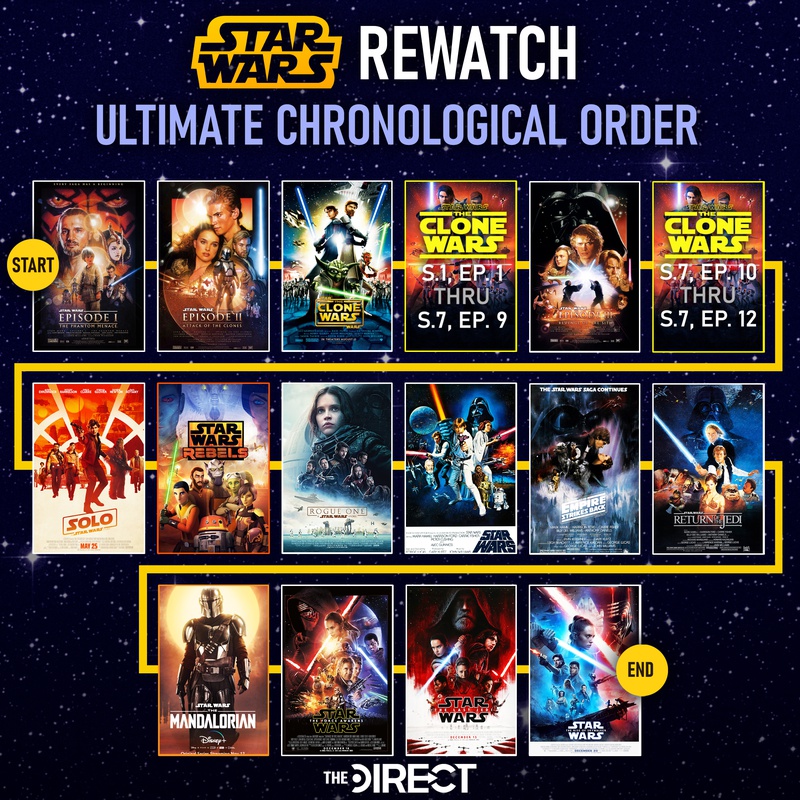
Episode V: The Empire Strikes Back (1980)
Considered by many to be the pinnacle of the saga, The Empire Strikes Back delves deeper into the character development and emotional stakes. Luke Skywalker continues his Jedi training with Yoda, while Han Solo, Princess Leia, and Chewbacca face the relentless pursuit of Darth Vader. The film is renowned for its darker themes, surprising twists, and the iconic revelation of Darth Vader’s true parentage. It demonstrates how a brand can evolve and mature, embracing complexity and offering more nuanced storytelling.
Episode VI: Return of the Jedi (1983)
Return of the Jedi concludes the original trilogy, bringing Luke Skywalker’s journey full circle. The Rebel Alliance launches a final, desperate assault on the second Death Star, while Luke confronts his father, Darth Vader, and the Emperor himself. The film explores themes of redemption, forgiveness, and the enduring power of family bonds, ultimately showcasing the triumph of good over evil. This film solidified the core Star Wars mythology and provided a satisfying, albeit not entirely definitive, conclusion to the initial narrative arc.
Beyond the Skywalker Saga: Expanding the Galactic Tapestry
While the Skywalker saga forms the backbone, the Star Wars universe has expanded significantly with animated series, live-action shows, and further films, all contributing to the richer understanding of its lore and brand. These additions, when viewed chronologically, offer new perspectives and deepen the audience’s engagement with the established universe.
The Clone Wars (Animated Series, 2008-2020)
The Clone Wars animated series fills the gap between Attack of the Clones and Revenge of the Sith. It delves deeply into the conflict that ravaged the Republic, showcasing the heroism of Jedi Knights like Obi-Wan Kenobi and Anakin Skywalker, as well as introducing compelling new characters like Ahsoka Tano and Captain Rex. The series explores the moral complexities of war and the toll it takes on individuals, offering a richer understanding of the characters and events that lead to the Empire’s rise. For brand building, this demonstrates how expanding a narrative through different media can create deeper connections and wider appeal.
Star Wars Rebels (Animated Series, 2014-2018)
Set in the years leading up to A New Hope, Star Wars Rebels follows a fledgling Rebel cell known as the Ghost crew. This series connects directly to the events of Rogue One and introduces key figures and storylines that foreshadow the larger rebellion. It emphasizes the themes of hope, found family, and the struggle against overwhelming odds, further cementing the brand’s commitment to these core values.
Episode VII: The Force Awakens (2015)
Decades after the fall of the Galactic Empire, The Force Awakens introduces a new generation of heroes and villains. Rey, a scavenger from Jakku, Finn, a former stormtrooper, and Poe Dameron, a skilled pilot, join forces with familiar faces like Han Solo and Chewbacca to combat the threat of the First Order, a successor to the Empire. This film revitalizes the franchise, introducing new characters and themes while paying homage to the original trilogy. It signifies a brand’s ability to successfully reinvent itself for new audiences while retaining its core identity.
Episode VIII: The Last Jedi (2017)
The Last Jedi continues the story of Rey and her journey to become a Jedi. It explores themes of failure, legacy, and the complexities of heroism, offering a more nuanced and deconstructive approach to traditional Star Wars tropes. The film challenges established expectations and forces characters to confront their own limitations, showcasing a brand’s capacity for artistic evolution and intellectual engagement.

Episode IX: The Rise of Skywalker (2019)
The concluding chapter of the Skywalker saga, The Rise of Skywalker, brings together the threads of the past and present. It deals with the lingering threat of the resurrected Emperor Palpatine and the final confrontation between the forces of good and evil. The film aims to provide a sense of closure to the epic narrative, reinforcing the enduring themes of hope, redemption, and the importance of choosing one’s own path. This final installment highlights the importance of a cohesive long-term brand strategy, culminating in a definitive, albeit debated, conclusion.
In conclusion, the chronological order of Star Wars movies offers a narrative journey that not only entertains but also provides profound insights into the construction of a powerful and enduring brand. From the seeds of conflict sown in the prequels to the galaxy-spanning battles of the original and sequel trilogies, each installment contributes to a rich tapestry of storytelling. Understanding this order allows for a deeper appreciation of character arcs, thematic resonance, and the meticulous world-building that has cemented Star Wars as a cultural touchstone. It is a testament to the power of a well-executed narrative, demonstrating how a consistent vision and a commitment to compelling storytelling can create a brand that transcends generations and continues to inspire awe and wonder.
aViewFromTheCave is a participant in the Amazon Services LLC Associates Program, an affiliate advertising program designed to provide a means for sites to earn advertising fees by advertising and linking to Amazon.com. Amazon, the Amazon logo, AmazonSupply, and the AmazonSupply logo are trademarks of Amazon.com, Inc. or its affiliates. As an Amazon Associate we earn affiliate commissions from qualifying purchases.