
The Star Wars saga, a cultural phenomenon that has captivated audiences for decades, is more than just a series of beloved films. It represents a significant technological milestone in filmmaking and has profoundly influenced the evolution of cinematic special effects, digital storytelling, and even the way we consume media. Examining the order in which these groundbreaking movies were released, and how that order was later recontextualized and expanded upon, offers a fascinating lens through which to appreciate the technological advancements that have defined the franchise and the broader entertainment industry.

The Original Trilogy: Pioneering Practical Effects and Groundbreaking Innovation
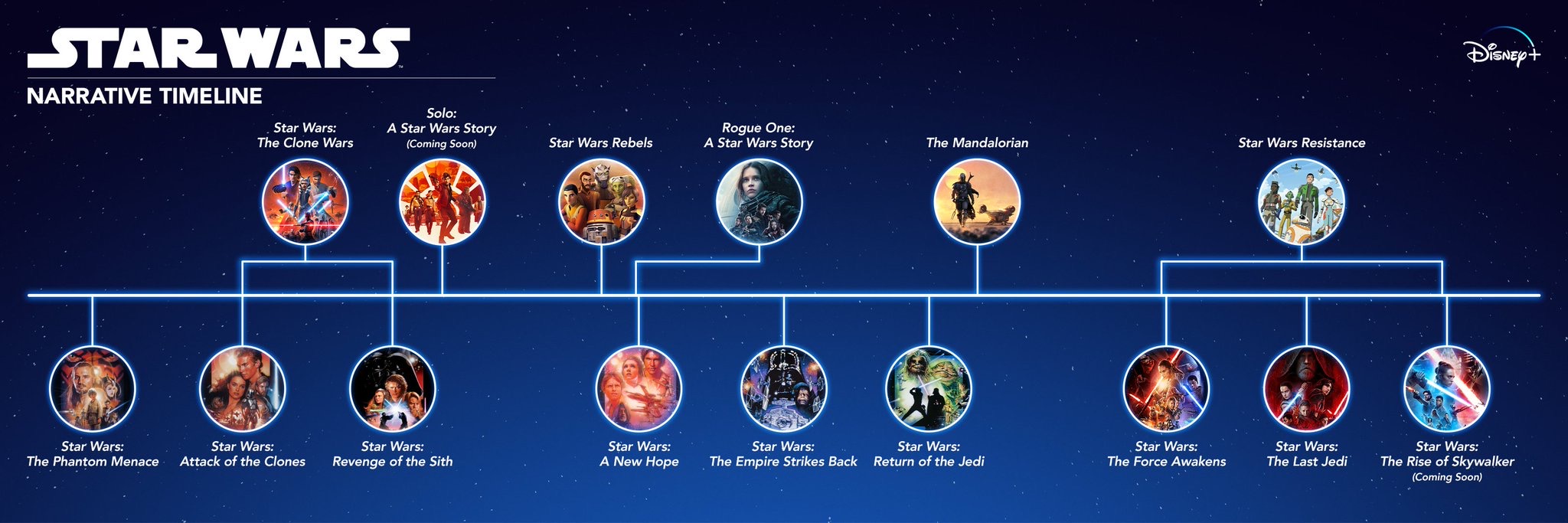
The initial foray into the galaxy far, far away, consisting of Star Wars: Episode IV – A New Hope (1977), Star Wars: Episode V – The Empire Strikes Back (1980), and Star Wars: Episode VI – Return of the Jedi (1983), was a masterclass in what was then cutting-edge practical effects and innovative filmmaking techniques. The technological limitations of the era were not barriers but rather catalysts for George Lucas and his teams to invent solutions that would redefine visual storytelling.
The Dawn of Digital: ILM and the Birth of a Visual Effects Powerhouse
Industrial Light & Magic (ILM), founded by George Lucas specifically to create the visual effects for the original Star Wars, quickly became the industry’s leading innovator. The effects in A New Hope, while seemingly rudimentary by today’s standards, were revolutionary.
- Rotoscoping and Model Work: The intricate spaceship battles, laser blasts, and the iconic Millennium Falcon were achieved through a combination of meticulously crafted miniature models, sophisticated camera rigs, and techniques like rotoscoping, where animators traced over live-action footage frame by frame to create animated elements. This painstaking process allowed for the illusion of depth and movement in space.
- Motion Control Photography: To achieve the seamless integration of live actors with miniature spacecraft, ILM developed and refined motion control camera systems. This allowed for precise, repeatable camera movements that could be layered with multiple passes of miniature footage, creating the illusion of complex aerial choreography.
- Sound Design Evolution: Beyond visuals, the sound design of Star Wars was equally groundbreaking. The distinctive hum of lightsabers, the roar of TIE fighters, and the guttural growls of Chewbacca were meticulously crafted through innovative sound mixing and Foley artistry, setting new standards for immersive audio experiences.
Pushing the Boundaries: The Empire Strikes Back and Return of the Jedi
The sequels to A New Hope continued to push the envelope, building upon the technological foundations laid by their predecessor.
- Hoth’s Frozen Wasteland: The blizzard-ravaged battle on Hoth in The Empire Strikes Back utilized extensive matte paintings and forced-perspective miniature effects to create a believable and vast alien landscape. The sheer scale of the AT-AT walkers was conveyed through clever camera angles and the seamless integration of practical models.
- The Jabba the Hutt Puppet: The complex animatronic puppet of Jabba the Hutt in Return of the Jedi was a marvel of practical effects engineering, showcasing advanced puppetry and articulation that brought the slug-like gangster to life with a frightening realism.
- Digital Integration Begins: While primarily practical, Return of the Jedi also saw early forays into digital compositing, subtly enhancing existing effects and paving the way for future digital revolutions.
The Prequel Trilogy: The Digital Revolution Takes Hold
The release of the prequel trilogy – Star Wars: Episode I – The Phantom Menace (1999), Star Wars: Episode II – Attack of the Clones (2002), and Star Wars: Episode III – Revenge of the Sith (2005) – marked a seismic shift in filmmaking technology, with Star Wars at the forefront of this digital transformation. George Lucas, a visionary who had embraced early computer technology, fully unleashed its potential in these films.
The Dawn of Digital Cinematography and CGI Dominance

The prequel trilogy represents one of the most significant transitions from practical to digital filmmaking in history. This shift was driven by a desire for greater creative freedom and the ability to realize visions that were previously impossible.
- Fully Digital Workflow: Attack of the Clones was notably the first major motion picture to be filmed entirely with digital cameras. This eliminated the need for film stock, allowed for greater flexibility in shooting, and provided a cleaner image for post-production manipulation.
- Extensive Computer-Generated Imagery (CGI): The prequel trilogy saw an unprecedented reliance on CGI. Entire planets, alien races, vast armies, and complex spacecraft were brought to life through digital artistry. This allowed for the creation of entirely new worlds and the expansion of the Star Wars universe beyond the confines of practical limitations.
- Digital Sets and Environments: From the bustling metropolises of Coruscant to the lush landscapes of Naboo, digital environments replaced many traditional sets, offering a level of detail and scope previously unimaginable.
- Digital Characters: The creation of characters like Jar Jar Binks and the droid armies showcased advancements in digital character animation, though the reception of some of these early CGI characters was, at times, mixed, highlighting the learning curve involved.
- Digital Puppetry: Even characters that mimicked traditional puppetry, like Yoda in the prequels, were entirely digitally rendered, allowing for more expressive and dynamic performances.
The Evolution of Digital Effects and Animation
The technological leaps in CGI during the prequel era were astounding. ILM continued to innovate, developing new software and techniques to meet the demands of Lucas’s ambitious vision.
- Advanced Rendering and Simulation: The ability to render complex lighting, textures, and physics simulations improved dramatically, leading to more photorealistic digital creations.
- Motion Capture and Performance Animation: While not as pervasive as in later films, motion capture technology began to be explored, allowing for more nuanced performances to be translated into digital characters.
- The “Digital Backlot” Concept: The prequel trilogy effectively created a “digital backlot,” where virtually every element of the film could be created and manipulated on computers, offering unparalleled control over the final image.
The Sequel Trilogy and Beyond: The Convergence of Digital and Practical
The post-Lucas era of Star Wars, beginning with Star Wars: Episode VII – The Force Awakens (2015) and continuing through Star Wars: Episode VIII – The Last Jedi (2017), Star Wars: Episode IX – The Rise of Skywalker (2019), and the various standalone films and Disney+ series, has embraced a more balanced approach, strategically blending cutting-edge digital technologies with a renewed appreciation for practical effects.
A Strategic Blend: Reintroducing Practicality in a Digital Age
Recognizing the unique appeal and tangible realism that practical effects can bring, the newer Star Wars productions have made a conscious effort to reintegrate them, creating a richer and more immersive cinematic experience.
- Hybrid Approach to Visuals: While CGI remains a vital tool, there’s a deliberate focus on using it to enhance, rather than completely replace, physical elements. This involves building more full-scale sets, using detailed miniatures, and employing practical creatures and costumes alongside digital enhancements.
- Focus on Tangible Worlds: For instance, the desert planet of Jakku in The Force Awakens featured large-scale practical sets and meticulously crafted props, providing a grounded realism that is harder to achieve with purely digital construction.
- Advanced Animatronics and Prosthetics: The use of advanced animatronics and prosthetics has seen a resurgence, allowing for more believable and expressive creature and character designs to interact directly with actors on set.
The Impact of New Technologies on Storytelling and Distribution
The technological landscape has continued to evolve, impacting not only how Star Wars is made but also how it is experienced by audiences.
- Virtual Production and Real-Time Rendering: Technologies like virtual production, which utilize LED screens to display dynamic backgrounds in real-time, have begun to influence how sets are designed and filmed, offering directors and actors more immersive environments.
- Dolby Atmos and Immersive Sound: The evolution of audio technology, particularly with Dolby Atmos, has allowed for even more sophisticated and immersive soundscapes, further drawing audiences into the Star Wars universe.
- Streaming and On-Demand Consumption: The rise of streaming platforms has fundamentally changed how audiences access and consume content. Star Wars properties are now readily available through Disney+, offering a convenient and accessible way for new generations to discover the saga and for long-time fans to revisit their favorites, marking a significant technological shift in media distribution.
- The Metaverse and Interactive Experiences: As virtual and augmented reality technologies mature, the potential for interactive Star Wars experiences within metaverse environments or through AR applications offers new frontiers for fan engagement, pushing the boundaries of digital storytelling into new dimensions.
In conclusion, the chronological order of the Star Wars movies is intrinsically linked to the technological evolution of filmmaking. From the groundbreaking practical effects of the original trilogy to the digital revolution of the prequels and the sophisticated hybrid approach of modern productions, each era of Star Wars filmmaking represents a significant step forward in visual effects, digital artistry, and the very fabric of cinematic creation. Understanding this progression allows us to appreciate not only the enduring magic of the story but also the remarkable technological journey that has brought this galaxy far, far away to life.
aViewFromTheCave is a participant in the Amazon Services LLC Associates Program, an affiliate advertising program designed to provide a means for sites to earn advertising fees by advertising and linking to Amazon.com. Amazon, the Amazon logo, AmazonSupply, and the AmazonSupply logo are trademarks of Amazon.com, Inc. or its affiliates. As an Amazon Associate we earn affiliate commissions from qualifying purchases.