
In the complex tapestry of global commerce and brand psychology, numbers are never merely mathematical symbols. They are cultural artifacts, psychological triggers, and silent brand ambassadors that can determine the success or failure of a product launch in international markets. When exploring the intersection of branding and cultural symbolism, the number four stands out as a singular, often dreaded digit. In many East Asian cultures—specifically in China, Japan, Korea, and Taiwan—the number four is the definitive numeric representation of death. Understanding this phenomenon is not just a lesson in linguistics; it is a critical requirement for any brand attempting to navigate the complexities of global market entry and corporate identity.
The Linguistic Curse of Tetraphobia
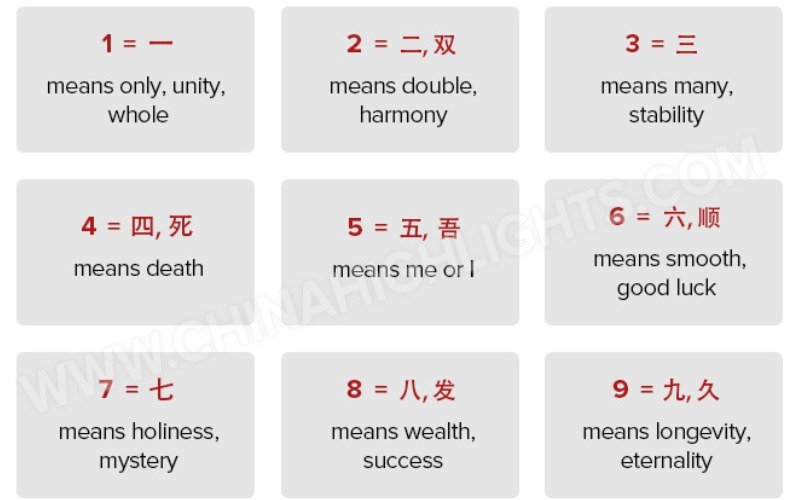
At the heart of why the number four represents death lies the concept of phonetic similarity. In Mandarin, Cantonese, and Japanese, the pronunciation of the number four is strikingly similar to the word for “death.” In Mandarin, the word for four is “sì,” while the word for death is “sǐ.” The difference is merely in the tone, a nuance that is often lost or blurred in rapid speech, making the association immediate and visceral for native speakers.
The Impact on Consumer Perception
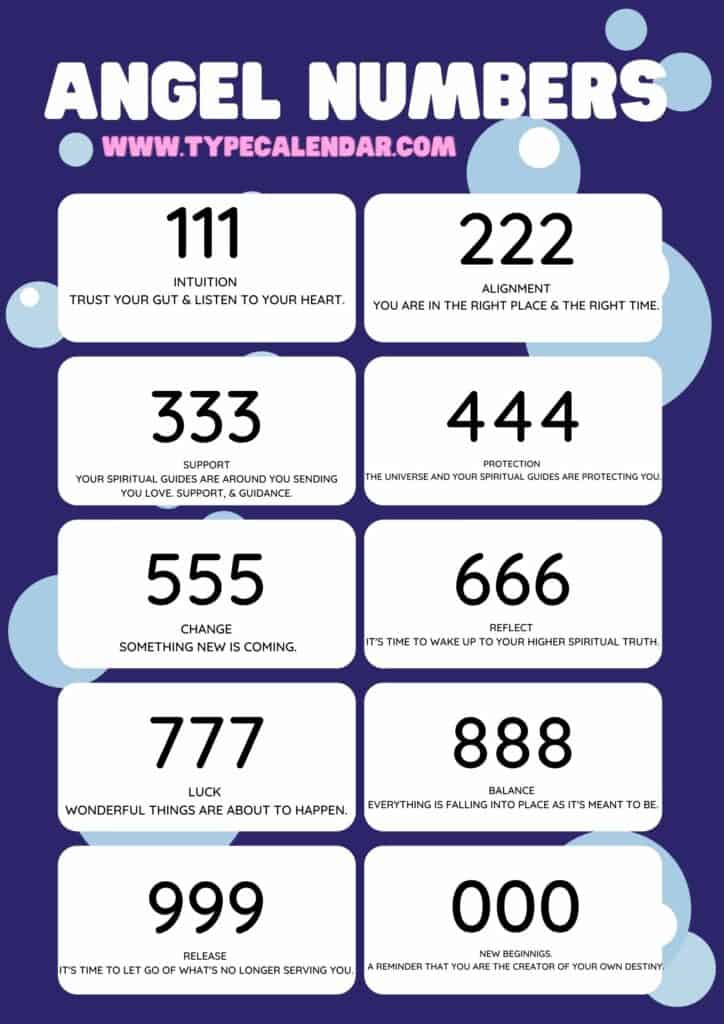
For a brand, a name or a price point containing the number four can trigger an instantaneous negative psychological reaction known as tetraphobia—an irrational fear or aversion to the number four. When a product is priced at $444 or a brand uses the number four in its identity, it does not just seem unlucky; to a segment of the global consumer base, it seems ominous. Brands that ignore this linguistic trap risk alienating large swaths of the demographic, turning a simple price tag or model number into a reason for a customer to walk away.
Cultural Integration and Avoiding the “Unlucky” Label
Successful global brands understand that brand identity is flexible. While a company might use a numerical branding strategy in Western markets, they often perform “localization audits” before entering Asian markets. This involves stripping the number four from pricing tiers, software versioning, and even physical addresses. By respecting the deep-seated cultural anxiety surrounding the number, brands demonstrate a level of sophistication and empathy that builds trust with local consumers.
Branding in the Digital and Physical Space
When we look at how branding interacts with numerical symbols, we see how the “death” association of the number four dictates architecture, product design, and software release cycles. The phenomenon is so pervasive that it has shifted the way businesses operate in real-time environments.
The Missing Floor Strategy
In many high-end skyscrapers and luxury hotels across Asia, the fourth floor is frequently omitted entirely from the elevator panel. It jumps directly from the third floor to the fifth, or in some cases, the floor is labeled “3A.” This architectural decision is a strategic branding move. Real estate developers realize that the perceived value of a property is tied to the psychological comfort of the buyer. A “fourth floor” is viewed as a “death floor,” which inevitably leads to decreased property value and lower occupancy rates. By removing the number, the developer effectively removes the stigma, protecting the brand equity of the building.
Product Versioning and Digital Assets
In the tech sector, specifically within software development and mobile hardware, version numbers are a core part of product branding. Many tech giants have famously skipped version 4.0 in their releases when targeting specific international markets. This is a deliberate brand strategy to avoid the negative connotations associated with the number. When a user sees a software version jump from 3.9 to 5.0, they rarely question the logic; however, if they were confronted with a version titled with a symbol for “death,” the brand perception would shift from “innovative” to “cursed” or “careless.” Managing these numerical signifiers is a subtle but essential component of maintaining a premium brand identity.
Financial Symbolism and Pricing Strategies
In the realm of finance and retail, numbers carry weight beyond their face value. Pricing strategies are a pillar of marketing, and the inclusion of “death numbers” can destabilize an otherwise perfect pricing model.
The Psychology of Pricing
Retailers often use the “.99” pricing tactic to psychologically lower the perceived cost of an item. However, in regions where the number four is taboo, retailers have to be incredibly careful. If a product that would typically retail for $44.44 is brought to market, it is not just a price point; it is a symbolic disaster. Such a number is perceived as highly inauspicious. Brands that fail to adjust their global pricing structures to fit local cultural superstitions often find their conversion rates plummeting in these regions for reasons that data analysts might struggle to identify if they aren’t accounting for cultural numerology.
Corporate Identity and Numerical Branding
Even in the choice of a company name, numbers can be a liability. If a startup chooses to name their venture with a numerical focus, they must conduct a global risk assessment. Does the number evoke progress, speed, and efficiency, or does it evoke the finality of death? A brand that builds its entire identity around a number that represents death in its largest potential market is effectively setting a ceiling on its own growth. Smart brand strategy involves the linguistic vetting of every number, color, and icon used in a brand’s visual and verbal identity to ensure it doesn’t accidentally trigger a negative cultural response.
Beyond Superstition: The Strategic Imperative
The association of the number four with death is more than a trivial piece of trivia; it is a fundamental pillar of cross-cultural communication. In a world where businesses operate across borders with a single click, branding is no longer a localized endeavor. It is a global dialogue.
Empathy as a Competitive Advantage
Companies that take the time to understand why the number four represents death are the same companies that generally succeed in foreign markets. This understanding is a form of brand empathy. It suggests that the brand is not merely an external entity pushing products into a space, but an intelligent participant that respects the history, language, and belief systems of its audience. This creates a stronger emotional connection between the brand and the consumer, which is the holy grail of marketing.

Building a Resilient Brand Identity
To build a brand that resonates on a global scale, one must look at every detail of the identity. From the numbers in a phone number or address to the quantities mentioned in marketing collateral, every detail counts. By intentionally avoiding symbols that are culturally coded as negative, a brand signals its intent to provide a seamless, positive experience for its customers. When a company ignores these cultural codes, it risks being perceived as “the outsider” who doesn’t understand the market—a perception that can be fatal to long-term growth.
Ultimately, the power of a brand lies in its ability to communicate meaning without friction. Numbers are universal in their logic but local in their cultural interpretation. By acknowledging the heavy weight that the number four carries in various cultures, businesses can avoid the hidden pitfalls of bad branding. They can turn potentially alienating marketing materials into culturally nuanced, localized assets that speak to the heart of the consumer. In the competition for global market share, understanding the silent, numerical language of the consumer is the difference between a brand that persists and a brand that—like the number four itself—might simply be perceived as a dead end.
aViewFromTheCave is a participant in the Amazon Services LLC Associates Program, an affiliate advertising program designed to provide a means for sites to earn advertising fees by advertising and linking to Amazon.com. Amazon, the Amazon logo, AmazonSupply, and the AmazonSupply logo are trademarks of Amazon.com, Inc. or its affiliates. As an Amazon Associate we earn affiliate commissions from qualifying purchases.