
For millions of Americans, the dream of transformative wealth begins with a simple question: “What nights are Powerball drawings?” While the allure of the jackpot is often viewed through the lens of luck and fantasy, understanding the logistics, timing, and financial implications of the game is essential for any participant. Whether you are a casual player or someone interested in the broader economic impact of state-run lotteries, the scheduling of these drawings plays a pivotal role in how the jackpot grows and how the public engages with the prize pool.

The Powerball Drawing Schedule: When and Where to Watch
Since August 23, 2021, Powerball drawings have occurred three times a week. This shift from a bi-weekly to a tri-weekly schedule was a strategic move by the Multi-State Lottery Association (MUSL) to increase the frequency of drawings, thereby driving higher jackpots and increasing overall ticket sales.
The Three Weekly Drawings
Powerball drawings are held every Monday, Wednesday, and Saturday night at 10:59 p.m. Eastern Time. The consistency of these nights allows players to establish a routine, though the specific cutoff times for purchasing tickets vary by jurisdiction. In most participating states, ticket sales typically close one to two hours before the actual drawing. If you miss the cutoff, your ticket will be valid for the subsequent drawing.
Where Drawings Take Place
The drawings are conducted at the Florida Lottery studio in Tallahassee. They are overseen by independent auditors to ensure the integrity of the process. For those who want to watch the results in real-time, the drawings are broadcast on various local television stations and live-streamed on the official Powerball website. In the digital age, most players simply check the winning numbers via mobile apps or financial news outlets immediately following the event.
The Impact of Frequency on the Jackpot
The addition of the Monday drawing was a calculated financial decision. By adding a third night, the lottery ensures that the jackpot rolls over more frequently if no one hits the grand prize. This creates a “snowball effect,” where the prize pool reaches the hundreds of millions—and occasionally billions—much faster than it did under the previous schedule. From a personal finance perspective, these massive jackpots often trigger “lottery fever,” leading individuals who do not normally play to enter the market.
The Financial Mechanics: How the Prize Pool is Managed
To understand the Powerball drawing nights, one must also understand what happens behind the scenes with the capital collected from ticket sales. Powerball is not just a game of chance; it is a massive financial engine that reallocates billions of dollars annually.
Revenue Allocation
Every $2 Powerball ticket sold is divided among several beneficiaries. Approximately 50% of the ticket price goes back to the players in the form of prizes. The remaining 50% is split between the commissions for the retailers who sell the tickets, the operational costs of running the lottery, and, most importantly, the state governments. Most participating states earmark lottery revenue for public initiatives such as education, infrastructure, and senior citizen services. This makes the lottery a unique form of voluntary taxation.
Understanding the Odds and Probability
While the drawings happen three times a week, the odds of winning the jackpot remain constant at 1 in 292.2 million. To put this into a financial context, you are significantly more likely to be struck by lightning or to become a professional athlete than you are to hold the winning ticket. From a wealth-building perspective, the “investment” in a lottery ticket has a negative expected value. However, the psychological “hope value” is what drives the consistent participation seen every Monday, Wednesday, and Saturday.
The Power Play Multiplier
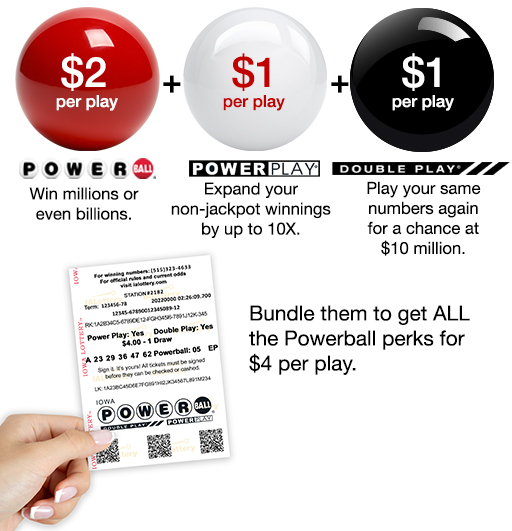
For an additional $1 per play, participants can opt for the “Power Play” feature. This does not change the jackpot amount but multiplies non-jackpot prizes by 2, 3, 4, 5, or 10 times. On drawing nights, a separate Power Play number is selected. This feature is a classic example of an upselling strategy in business finance, increasing the average transaction value per customer while offering a perceived increase in value for the player.
Lump Sum vs. Annuity: The Critical Financial Choice
If your numbers are called on a Monday, Wednesday, or Saturday night, you are immediately faced with the most significant financial decision of your life: how to receive the money. The choice between a one-time lump sum payment and a 30-installment annuity has profound implications for tax liability and long-term wealth management.
The Cash Option (Lump Sum)
The “cash option” is the amount of money currently in the Powerball prize pool required to fund the jackpot. It is significantly lower than the advertised jackpot, which represents the total value of the annuity over 30 years. Most winners choose the lump sum because it provides immediate liquidity. From an investment standpoint, many believe they can achieve a higher rate of return by investing the lump sum themselves rather than letting the lottery commission manage the funds.
The Annuity Option
The annuity option consists of 30 graduated payments over 29 years. Each payment is 5% larger than the previous one. This option is designed to protect winners from “lottery curse”—the phenomenon where winners spend their entire fortune within a few years. An annuity provides a guaranteed income stream, which can be a safer financial move for those without experience managing large sums of capital. Furthermore, it can offer a hedge against future tax increases, although it also carries the risk that tax rates could be higher in the future.
Tax Implications
Regardless of the payout method, the IRS considers lottery winnings ordinary income. This means the top federal tax bracket (currently 37%) will apply to the vast majority of the prize. Additionally, many states levy their own taxes on lottery winnings, ranging from 0% in states like Florida or Texas to over 8% in states like New York. When calculating the “real” value of a drawing, savvy players must subtract roughly 40-50% for taxes to understand their actual take-home wealth.
Integrating the Lottery into a Responsible Personal Finance Plan
While the dream of winning the Powerball is enticing, it should never be a cornerstone of a financial plan. Professional financial advisors categorize lottery play as “entertainment spending” rather than “investing.”
Budgeting for Entertainment
The most sustainable way to engage with Powerball drawings is to include them in your monthly discretionary budget. If you have allocated $50 a month for movies or dining out, using a portion of that for lottery tickets is acceptable. However, using funds intended for rent, retirement contributions, or emergency savings is a red flag for financial instability.
The Opportunity Cost of Playing
Consider the opportunity cost of playing the lottery regularly. If an individual spends $10 a week on Powerball tickets (roughly the cost of playing all three drawings with one ticket each), they are spending $520 a year. If that same $520 were invested in a low-cost S&P 500 index fund with an average annual return of 7%, after 30 years, that investment would be worth approximately $52,000. While $52,000 is not a billion-dollar jackpot, it is a guaranteed financial asset that the lottery cannot offer.
Protecting Your Identity and Assets
On the off chance that you do win during a Monday, Wednesday, or Saturday drawing, the first step is not to celebrate, but to secure your financial future. This includes signing the back of the ticket (unless you plan to claim it through a trust), keeping the win confidential, and assembling a team of professionals. A tax attorney, a certified public accountant (CPA), and a fee-only financial advisor are essential for navigating the complexities of sudden wealth.
Security, Scams, and Public Perception
As the popularity of Powerball continues to grow, so does the prevalence of lottery-related financial scams. Understanding the official drawing schedule and procedures is the first line of defense against fraud.
Identifying Scams
Common scams involve notifications via email, text, or social media claiming that you have won a prize and must pay a “processing fee” or “taxes” upfront to claim it. It is important to remember that legitimate lotteries never ask for money to release a prize. You must have purchased a ticket for the specific drawing night in question to be eligible to win.
The Legal Landscape of Anonymity
Only a handful of states allow Powerball winners to remain anonymous. In many jurisdictions, the winner’s name, city of residence, and the amount won are public record. This transparency is intended to maintain public trust in the lottery system, but it can pose a significant security risk to the winner. For those living in states that require public disclosure, financial planning often involves creating legal entities like an LLC or a “blind trust” to claim the prize, providing a layer of privacy for the individual’s personal finances.
Conclusion
Knowing what nights Powerball drawings are—Monday, Wednesday, and Saturday—is just the beginning of understanding the complex world of the lottery. While these drawings represent a chance at unimaginable wealth, they are also a significant part of the American economic landscape, funding state programs and influencing consumer behavior. By approaching the lottery with a clear understanding of the odds, a firm grasp of the tax implications, and a commitment to responsible personal finance, players can enjoy the excitement of the draw without jeopardizing their financial stability. The true path to wealth remains consistent saving, diversified investing, and informed financial decision-making, regardless of which numbers fall from the drum on drawing night.
aViewFromTheCave is a participant in the Amazon Services LLC Associates Program, an affiliate advertising program designed to provide a means for sites to earn advertising fees by advertising and linking to Amazon.com. Amazon, the Amazon logo, AmazonSupply, and the AmazonSupply logo are trademarks of Amazon.com, Inc. or its affiliates. As an Amazon Associate we earn affiliate commissions from qualifying purchases.