
The search query “what movies out in theaters” typically yields a list of titles, showtimes, and trailers. However, beneath the surface of these digital listings lies a sophisticated technological ecosystem that has fundamentally transformed the way films are distributed, projected, and experienced. The modern theater is no longer just a room with a projector and a screen; it is a high-tech hub of digital signal processing, laser optics, and data-driven logistics. Understanding what is currently playing in theaters requires an exploration of the hardware and software that make the contemporary theatrical window possible.
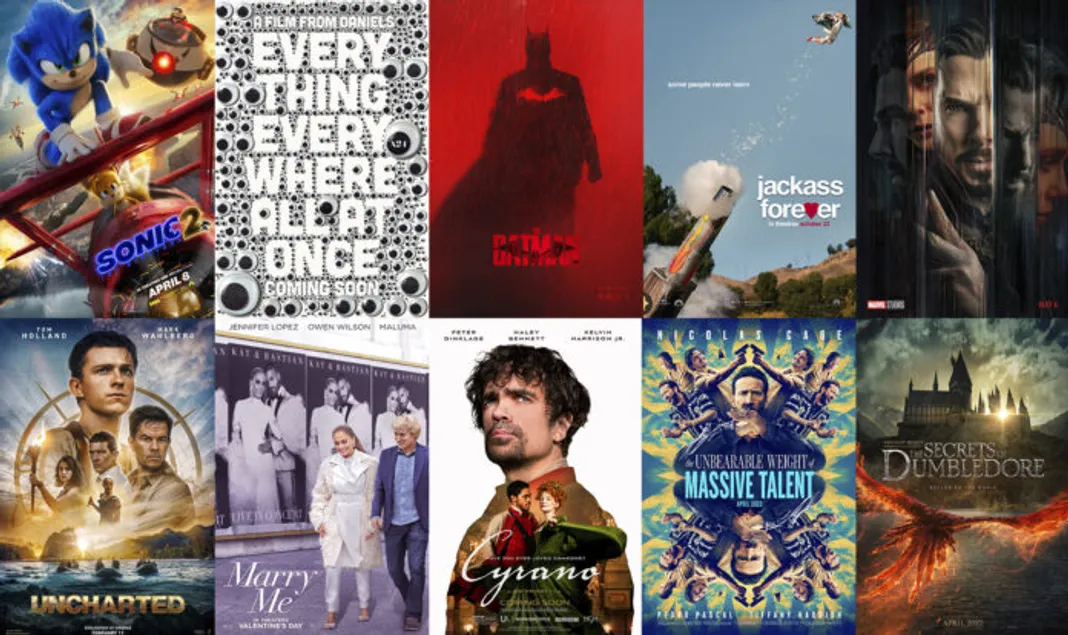
From the transition from physical film to Digital Cinema Packages (DCP) to the implementation of artificial intelligence in box office forecasting, technology dictates every aspect of the theatrical experience. As we look at the current landscape, the “what” of cinema is inextricably linked to the “how.”
The Digital Backbone: From Celluloid to Laser Projection
The most significant technological shift in the history of cinema occurred over the last two decades as the industry moved from 35mm celluloid film to digital distribution. Today, when a movie is “out in theaters,” it exists as a massive encrypted data file known as a Digital Cinema Package (DCP).
The Rise of 4K and 8K Digital Cinema Packages (DCP)
A DCP is essentially the digital equivalent of a film print. It consists of a folder containing subfolders for image sequences, audio tracks, and metadata. Unlike home streaming, which uses heavy compression (like H.264 or HEVC), DCPs use JPEG 2000 encoding. This allows for visually lossless quality, supporting high bitrates that ensure the image remains crisp even on screens sixty feet wide.
Modern theaters are increasingly moving toward 4K resolution as the standard. While 2K was the norm for years, the demand for visual fidelity has pushed hardware manufacturers like Christie, Barco, and Sony to develop 4K projectors that can handle high dynamic range (HDR) content. This technology allows for deeper blacks and brighter highlights, mimicking the human eye’s ability to perceive contrast in a way that previous digital formats could not.
Laser Projection vs. Traditional Xenon Lamps
The current “state of the art” in theaters is defined by laser projection. For decades, projectors relied on Xenon arc lamps, which were expensive, generated immense heat, and dimmed over time. Laser phosphor and RGB pure laser projectors have revolutionized the visual experience. RGB lasers, in particular, offer a wider color gamut, reaching the Rec. 2020 color space, which provides colors that were previously impossible to reproduce in a theater. When audiences seek out the best version of a movie currently in theaters, they are increasingly looking for “Laser” designations, which signify a brighter, more color-accurate presentation.
Immersive Soundscapes: Engineering the Auditory Journey
What we hear in a theater is just as technologically complex as what we see. The evolution of sound technology has moved from channel-based audio (like 5.1 or 7.1 surround sound) to object-based audio, which treats every sound effect as an individual entity in a 3D space.
Object-Based Audio and Dolby Atmos
Dolby Atmos is the gold standard for modern theatrical sound. Unlike traditional systems that send sound to specific speakers, Atmos allows sound engineers to place “objects” anywhere in the room. In a theater equipped with Atmos, a helicopter sound doesn’t just move from the left speaker to the right; it moves across the ceiling and vibrates through specific zones of the auditorium.
This is made possible by sophisticated rendering software built into the theater’s audio processor. The processor knows exactly how many speakers are in the room and where they are positioned, allowing it to calculate the precise timing and volume for each speaker to create a seamless sonic environment. This technological leap ensures that no matter where you sit, the “movies out in theaters” sound as immersive as the director intended.
The Physics of Acoustic Design in Modern Auditoriums
Beyond the speakers themselves, the architecture of the modern theater is a feat of acoustic engineering. Computational fluid dynamics and acoustic modeling software are used during the construction phase to ensure that sound waves are absorbed or diffused correctly. This prevents standing waves and echoes that could muddy the dialogue. High-tech materials, such as micro-perforated screens and specialized wall treatments, are utilized to ensure that the sound system’s power is translated into clarity rather than noise.
The Algorithm of the Marquee: AI and Data Analytics in Film Distribution

Deciding which movies are out in theaters and for how long is no longer a matter of human intuition alone. Studios and theater chains now rely on complex data analytics and machine learning algorithms to optimize their programming.
Predicting Box Office Success with Machine Learning
Companies like Gower Street Analytics and Cinelytic use AI to predict how a movie will perform in specific regions. These tools analyze historical data, social media sentiment, trailer engagement metrics, and even the “star power” of the cast to provide theaters with a roadmap for scheduling. If a specific genre is trending in a particular demographic, the software might suggest increasing the number of showtimes for a mid-budget thriller over a traditional blockbuster.
This algorithmic approach helps theater chains manage their most valuable resource: screen time. By using predictive modeling, theaters can maximize their revenue per seat, ensuring that the titles “out in theaters” are the ones the local audience is most likely to pay for.
Personalization in Ticketing Apps and Discovery Platforms
The interface through which a consumer discovers what is out in theaters—be it the AMC app, Regal, or Fandango—is driven by sophisticated recommendation engines. These platforms use collaborative filtering and content-based filtering, similar to Netflix or Amazon, to suggest movies based on a user’s purchase history. If a user frequently buys tickets for IMAX screenings of sci-fi films, the app will prioritize similar upcoming releases in its UI. This digital layer of the theater experience streamlines the path from “curiosity” to “ticket purchase.”
Future Tech: Beyond the Standard Screen
The theatrical experience is currently undergoing a “sensory expansion,” as theaters look for ways to offer experiences that cannot be replicated in a home environment. This involves hardware that engages more than just sight and sound.
The Integration of Haptic Feedback and 4DX
4DX and D-BOX technologies are becoming standard features in premium large-format (PLF) theaters. These systems use synchronized motion seats that tilt, vibrate, and heave in coordination with the action on screen. Furthermore, 4DX theaters utilize environmental effects—such as wind, water spray, fog, and even scent dispensers—controlled by a central computer that reads a dedicated “motion track” included in the DCP. This integration of robotics and environmental control systems turns a movie into a multisensory event.
ScreenX and Multi-Projection Environments
ScreenX is another technological innovation aimed at increasing immersion. It uses a multi-projection system that expands the image onto the side walls of the theater, providing a 270-degree panoramic view. This requires specialized software to stitch the images together seamlessly and ensure that the peripheral content doesn’t distract from the main action on the center screen. While only certain segments of a film are typically optimized for ScreenX, the technology represents a significant shift toward “environmental” cinema.
Cybersecurity and Digital Rights Management in Theatrical Distribution
One of the most overlooked aspects of the movies currently out in theaters is the technology required to protect them. Piracy is a multi-billion dollar threat to the film industry, and the digital nature of modern cinema requires robust security protocols.
Key Delivery Messages (KDM)
When a theater receives a DCP, they cannot simply “play” the movie. The file is encrypted using the AES-128 standard. To unlock the content, the theater must receive a Key Delivery Message (KDM). A KDM is a specialized security key that is unique to a specific projector’s media block and a specific time window. This ensures that a movie can only be played in the specific auditorium it was licensed for, during the hours it was scheduled.
Forensic Watermarking
To combat “camming” (recording a movie with a camera in the theater), modern projectors embed forensic watermarks into the image and audio. These watermarks are invisible and inaudible to the audience but can be detected if the footage is uploaded online. This metadata includes the date, time, and specific theater location, allowing studios to track the source of a leak back to its origin.

Conclusion
The question of “what movies out in theaters” is a gateway to an incredibly complex world of technological innovation. From the moment a film is encoded into a DCP to the moment its soundwaves are processed by an Atmos renderer, the experience is a triumph of digital engineering. As laser projection, AI-driven scheduling, and immersive haptics continue to evolve, the theater remains at the cutting edge of the tech world, offering a high-fidelity experience that continues to push the boundaries of sensory perception. The theater is no longer just a place to watch a story; it is an advanced digital environment designed for total immersion.
aViewFromTheCave is a participant in the Amazon Services LLC Associates Program, an affiliate advertising program designed to provide a means for sites to earn advertising fees by advertising and linking to Amazon.com. Amazon, the Amazon logo, AmazonSupply, and the AmazonSupply logo are trademarks of Amazon.com, Inc. or its affiliates. As an Amazon Associate we earn affiliate commissions from qualifying purchases.