
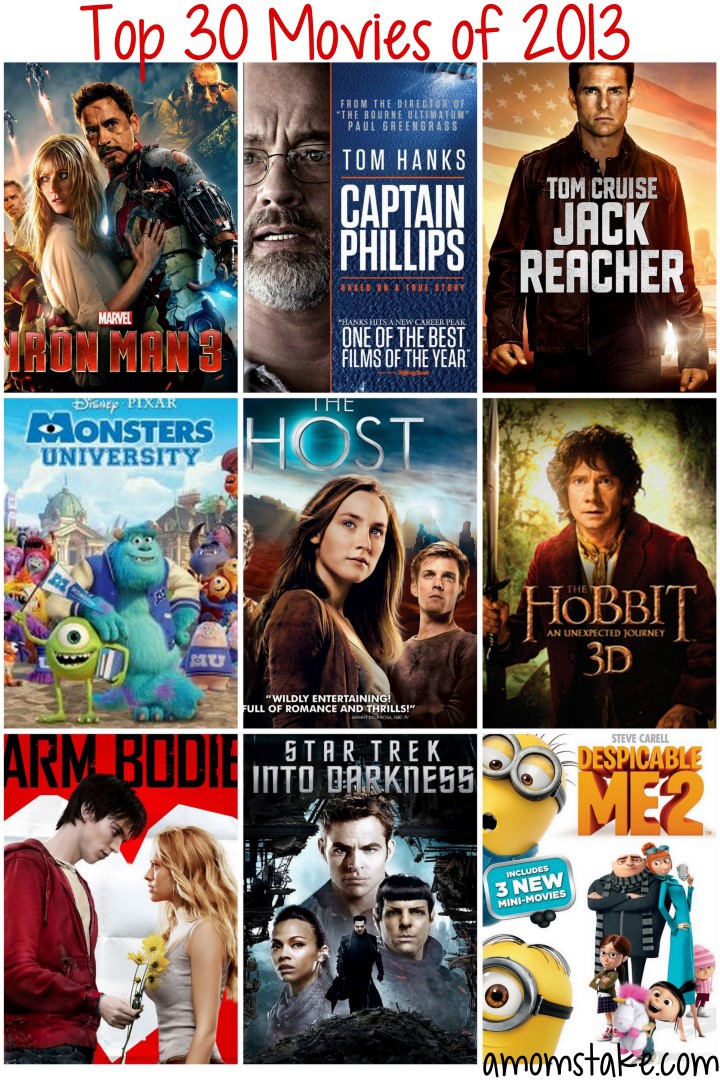
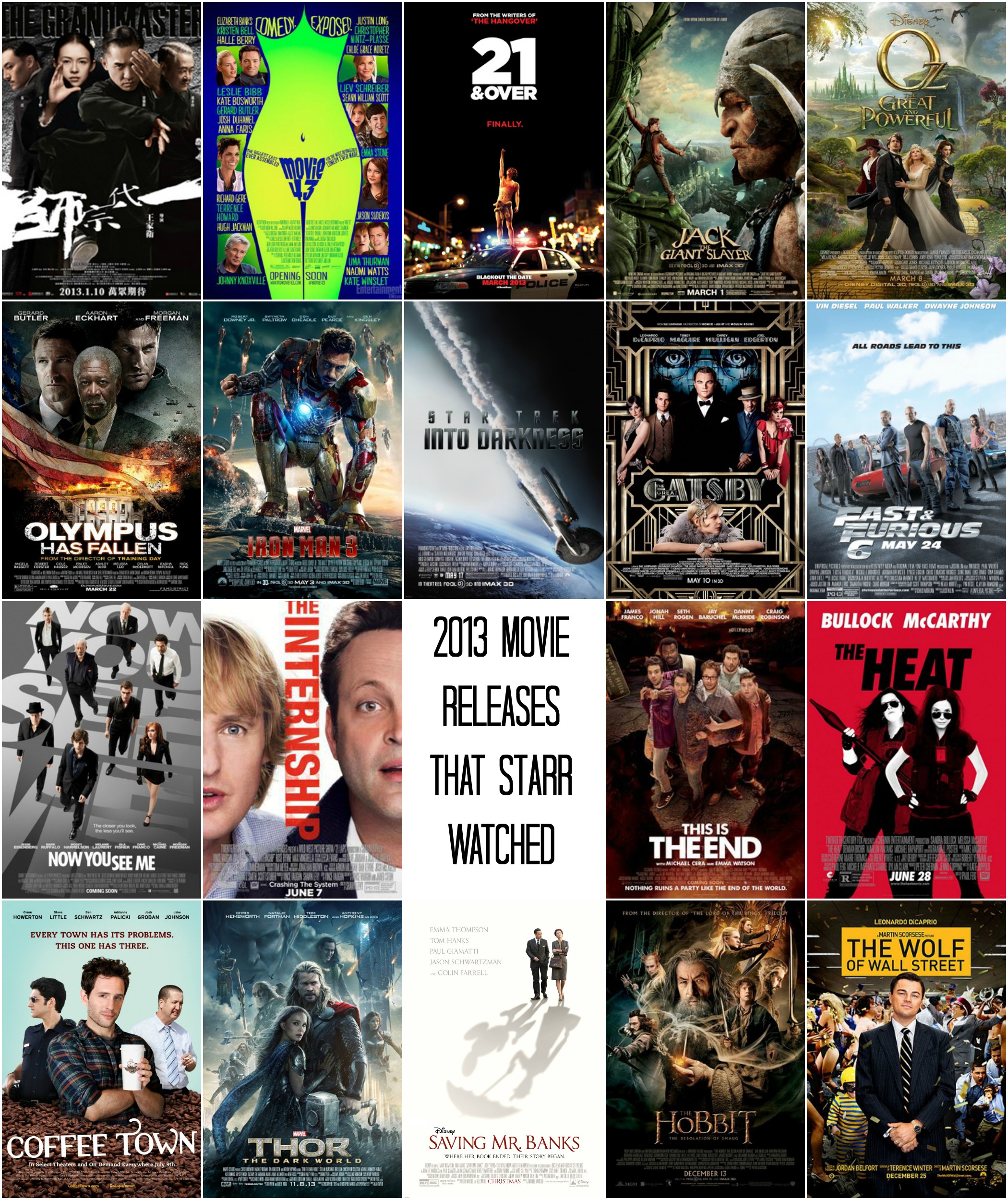
When we look back at the films that premiered in 2013, it is easy to focus solely on the narratives, the actors, and the box office records. However, from a technological standpoint, 2013 served as a pivotal frontier. It was the year when digital cinematography finally stepped out of the shadow of 35mm film, when visual effects (VFX) achieved a level of photorealism previously deemed impossible, and when the infrastructure of how we consume media underwent a fundamental shift toward the cloud. To understand what movies came out in 2013 is to understand a masterclass in the integration of hardware, software, and digital artistry.
The Evolution of Visual Effects and Digital Cinematography
By 2013, the transition from analog film to digital sensors had reached a tipping point. While purists still championed the organic grain of celluloid, the technical capabilities of digital cameras like the Arri Alexa and the RED Epic allowed directors to capture images in low-light environments and high-dynamic-range (HDR) scenarios that were previously inaccessible.
Gravity and the Revolution of Virtual Lighting
Perhaps no film better exemplifies the tech-heavy nature of 2013 cinema than Alfonso Cuarón’s Gravity. While it is categorized as a space thriller, it is more accurately described as a technical marvel. The production required the invention of entirely new technologies, most notably the “Lightbox.” This was a hollow cube outfitted with over 1.9 million individually controllable LED lights.
The Lightbox allowed the VFX team to project digital environments onto the actors’ faces in real-time, ensuring that the reflections in their helmets and the shadows on their skin perfectly matched the CGI Earth orbiting below them. This seamless integration of physical performance and digital rendering set a new benchmark for virtual production, a precursor to the “Volume” technology used in modern filmmaking today.
The Sophistication of Motion Capture: The Hobbit: The Desolation of Smaug
In 2013, the character of Smaug the dragon represented the pinnacle of motion-capture technology. Using Weta Digital’s proprietary software, the movements and facial expressions of Benedict Cumberbatch were translated into a massive, fire-breathing creature. This wasn’t just about “skinning” an actor; it involved complex muscle-firing simulations and skeletal constraints that allowed the digital creature to move with weight and intentionality. The “Subsurface Scattering” techniques used to render Smaug’s scales allowed light to penetrate and bounce within the digital skin, providing a lifelike quality that bridged the “uncanny valley.”
The Dawn of the Streaming Era: 2013 as a Tech Turning Point
While the multiplex was filled with blockbusters, a quieter but more significant technological revolution was happening in the living room. 2013 was the year that the concept of a “movie” began to decouple from the theater and the physical disc.
Netflix and the Disruptive Original Content Model
In early 2013, Netflix released House of Cards, followed by Orange is the New Black. While these were series, they were produced with cinematic budgets and shot on 4K digital formats—specifically the RED Epic—challenging the technical quality of traditional cinema. This shift forced the industry to rethink data compression and delivery.
The technology behind the “Netflix Algorithm” began to influence production decisions. By analyzing billions of data points regarding viewer habits, the tech giant could predict which genres, actors, and directing styles would resonate with specific demographics. This was the beginning of “Big Data” in creative production, a trend that has since become the industry standard for greenlighting multi-million dollar projects.
The Shift from Physical Media to Digital Infrastructure
2013 marked a significant decline in Blu-ray and DVD sales as cloud-based lockers and VOD (Video on Demand) platforms matured. The technical challenge shifted from manufacturing plastic discs to optimizing Bitrate and HEVC (High-Efficiency Video Coding). Engineers were tasked with delivering 1080p and early 4K content over residential internet connections that were often inconsistent. The movies of 2013 were the first generation of high-fidelity content designed to be “buffered” rather than “played,” necessitating advancements in Content Delivery Networks (CDNs) and edge computing.
Advancements in Audio and Post-Production Workflows
Cinema is an audiovisual medium, and the technological leaps of 2013 were not limited to what appeared on the screen. The “soundscape” of the movies released that year benefited from a move toward object-based audio.
Dolby Atmos and the Immersive Soundscape
While introduced slightly earlier, 2013 was the year Dolby Atmos saw widespread adoption in major releases like Man of Steel and Star Trek Into Darkness. Unlike traditional channel-based audio (5.1 or 7.1), Atmos treats sounds as “objects” that can be precisely placed and moved in a 3D space.
From a software perspective, this required a massive overhaul of post-production mixing suites. Engineers used specialized plugins to map sound metadata to specific coordinates in a theater, allowing for a more immersive experience where a spaceship could “fly” overhead or rain could seem to fall from the ceiling. This technology fundamentally changed how sound designers approached the sonic architecture of a film.
High Frame Rate (HFR) and the Experimentation with Visual Fluidity
The 2013 release of The Hobbit: The Desolation of Smaug continued Peter Jackson’s controversial experiment with 48 frames per second (fps), double the industry standard of 24fps. Technically, this required cameras to capture twice the amount of data and VFX houses to render twice as many frames.
While the aesthetic was debated, the technological feat was undeniable. It pushed the boundaries of digital storage and processing power. To handle the 48fps 3D workflow, post-production houses had to upgrade their server arrays and optimize their rendering pipelines, paving the way for the high-bandwidth requirements of future 8K and Virtual Reality (VR) content.
The Role of Data Analytics and AI in 2013 Film Production
We often think of Artificial Intelligence as a modern phenomenon, but the seeds were firmly planted in 2013. The year saw an increase in the use of algorithmic tools for everything from script analysis to marketing.
Predictive Modeling for Box Office Performance
In 2013, studios began more aggressively using “Monte Carlo simulations” and other predictive models to assess risk. By inputting variables such as release date, star power, social media sentiment, and historical genre performance, tech-focused analysts could predict a movie’s opening weekend within a narrow margin of error. This data-driven approach changed how “tentpole” movies—like Iron Man 3 or Frozen—were positioned in the global market, ensuring that technical resources were allocated to the most “efficient” projects.
Social Media and the Tech-Driven Marketing Machine
The movies of 2013 were among the first to be marketed using sophisticated social listening tools. Platforms like Twitter and Facebook had matured to the point where studios could use Natural Language Processing (NLP) to gauge audience excitement in real-time. If a trailer for The Great Gatsby generated a specific type of buzz on Instagram, marketing tech teams could pivot their digital ad spend in hours rather than weeks. This integration of marketing technology (MarTech) and cinematic distribution transformed the “movie release” into a synchronized global data event.

Conclusion: The Digital Legacy of 2013
The movies that came out in 2013—from the frozen tundras of Arendelle in Frozen to the desolate silence of space in Gravity—were more than just stories; they were the results of a massive technological convergence. It was a year where software became as important as the script, and where the “tech stack” of a film studio became its most valuable asset.
The innovations in virtual lighting, motion capture, 4K streaming, and object-based audio that peaked in 2013 did not just improve the movies of that year; they built the foundation for the entire digital entertainment ecosystem we inhabit today. As we look forward to the future of AI-generated content and the metaverse, we must look back at 2013 as the year cinema truly became a digital-first industry.
aViewFromTheCave is a participant in the Amazon Services LLC Associates Program, an affiliate advertising program designed to provide a means for sites to earn advertising fees by advertising and linking to Amazon.com. Amazon, the Amazon logo, AmazonSupply, and the AmazonSupply logo are trademarks of Amazon.com, Inc. or its affiliates. As an Amazon Associate we earn affiliate commissions from qualifying purchases.