
In the landscape of global entertainment, a brand is often defined as much by what it excludes as what it embraces. For a motion picture, its “brand” is distilled into a series of visual and textual markers: the poster, the trailer, the lead actors, and, perhaps most critically, the MPA (Motion Picture Association) rating. While G, PG, and PG-13 function as market-expanders, the NC-17 rating—signifying that no one 17 and under will be admitted—serves as a restrictive brand label that fundamentally alters a film’s commercial DNA.

To understand what movies are rated NC-17 is to understand a unique intersection of artistic integrity and brand suicide. For a studio, receiving an NC-17 rating is rarely a badge of honor; it is a branding crisis that requires immediate damage control, strategic pivoting, or a niche-marketing masterclass. This article explores the brand strategy behind the NC-17 rating, the marketing hurdles it creates, and how the modern digital landscape is shifting the “forbidden” brand identity into new territory.
The NC-17 Label as a Brand Death Sentence
In marketing terms, a brand’s value is often tied to its accessibility. The wider the “Top of Funnel” (the potential audience), the higher the potential for Return on Investment (ROI). The NC-17 rating acts as a massive filter that removes a significant portion of the demographic and, more importantly, creates a “brand stigma” that many corporate entities find toxic.
The Origin of the “X” Stigma
To understand the current branding of NC-17, one must look at its predecessor: the “X” rating. Originally intended to denote high-quality adult films (like Midnight Cowboy, which won Best Picture), the “X” was never trademarked by the MPAA. As a result, the burgeoning pornography industry adopted it as their own brand identifier, effectively “brand-jacking” the label. By the late 1980s, the X rating was synonymous with smut rather than art.
In 1990, the MPA introduced NC-17 as a way to rebrand “adults-only” cinema. The goal was to create a prestigious space for films that were too intense for an R rating but far removed from pornography. However, the rebranding effort largely failed. In the minds of the public and major retailers, NC-17 remained a “dirty” brand, inheriting the stigma of its predecessor.
Why Major Studios Pivot Away from the Rating
For major studios like Warner Bros., Disney, or Universal, an NC-17 rating represents a failure in product positioning. These corporations operate on a “Family of Brands” logic. If a sub-brand (a specific movie) carries an NC-17 rating, it risks bleeding negative associations into the parent brand.
This is why we see the “contractual R.” Most top-tier directors have clauses in their contracts requiring them to deliver a film that earns an R rating or lower. If the MPA returns an NC-17, the brand strategy becomes one of “re-editing to fit the box.” The movie is literally reshaped to fit a more marketable brand category, proving that in the world of corporate cinema, the brand identity of the rating often outweighs the artistic vision of the creator.
Marketing the “Unmarketable”: Distribution and Advertising Barriers
The branding challenge of an NC-17 film extends far beyond the ticket booth. It creates a domino effect across the entire marketing mix, from media buying to physical distribution. When a film is branded NC-17, it loses access to the traditional “marketing machine” that powers blockbusters.
The Advertising Barrier: Media Buying Restrictions
A cornerstone of film marketing is the “all-audience” reach. However, many television networks and digital platforms have internal brand guidelines that prohibit the promotion of NC-17 content. During the 1990s and 2000s, major newspapers refused to carry advertisements for NC-17 films, and many TV stations wouldn’t air their trailers, even during late-night slots.
This creates a “dark marketing” scenario. If you cannot advertise in the usual places, your brand must rely on controversy, word-of-mouth, and niche publications. While “banned in 30 states” can be a powerful marketing hook for a horror movie, it is a difficult strategy to scale. The lack of advertising transparency makes it nearly impossible to build the “brand awareness” required to recoup a high production budget.
Retail and Theater Chain Pushback
From a corporate identity perspective, many theater chains and big-box retailers (like Walmart or Target) maintain “family-friendly” brand promises. For decades, these entities refused to stock NC-17 films or display their posters.
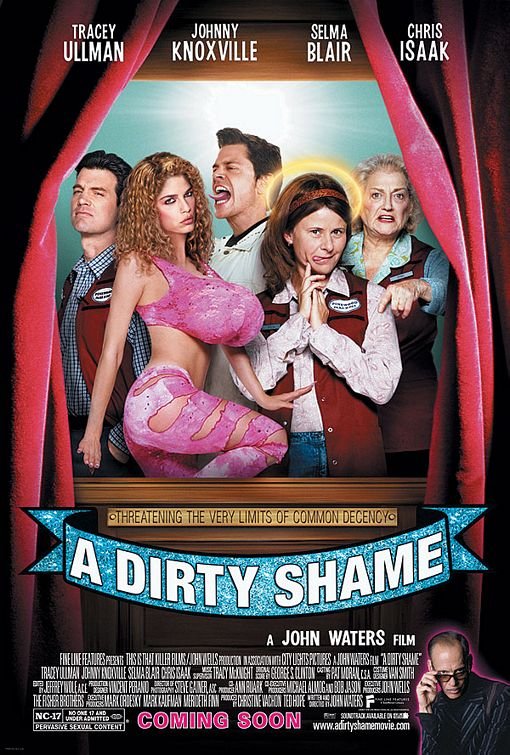
When a brand is excluded from the primary points of sale, its “brand equity” collapses. If a customer cannot find the product at their local cinema or buy the Blu-ray at a major retailer, the product ceases to exist for the mass market. This forced movies like Showgirls or Henry & June into a boutique brand category, limiting their revenue streams to independent theaters and specialized video stores.
Strategic Rebranding: The Art of the “Unrated” Director’s Cut
As the home video market evolved, savvy marketers discovered a way to turn a branding liability into a financial asset. If the NC-17 rating was a “death sentence” in theaters, it could be a “premium feature” in the living room. This led to the rise of the “Unrated” brand.
Turning a Rating Limitation into a Marketing Asset
The “Unrated” version is a classic example of rebranding a restricted product to imply exclusivity and “truth.” By bypassing the MPA rating system for the home release, studios could market a film as “Too Hot for Theaters” or “The Version the Censors Didn’t Want You to See.”
In this context, the “forbidden” nature of the content becomes the Unique Selling Proposition (USP). The NC-17 rating—or the threat of it—is used as a benchmark for “edge.” For fans of certain genres, an NC-17 history adds a layer of “street cred” to a movie’s brand, suggesting it is uncompromising and raw.
Digital Platforms and the Rebirth of Mature Branding
The rise of streaming services like Netflix, MUBI, and HBO Max has fundamentally changed the branding of NC-17. In the digital space, “shelf space” is infinite, and there are no theater owners to appease. A streaming platform’s brand is often built on “prestige” and “edginess,” making them more willing to host—and even produce—NC-17 content.
When Netflix released Blonde (2022), it was the first time an NC-17 film was marketed to a global audience with the full weight of a tech giant’s algorithm behind it. Netflix didn’t shy away from the rating; they used it to signal that Blonde was a “prestige art film” rather than a standard biopic. This shift shows that in a subscription-based model, the NC-17 rating can be a tool for “brand differentiation” rather than a barrier to entry.
Case Studies in High-Profile NC-17 Branding
To see these strategies in action, we can look at specific films that have navigated the NC-17 landscape, with varying degrees of success. These cases demonstrate how the rating impacts the long-term brand value of a film.
Showgirls and the Risk of High-Budget Provocation
Showgirls (1995) remains the most famous example of a major studio attempt to market an NC-17 film. With a $45 million budget, it was branded as a “glossy, high-end adult drama.” However, the brand message was confused. It tried to occupy the space of a mainstream blockbuster while carrying a rating that prevented mainstream distribution. The result was a box office disaster that became a cautionary tale in brand mismanagement. It was only later, through “ironic rebranding” as a cult classic, that the film found its financial footing.
Lust, Caution and the Prestige “Adult” Brand
Directed by Ang Lee, Lust, Caution (2007) took a different approach. The film was branded as an “Art House” masterpiece. By leaning into the director’s Academy Award-winning reputation, the marketers positioned the NC-17 rating as a sign of “unflinching realism” and “artistic courage.” Instead of trying to compete with summer blockbusters, they marketed the film to a sophisticated, older demographic. This strategic brand positioning allowed the film to succeed within its niche, proving that NC-17 can work if the brand identity is consistent with the product.
Conclusion: The Future of the NC-17 Brand
The NC-17 rating remains one of the most complex labels in the world of branding. It is a symbol of restricted access, but also a signal of “authentic” content. For marketers, the lesson is clear: the rating itself isn’t the problem—the misalignment between the rating and the brand promise is.
As the industry shifts further toward digital distribution and niche audiences, we may see a “re-branding” of the NC-17 rating. No longer a “death sentence,” it could become a standard for high-concept, adult-oriented storytelling that refuses to compromise for the sake of a PG-13 audience. In an era where “brand authenticity” is everything, the NC-17 rating might finally shed its “X-rated” shadow and emerge as a legitimate category for bold, corporate-backed art.
Ultimately, what movies are rated NC-17 says less about their content and more about their brand strategy. Whether viewed as a marketing hurdle or a badge of prestige, the NC-17 label continues to be the ultimate test of a film’s ability to define itself in a crowded marketplace.
aViewFromTheCave is a participant in the Amazon Services LLC Associates Program, an affiliate advertising program designed to provide a means for sites to earn advertising fees by advertising and linking to Amazon.com. Amazon, the Amazon logo, AmazonSupply, and the AmazonSupply logo are trademarks of Amazon.com, Inc. or its affiliates. As an Amazon Associate we earn affiliate commissions from qualifying purchases.