
Deadpool, the irreverent, fourth-wall-breaking mercenary, has carved out a unique and immensely successful niche in the superhero landscape. More than just a comic book character, Deadpool is a meticulously crafted brand—a testament to strategic positioning, unique voice, and unwavering commitment to a distinct identity. For brand strategists, marketers, and corporate identity experts, understanding which movies Deadpool has appeared in isn’t just a trivial fan query; it’s a window into the evolution of a powerful brand, its market penetration, and its integration into one of the world’s largest entertainment conglomerates.

This article will meticulously track Deadpool’s cinematic journey, analyzing each appearance through the lens of brand development, market positioning, and franchise strategy. We’ll explore how his distinct brand identity was forged, challenged, and ultimately amplified across various film productions, culminating in his highly anticipated entry into the Marvel Cinematic Universe.
The Merc with a Mouth’s Cinematic Evolution: Establishing a Unique Brand Identity
Deadpool’s brand journey began long before his solo movies, a period marked by cautious experimentation and the challenge of translating a deeply unconventional comic book character into a mainstream cinematic offering. His early appearances were critical, albeit sometimes flawed, attempts to gauge audience reception and lay the groundwork for what would become a global brand phenomenon.
From Comic Panels to Silver Screen: The Origin Story
Wade Wilson, aka Deadpool, first exploded onto the comic book scene in 1991, immediately distinguishing himself with his signature blend of dark humor, meta-awareness, and relentless action. This unique cocktail of traits—his distinct voice, visual aesthetic, and anti-heroic morality—formed the core brand identity that studios would later attempt to capture. The challenge for 20th Century Fox, the studio that held the film rights for many X-Men related characters including Deadpool, was how to package this anarchic energy for a mass audience. This required not just creative vision but a keen understanding of brand translation: how to adapt an established brand from one medium (comics) to another (film) without diluting its essence or alienating its core fanbase.
Early Appearances: Brand Recognition Challenges
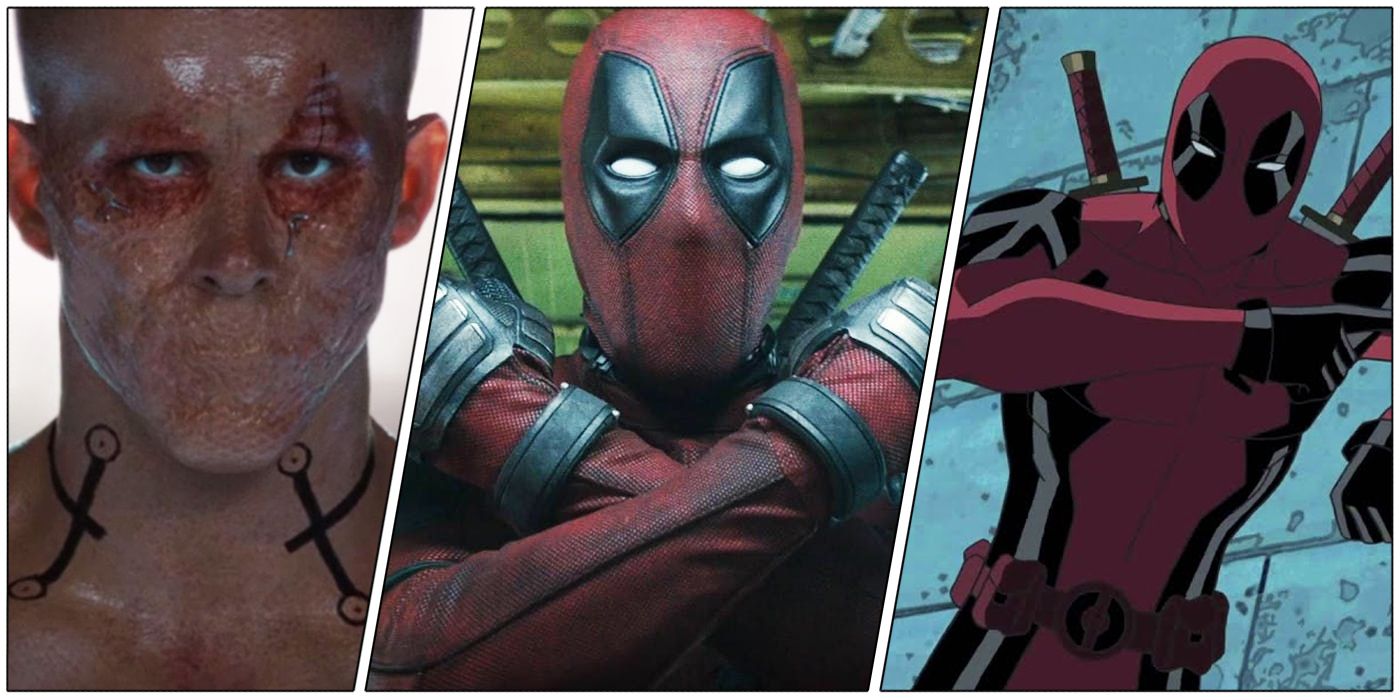
Deadpool’s first cinematic foray was in X-Men Origins: Wolverine (2009). This appearance is widely regarded as a significant misstep in brand presentation. Portrayed by Ryan Reynolds, the character initially had some of the witty banter fans expected. However, the film controversially sealed Deadpool’s mouth shut, stripped him of his iconic costume, and gave him a generic origin story that fundamentally betrayed his established brand identity. This instance serves as a powerful case study in how a mismanaged brand translation can severely damage audience perception and brand loyalty. The backlash from fans was immense, highlighting the importance of staying true to a brand’s core values and unique selling propositions, especially when dealing with a passionate, pre-existing audience. For a character whose brand is built on irreverence and breaking the fourth wall, silencing him was a critical failure in understanding his market appeal. This experience underscored the necessity of authentic representation for brand success.
The Solo Breakthroughs: Crafting an Unmistakable Brand Experience
The failure of Deadpool’s initial big-screen outing ironically paved the way for his eventual triumph. Learning from past mistakes, 20th Century Fox, along with the tireless efforts of Ryan Reynolds and director Tim Miller, embarked on a daring strategy: to fully embrace Deadpool’s unique brand identity, unfiltered and unapologetic. This led to a pair of solo films that not only redefined the superhero genre but also became masterclasses in niche brand marketing and audience engagement.
Deadpool (2016): A Masterclass in R-Rated Brand Reinvention
After years in development hell, fueled by leaked test footage that garnered overwhelming fan support, Deadpool (2016) finally hit theaters. This film was a monumental success from a branding perspective. It didn’t just feature Deadpool; it was Deadpool. The movie leaned heavily into the character’s R-rated sensibilities, dark humor, meta-commentary, and extreme violence, creating a film experience that was distinctively “Deadpool.”
- Brand Authenticity: The filmmakers committed to presenting Deadpool as he was known in the comics, cementing his brand as the “Merc with a Mouth” who knows he’s a comic book character. This authenticity resonated deeply with both long-time fans and new audiences seeking something different.
- Targeted Marketing: The marketing campaign for Deadpool was revolutionary. It brilliantly leveraged the character’s voice and humor, utilizing unconventional tactics like holiday-themed posters, dating app profiles, and self-aware trailers that directly addressed the audience. This wasn’t just advertising; it was an extension of the brand experience, demonstrating a profound understanding of the target demographic and how to engage them on their own terms.
- Niche Market Dominance: By embracing an R-rating, the film strategically carved out a lucrative niche within the saturated superhero market. It proved that a well-defined, authentic brand could thrive by not trying to appeal to everyone, but by deeply connecting with a specific audience willing to pay for that unique experience. The film’s commercial success defied conventional wisdom, proving the power of brand differentiation.
Deadpool 2 (2018): Consolidating the Anti-Hero Brand
Following the monumental success of the first film, Deadpool 2 (2018) faced the challenge of maintaining brand consistency while expanding the narrative scope. The sequel successfully built upon the established brand pillars, delivering more of what audiences loved while introducing new characters like Cable and Domino, effectively expanding the Deadpool cinematic universe.
- Brand Consistency and Evolution: Deadpool 2 maintained the R-rated humor, ultra-violence, and fourth-wall breaks that had become synonymous with the brand. It demonstrated that consistency in core brand attributes is crucial for sustained success. However, it also subtly evolved the brand, adding layers of emotional depth and exploring themes of family (albeit dysfunctionally), ensuring the character wasn’t merely a one-note joke machine.
- Franchise Expansion and Spin-offs: The introduction of X-Force, a team of mutants, was a strategic move to lay groundwork for potential brand expansion. While a direct X-Force spin-off never materialized due to corporate changes, it showcased the studio’s intent to grow the Deadpool brand beyond solo adventures, leveraging the character’s popularity to introduce other Marvel properties to a receptive audience.
- Marketing Ingenuity: The marketing for Deadpool 2 continued the innovative approach, with stunts like Deadpool posing as David Beckham or critiquing classic art. These campaigns reinforced the brand’s unique, irreverent voice and kept the audience engaged, further cementing Deadpool’s place as a master of unconventional, impactful marketing.

Navigating Multiversal Waters: Deadpool’s Brand Integration into the MCU
Perhaps the most significant chapter in Deadpool’s brand journey unfolded not on screen, but in corporate boardrooms. The acquisition of 20th Century Fox by The Walt Disney Company presented both immense opportunities and significant challenges for the R-rated character brand known for its adult humor and extreme violence. Integrating Deadpool into the family-friendly Marvel Cinematic Universe (MCU) required delicate brand management and a clear strategic vision.
The Disney Acquisition: A Brand Merger of Epic Proportions
When Disney acquired 21st Century Fox’s entertainment assets in 2019, it brought the X-Men and Fantastic Four properties, including Deadpool, under the Marvel Studios umbrella. This was a brand merger of epic proportions. The immediate question for fans and industry observers alike was how Deadpool’s distinct, adult-oriented brand would coexist within the PG-13 confines of the MCU. This situation perfectly illustrates the complexities of brand portfolio management following a major acquisition.
- Brand Preservation vs. Integration: Marvel Studios President Kevin Feige and Disney leadership quickly affirmed their commitment to maintaining Deadpool’s R-rated essence. This decision was a strategic masterstroke, recognizing the immense value in Deadpool’s established brand identity and the potential backlash from attempting to homogenize him. It demonstrated a nuanced understanding of brand loyalty and the importance of respecting a successful sub-brand’s core attributes, even within a larger corporate identity.
- Strategic Positioning: Rather than forcing Deadpool into existing MCU storylines immediately, Marvel Studios took a measured approach, allowing time for the dust to settle and for a coherent strategy to emerge. This patience underscores a robust brand strategy that prioritizes thoughtful integration over hasty deployment.
Deadpool & Wolverine: A New Chapter in Brand Synergy
The announcement and subsequent development of Deadpool & Wolverine (2024) marks the formal entry of Deadpool into the MCU. This film is more than just a crossover; it’s a carefully orchestrated brand synergy event designed to leverage the popularity of two iconic Marvel characters while setting the stage for Deadpool’s future within the vast multiverse.
- Cross-Brand Collaboration: The pairing of Deadpool with Wolverine, another beloved and R-rated capable character, is a stroke of marketing genius. It allows Marvel to reintroduce a fan-favorite X-Men character (Hugh Jackman’s Wolverine) under the MCU banner, while providing Deadpool with a familiar, yet often exasperated, foil. This cross-brand collaboration is designed to maximize audience excitement and ease Deadpool’s transition into the larger universe.
- Multiversal Gateway: Deadpool & Wolverine is strategically positioned to utilize the MCU’s burgeoning multiverse concept as a narrative device to explain Deadpool’s arrival. This allows for creative freedom, enabling the character to acknowledge his past cinematic history (including the Fox era films) while simultaneously joining a new continuity. From a brand perspective, this is a sophisticated way to acknowledge previous brand iterations without being beholden to them, offering a fresh start while honoring legacy.
- Future Brand Trajectory: This film is not just an endpoint but a launchpad. It will undoubtedly establish Deadpool’s place within the MCU’s brand hierarchy and open doors for future appearances, team-ups, and potentially even R-rated corners within the larger Marvel universe. It’s a testament to the power of a strong brand that it can compel a corporate giant like Disney to adapt its established norms.
The Strategic Importance of Deadpool’s Cinematic Brand Journey
Deadpool’s filmography, though relatively concise, offers invaluable lessons in brand strategy, development, and resilience. His journey from a comic book page to a divisive movie role, then to a standalone blockbuster phenomenon, and finally into the heart of the MCU, illustrates dynamic brand management in action.
Audience Engagement and Brand Loyalty
Deadpool’s brand success is largely attributable to his unique ability to engage audiences. His fourth-wall breaking and self-awareness create an intimate, almost conspiratorial relationship with viewers. This direct address, combined with consistent humor and action, has fostered an incredibly loyal fanbase. This loyalty is a critical asset for any brand, ensuring repeat engagement and positive word-of-mouth marketing, which is invaluable in a competitive entertainment landscape. The success of the Deadpool brand demonstrates that authentic voice and a clear understanding of audience desires can translate into enduring brand affinity.
Expanding the Franchise and Brand Value
Each film Deadpool is in directly contributes to the expansion of his brand and, by extension, the broader Marvel/Disney franchise. His solo films proved the viability of R-rated superhero content, broadening the market appeal of superhero cinema. His integration into the MCU now adds a distinct flavor and opens up new narrative possibilities, increasing the overall brand value of the entire Marvel portfolio. This strategic expansion showcases how individual character brands can act as growth engines for larger corporate identities.
Future Brand Trajectories and Opportunities
With Deadpool & Wolverine poised to redefine his role, the future of the Deadpool brand within the MCU is incredibly bright. His capacity for meta-commentary makes him a unique tool for Marvel Studios to address past continuity issues, poke fun at genre tropes, and introduce new characters. He represents a brand that is both adaptable and unwavering in its core identity, offering exciting possibilities for future cross-promotions, character team-ups, and even a new paradigm for mature-rated content within the otherwise family-friendly MCU.
In conclusion, knowing “what movies are Deadpool in” is far more than a simple list; it’s an exploration of a brand’s journey through reinvention, strategic alignment, and courageous authenticity. From his early missteps to his solo triumphs and his highly anticipated MCU debut, Deadpool’s cinematic presence is a compelling case study in building, sustaining, and evolving a powerful brand in the ever-changing landscape of global entertainment. His story underscores that true brand success lies not just in market presence, but in understanding, honoring, and strategically leveraging a brand’s unique identity.
aViewFromTheCave is a participant in the Amazon Services LLC Associates Program, an affiliate advertising program designed to provide a means for sites to earn advertising fees by advertising and linking to Amazon.com. Amazon, the Amazon logo, AmazonSupply, and the AmazonSupply logo are trademarks of Amazon.com, Inc. or its affiliates. As an Amazon Associate we earn affiliate commissions from qualifying purchases.