
The traditional movie-going experience was once defined by rows of cramped, static flip-down seats and the sticky floors of a crowded auditorium. However, the last decade has seen a technological renaissance within the cinema industry. As streaming services began to dominate the market, theater chains were forced to innovate, pivoting from a high-volume seating model to a technology-driven “Premium Large Format” (PLF) experience. At the heart of this transformation is the motorized luxury recliner—a complex piece of hardware that integrates mechanical engineering, digital control systems, and Internet of Things (IoT) connectivity to redefine how we consume media.

For tech enthusiasts and industry analysts, the question is no longer just “which movie theaters have recliner seats,” but rather, “what technology powers these environments and how do major chains manage this infrastructure?” From AMC’s Power Recliners to Regal’s King Size Loungers, the shift toward automated comfort represents a massive investment in smart hardware and software integration.
The Engineering Behind the Modern Cinema Recliner
The transition from manual levers to electronic controls marks a significant milestone in theater hardware. Modern cinema recliners are not merely furniture; they are sophisticated mechanical systems designed for durability, safety, and precision.
Motorized Precision and Actuator Technology
The core of a luxury theater seat is the linear actuator. Unlike home furniture that might use simple springs, cinema recliners utilize high-torque electric motors that allow for smooth, silent transitions between upright and fully reclined positions. These motors must be engineered for extreme duty cycles, as they are operated hundreds of times per week by different users. Major chains like Cinemark and AMC source seats that feature “Zero-Wall” technology. This mechanical design allows the seat to recline forward within its own footprint, ensuring that the technology doesn’t interfere with the sightlines of the row behind it—a feat of spatial engineering that maximizes both comfort and seating capacity.
Integration of Heating and Haptic Feedback Systems
Beyond simple movement, the technology in high-end theaters has expanded to include thermal management and haptic feedback. Some “Luxury Lounger” iterations now include integrated heating elements controlled by low-voltage digital interfaces. More impressively, the integration of haptic tech—such as that found in D-BOX or 4DX-equipped theaters—links the seating hardware to the movie’s digital soundtrack. This requires a complex synchronization software that sends “motion codes” to the seat’s internal processor, vibrating or tilting the seat in milliseconds to match the on-screen action. This level of hardware-software synergy is what separates a modern cinema from a standard living room setup.
Smart Seating: How AMC and Regal Use Digital Infrastructure
Implementing thousands of electronic seats across a national circuit requires more than just a power outlet. It requires a robust digital infrastructure to manage inventory, power consumption, and customer interaction.
API-Driven Seat Selection and Real-Time Inventory
The “recliner revolution” necessitated a shift in how tickets are sold. Because recliners take up significantly more physical space (often reducing a theater’s capacity by 50% to 60%), every seat becomes a premium asset. To manage this, chains like AMC and Regal utilize sophisticated Point of Sale (POS) systems like Vista Cinema or Radiant Systems. These platforms use APIs to sync the physical hardware map of the theater with mobile apps and web interfaces. When a user selects a specific recliner on their smartphone, the software locks that specific “node” in the database, preventing double bookings and allowing theater managers to monitor occupancy rates through real-time data visualization dashboards.
IoT and Maintenance Monitoring in Luxury Cinema
One of the greatest challenges in theater tech is maintenance. A broken motor in a recliner means a “dead seat” that cannot generate revenue. To combat this, newer installations are exploring IoT (Internet of Things) connectivity. By connecting seat actuators to a central theater management system (TMS), technicians can potentially receive digital alerts when a motor is drawing irregular current or failing to respond to commands. This transition toward predictive maintenance—driven by hardware diagnostic data—is essential for maintaining the high uptime required by major brands like Cinemark and Marcus Theatres.

The Digital Transformation of the Movie-Going Experience
The presence of recliner seats is often the primary filter used by consumers on third-party tech platforms like Fandango or Atom Tickets. This has led to a digital arms race where theater apps are optimized to highlight “Recliner-only” locations through geo-fencing and UI enhancements.
Mobile App Synergy with Physical Hardware
Major theater chains have redesigned their mobile applications to act as a remote control for the cinema experience. For example, the AMC Theatres app doesn’t just store a ticket; it integrates with the theater’s seating logic to provide the user with their exact coordinates in a high-tech auditorium. In “Dine-In” locations, the technology goes a step further. The recliner often features a built-in call button or a QR code that, when scanned, identifies the specific seat’s digital ID to the kitchen’s order management software, ensuring that food delivery is automated and precise.
Power Management and Energy Efficiency in Large-Scale Deployments
From a technical operations standpoint, powering hundreds of motorized recliners simultaneously presents a significant electrical engineering challenge. Theater designers must implement power sequencing technology to ensure that when a theater is powered on in the morning, the sudden draw of hundreds of motors doesn’t trip the circuit breakers. Furthermore, many modern seats are designed with energy-efficient “sleep modes” that reduce power draw to a fraction of a watt when the seat is not in use, managed by centralized power control software that monitors the building’s overall energy footprint.
The Future of Theater Tech: Beyond Simple Reclining
As we look toward the next generation of cinema hardware, the technology within the seat is expected to become even more personalized and data-centric.
AI-Driven Audience Analytics through Seating Data
While it may sound like science fiction, the technology exists to integrate pressure sensors into theater seating. By analyzing the data from these sensors, theater chains could theoretically use AI to determine audience engagement levels. If a seat’s sensors detect high levels of “shifting” or movement, the software could flag specific moments in a film that are losing audience interest. While currently used primarily in research and focus groups, the integration of biometric data into seating hardware is a burgeoning field of cinema tech.
Sustainable Tech and Modular Seat Design
Sustainability is becoming a key driver in tech hardware, and cinema recliners are no exception. The industry is moving toward modular designs where the electronic components—such as the control board or the motor—can be swapped out and upgraded without replacing the entire chair. This “Right to Repair” approach within the corporate tech space helps chains like Regal and Cinemark reduce electronic waste. Furthermore, new research into antimicrobial fabric technology and self-cleaning surfaces (using UV-C light tech) is being integrated into the seating of high-end urban theaters to enhance hygiene through automated systems.
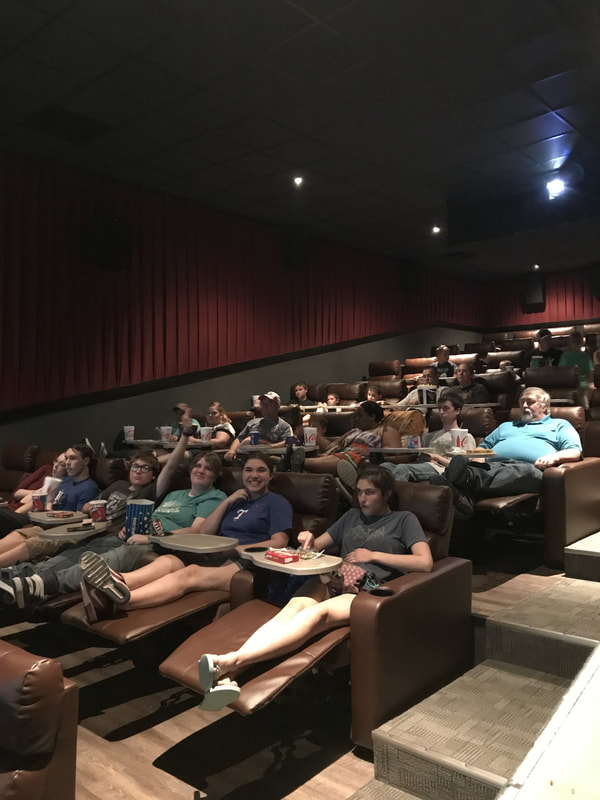
Conclusion: The Integrated Tech Ecosystem of Modern Cinema
The question of which theaters have recliner seats is ultimately a question of which brands have successfully navigated the digital transformation of the entertainment industry. AMC, Regal, Cinemark, and luxury outliers like IPIC and Alamo Drafthouse have moved beyond being simple real estate holders; they are now operators of complex technological ecosystems.
The motorized recliner is the most visible component of this evolution, but the underlying software, the IoT connectivity, and the mechanical engineering are what truly define the modern experience. As theaters continue to compete with the convenience of home technology, the integration of increasingly sophisticated hardware will remain the primary differentiator. Whether it is through haptic feedback that lets you “feel” the movie or AI-managed maintenance systems that ensure every seat works perfectly, the technology of comfort has permanently changed the landscape of the silver screen. In the current market, the “best seat in the house” is no longer just about the view—it’s about the tech.
aViewFromTheCave is a participant in the Amazon Services LLC Associates Program, an affiliate advertising program designed to provide a means for sites to earn advertising fees by advertising and linking to Amazon.com. Amazon, the Amazon logo, AmazonSupply, and the AmazonSupply logo are trademarks of Amazon.com, Inc. or its affiliates. As an Amazon Associate we earn affiliate commissions from qualifying purchases.