
The landscape of modern cinematography is no longer confined to the dimensions of height and width. As digital projection and high-fidelity audio have become the industry standard, the frontier of innovation has shifted toward physical immersion. At the forefront of this shift is 4DX, a proprietary technology developed by CJ 4DPLEX, a subsidiary of the South Korean conglomerate CJ Group. 4DX is not merely a screen format; it is a complex hardware and software ecosystem designed to synchronize on-screen action with physical environmental effects.
Understanding which movie theaters offer 4DX requires an analysis of the technological partnerships between CJ 4DPLEX and global exhibition giants. This technology represents a significant capital investment for theaters, involving specialized seating, high-pressure plumbing, and atmospheric generators. For the tech-savvy cinephile, the search for 4DX is a search for the most advanced haptic and environmental interface currently available in public entertainment.

The Mechanics of Immersion: How 4DX Hardware Operates
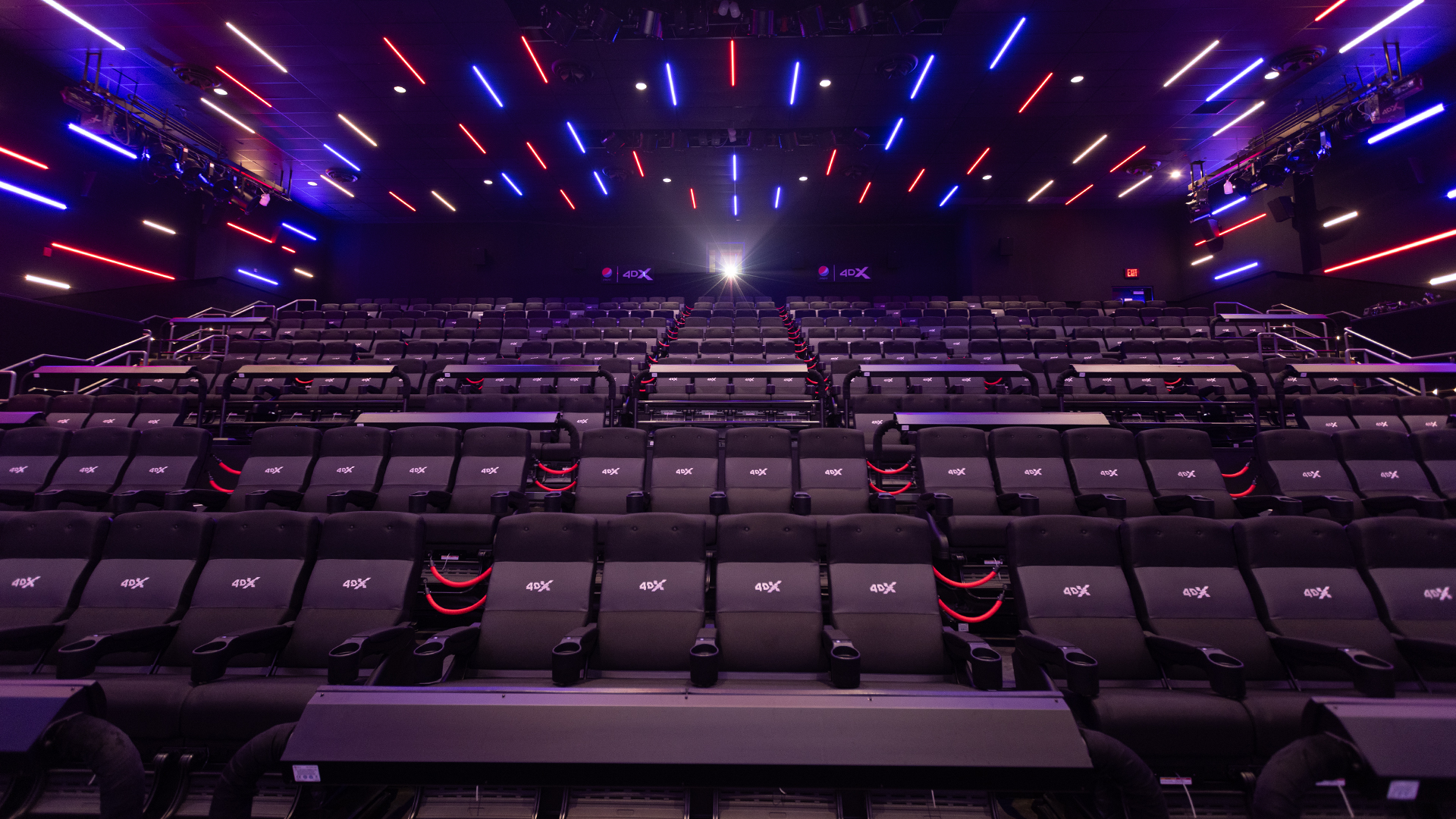
To understand why 4DX is limited to specific premium theaters, one must look at the hardware requirements. Unlike a standard theater upgrade, which might involve a simple projector swap, 4DX requires a complete structural overhaul of the auditorium.
Motion-Based Seating and Actuators
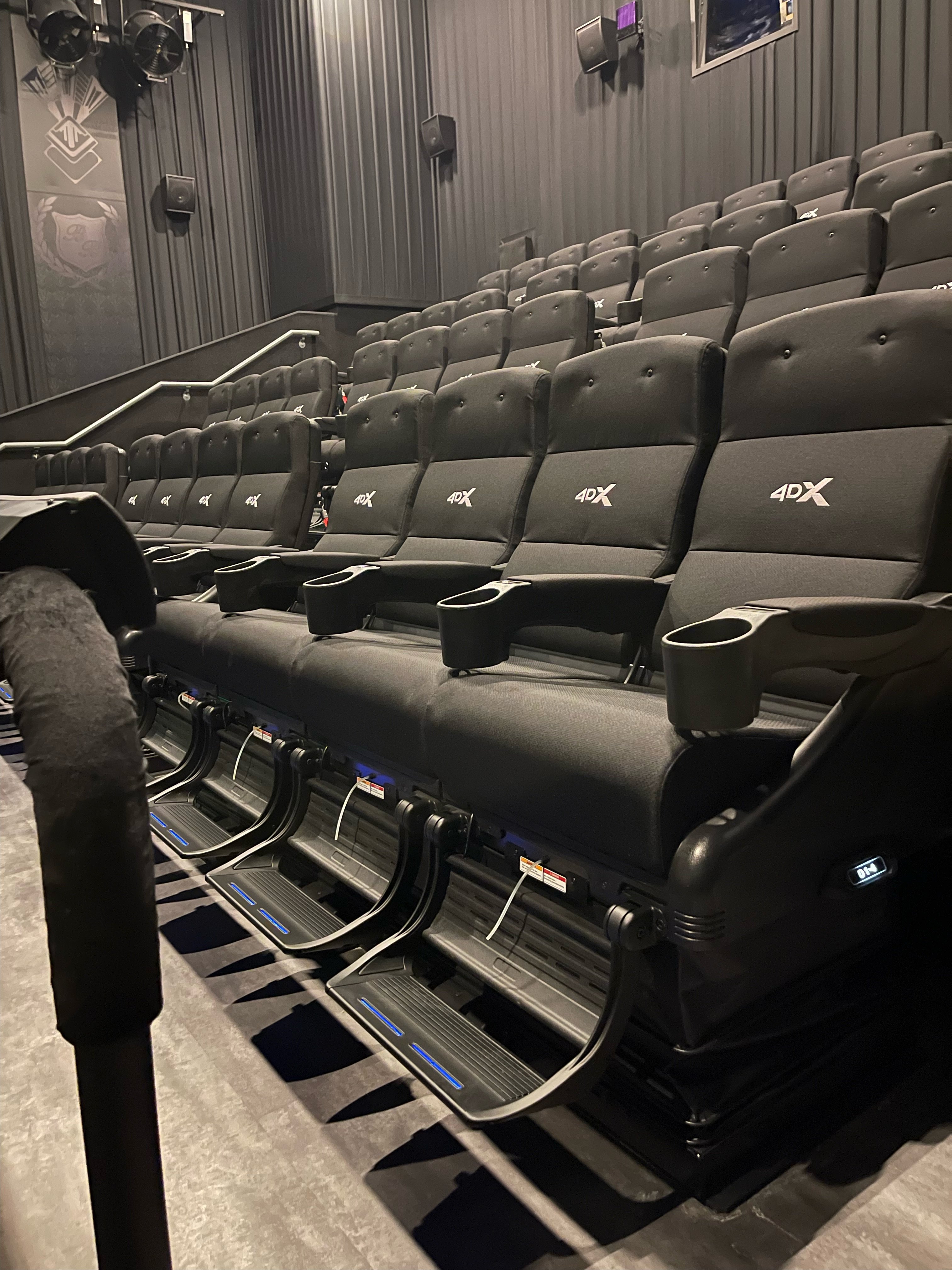
The core of the 4DX experience lies in the seating pods. These are not individual chairs but are typically grouped in sets of four, mounted on a heavy-duty motion base. These bases utilize sophisticated actuators—typically a mix of hydraulic and electric systems—to provide three degrees of freedom: heave (up and down), roll (left and right), and pitch (forward and backward).
Beyond these macro-movements, the chairs are embedded with haptic shakers and “ticklers.” These are small, high-frequency vibrators located in the backrest and seat cushion, capable of simulating anything from the subtle rumble of a car engine to the sharp impact of a punch. The “tickler” technology uses flexible plastic filaments or air bursts located at the ankles and behind the head to simulate movement in the immediate vicinity of the viewer.
Environmental Effect Modules
The walls and ceilings of a 4DX theater are rigged with specialized hardware that standard cinemas lack. This includes:
- High-Velocity Fans: Large industrial fans are used to simulate wind or the sensation of speed.
- Water Sprayers: Nozzles embedded in the chair in front of the viewer can deliver a fine mist or a localized “rain” effect.
- Scent Dispensers: Digital scent technology utilizes cartridges that release specific aromas—such as gunpowder, burning rubber, or ocean breeze—into the air via localized fans.
- Fog and Bubble Generators: Located near the screen or along the side aisles, these units use chemical mixtures and air pressure to fill the room with atmospheric elements.
- Lightning Strobes: High-intensity LED strobes are synced to flashes on screen to simulate electrical discharges or muzzle flashes.
Global Infrastructure: Primary Theater Chains Implementing 4DX Technology
Because of the high cost of installation and maintenance, 4DX is primarily found within the flagship locations of major international cinema circuits. As of recent data, there are over 750 4DX auditoriums across more than 65 countries, but the density varies significantly by region.
North American Deployment: Regal Cinemas
In the United States, the primary partner for CJ 4DPLEX is Regal Cinemas (owned by the Cineworld Group). Regal has aggressively integrated 4DX into its “Premium Large Format” (PLF) strategy. Major metropolitan areas such as New York City (Regal Union Square), Los Angeles (Regal L.A. Live), and Chicago (Regal City North) serve as the hubs for this technology.
Regal’s implementation often focuses on high-traffic theaters where the premium ticket price—usually $8 to $12 above standard admission—can justify the maintenance of the motion systems. While Regal holds the largest share, other chains like B&B Theatres and Cineplex in Canada have also begun installing 4DX units to compete in the high-end tech space.
The European Market: Cineworld and Pathé
Across the Atlantic, Cineworld is the dominant provider of 4DX in the United Kingdom and Ireland. Their rollout has been one of the most comprehensive in the world, with dozens of locations from London to Edinburgh featuring the technology. In mainland Europe, Pathé and Gaumont have integrated 4DX into their French, Dutch, and Swiss locations. These theaters often serve as the testing grounds for new 4DX features, such as the “Warm Air” effect, which uses high-capacity heaters located in the headrests to simulate explosions or desert heat.
The Asian Innovation Hub: CJ CGV
As the home of the technology, South Korea boasts the most advanced 4DX installations. CJ CGV, the parent company’s theater wing, operates numerous “4DX with ScreenX” auditoriums. This hybrid tech combines the motion and effects of 4DX with a 270-degree panoramic screen. Similar large-scale rollouts are seen in Japan (via United Cinemas and TOHO Cinemas) and China, where the appetite for tech-forward entertainment is exceptionally high.
The Software Layer: How Films are Encoded for Sensory Feedback
The hardware of a 4DX theater is useless without the specialized data tracks that tell it how to behave. This process is known as “4DX Coding.” Unlike standard audio or video mastering, 4DX coding is a bespoke process that occurs in the 4DX i-Studio, with locations in Seoul and Hollywood.
The Coding Workflow
Once a major studio releases a film, 4DX technicians use proprietary software to create a synchronized motion and effect track. This isn’t automated; it is a creative endeavor where “editors” determine the intensity and timing of every tilt, gust of wind, and scent. The software allows for frame-by-frame precision, ensuring that the sensation of a car turning occurs exactly as the camera pivots.
Synchronization and Latency
The technical challenge in a 4DX theater is ensuring zero latency. The data track is delivered to the theater’s local server and must remain perfectly synced with the digital cinema package (DCP) being projected. Any drift in timing can lead to motion sickness or a “break” in immersion. The theater’s control system uses a dedicated network to communicate with the chair controllers and environmental modules, constantly checking the timecode of the projector to ensure the mechanical response is instantaneous.
Evaluating the Tech: 4DX vs. IMAX and ScreenX
For the consumer, the choice often comes down to which technology provides the best value. It is important to distinguish 4DX from other high-end formats like IMAX or ScreenX, as they serve different sensory purposes.
4DX vs. IMAX
IMAX technology is primarily focused on visual and auditory fidelity. It uses massive screens, dual laser projection, and uncompressed audio to create “immersion” through sheer scale and clarity. 4DX, conversely, focuses on “physical” immersion. While an IMAX theater might have a superior image, a 4DX theater offers a participatory experience. In many markets, tech enthusiasts must choose between the visual perfection of IMAX and the sensory feedback of 4DX, though “Ultra 4DX” is beginning to bridge this gap.
The Rise of Ultra 4DX
Ultra 4DX (formerly known as 4DX Screen) is the current pinnacle of cinema technology. It combines the physical effects of 4DX with the multi-projection system of ScreenX. This requires a specialized auditorium with a central screen and two side walls that serve as extended canvases. Technically, this is one of the most demanding setups for a theater to maintain, as it involves three synchronized projectors and the full suite of 4DX motion and environmental hardware.
Maintenance and the Future of Haptic Cinema Hardware
The longevity of 4DX depends on the rigorous maintenance of its mechanical components. Unlike a standard seat, which can last for a decade with minimal care, a 4DX seat is a complex machine with moving parts that require regular lubrication, calibration, and pressure testing.
Technical Challenges in Maintenance
The use of water and scent effects introduces unique challenges. Scent cartridges must be replaced regularly, and the plumbing systems for the water effects must be sanitized to prevent bacterial growth. Furthermore, the air compressors that drive the “Face Air” and “Neck Tickler” effects must be housed in soundproofed rooms to prevent the noise of the machinery from interfering with the movie’s audio.
The Future: AI and Personalization
The next phase of 4DX technology is likely to involve more sophisticated haptic feedback and potentially AI-driven coding. Currently, every seat in a 4DX auditorium performs the same movements. Future iterations may allow for “intensity settings,” where users can adjust the aggressiveness of the motion via an interface on their armrest. There is also research into integrating VR (Virtual Reality) headsets within a 4DX environment, creating a “haptic theater” that removes the screen entirely in favor of a 360-degree digital world paired with physical sensations.
As the theatrical industry continues to compete with high-end home streaming setups, the physical and technical complexity of 4DX remains one of the few “un-replicable” experiences. While home haptic chairs exist, they lack the integrated environmental effects and the professional, frame-accurate coding provided by the 4DX i-Studio. For those seeking the cutting edge of cinema tech, identifying a theater with 4DX is the first step into a more visceral, multi-sensory future of storytelling.
aViewFromTheCave is a participant in the Amazon Services LLC Associates Program, an affiliate advertising program designed to provide a means for sites to earn advertising fees by advertising and linking to Amazon.com. Amazon, the Amazon logo, AmazonSupply, and the AmazonSupply logo are trademarks of Amazon.com, Inc. or its affiliates. As an Amazon Associate we earn affiliate commissions from qualifying purchases.