
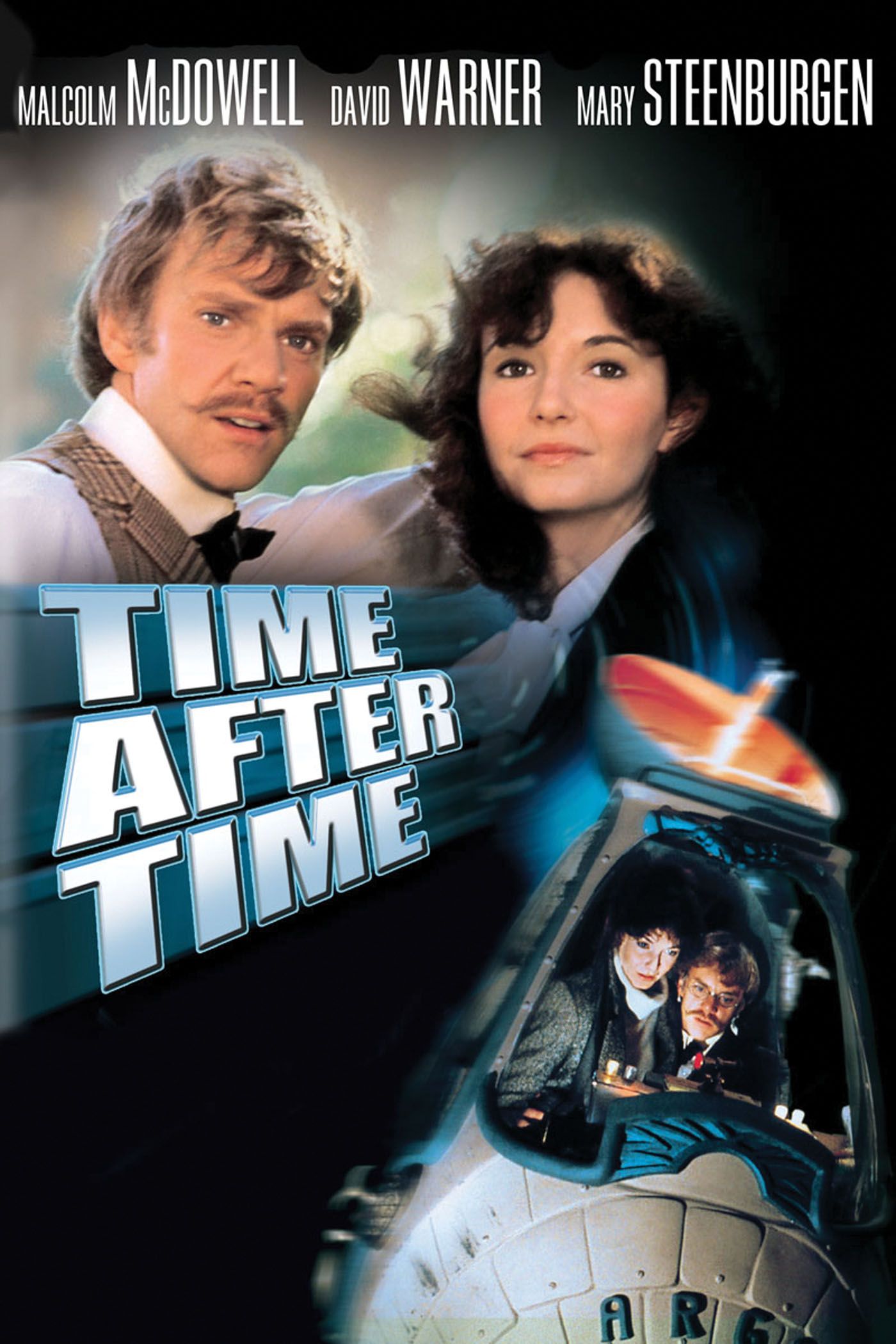
The question “What movie is ‘Time After Time’ in?” might initially lead one to recall specific film titles, perhaps the 1979 sci-fi adventure film Time After Time starring Malcolm McDowell and Mary Steenburgen, or the iconic Cyndi Lauper song that, while not from a movie, evokes a powerful sense of enduring connection and nostalgia. However, when viewed through the lens of brand strategy in the entertainment industry, this seemingly simple query takes on a much deeper, more profound meaning. It prompts us to consider not just a single film, but the very essence of what makes a movie, a franchise, or even a cinematic universe resonate with audiences time after time across generations, viewing platforms, and cultural shifts.

In the highly competitive world of filmmaking, creating a single successful film is a triumph. But building a cinematic property that maintains relevance, captivates new audiences, and generates sustained engagement “time after time” is the ultimate testament to powerful brand building. It’s about crafting stories, characters, and experiences that transcend their initial release, embedding themselves in the cultural consciousness and fostering an enduring relationship with their audience. This article will delve into the strategic elements that enable movies and their associated brands to achieve this coveted, long-lasting appeal, exploring the core components of enduring cinematic brands, the marketing strategies employed, and the profound business implications of achieving “time after time” relevance.
The Anatomy of Enduring Cinematic Brands
At its core, an enduring cinematic brand is built on more than just a good story; it’s about creating a universe that viewers want to revisit repeatedly. This longevity isn’t accidental; it’s the result of meticulous planning and a deep understanding of audience psychology and cultural impact.
Iconic Characters and Storyworlds: The Foundation of Repeat Engagement
The most successful film brands are almost always anchored by iconic characters and richly developed storyworlds. Characters like James Bond, Indiana Jones, or even animated figures such as Mickey Mouse or the characters from Toy Story, become cultural touchstones. They embody relatable human traits, aspirational qualities, or archetypal struggles that resonate universally. These characters are not just plot devices; they are brand ambassadors, instantly recognizable and deeply ingrained in the public psyche.
Equally critical is the development of a compelling storyworld. Whether it’s the fantastical realm of Middle-earth, the gritty streets of Gotham City, or the vastness of the Star Wars galaxy, these worlds offer an escape and a consistent aesthetic that viewers crave. A well-constructed storyworld provides endless possibilities for new narratives, allowing the brand to expand and evolve without losing its core identity. The consistency of these worlds, even as they grow, is paramount to maintaining brand integrity and audience trust “time after time.” Fans return not just for a new story, but to re-immerse themselves in a familiar, beloved universe.
Transmedia Storytelling: Expanding the Brand Beyond the Big Screen
For a cinematic brand to truly achieve “time after time” resonance, it must transcend the limitations of the silver screen. Transmedia storytelling—the art of telling a single story or universe across multiple media platforms—is a powerful strategy for extending a brand’s reach and deepening audience engagement. This involves creating complementary content in different formats, such as video games, comic books, novels, TV series, theme park attractions, and even interactive digital experiences, all of which enrich the core narrative and expand the brand’s footprint.
The Marvel Cinematic Universe (MCU) is a prime example of successful transmedia branding, with its intricate web of films, Disney+ series, comics, and merchandise creating a cohesive and ever-expanding narrative. Each piece of content contributes to the overarching brand story, encouraging audiences to engage across platforms to get the full experience. By diversifying content channels, brands can cater to different audience preferences and maintain a constant presence in their lives, ensuring that the brand remains relevant and exciting “time after time” and across various touchpoints.
Crafting Resonance: Marketing Strategies for ‘Time After Time’ Appeal
Beyond the inherent quality of the content, effective marketing and brand management are crucial for sustaining a movie’s appeal over the long term. It’s about more than just initial box office success; it’s about cultivating a lasting relationship with the audience.
Nostalgia and Re-Discovery: Tapping into Generational Cycles
One of the most potent tools in a cinematic brand’s arsenal for achieving “time after time” appeal is the strategic leveraging of nostalgia. Films that were beloved in one generation often find new life with subsequent generations through re-releases, remasters, or streaming availability. Marketing campaigns frequently tap into the emotional connection audiences have with classic films, encouraging original fans to revisit them and introduce them to their children.
The re-release of films like E.T. the Extra-Terrestrial or the enduring popularity of Disney animated classics on streaming platforms demonstrate this phenomenon. These films aren’t just entertainment; they’re cultural heirlooms passed down through families. Marketers strategically position these properties as timeless experiences, emphasizing their universal themes and emotional resonance. Furthermore, “re-discovery” marketing targets younger audiences who may have never seen these classics, presenting them as essential cultural touchstones, thus ensuring new cohorts connect with the brand “time after time.”
Community Building: From Fandoms to Franchise Loyalty
In the digital age, audience engagement extends far beyond passive viewing. Successful cinematic brands foster vibrant communities and active fandoms, transforming viewers into passionate advocates. Social media, fan conventions (like Comic-Con), official forums, and user-generated content platforms become crucial arenas for brand interaction and loyalty building.

Studios actively engage with these communities, often incorporating fan feedback or celebrating fan creations. The dedicated fan bases of franchises like Star Wars, Harry Potter, or Star Trek are not just consumers; they are co-creators of the brand’s ongoing narrative and cultural impact. By nurturing these communities, studios ensure a consistent dialogue, keeping the brand alive and relevant in public discourse “time after time.” This deep emotional investment translates into continued viewership, merchandise sales, and word-of-mouth promotion, solidifying the brand’s long-term success.
The Business of Legacy: Financial Implications of ‘Time After Time’ Brands
The ability to create a cinematic brand that resonates “time after time” is not merely an artistic achievement; it’s a significant financial one. These enduring properties become invaluable assets, generating revenue far beyond their initial theatrical run.
Merchandise and Ancillary Revenue Streams
The most obvious financial benefit of an “time after time” brand is its ability to generate substantial revenue through merchandise and ancillary products. From toys and apparel to collectibles and home decor, characters and logos from beloved films become highly marketable commodities. Disney’s empire, built largely on its animated characters and live-action properties, exemplifies the power of merchandising. Every Star Wars light saber, every Marvel action figure, every Harry Potter wand represents a direct extension of the cinematic brand’s profitability.
Beyond physical merchandise, ancillary revenue streams include licensing agreements for video games, books, theme park rides, and even educational content. These diverse revenue channels provide a stable, ongoing income stream that mitigates the risk associated with new film releases. An iconic character, once established, can continue to generate revenue for decades, cementing the brand’s financial legacy “time after time.”
Strategic Re-releases and Remasters
For cinematic brands with deep historical roots, strategic re-releases and remasters offer lucrative opportunities. These can range from limited theatrical runs for anniversaries, allowing new generations to experience classics on the big screen, to 4K Ultra HD remasters for home media, offering enhanced quality for discerning fans. The strategy revitalizes interest, brings in new revenue, and reinforces the brand’s status as a timeless classic.
Furthermore, streaming platforms provide a continuous “re-release” mechanism. A beloved film perpetually available on a platform like Disney+ or Netflix ensures it remains accessible and discoverable, generating passive income through subscription models and contributing to platform loyalty. This continuous availability helps films maintain their cultural currency and financial viability “time after time,” without requiring the massive marketing spend of an initial launch.
Future-Proofing Your Cinematic Brand: Adapting for the Next Generation
Maintaining “time after time” relevance is not a static endeavor; it requires continuous adaptation and a forward-looking strategy. Cinematic brands must evolve with societal changes and technological advancements to avoid becoming relics of the past.
Embracing New Technologies and Distribution Channels
The entertainment landscape is constantly shifting, and successful brands must be agile. Embracing new technologies, such as virtual reality (VR) or augmented reality (AR) experiences, can offer innovative ways for audiences to interact with beloved storyworlds. Similarly, adapting to evolving distribution channels, from the rise of streaming services to the emergence of interactive narratives, is crucial.
Studios are now experimenting with new formats, like interactive films or serialized content designed specifically for streaming, to keep their brands fresh and engaging for a generation accustomed to on-demand, personalized entertainment. By staying ahead of technological curves, cinematic brands can ensure they remain at the forefront of audience attention “time after time.”
Diversity and Inclusion: Broadening Appeal for ‘Time After Time’ Success
For a brand to resonate across multiple generations and cultures, it must reflect the diverse tapestry of its audience. Increasingly, cinematic brands are recognizing the importance of diversity and inclusion in their storytelling, character development, and production teams. Creating characters and narratives that are inclusive and representative broadens a brand’s appeal, making it relevant to a wider global audience.
Films and franchises that champion diverse voices and perspectives are more likely to achieve lasting cultural significance and connect with the evolving values of society. This not only makes ethical sense but also represents a shrewd brand strategy, ensuring that the message and characters remain relatable and powerful “time after time” for all demographics.
In conclusion, when we ask “What movie is ‘Time After Time’ in?”, we’re not just seeking a title. We’re subtly inquiring about the enduring magic of cinema itself—the brands that, through meticulous character development, expansive storyworlds, ingenious marketing, and strategic adaptation, manage to captivate hearts and minds repeatedly, generation after generation. These cinematic brands are the true timeless treasures, proving that powerful storytelling, when combined with expert brand stewardship, can indeed resonate “time after time.”
aViewFromTheCave is a participant in the Amazon Services LLC Associates Program, an affiliate advertising program designed to provide a means for sites to earn advertising fees by advertising and linking to Amazon.com. Amazon, the Amazon logo, AmazonSupply, and the AmazonSupply logo are trademarks of Amazon.com, Inc. or its affiliates. As an Amazon Associate we earn affiliate commissions from qualifying purchases.