
It’s a universal experience: you’re watching a gripping scene unfold, the tension is palpable, the emotions raw, and then, a piece of music swells, perfectly encapsulating the moment. It might be a soaring orchestral track, a melancholic indie ballad, or a retro synth-pop anthem. The scene ends, the credits roll, but that melody lingers in your mind. A single, pressing question arises: “What movie is that song in?”
For decades, this query often led to frustrating dead ends, requiring meticulous credit-scrolling, obscure forum searches, or relying on the fleeting memory of a friend. Today, thanks to a revolution in digital tools and artificial intelligence, solving this mystery is not just possible but often instantaneous. The technological landscape has transformed music identification from a laborious quest into an effortless tap or voice command, profoundly changing how we interact with and discover cinematic scores and soundtracks. This article delves into the technological innovations that have empowered us to pinpoint those elusive tunes, exploring the tools, techniques, and future trends shaping soundtrack discovery.

The Evolution of Soundtrack Identification: From Manual Digging to Instant Recognition
The journey from a forgotten melody to a identified track has been a fascinating technological evolution. What was once a test of patience and detective skills is now a testament to the power of algorithms and data.
From Manual Digging to Instant Recognition
In the pre-digital era, identifying a song from a movie was akin to solving a complex puzzle with missing pieces. Enthusiasts might wait for the official soundtrack release, hoping the specific track would be included. Failing that, the only recourse was often to meticulously scour movie credits – a task made more challenging by the often rapid scroll speed and tiny font. Dedicated film buffs might frequent niche magazines or fan clubs, hoping someone else had already done the legwork. It was a testament to passion, but highly inefficient.
The advent of the internet brought the first wave of significant change. Early online forums and specialized websites began to consolidate information, allowing users to post queries and share knowledge. Websites like IMDb, while primarily focused on film details, slowly began to integrate more comprehensive soundtrack listings, often updated by user contributions. This era marked a shift from passive consumption to active, community-driven information retrieval, yet it still required significant manual effort and often, a degree of luck. The critical missing piece was the ability to identify music actively playing without prior knowledge.
The Power of Algorithmic Listening
The true paradigm shift arrived with the development of sophisticated audio recognition algorithms. This technology, at its core, works by creating a unique “fingerprint” for a piece of music. When you feed it an audio sample – whether live or recorded – the algorithm analyzes its unique acoustic characteristics: pitch, rhythm, timbre, and harmonic structure. This digital fingerprint is then compared against a vast database of millions of songs, each with its own pre-computed fingerprint. If a match is found within a certain confidence threshold, the song’s metadata – including its title, artist, album, and crucially, its cinematic appearances – is retrieved and presented to the user.
This breakthrough technology transformed the identification process from a human-driven search to a machine-driven computation. Early iterations were often clunky and required clean audio, but continuous advancements in signal processing, machine learning, and neural networks have made these algorithms incredibly robust. They can now identify music even amidst background noise, distorted audio, or partial playback, making the act of asking “what movie is that song in?” almost universally answerable with a few taps or a simple voice command. This technological leap has democratized music discovery, putting powerful identification tools directly into the hands of billions.
Essential Tech Tools for Music Discovery
The digital age has blessed us with an arsenal of tools, each leveraging advanced technology to solve the “what movie is that song in?” dilemma. From dedicated apps to intelligent assistants, these innovations have made music identification seamless and accessible.
Dedicated Music Recognition Apps (Shazam, SoundHound, et al.)
At the forefront of music identification are specialized apps like Shazam and SoundHound. Shazam, arguably the most iconic, revolutionized the way we discover music. Its core functionality is elegantly simple: hear a song, tap a button, and within seconds, the app identifies the track, artist, and often provides lyrics, links to streaming services, and critically, information about its cinematic appearances. The underlying technology relies on patented audio fingerprinting algorithms that can accurately identify songs even in noisy environments or when only a short snippet is available. Shazam’s success led to its acquisition by Apple, further integrating its capabilities into the broader tech ecosystem.
SoundHound offers similar capabilities but often distinguishes itself with a more robust “singing and humming” recognition feature. This allows users to vocalize a melody they remember, and the app attempts to match it against its database – a lifesaver when you can’t recall lyrics or have no audio source to sample. Other apps and features, often built into streaming platforms like Spotify or YouTube Music, also provide varying levels of “now playing” or search-by-audio functionality, demonstrating the ubiquity and importance of this technology. These apps are invaluable for not just identifying a song, but also for providing context, including its filmography.
AI-Powered Virtual Assistants (Google Assistant, Siri, Alexa)
Beyond dedicated apps, the rise of AI-powered virtual assistants has integrated music identification into our daily lives more seamlessly than ever before. Devices like smartphones, smart speakers, and even smart TVs come equipped with digital assistants such as Google Assistant, Apple’s Siri, and Amazon’s Alexa. These assistants leverage sophisticated natural language processing (NLP) and their own audio recognition capabilities to answer music-related queries.
A simple spoken command like “Hey Google, what song is this?” or “Siri, what’s playing?” is often enough for the assistant to listen to the ambient audio, process it through its recognition algorithms, and provide an instant answer. This hands-free convenience is particularly useful when watching a movie, as it avoids the need to pick up a separate device or interrupt the viewing experience. Many smart TVs now also integrate these assistants directly, allowing for on-screen identification and direct links to more information about the song and its associated movie. The intelligence of these assistants goes beyond mere identification; they can often provide deeper context, such as other movies the artist has contributed to, or even where to purchase the soundtrack, bridging the gap between discovery and consumption.
Advanced Search Engine Techniques
While direct audio recognition is powerful, sometimes you only have a snippet of lyrics, a vague description, or an instrumental melody that you can’t hum accurately. This is where advanced search engine techniques come into play, powered by ever-smarter indexing and natural language processing. Using search engines like Google, Bing, or DuckDuckGo effectively can quickly lead you to your answer.
Key strategies include:
- Lyric Fragments: Even a short, memorable phrase of lyrics, enclosed in quotation marks for precise searching (e.g., “every night in my dreams I see you I feel you”), can often pinpoint the exact song.
- Descriptive Keywords: Combining details like the movie title, scene description, emotional tone, or genre with terms like “soundtrack,” “score,” or “music” can yield results (e.g., “sci-fi movie 80s synth song car chase”).
- IMDb/Wikipedia Queries: Directing your search to specific film databases often helps. For example, “Interstellar soundtrack list” will usually bring up comprehensive details.
- “Hum to Search” (Google): Google’s mobile app now includes a “hum to search” feature, allowing you to hum, whistle, or sing a melody into your phone. Its machine learning models transform your audio into a numerical sequence, comparing it against a vast database of songs to find potential matches – a feature distinct from pure audio recognition of existing recordings.
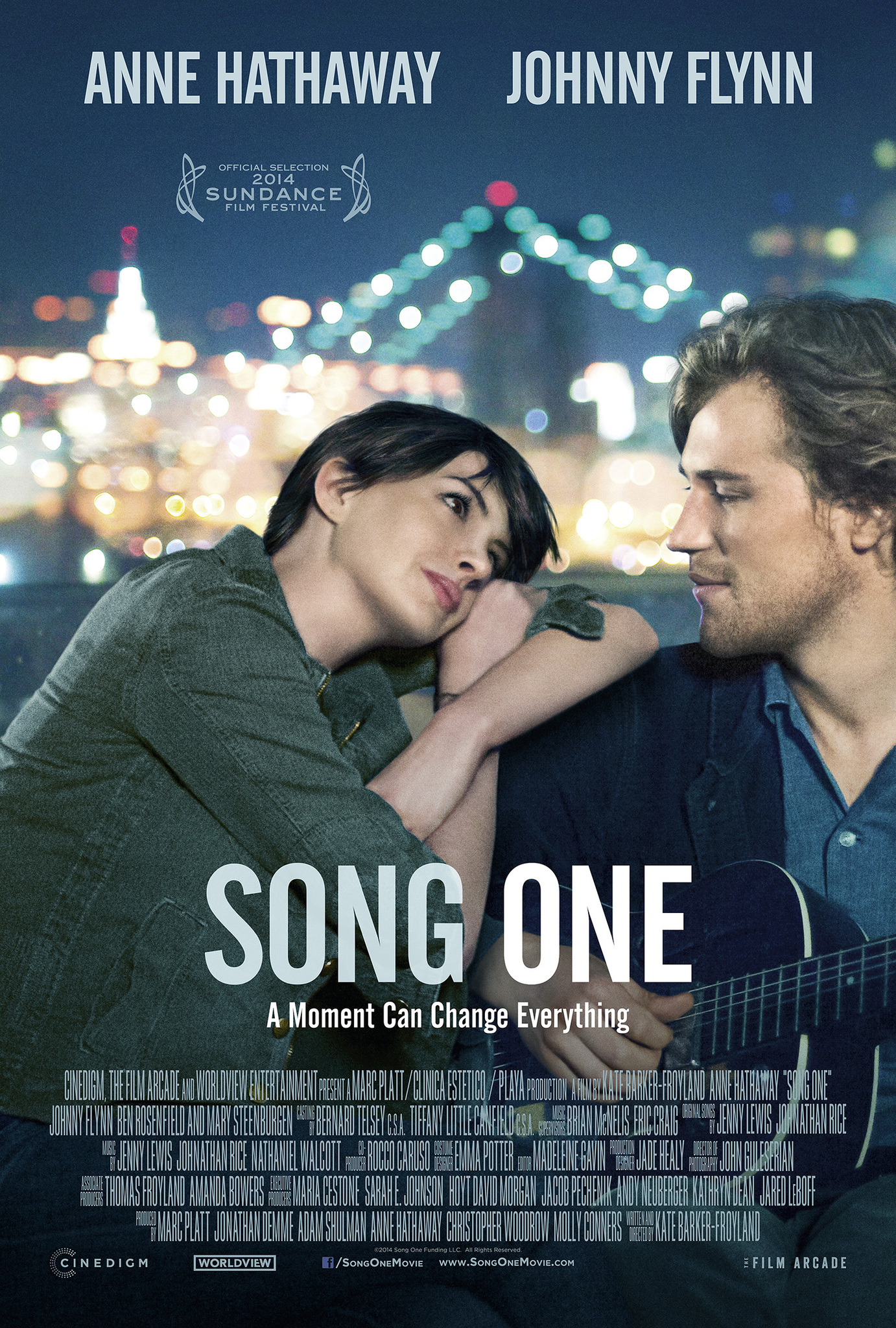
These techniques, powered by vast indexed data and increasingly intelligent algorithms that understand context and intent, provide a robust alternative or complement to direct audio identification, ensuring that even the most elusive tunes can be tracked down.
Niche Databases and Community Platforms (IMDb, TuneFind, Reddit)
Beyond immediate identification, a wealth of specialized online databases and community platforms provide invaluable resources for soundtrack sleuths. These platforms, often maintained by dedicated fans and professionals, offer a deeper dive into the musical landscape of films and television shows.
- IMDb (Internet Movie Database): While mentioned earlier for its filmography focus, IMDb features extensive “Soundtracks” and “Music Department” sections for most titles. These lists can be incredibly detailed, crediting specific tracks, composers, and often the scenes in which they appear. Its user-generated content and comprehensive professional entries make it a cornerstone for film music research.
- TuneFind: This website is specifically dedicated to tracking music in movies, TV shows, and video games. What sets TuneFind apart is its community-driven approach; users actively contribute and verify song lists for virtually every piece of visual media imaginable. It often includes details about when a song plays within a specific episode or scene, resolving ambiguities that broader databases might miss. It’s an indispensable tool for identifying songs that aren’t part of the official score but are licensed for specific scenes.
- Reddit (and other forums): Social platforms and dedicated subreddits (e.g., r/NameThatSong, r/moviesoundtrack) offer a direct avenue to a community of knowledgeable enthusiasts. If automated tools fail or you need more subjective input (“that classical piece that plays when the hero has an epiphany”), posing a question to a community can often yield surprisingly accurate and helpful responses. These platforms also act as a repository of shared knowledge, with many obscure tracks having been identified through collaborative effort.
These platforms demonstrate the power of collective intelligence and structured data to enrich the music discovery process, offering context and detail beyond simple song titles.
Beyond Identification: The Deeper Dive into Movie Soundtracks
Identifying “what movie is that song in?” is often just the beginning. Technology also enables us to delve deeper into the world of film music, from curated listening experiences to understanding the intricate business of music licensing.
Exploring Curated Playlists and Official Soundtracks
Once a song is identified, technology guides us to its broader context. Streaming services like Spotify, Apple Music, and Amazon Music are treasure troves of official movie soundtracks and curated playlists. These platforms leverage their vast libraries and recommendation algorithms to offer a rich listening experience. Official soundtracks, often released concurrently with the film, compile all the key musical pieces, from original scores to licensed popular songs.
Beyond official releases, technology-driven curation plays a significant role. Algorithms on these platforms analyze user listening habits, genres, and even identified film music to suggest related soundtracks or create personalized “cinematic moods” playlists. Fans and even professional curators also create playlists dedicated to specific film genres, directors, or thematic elements (e.g., “Best 80s Movie Soundtracks,” “Quentin Tarantino Movie Music”). This allows users to not only listen to the identified song but also explore the entire musical tapestry of a film or discover new film music based on their existing preferences, all powered by sophisticated recommendation engines and extensive metadata.
Understanding Music Licensing and Its Impact
The ability to instantly identify music also indirectly illuminates the complex world of music licensing. Every song featured in a movie, unless it’s an original score composed specifically for the film by the production company, requires licensing agreements. This means obtaining permission and paying royalties to the rights holders – typically the songwriter(s), composer(s), publisher(s), and record label(s).
Technology, while not directly managing licenses for the consumer, makes the licensing process more transparent and understandable. Databases like IMDb list music supervisors and licensing companies involved. For creators, the rise of digital platforms and granular tracking technologies (for royalties and usage) makes music licensing a highly data-driven process. For the audience, the ease of identification highlights the choices filmmakers make – whether to invest in an iconic, expensive track or opt for a lesser-known piece that fits the budget and mood. The sheer volume of music now identified and consumed from films showcases the massive economic ecosystem of music in media, driven by these complex licensing frameworks and tracked by digital means.
The Future of Soundtrack Discovery: AI and Immersive Experiences
The journey of music identification is far from over. Future technological advancements, particularly in AI and immersive technologies, promise even more intuitive, personalized, and seamless ways to connect with movie music.
Predictive AI and Personalized Recommendations
The next frontier in soundtrack discovery will be driven by increasingly sophisticated predictive AI. Current recommendation algorithms are good, but future AI will anticipate our musical desires even before we explicitly search. Imagine an AI that not only identifies a song from a movie you just watched but also proactively suggests other films with similar musical aesthetics, or even custom-generates a soundtrack for your personal viewing preferences based on your past reactions to music in film.
This level of personalization will stem from AI’s ability to analyze not just explicit queries but also implicit cues: your emotional responses (potentially through facial recognition or biometric data, if privacy concerns are addressed), your viewing habits, the genres you frequent, and the nuanced musical characteristics you subconsciously prefer. AI could learn that you love a certain composer’s use of leitmotifs or a specific instrument in film scores, and then surface relevant content across different media. This move towards proactive, hyper-personalized music discovery within a cinematic context will redefine the user experience, making the question “what movie is that song in?” obsolete, as the answers will often find us first.
Augmented Reality and Interactive Soundscapes
Augmented Reality (AR) and other immersive technologies also hold immense potential for the future of soundtrack discovery. Imagine watching a movie where, through AR glasses or a mobile app, you can “tap” on a scene and instantly retrieve detailed information about the music playing, the composer, the licensed artist, and even behind-the-scenes insights into its creation or placement in the film. This would transform a passive viewing experience into an interactive soundscape.
AR could also allow users to explore a movie’s musical world more deeply. Picture walking through a virtual rendition of a film set, and as you approach different areas, the music that played in those scenes subtly fades in and out, accompanied by contextual information. This would create a multi-sensory, immersive experience, offering an unparalleled level of engagement with the film’s auditory components. As AR hardware becomes more ubiquitous and sophisticated, the line between passive consumption and interactive exploration of cinematic music will blur, offering rich, dynamic ways to answer “what movie is that song in?” and much, much more.
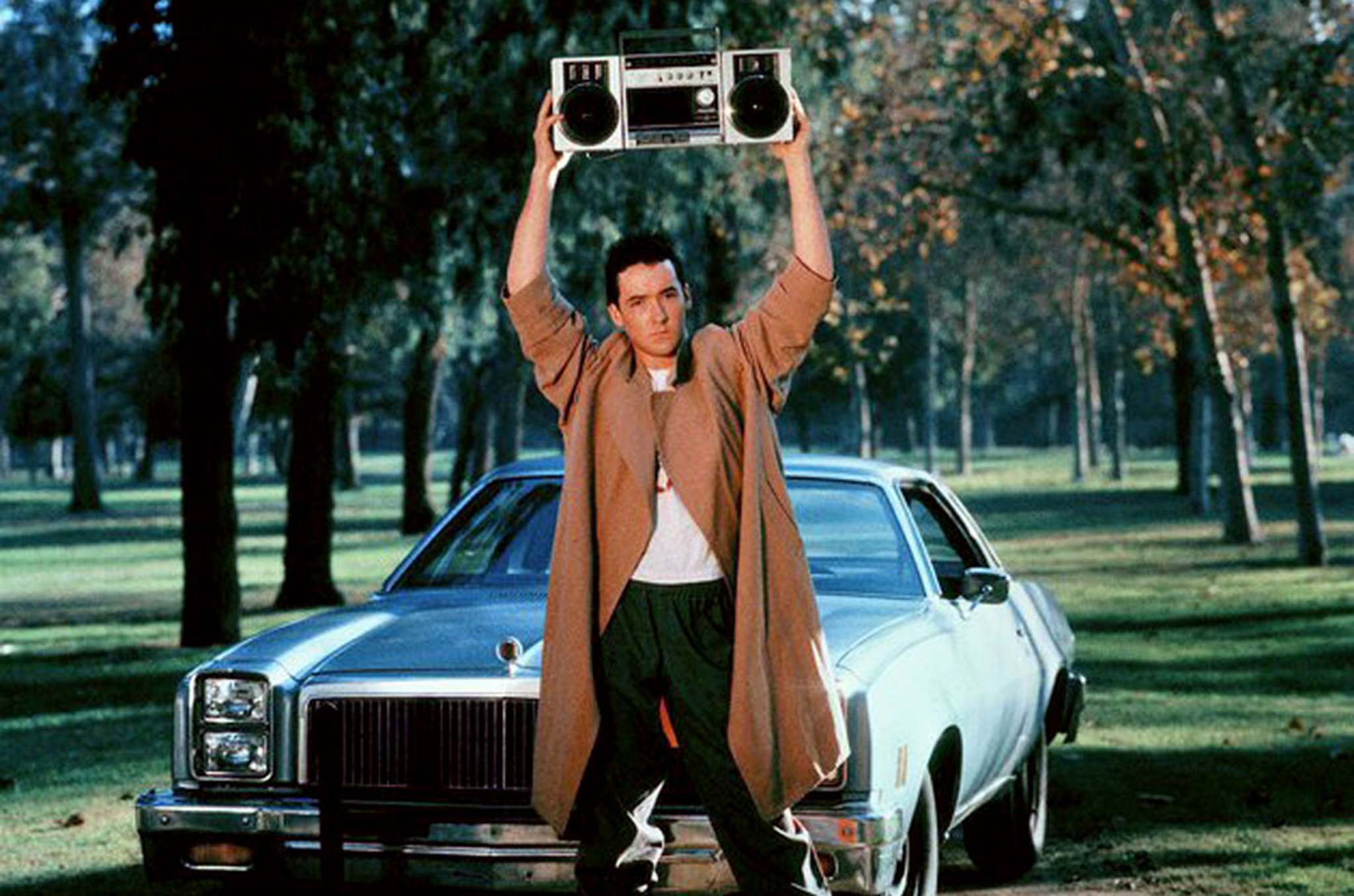
Conclusion
The simple question “what movie is that song in?” has spurred a remarkable wave of technological innovation. From rudimentary credit-scrolling to the instant gratification of AI-powered recognition apps and virtual assistants, technology has utterly transformed how we discover and engage with film music. Tools like Shazam, Google Assistant, advanced search engines, and dedicated databases like TuneFind have not only solved a common frustration but have also opened doors to deeper appreciation and understanding of the musical artistry woven into our favorite cinematic experiences. As AI continues to evolve and immersive technologies like AR become more prevalent, the future promises even more intuitive, personalized, and immersive ways to explore the rich soundscapes of cinema, continuously enriching our connection to the magic where music meets moving pictures.
aViewFromTheCave is a participant in the Amazon Services LLC Associates Program, an affiliate advertising program designed to provide a means for sites to earn advertising fees by advertising and linking to Amazon.com. Amazon, the Amazon logo, AmazonSupply, and the AmazonSupply logo are trademarks of Amazon.com, Inc. or its affiliates. As an Amazon Associate we earn affiliate commissions from qualifying purchases.