
The question of what movie Taylor Swift is in often yields a surprisingly lengthy and diverse list of answers. From animated features to high-concept period dramas and record-breaking concert films, Swift’s filmography is not merely a collection of acting credits; it is a masterclass in strategic brand expansion. In the modern entertainment landscape, Taylor Swift has transitioned from a country-pop prodigy to a global conglomerate, and her calculated forays into cinema represent a sophisticated approach to personal branding, narrative control, and market diversification.

For any brand, the move into a new medium requires a delicate balance of maintaining core values while appealing to a broader demographic. Swift’s cinematic journey illustrates how a multi-hyphenate creator can leverage their existing brand equity to penetrate the film industry, transforming from a “guest star” into a “directorial force.”
The Strategic Integration of Film into the Swift Brand Narrative
In the early stages of her career, Taylor Swift’s film appearances were focused on visibility and brand alignment. At that time, her brand was centered on relatability, youth, and the “girl-next-door” archetype. By selecting roles that mirrored these traits, she reinforced her persona while gaining experience in the high-stakes world of Hollywood.
From Audio to Visual Storytelling: The Early Roles
Swift’s debut in Valentine’s Day (2010) was a quintessential brand move. Playing a high school student in an ensemble romantic comedy allowed her to align with a demographic that already consumed her music. It was a low-risk, high-reward entry point. This was followed by a voice role as Audrey in The Lorax (2012). Voice acting provided a bridge into the family-friendly market, ensuring that her name (and by extension, her brand) was recognizable to a younger generation that might not yet be frequenting stadiums for concerts.
The “Giver” and the Shift to Thematic Maturity
As her music evolved with the Red and 1989 eras, her film choices shifted as well. Her role in The Giver (2014), based on Lois Lowry’s dystopian novel, signaled a move toward more intellectual and somber storytelling. For her brand, this was a signal of maturation. She was no longer just the star of a romantic comedy; she was associating herself with literary adaptations and respected veteran actors like Meryl Streep. This strategic pivot ensured her brand grew alongside her aging fan base.
Analyzing Taylor Swift’s Filmography as Brand Milestones
Every movie Taylor Swift has appeared in serves a specific purpose in her corporate identity. Even projects that were critically panned, such as the 2019 adaptation of Cats, offer valuable insights into how she manages brand risks and reputation.
Commercial Ventures and Experimental Risks
The 2019 film Cats is perhaps the most discussed entry in Swift’s filmography. While the film faced significant critical backlash, from a branding perspective, Swift’s participation was a calculated move into the “musical theater” vertical. She co-wrote “Beautiful Ghosts” for the film, earning a Golden Globe nomination. Even when the visual medium faltered, the musical output reinforced her status as a premier songwriter. This “insulation” is a key tactic in her brand strategy: she ensures that her core competency (songwriting) remains the focal point, regardless of the project’s external reception.
In 2022, she appeared in David O. Russell’s Amsterdam. This move was less about the size of the role and more about the “prestige” of the association. Working with an Academy Award-nominated director and a cast of A-list actors like Christian Bale and Margot Robbie positioned the Taylor Swift brand within the elite circles of auteur cinema. It was a move toward high-culture credibility, distancing her from the “pop star” label and moving her toward “serious artist” territory.
The Documentary as a Personal Branding Masterclass
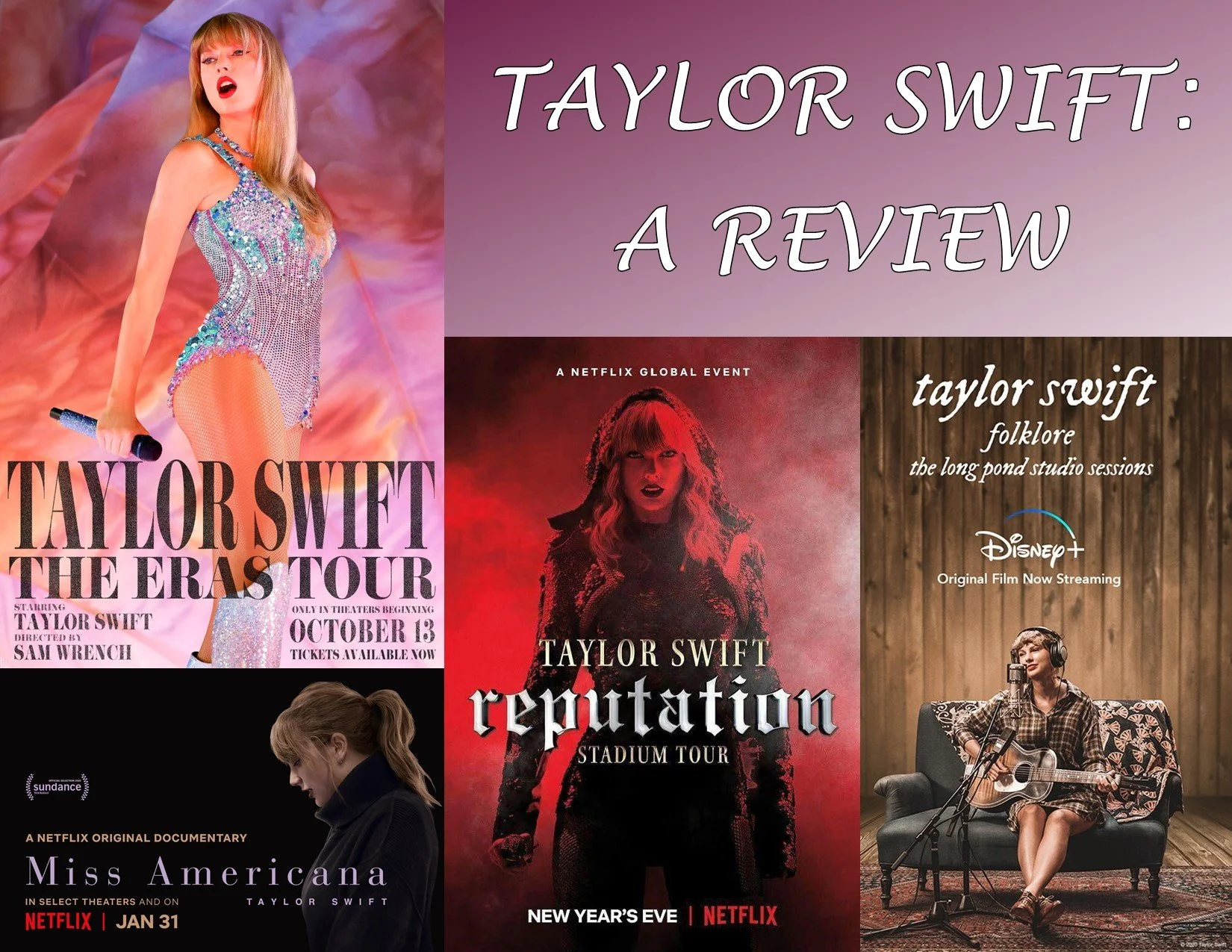
While her narrative roles are notable, Swift’s most impactful cinematic work has been in the documentary space. Miss Americana (2020), directed by Lana Wilson and released on Netflix, is a cornerstone of her brand architecture. The documentary served as a vehicle for narrative reclamation, allowing Swift to address the “vulnerability” and “political awakening” phases of her brand lifecycle.
By pulling back the curtain on the creative process and her personal struggles, she strengthened the emotional bond with her audience—a primary objective in personal branding. Folklore: The Long Pond Studio Sessions (Disney+) functioned similarly but with a focus on “craft.” By documenting the recording process of her eighth studio album, she marketed her intellectual rigor and artistic purity, further solidifying her brand as a songwriter first.
The Evolution from Performer to Directorial Creator

The most significant shift in Swift’s cinematic brand occurred when she moved behind the camera. This transition represents the ultimate stage of brand evolution: from being the “product” to being the “producer.”
“All Too Well: The Short Film” and Directorial Authority
In 2021, Swift released All Too Well: The Short Film, which she wrote and directed. This was not just a music video; it was marketed as a short film and premiered at the Tribeca Film Festival and the Toronto International Film Festival.
From a brand strategy perspective, this was a pivot into the role of “Director.” By taking full creative control, she demonstrated that her brand was capable of high-level visual storytelling without the need for external directors. This project established her “directorial aesthetic”—autumnal, narrative-heavy, and emotionally resonant—which is now a distinct sub-brand within her empire.
The Searchlight Pictures Partnership
The announcement that Swift will direct a feature film for Searchlight Pictures (the studio behind Nomadland and The Shape of Water) is the culmination of years of brand positioning. By choosing a studio known for “prestige indie” films rather than a blockbuster factory, Swift is signaling that her directorial brand will be defined by artistic merit rather than sheer commercialism. This move allows her to occupy a space in the film industry that few musicians have successfully navigated, transitioning from a cameo actor to an industry peer.
The Eras Tour Film: Disrupting the Distribution Model
No discussion of Taylor Swift in film would be complete without analyzing Taylor Swift: The Eras Tour (2023). This movie represents the absolute peak of her brand’s commercial power and its ability to disrupt established industries.
Direct Distribution and Market Power
The branding brilliance of the Eras Tour film lay in its distribution strategy. Swift bypassed the traditional Hollywood studio system, negotiating directly with AMC Theatres. This move was a bold statement of brand independence. She proved that the “Taylor Swift” brand is large enough to operate as its own distributor, effectively cutting out the middleman and retaining a larger share of the profits.
Cinema as an Accessible Brand Experience
The film also served a vital brand function: accessibility. Not every fan could afford a ticket to the physical tour, but a movie ticket was accessible to millions. By bringing the “Eras” experience to cinemas globally, she democratized her brand, ensuring that its cultural dominance reached every corner of the globe simultaneously. The film became a communal event, with “theatre rules” being rewritten by fans, further cementing the brand’s unique relationship with its community.
Lessons in Brand Expansion for Modern Creators
The question “what movie is Taylor Swift in?” reveals a trajectory that any modern brand can learn from. Her journey through cinema is a case study in how to expand a brand without losing its soul.
1. Leverage Multi-Hyphenate Status
Swift never enters a film project as “just an actor.” She often contributes music, serves as a producer, or uses the platform to launch a new aesthetic “era.” Brands should look for ways to integrate their core strengths into new ventures to ensure consistency.
2. Control the Narrative through Visual Media
Through her documentaries and self-directed short films, Swift has shown that the most effective way to manage a brand’s reputation is to tell the story yourself. Visual media is a powerful tool for humanizing a brand and building long-term loyalty.
3. Strategic Association
From Valentine’s Day to Amsterdam, Swift has chosen projects that associate her with specific demographics or levels of prestige. Strategic partnerships—whether with a director, a studio, or a co-star—should always be evaluated based on how they elevate the brand’s standing.
4. Disrupt and Innovate
The Eras Tour film proved that when a brand becomes powerful enough, it no longer has to follow the rules of the industry it is entering. Innovation in distribution and marketing can lead to unprecedented success.
In conclusion, Taylor Swift’s filmography is a testament to the power of a well-executed brand strategy. Whether she is appearing in a brief cameo or directing a feature-length film, every cinematic move is a brick in the wall of a global media empire. She has successfully used the medium of film to evolve her persona, reach new audiences, and eventually, redefine the business of entertainment itself. For Swift, movies are not just entertainment; they are a vital extension of the most powerful personal brand in modern history.
aViewFromTheCave is a participant in the Amazon Services LLC Associates Program, an affiliate advertising program designed to provide a means for sites to earn advertising fees by advertising and linking to Amazon.com. Amazon, the Amazon logo, AmazonSupply, and the AmazonSupply logo are trademarks of Amazon.com, Inc. or its affiliates. As an Amazon Associate we earn affiliate commissions from qualifying purchases.