
The music industry has long functioned as a sophisticated branding machine, where the visual identity of a pop star is as critical as the sonic composition of their tracks. When Sabrina Carpenter released the music video for her hit single “Taste,” the cultural conversation immediately pivoted toward its visual language. By analyzing this release through the lens of brand strategy, it becomes clear that the video is not merely a piece of artistic expression; it is a masterclass in visual storytelling, audience engagement, and the strategic deployment of cult-classic iconography to solidify a brand’s position in the modern zeitgeist.

The Strategic Choice of Cinematic Archetypes
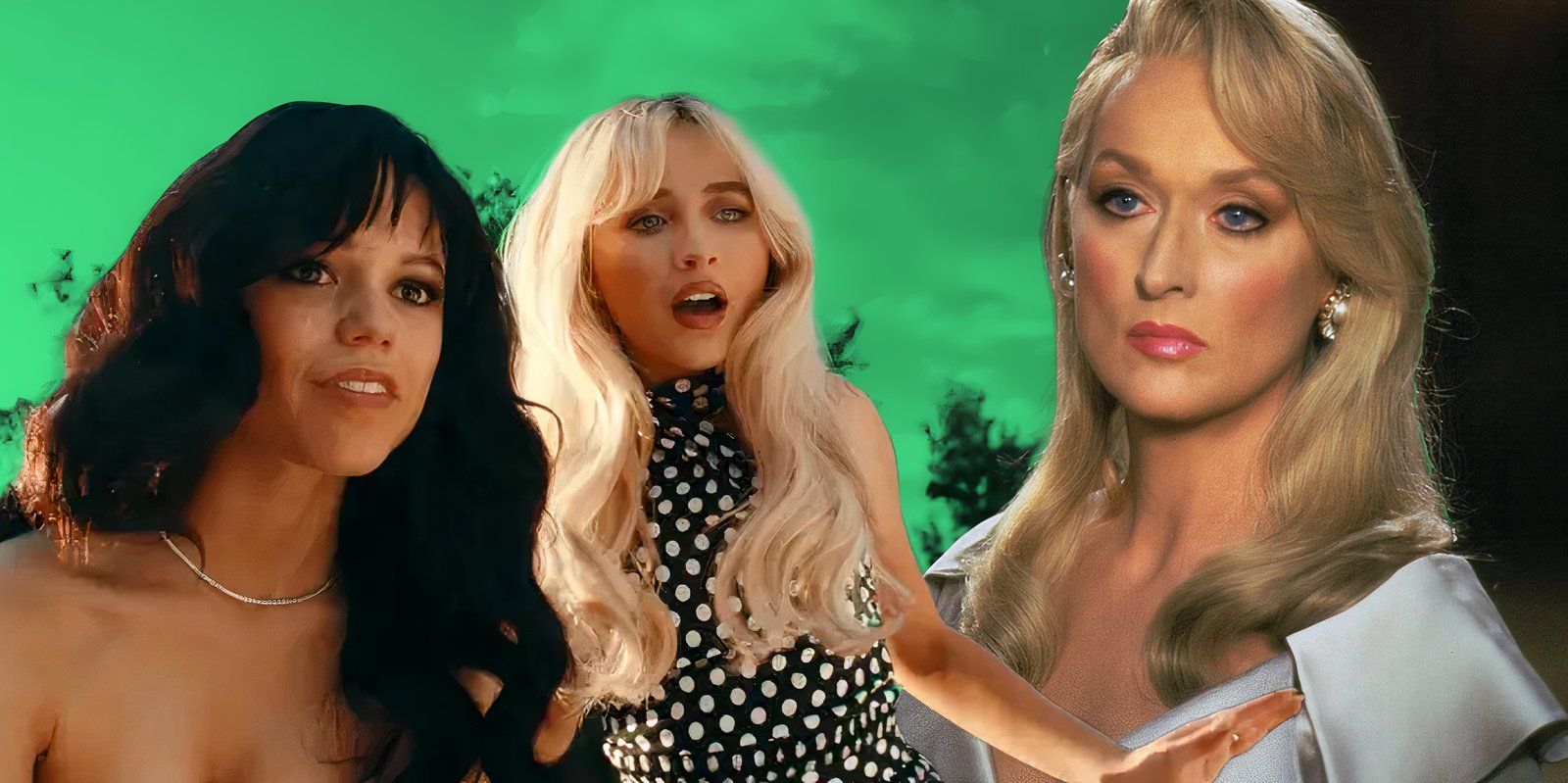
At the core of any successful brand identity is the ability to tap into established cultural memories. In the case of “Taste,” the visual narrative is heavily inspired by the 1992 dark comedy Death Becomes Her. By aligning her personal brand with the aesthetic of Robert Zemeckis’ cult classic, Carpenter achieves several strategic objectives simultaneously.
Leveraging Cultural Capital
When a brand—or a public figure functioning as a brand—references a recognizable film, it creates an immediate bridge to a specific demographic. Death Becomes Her carries a nostalgic, campy, and high-fashion cachet that appeals to both older audiences who grew up with the film and younger audiences who gravitate toward Y2K-inspired aesthetics. This is a deliberate marketing maneuver. By borrowing the visual DNA of the film—specifically the themes of rivalry, immortality, and surrealist physical comedy—Carpenter elevates her personal brand from a simple pop singer to a curated aesthetic figure.
Visual Consistency as Brand Identity
A brand is essentially a promise of experience. In the “Taste” video, the consistency of the color palette, the exaggerated prosthetic makeup, and the slapstick violence serves to reinforce the “brand” of Sabrina Carpenter: witty, slightly subversive, and fashion-forward. The video demonstrates that a well-executed visual strategy can serve as a shorthand for the artist’s personality. The audience doesn’t just listen to the music; they buy into the persona being sold through these cinematic references.
The Mechanics of Viral Marketing Through Referencing
In the digital era, marketing is predicated on the “shareability” of content. The strategy employed in the “Taste” music video is designed to capitalize on internet discourse. By explicitly basing the visual direction on a movie, the artist provides a hook for fans, critics, and content creators to dissect, compare, and discuss.
The Role of Parasocial Engagement
Modern brand strategy relies heavily on the strength of the parasocial relationship. When an artist engages in “Easter egg” marketing—where specific frames of a video are direct homages to legendary cinematic moments—they invite the audience into an intellectual game. Fans feel a sense of ownership over the content because they have “discovered” the reference. This leads to increased engagement on social media platforms like TikTok and X (formerly Twitter), where users create side-by-side comparisons of the music video frames and the original movie stills. This creates organic reach that a traditional advertising campaign could never replicate.
Amplifying Brand Awareness via Controversy and Camp
The high-octane violence and the “frenemy” dynamic featured in the video are strategic choices designed to generate conversation. In marketing, relevance is often tied to a brand’s ability to remain “top of mind.” By pushing the boundaries of the traditional music video format through the dark humor of Death Becomes Her, Carpenter ensures that the brand remains relevant in a crowded digital marketplace. The visual choices are not random; they are calculated to provoke reaction and foster high levels of retention among the target demographic.
Crafting a Visual Legacy Through Cross-Industry Influence
The convergence of film and music video production has reached a point where the lines between the two are increasingly blurred. This is a deliberate strategy for stars who want to transcend the label of “pop singer” and move into the territory of “multimedia icon.”
Designing a Signature Aesthetic
Brand identity is built through repetition and refinement. If one looks at the trajectory of Carpenter’s recent visual output, there is a clear focus on a hyper-feminine yet edgy aesthetic. The reference to Death Becomes Her acts as a milestone in this development. It communicates that the artist’s brand is rooted in high-concept fashion, humor, and a willingness to be “unlikable” in the context of the performance. This is a sophisticated shift from the girl-next-door trope, signaling a transition toward a more complex, mature brand persona that can attract high-end fashion partnerships and long-term brand sponsorships.
The Intersection of High Fashion and Pop Culture
The costumes, styling, and set design in the “Taste” music video are not just set dressing; they are brand assets. By mirroring the iconic looks from the film, the artist positions herself as a fashion authority. Marketing agencies often look for this level of detail when vetting talent for luxury brand collaborations. A music video that successfully integrates cinematic references while maintaining a high-fashion edge proves that the artist is a viable face for premium lifestyle brands. The strategy here is to build a brand that is as much about the visual consumption of products and styles as it is about the music itself.
Measuring the Efficacy of Narrative-Driven Marketing
To understand the success of the “Taste” music video from a branding perspective, one must look at the conversion metrics that follow such a release. While artistic merit is subjective, brand impact is quantifiable.
Strategic Market Positioning
By basing the music video on a specific cinematic work, the artist successfully carves out a niche in the market. The branding is precise: it is for those who appreciate the intersection of classic Hollywood wit and modern pop production. This precision allows for targeted marketing to specific audience segments. Rather than trying to appeal to everyone, the brand appeals to a specific subculture that values nostalgia and irony. This is the cornerstone of sustainable brand growth—building a core audience that is deeply invested in the brand’s lore.

The Long-Tail Effect of Iconic Content
A well-branded music video acts as a long-term asset. Unlike a standard social media post that disappears from a feed within hours, a music video that functions as a cinematic homage remains relevant for years. It becomes a reference point in the artist’s discography and a staple of their brand history. Each time someone discovers Death Becomes Her or revisits the classic film, they are reminded of the music video, creating a perpetual loop of brand awareness.
In conclusion, the decision to model the “Taste” music video after Death Becomes Her is a testament to the power of deliberate branding. It is an exercise in cultural borrowing that provides immediate relatability, fosters deep fan engagement through interactive content, and positions the artist within a high-fashion, high-concept tier of pop stardom. For those studying brand strategy, the video stands as an example of how deep-rooted cinematic iconography can be utilized to solidify a modern identity, proving that in the digital age, a song is rarely just a song—it is a foundation for an entire brand ecosystem.
aViewFromTheCave is a participant in the Amazon Services LLC Associates Program, an affiliate advertising program designed to provide a means for sites to earn advertising fees by advertising and linking to Amazon.com. Amazon, the Amazon logo, AmazonSupply, and the AmazonSupply logo are trademarks of Amazon.com, Inc. or its affiliates. As an Amazon Associate we earn affiliate commissions from qualifying purchases.