
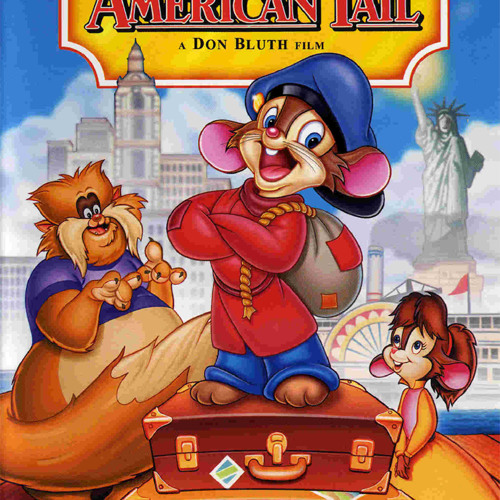
In the landscape of intellectual property and brand identity, the journey of a song often transcends its original medium. “Somewhere Out There,” the iconic ballad that tugged at heartstrings across the globe, serves as a masterclass in how a specific creative asset—a song—can define a brand’s legacy. For those asking what movie this piece originated from, the answer is the 1986 animated classic An American Tail. However, beyond the nostalgia of Don Bluth’s animation, the story of this song provides a profound case study in brand strategy and the enduring power of thematic association.
The Origin: An American Tail as a Brand Milestone
When An American Tail was released in 1986, it was not merely a cartoon about a mouse named Fievel Mousekewitz searching for his family; it was a carefully constructed brand narrative designed to compete with the heavyweights of the era. Produced by Steven Spielberg’s Amblin Entertainment and released by Universal Pictures, the film had to establish a distinct identity that balanced emotional depth with commercial viability.
The Power of the Anthem
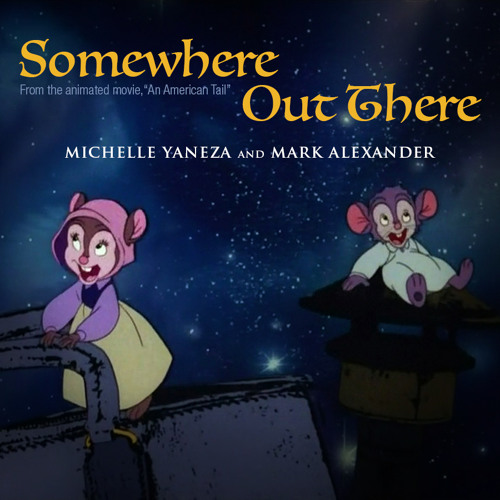
The song “Somewhere Out There,” composed by James Horner, Barry Mann, and Cynthia Weil, acted as the primary marketing hook for the brand. In the context of brand strategy, the song functioned as a “sonic logo”—a mnemonic device that tethered the audience to the core emotional promise of the movie: the triumph of hope over separation. By anchoring the film’s identity to this specific melody, the creators ensured that the brand transcended the screen. The song became a standalone asset, winning Grammy Awards and receiving Academy Award nominations, effectively proving that a strong creative product can act as its own best marketing campaign.
Establishing Emotional Resonance
For a brand to be successful, it must foster an emotional connection with its audience. In the mid-1980s, the animation sector was shifting. By leveraging the melancholy, yet optimistic, tone of “Somewhere Out There,” the film established a “premium” brand identity. It differentiated itself from the slapstick-heavy cartoons of the time, positioning the project as a cinematic event. This strategic positioning is a cornerstone of effective brand identity: defining your product not just by what it is, but by the emotional landscape it occupies in the mind of the consumer.
Strategic Licensing and Intellectual Property Management
Once a creative work achieves the level of cultural ubiquity seen with “Somewhere Out There,” it enters the realm of long-term asset management. The song serves as a perfect example of how intellectual property (IP) can be leveraged to maintain brand relevance across decades.
Brand Extension through Music
Brand strategy is not limited to the initial launch of a product. Companies often use existing assets to signal continuity. By keeping “Somewhere Out There” central to the An American Tail brand, the owners were able to fuel multiple sequels and merchandise lines. The song acts as a bridge, linking the original 1986 consumer to subsequent generations. This is a critical lesson in brand longevity: identity is reinforced by consistency. When a brand revisits its foundational creative assets, it reaffirms its core promise to the consumer, strengthening brand loyalty over time.
Navigating Ownership and Corporate Identity
The history of An American Tail also highlights the complexities of corporate identity and licensing. As studios consolidate and IP rights shift, the brand identity remains tethered to the most recognizable elements—in this case, the song. From a corporate strategy perspective, identifying which assets possess the highest “brand equity” is essential. When organizations evaluate their portfolio, they must determine which elements, like “Somewhere Out There,” represent the “soul” of the brand. Protecting these assets is not just about legal rights; it is about preserving the core value proposition that defined the brand’s success in the first place.

The Role of Cultural Anchoring in Marketing
Marketing is fundamentally about creating a shortcut in the consumer’s brain that leads them to a specific feeling or brand. “Somewhere Out There” is a textbook example of cultural anchoring—a marketing tactic where an external stimulus (the song) triggers an immediate, visceral connection to a brand (the movie/franchise).
Consistency Across Touchpoints
A cohesive brand strategy requires that every touchpoint—visuals, audio, messaging, and values—speaks the same language. An American Tail succeeded because the film’s narrative, its visual animation style, and its musical score were in perfect alignment. When a brand misaligns these elements, the message becomes diluted, and the consumer loses interest. By ensuring the song was used consistently in marketing, trailer spots, and soundtrack promotions, the producers created a seamless brand experience that became synonymous with the film itself.
Leveraging Nostalgia as a Marketing Tool
In contemporary brand strategy, nostalgia is a powerful driver of engagement. “Somewhere Out There” serves as a “nostalgia anchor.” Today, brands frequently use similar techniques to tap into the memories of their target demographic. By analyzing how An American Tail utilized this specific song, modern marketers can understand how to evoke a similar response. It is not just about playing a hit song; it is about choosing an asset that encapsulates the brand’s fundamental promise. When a brand can trigger a positive emotional memory through a consistent sensory experience, it gains a significant competitive advantage.
Lessons for Modern Brand Architects
As we look at the intersection of media, music, and brand identity, the legacy of “Somewhere Out There” provides actionable insights for anyone involved in building or managing a brand.
Identity Is More Than a Logo
Many businesses mistakenly believe that their brand identity begins and ends with a logo or a color palette. As demonstrated by the impact of this song, true brand identity is found in the “why” of the product. The song articulated the “why” of An American Tail—the universal need for connection—far more effectively than any visual asset could have. A strong brand strategy focuses on identifying these core emotional drivers and weaving them into every aspect of the communication strategy.
Building for Longevity
The longevity of the song proves that when a brand invests in high-quality creative output, the returns on investment can span generations. While many marketing campaigns are designed for short-term impact, the most successful brands build assets that have shelf lives beyond the initial launch. Whether it is a signature jingle, a brand voice, or a recurring narrative theme, these enduring assets are the building blocks of a sustainable brand.
The Synthesis of Strategy and Emotion
Ultimately, “Somewhere Out There” serves as a reminder that the most effective branding is human-centric. It speaks to a universal truth. When a company aligns its strategic goals with a genuine human experience—be it the desire for belonging, the pursuit of success, or the joy of discovery—the brand transcends its product category. The song is not just a piece of music from a movie; it is a vital component of a brand strategy that succeeded because it dared to be emotionally resonant.
By understanding the story behind “Somewhere Out There,” we gain a clearer perspective on how to construct a brand that isn’t just seen, but felt. It confirms that the most powerful tools in a marketer’s arsenal are those that help the audience find a piece of themselves in the story being told. As we navigate the evolving landscape of digital branding, the lesson remains: define your emotional anchor, align your assets, and ensure that every element of your strategy serves to reinforce that singular, powerful message. Through this meticulous approach, brands move from being mere commodities to becoming essential parts of the cultural conversation.
aViewFromTheCave is a participant in the Amazon Services LLC Associates Program, an affiliate advertising program designed to provide a means for sites to earn advertising fees by advertising and linking to Amazon.com. Amazon, the Amazon logo, AmazonSupply, and the AmazonSupply logo are trademarks of Amazon.com, Inc. or its affiliates. As an Amazon Associate we earn affiliate commissions from qualifying purchases.