
The question of what movie Oogie Boogie is from often serves as the entry point into a fascinating case study of brand endurance, intellectual property (IP) management, and the power of visual identity. Oogie Boogie is the primary antagonist of the 1993 stop-motion animated feature The Nightmare Before Christmas. While the film was originally released under Disney’s Touchstone Pictures banner—due to concerns that the content might be too dark for the core Disney brand—it has since evolved into one of the most profitable and recognizable franchises in the global entertainment portfolio.
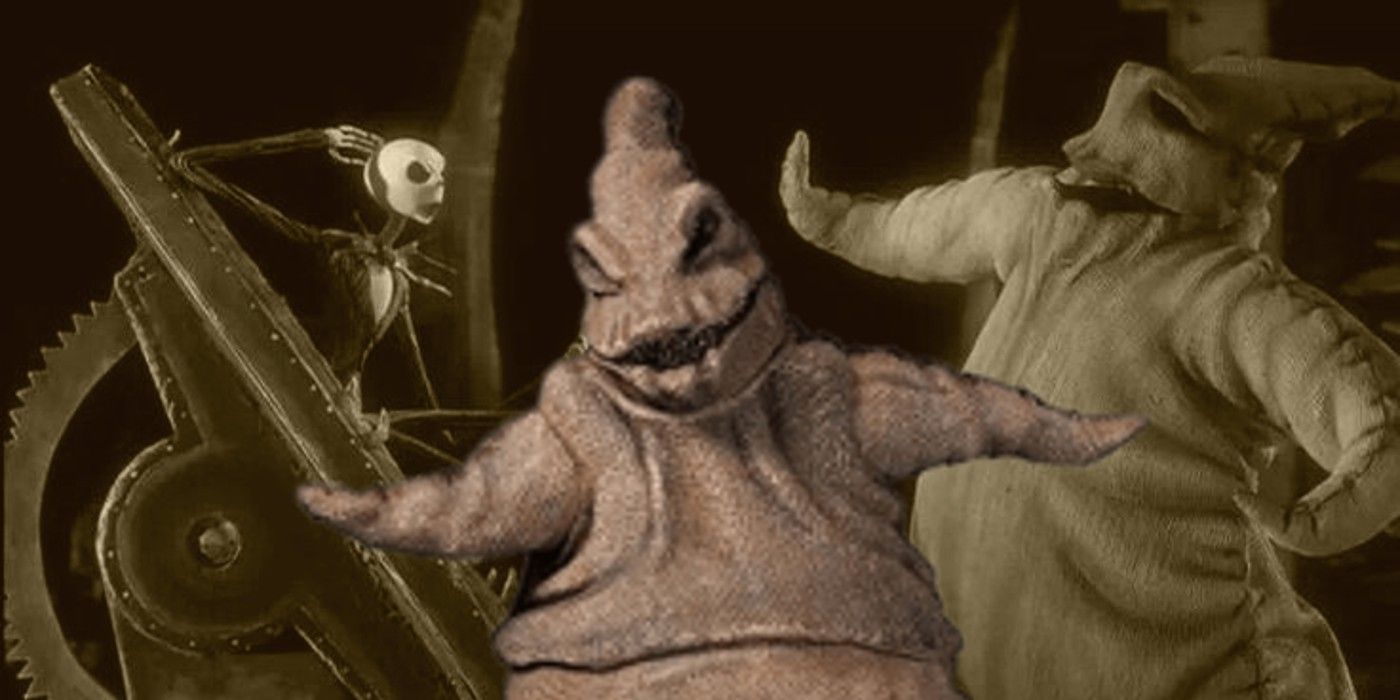
The trajectory of Oogie Boogie from a niche stop-motion villain to a centerpiece of seasonal marketing is a masterclass in brand strategy. It demonstrates how a secondary character can transcend their original medium to become a standalone commercial asset, driving revenue through theme park attractions, high-end collectibles, and a permanent place in the cultural zeitgeist.
The Cinematic Origins and the Birth of a Brand Persona
To understand why Oogie Boogie remains a household name decades after his debut, one must look at the specific visual architecture of The Nightmare Before Christmas. Directed by Henry Selick and produced by Tim Burton, the film introduced a distinct “Burtonesque” aesthetic that carved out a new niche in the market: the “spooky-sweet” demographic.
The Power of Visual Differentiation
In branding, differentiation is the key to survival. Oogie Boogie stands out because his design departs radically from the traditional sleekness of movie villains. He is a burlap sack filled with insects, a physical manifestation of “the boogeyman” trope. His neon-green glow under blacklight and his gambling-themed lair provided a visual identity that was immediately distinguishable from the gothic, monochromatic tones of Halloween Town. This high-contrast aesthetic made the character highly “brandable”—easy to replicate in merchandise and instantly recognizable in a crowded marketplace.
Establishing the “Burton” Brand
The film itself served as a vehicle to solidify the “Tim Burton” brand name. Even though Burton did not direct the film, his stylistic fingerprints were used as a marketing tool. This is an early example of director-as-brand, where a specific visual style becomes a promise to the consumer. For Oogie Boogie, this meant being part of an elite tier of characters that appealed to an alternative audience—the “misfits” and the “counter-culture” enthusiasts—which eventually moved into the mainstream.
Strategic Seasonality: The Marketing Genius of The Nightmare Before Christmas
The most significant brand achievement of the movie Oogie Boogie is from is its mastery of “dual-seasonality.” Most intellectual properties are tied to a specific window of relevance. However, The Nightmare Before Christmas successfully occupies the two most lucrative retail periods of the year: October (Halloween) and December (Christmas).
Occupying the White Space
Before the rise of this film’s popularity, there was a distinct “white space” in the market between the end of October and the beginning of the Christmas shopping season. By positioning Oogie Boogie and Jack Skellington as icons of both holidays, Disney created a perpetual marketing loop. From a brand strategy perspective, this is the ultimate goal—creating a product that never goes out of style and has a recurring annual peak in demand.

The “Oogie Boogie Bash” and Experience Branding
The character’s transition from a screen villain to a physical brand experience is best exemplified by the “Oogie Boogie Bash” at Disney California Adventure. This seasonal event leverages the character’s name as a primary draw. By naming the entire event after the villain rather than the protagonist, the brand acknowledges Oogie Boogie’s unique pull. It shows a deep understanding of consumer psychology: audiences are often more drawn to the “edge” and “danger” of a villainous brand than the safety of a heroic one. This “experience branding” allows the IP to generate revenue far beyond ticket sales and streaming royalties.
The Commercial Power of Character Design and Merchandising
Oogie Boogie’s design is not just an artistic choice; it is a functional commercial asset. In the world of brand strategy, a character must be “translatable” across various mediums—from plastic figurines to plush toys to digital avatars.
Tactile and Visual Appeal in Merchandise
The burlap texture of Oogie Boogie offers a tactile quality that translates exceptionally well to plush toys and apparel. Furthermore, his gambling motif—using dice and a roulette wheel—allows for a wide range of peripheral products, such as board games, accessories, and even casino-themed collectibles. This versatility is a “force multiplier” for the brand. When a character’s traits can be easily integrated into different product categories, the lifetime value of that IP increases exponentially.
The Role of Voice and Personality
The brand of Oogie Boogie is also heavily tied to his personality. Voiced by Ken Page, the character’s “Cab Calloway-esque” showmanship gave him a charismatic, jazz-inspired energy that differentiated him from the brooding or purely evil villains of the era. In branding, the “voice” of a product is just as important as its logo. Oogie Boogie’s boisterous, theatrical persona makes him approachable despite being a monster, allowing the brand to appeal to children and adults simultaneously. This multi-generational appeal is the “holy grail” of IP management.
Intellectual Property Management and the “Oogie Boogie” Effect
The story of the movie Oogie Boogie is from is also a story of how a corporate entity manages a “cult” brand without diluting its value. Disney’s handling of The Nightmare Before Christmas provides several lessons for modern brand managers.
Transitioning from Sub-Brand to Core Asset
As mentioned, the film was initially released under Touchstone Pictures to protect the main “Disney” brand from being perceived as too scary. However, as consumer tastes evolved and the “alternative” aesthetic became more mainstream, Disney strategically moved the film into its core lineup. This shows the importance of brand flexibility—the ability to re-evaluate an asset’s position in the portfolio based on shifting cultural trends. Today, Oogie Boogie is a central figure in the Disney Villains franchise, a sub-brand that generates billions in annual revenue.
Protecting Brand Equity Through Consistency
One reason Oogie Boogie remains relevant is the strict maintenance of his brand equity. Whether he appears in a video game like Kingdom Hearts, a parade at a theme park, or a limited-edition sneaker collaboration, his core attributes remain unchanged. He is always the high-stakes gambler, always associated with neon colors, and always maintains his mischievous, theatrical tone. For brand strategists, this highlights the necessity of “brand guidelines.” Even when an IP is used in diverse ways, maintaining the core DNA of the character is what prevents brand fatigue and keeps the audience loyal.

The Future of the Oogie Boogie Brand
Looking forward, the brand of Oogie Boogie is likely to expand even further as digital platforms and “metaverse” experiences grow. The character’s unique environment—the “Oogie Boogie Lair”—is perfectly suited for immersive digital environments. By continuing to innovate how consumers interact with the character, the owners of the IP ensure that the question “what movie is Oogie Boogie from” will be answered by new generations for decades to come.
In conclusion, Oogie Boogie is more than just a character from a 1993 film; he is a cornerstone of a multi-billion dollar branding strategy. Through visual differentiation, strategic seasonality, and meticulous IP management, the “Bag of Bugs” has become a permanent fixture in the global brand landscape. His journey from a risky, dark project to a mainstream seasonal icon serves as a definitive example of how visionary design and clever marketing can create a brand that truly never dies.
aViewFromTheCave is a participant in the Amazon Services LLC Associates Program, an affiliate advertising program designed to provide a means for sites to earn advertising fees by advertising and linking to Amazon.com. Amazon, the Amazon logo, AmazonSupply, and the AmazonSupply logo are trademarks of Amazon.com, Inc. or its affiliates. As an Amazon Associate we earn affiliate commissions from qualifying purchases.