
When consumers ask the question, “What movie is Michael Myers in?” they are not merely seeking a filmography. From a strategic perspective, they are engaging with one of the most successful examples of brand recognition in the history of the entertainment industry. Michael Myers, the central antagonist of the Halloween franchise, represents more than a cinematic character; he is a masterclass in visual identity, market positioning, and long-term brand equity.
Since his debut in 1978, Michael Myers—often referred to in scripts as “The Shape”—has anchored a multi-billion dollar intellectual property (IP) that spans thirteen films, novels, video games, and an endless stream of merchandise. To understand the branding power of Michael Myers is to understand how a minimalist concept can be scaled into a global icon that transcends the medium of film itself.
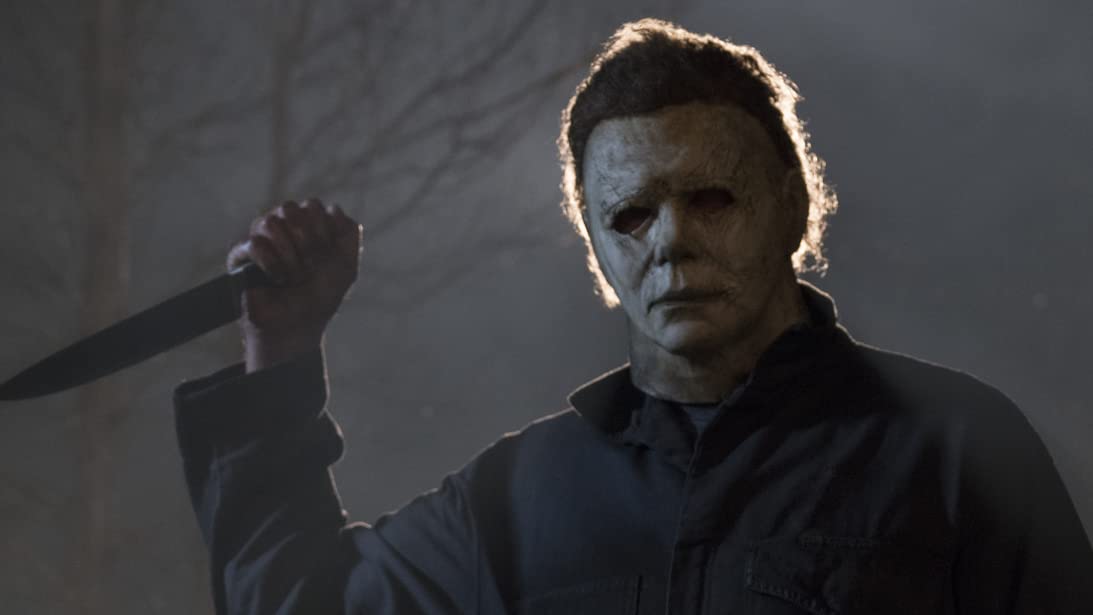
The Identity of the Shape: Defining the Michael Myers Brand Architecture
In the world of corporate identity, a logo must be simple, memorable, and adaptable. For the Halloween franchise, Michael Myers’ appearance serves as the primary visual asset. The creation of this identity was born out of necessity but evolved into a pinnacle of brand minimalism.
The Mask as a Minimalist Logo
The most recognizable element of the Michael Myers brand is his mask. Interestingly, the mask was originally a modified Captain Kirk mask, painted white and stripped of its features. This choice created a “blank slate” aesthetic. In branding terms, this is equivalent to a high-contrast, minimalist logo. By removing human emotion from the face, the “brand” of Michael Myers became a vacuum into which the audience could project their own fears. This lack of specific detail makes the brand highly adaptable across different eras of filmmaking, ensuring that whether it is 1978 or 2022, the core visual remains instantly recognizable.
The Sonic Brand: The Halloween Theme
Just as Intel or McDonald’s uses a “sonic logo” to trigger immediate brand recall, the Halloween franchise utilizes John Carpenter’s iconic 5/4 time signature score. The moment those piano notes play, the consumer knows exactly what product they are engaging with. This auditory branding is so potent that it can evoke the entire history of the franchise without a single frame of footage being shown. For Michael Myers, the music serves as a brand promise—a signal that tension, suspense, and the “Boogeyman” are imminent.
Consistent Persona as Brand Reliability
Brand loyalty is built on consistency. Throughout the majority of the franchise, Michael Myers adheres to a strict “behavioral style guide.” He does not speak, he does not run, and he does not show remorse. This consistency ensures that the “user experience” remains stable. When fans buy a ticket to a movie featuring Michael Myers, they have a set expectation of the character’s performance. Any deviation from this—such as the attempts to humanize him in certain sequels—often results in brand dilution and negative consumer feedback.
Franchise Evolution: Navigating Decades of Brand Positioning
The question of which movie Michael Myers is in is complicated by the franchise’s complex timeline. From a brand management standpoint, the Halloween series has undergone several “reboots” or “refreshes” to stay relevant to changing market demographics.
The 1978 Original: Market Disruption
The original Halloween was a classic “disruptive” product. Produced on a shoestring budget, it utilized innovative cinematography and pacing to redefine the horror genre. It established the “slasher” category, effectively creating a new market niche. At this stage, the Michael Myers brand was an indie success story, proving that high ROI (Return on Investment) could be achieved through strong creative vision rather than massive capital expenditure.
The Halloween III Pivot: A Case Study in Brand Confusion
In 1982, the franchise attempted a daring brand extension with Halloween III: Season of the Witch. This film did not feature Michael Myers. The strategic intent was to turn Halloween into an anthology brand, where each year featured a different story centered around the holiday. However, the experiment failed because the Michael Myers character had already become synonymous with the Halloween brand name. This serves as a vital lesson in brand equity: if your audience associates your brand name with a specific “product feature” (in this case, Michael Myers), removing that feature can lead to total market rejection.
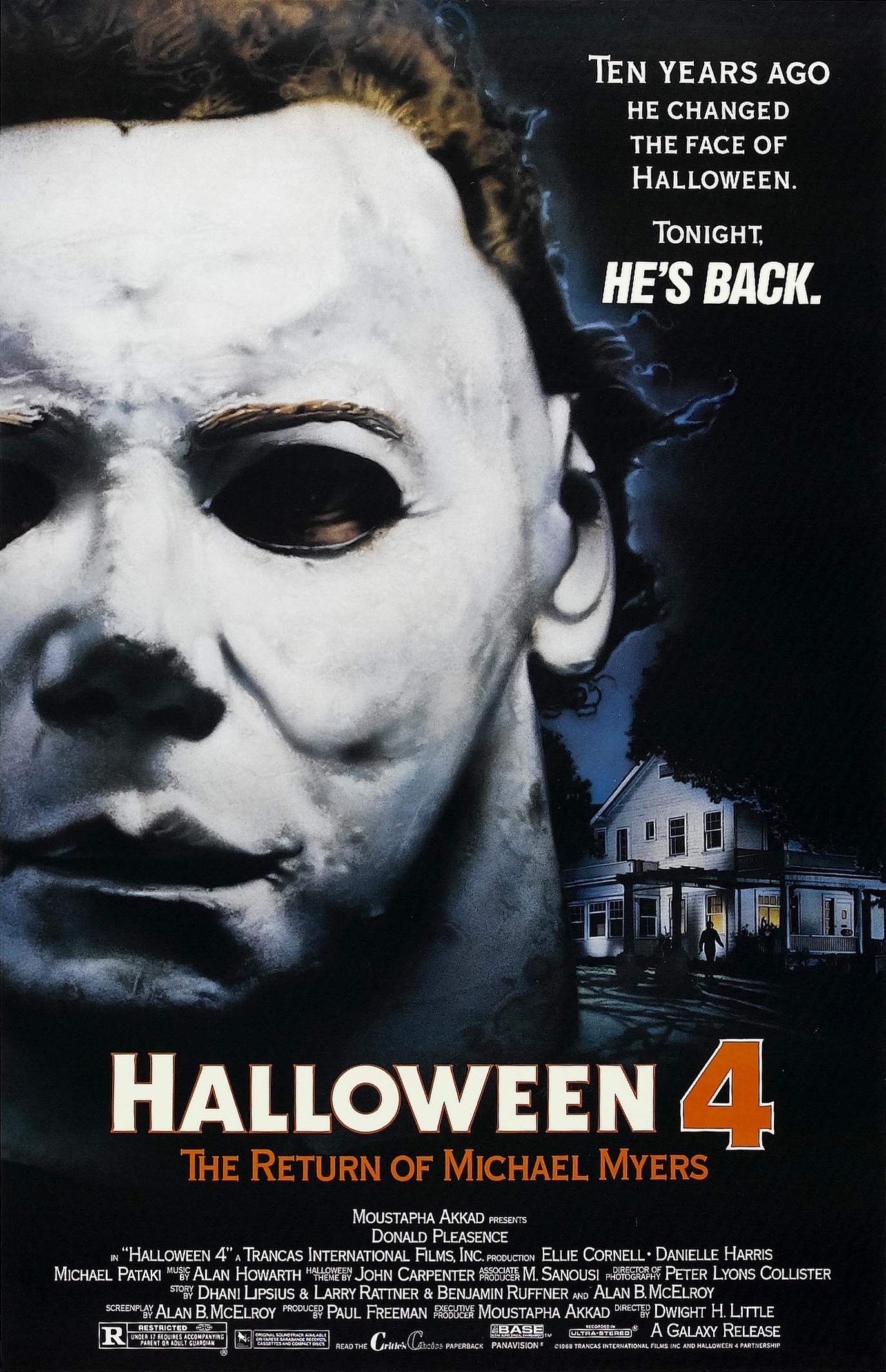
The H40 Trilogy: Modernizing a Heritage Brand
The most recent iteration of the franchise, beginning with the 2018 film Halloween, represents a sophisticated heritage brand refresh. By ignoring the continuity of the previous sequels and returning to the roots of the 1978 original, the producers performed a “clean slate” rebrand. This allowed them to capture both the “legacy” market (older fans of the original) and the “new” market (younger audiences accustomed to modern production values). This trilogy leveraged the “nostalgia economy” to generate hundreds of millions of dollars in box office revenue, proving that a well-managed legacy brand is virtually immortal.
The Commercial Power of Fear: Licensing and Merchandising the Boogeyman
Michael Myers is a premier example of how an IP can be monetized through licensing. The character has moved far beyond the confines of the theater, becoming a year-round revenue generator.
Cross-Platform Brand Extensions
The digital age has allowed Michael Myers to enter the “metaverse” of gaming. His inclusion as a licensed character in the hit game Dead by Daylight introduced the brand to a generation of gamers who may not have seen the original films. This is a classic “brand partnership” strategy, where the character’s equity is used to drive microtransactions and DLC (Downloadable Content) sales. It keeps the Michael Myers brand top-of-mind during the long gaps between film releases.
Seasonal Marketing and Holiday Association
Rarely has a brand successfully “owned” a holiday as effectively as Halloween has owned October 31st. Through the association of the character with the holiday name, the brand benefits from an annual, organic marketing push. Every October, the Michael Myers brand sees a massive spike in visibility, search volume, and merchandise sales. This seasonal “halo effect” reduces the need for year-round advertising spend, as the cultural calendar does the heavy lifting for the brand’s awareness.
Collectibles and the Luxury Market
The branding of Michael Myers has even moved into the high-end collectible market. Companies like Trick or Treat Studios and various “boutique” toy manufacturers produce hyper-realistic masks and statues that retail for hundreds of dollars. This segment of the brand caters to “super-users”—dedicated fans who view the brand as a lifestyle or a serious hobby. By segmenting the market into casual viewers and high-value collectors, the franchise maximizes its total addressable market (TAM).
Lessons in Brand Longevity from the Halloween Franchise
Why does the world still care about what movie Michael Myers is in after forty-five years? The longevity of this brand offers several insights for modern businesses and brand managers.
Managing Brand Dilution
With thirteen films, the Halloween brand has faced significant periods of dilution. Some sequels were poorly received, threatening to turn the character into a parody of himself. However, the IP holders have successfully utilized “course corrections” (reboots) to restore the brand’s prestige. This demonstrates the importance of monitoring brand health and being willing to “pivot” or “revert to core values” when the market indicates that the brand has strayed too far from its USP (Unique Selling Proposition).
The Synergy of the “Scream Queen”
A brand is often defined by its rivals or counterparts. The “Michael Myers” brand is inextricably linked to the “Laurie Strode” brand, played by Jamie Lee Curtis. This rivalry created a dual-brand synergy that elevated both characters. In branding, this is similar to the competitive relationship between Coke and Pepsi or Apple and Microsoft. The conflict itself becomes part of the brand’s narrative, driving consumer engagement through decades-long story arcs.

Embracing Archetypal Power
Finally, the Michael Myers brand survives because it taps into a universal archetype: the unstoppable force. In marketing, tapping into fundamental human emotions—fear, curiosity, the need for resolution—is a shortcut to creating a lasting impression. Michael Myers is not just a character in a movie; he is a personification of an abstract concept. Brands that represent more than their functional utility (in this case, just a movie character) tend to have the highest levels of customer retention and cultural significance.
In conclusion, when we answer “What movie is Michael Myers in?” we are tracing the journey of a 1970s startup that became a cornerstone of the horror industry. Through disciplined visual identity, strategic market positioning, and savvy licensing, the Michael Myers brand has become a permanent fixture in the global cultural landscape. It is a testament to the fact that with the right brand architecture, even a silent man in a white mask can build an empire.
aViewFromTheCave is a participant in the Amazon Services LLC Associates Program, an affiliate advertising program designed to provide a means for sites to earn advertising fees by advertising and linking to Amazon.com. Amazon, the Amazon logo, AmazonSupply, and the AmazonSupply logo are trademarks of Amazon.com, Inc. or its affiliates. As an Amazon Associate we earn affiliate commissions from qualifying purchases.