
The release of Avengers: Endgame in 2019 represented more than just a cinematic milestone; it was a peak branding event that concluded a decade of meticulous narrative architecture. For the Marvel Cinematic Universe (MCU), the film was the ultimate deliverable of a brand promise made in 2008 with Iron Man. However, once the credits rolled and the “Infinity Saga” concluded, the Disney-owned brand faced a significant strategic challenge: how to maintain consumer engagement and brand equity after reaching a definitive climax.
The immediate answer to “what movie is after Endgame” is Spider-Man: Far From Home. While technically the final film of Phase 3, its role was primarily that of a brand bridge—a transitionary piece of content designed to manage the “emotional debt” of the audience while signaling the next iteration of the corporate roadmap. Understanding the post-Endgame era requires an analysis of how a global mega-brand pivots when its primary icons are retired and its storytelling model must evolve to accommodate new platforms and shifting market demographics.

The Brand Bridge: Spider-Man and the Management of Grief
In branding, the “climax” of a product lifecycle often leads to a period of cooling. After the high-stakes resolution of Endgame, Marvel Studios could not simply pivot to a new, disconnected story without addressing the vacuum left by the departure of its two primary brand ambassadors: Tony Stark (Iron Man) and Steve Rogers (Captain America).
Re-establishing the Human Element
Spider-Man: Far From Home served as the necessary “epilogue” to the Infinity Saga. From a brand strategy perspective, Peter Parker was the perfect vehicle for this transition. As a character deeply tied to the legacy of Tony Stark, he acted as a proxy for the audience. By focusing on Peter’s grief and his reluctance to step into the shoes of a “world-class” hero, the brand validated the audience’s own sense of loss. This tactical move ensured that the brand didn’t feel “restarted” but rather “evolved.”
Maintaining Continuity Through Legacy
The marketing for the film heavily emphasized the question, “Who will be the next Iron Man?” This wasn’t just a plot point; it was a brand positioning statement. By framing the future of the MCU around the legacy of its past, Marvel ensured that the brand equity built over 22 films remained relevant. The film successfully transitioned the MCU from an era of “The Avengers” to an era of “The Multiverse,” using a familiar, high-equity character to introduce complex new concepts.
Expanding the Brand Architecture: The Disney+ Integration
Following the bridge of Spider-Man, Marvel entered a new phase of brand expansion. This period was characterized by a fundamental shift in how the brand delivered its value proposition. The launch of Disney+ allowed the MCU to move from a purely theatrical brand to a multi-channel ecosystem.
Diversification of Content Formats
With the start of Phase 4, the movie following Far From Home was delayed due to global events, leading to a pivot where television series like WandaVision and The Falcon and the Winter Soldier became the primary touchpoints for the brand. This was a sophisticated exercise in brand stretching. By utilizing long-form storytelling, Marvel was able to deepen the brand loyalty of niche audience segments, focusing on character development that a two-hour film could not support.
The Theatrical Return with Black Widow
When theatrical releases resumed, the first movie strictly following the “Endgame era” (Phase 4) was Black Widow. Strategically, this was a retrospective brand move. It functioned as a “prequel” that filled in brand history, providing a sense of closure for a long-standing character while introducing new “sub-brands” like Yelena Belova. This approach allowed the parent brand to de-risk its future investments by testing the market’s appetite for new leads within the safety of a familiar name.
Rebranding the Hero Archetype: Cultural Relevance and New Markets
One of the most critical shifts in the post-Endgame strategy was the intentional diversification of the brand’s portfolio. For a brand to remain sustainable over decades, it must expand its consumer base and reflect the evolving values of a global audience.
Targeting Global Growth with Shang-Chi
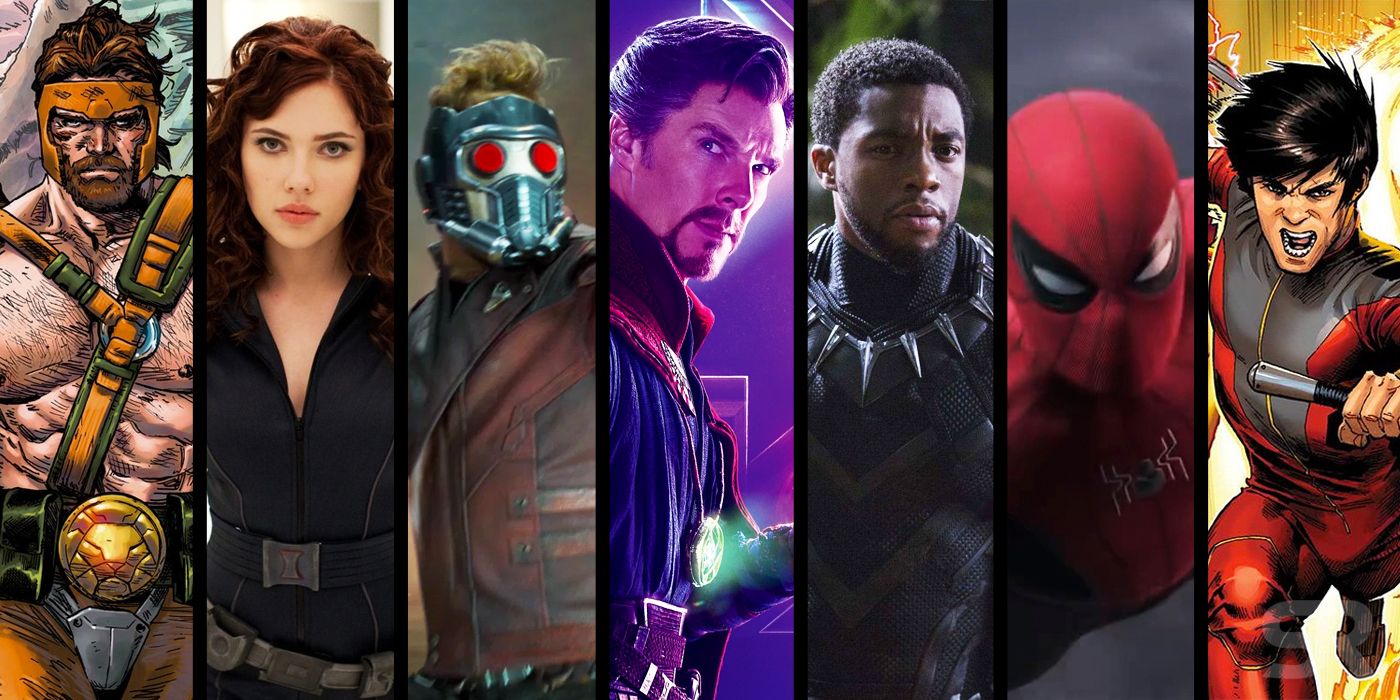
Shang-Chi and the Legend of the Ten Rings represented a significant brand expansion into Asian markets and a more diverse domestic demographic. From a corporate identity standpoint, this was an move to prove that the “Marvel Brand” was bigger than its original roster. The success of Shang-Chi validated the brand’s ability to launch entirely new IPs (Intellectual Properties) that didn’t rely on established Western archetypes, thereby increasing the brand’s global market share.
The Experimental Phase: Eternals
While movies like Shang-Chi followed a proven brand formula, Eternals represented a brand experiment. It attempted to shift the “Marvel Aesthetic”—the visual and tonal consistency of the brand—toward something more auteur-driven and philosophical. While the critical reception was polarized, it provided the brand with valuable data on the limits of its “house style.” In brand management, understanding the boundaries of your identity is as important as understanding its core.
The Multiverse as a Strategic Framework
The post-Endgame narrative eventually landed on a singular organizational principle: the Multiverse. From a brand strategy perspective, the Multiverse is an ingenious tool for managing a complex portfolio of IPs.
Brand Revitalization Through Nostalgia
As seen in Spider-Man: No Way Home and Doctor Strange in the Multiverse of Madness, the Multiverse allows Marvel to “rent” brand equity from previous, non-MCU film iterations (such as the Tobey Maguire or Andrew Garfield eras). This is a form of brand co-branding, where the current MCU brand integrates successful legacy elements to create a “event” atmosphere that rivals the scale of Endgame.
Future-Proofing the IP
The Multiverse also solves the “Brand Longevity” problem. It allows the studio to recast characters, explore “what if” scenarios, and maintain a non-linear brand history. This ensures that the brand can never truly “end.” If a certain character or storyline fails to resonate, the Multiverse provides a narrative “reset button” that doesn’t require a total reboot of the corporate identity.
Managing Brand Fatigue in a Saturated Market
As the MCU progressed further away from Endgame, it encountered the most significant threat to any dominant brand: fatigue. When a brand produces too much content, the perceived value of each individual “product” can diminish.
The “Quality vs. Quantity” Dilemma
In the years following Endgame, the sheer volume of movies and series led to a perceived dilution of the Marvel brand. Critics and audiences began to note a “homogenization” of the content. For the brand to survive another decade, the strategy must pivot from saturation to curation. Recent corporate shifts at Disney indicate a return to this curated approach, slowing down the release cadence to ensure that each movie feels like a premium event rather than a routine update.
Redefining the “Event” Movie
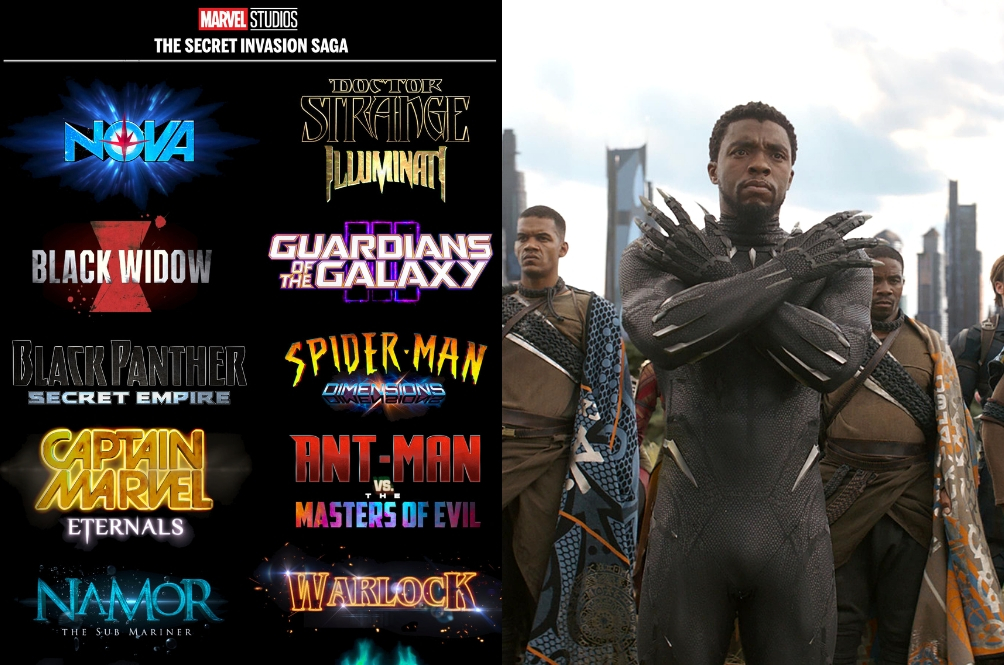
The movie following Endgame was a bridge; the movies that followed were an expansion. The next stage of the brand lifecycle is about refining. The MCU is currently working to identify which new characters (such as the Fantastic Four or the X-Men) carry the same high-level brand equity as the original Avengers. By integrating these high-value legacy IPs into the existing ecosystem, Marvel aims to recreate the “must-see” brand power that culminated in 2019.
Conclusion: The Lifecycle of a Cinematic Mega-Brand
The question of “what movie is after Endgame” is ultimately a question about how a brand survives its own success. Spider-Man: Far From Home provided the initial answer by offering continuity and emotional closure. However, the true “post-Endgame” era is a multifaceted brand evolution characterized by platform diversification, global market expansion, and the implementation of the Multiverse as a permanent brand architecture.
For Marvel, the challenge remains to maintain the delicate balance between the “New” and the “Known.” By leveraging the legacy of the past while aggressively pursuing diverse and experimental narratives, the MCU continues to function as the gold standard for franchise branding. The post-Endgame journey is a testament to the power of a well-managed brand identity—one that can lose its primary icons and still command the attention of the global zeitgeist.
aViewFromTheCave is a participant in the Amazon Services LLC Associates Program, an affiliate advertising program designed to provide a means for sites to earn advertising fees by advertising and linking to Amazon.com. Amazon, the Amazon logo, AmazonSupply, and the AmazonSupply logo are trademarks of Amazon.com, Inc. or its affiliates. As an Amazon Associate we earn affiliate commissions from qualifying purchases.