
In the modern marketplace, a brand is far more than a logo or a product line; it is a complex emotional contract between a corporation and its community. However, even the most meticulously managed brands are susceptible to failure. Whether it is a data breach, a product recall, or a controversial marketing campaign, transgressions are inevitable. In an era defined by “cancel culture” and instant social media backlash, a critical question emerges for strategists: What motivates a consumer to forgive a brand?
Understanding the motivation behind consumer forgiveness is not merely a psychological exercise; it is a fundamental pillar of brand strategy and corporate resilience. When a brand breaks its promise, the path to redemption depends on the depth of the previous relationship, the nature of the mistake, and the strategic transparency of the recovery effort.
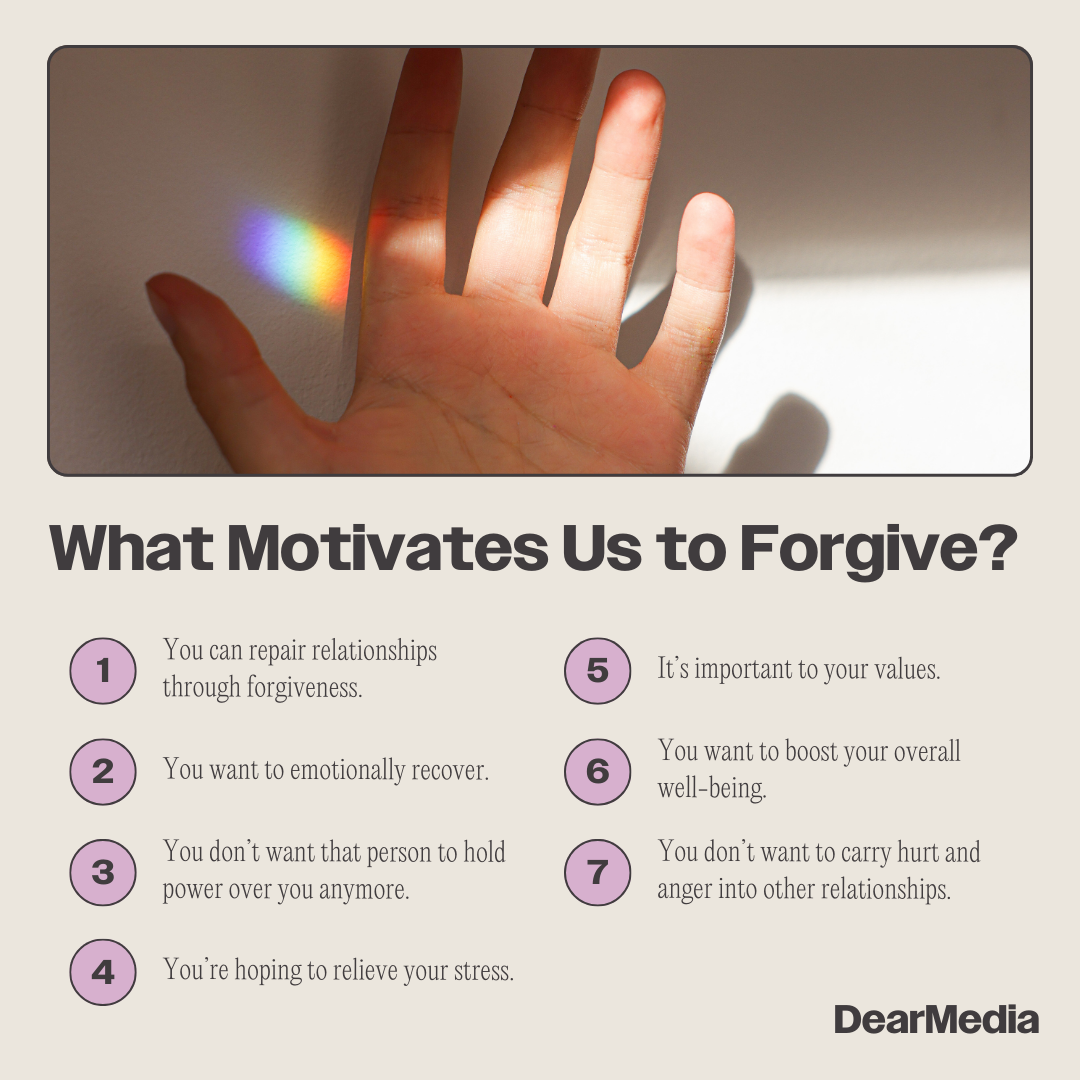
The Anatomy of Brand Transgression: Why Motivation Varies
Before we can understand why consumers forgive, we must categorize the “sin.” Not all brand failures are created equal, and the motivation to forgive scales based on the perceived intent of the error. In brand strategy, we divide these into two primary categories: competence-based failures and integrity-based failures.
Competence vs. Integrity
A competence-based failure occurs when a brand fails to deliver on its functional promise—for example, a software glitch or a delayed shipping window. Consumers are generally highly motivated to forgive these errors because they are perceived as technical or accidental. The motivation here is practical: if the brand fixes the tool, the utility returns.
Integrity-based failures, however, involve a breach of values, such as ethical lapses or deceptive advertising. Motivation to forgive in these instances is much lower because the transgression suggests a flaw in the brand’s “character.” For a brand to earn back trust here, it must go beyond fixing a product; it must overhaul its identity.
The Severity of the Breach
The magnitude of the error dictates the psychological “debt” a brand owes its audience. A minor inconvenience requires a simple acknowledgment, but a major crisis requires a transformative narrative. Consumers are motivated to forgive when the brand’s response is proportional to the pain caused. If the response is perceived as dismissive, the motivation to forgive evaporates, often permanently.
Emotional Equity: Why We Forgive the Brands We Love
The most powerful motivator for forgiveness is the existing “reservoir of goodwill” a brand has built over time. This is often referred to as Emotional Equity. When a consumer has a long-standing, positive relationship with a brand, they are psychologically predisposed to seek a path toward reconciliation rather than abandonment.
The Self-Congruence Effect
Psychologically, we choose brands that reflect our own values and identities. This is known as self-congruence. When a brand we identify with fails, we experience cognitive dissonance. To admit the brand is “bad” is to admit that our own judgment or identity is flawed. Consequently, consumers are often motivated to forgive because they want to maintain their own sense of self-identity. Strategically, this means brands that have successfully integrated into the lifestyle of their users have a much higher “forgiveness ceiling.”
Community and Belonging
For brands like Apple, Harley-Davidson, or Tesla, the relationship is communal. Forgiving the brand is a requirement for staying within the social circle of other enthusiasts. The motivation to forgive is driven by the desire to remain part of the tribe. Brand strategists leverage this by fostering community forums and user groups, creating a social fabric that discourages “breakups” after a singular negative event.
The Mechanics of Motivation: How Strategy Drives Forgiveness

Forgiveness is rarely a spontaneous act; it is usually the result of a deliberate “Service Recovery” strategy. For a brand to motivate its audience to move past a crisis, it must execute a series of high-stakes maneuvers that address both the logical and emotional needs of the consumer.
The Power of the Sincere Apology
A hollow apology is often worse than no apology at all. To motivate forgiveness, a brand must demonstrate the “Three A’s”: Acknowledgment, Accountability, and Action. Consumers are motivated to forgive when they see a brand take full ownership without shifting blame to third parties or “unforeseen circumstances.” This vulnerability humanizes the corporate entity, making it easier for the consumer to relate to the brand on a human level.
Compensation and Restorative Justice
In many cases, motivation is driven by tangible restitution. This is not about “buying” forgiveness, but about demonstrating a commitment to making the consumer whole again. Whether it is a refund, a discount on future services, or a charitable donation to a cause impacted by the brand’s error, restorative justice signals that the brand values the relationship more than the immediate profit. This shifts the consumer’s mindset from one of victimization to one of valued partnership.
Case Studies in Resiliency: From Crisis to Recovery
Looking at historical and modern brand pivots provides a roadmap for how forgiveness is manufactured through strategic excellence. These cases highlight that even the most dire situations can be overcome if the brand understands its audience’s motivations.
Lessons from the Gold Standard: Tylenol
The 1982 Tylenol crisis remains the definitive case study in brand forgiveness. When capsules were tampered with by an outside party, Johnson & Johnson didn’t wait for a mandate; they recalled 31 million bottles. Their motivation was clear: consumer safety over profit. Because the brand acted with such unprecedented transparency and integrity, the public was highly motivated to forgive them. In fact, Tylenol emerged with a stronger brand reputation than it had before the crisis, proving that a well-handled transgression can actually increase brand loyalty.
The Modern Digital Pivot: Addressing Data Breaches
In the tech-heavy brand landscape of today, data breaches have become a common trial. When a major financial or social media brand suffers a leak, the motivation to forgive is often driven by “Systemic Necessity.” Consumers feel they have no choice but to forgive because the service is too integrated into their lives. However, the brands that thrive are those that pivot toward radical transparency, offering free credit monitoring and overhaul of their security architecture. They move from being a “vulnerable platform” to a “security-first leader,” changing the narrative to motivate a renewed sense of trust.
Future-Proofing the Brand: Building a Culture of Accountability
The ultimate goal of a brand strategist is to ensure that when a mistake happens, the motivation to forgive is already “pre-loaded” into the consumer base. This requires a proactive approach to brand building that prioritizes long-term trust over short-term gains.
Transparency as a Shield
Brands that are habitually transparent about their supply chains, their successes, and their failures build a “trust surplus.” When a crisis hits, these brands aren’t starting from zero. The audience is motivated to forgive because the brand has a “track record of truth.” In a market saturated with polished, corporate-speak, “ugly transparency” (being honest even when it’s not flattering) is a powerful tool for building a resilient brand identity.
Building a Culture of Accountability
Forgiveness is motivated by the belief that the mistake won’t happen again. This requires the brand to demonstrate internal change. If a brand fires a CEO after a scandal, or appoints a Chief Diversity Officer after a cultural misstep, they are signaling to the market that the “old” version of the brand is dead. This allows the consumer to forgive the “new” brand without feeling like they are condoning the old behavior.

Conclusion
What motivates us to forgive a brand? It is a delicate balance of emotional history, the sincerity of the recovery effort, and the practical necessity of the product. For brand strategists, the takeaway is clear: forgiveness is not a gift; it is an earned outcome of a relationship built on equity and integrity.
By understanding the psychological drivers of the consumer—the need for identity consistency, the desire for community, and the demand for justice—brands can navigate the inevitable storms of the marketplace. A brand that knows how to ask for forgiveness, and more importantly, how to provide a logical and emotional basis for that forgiveness, will always outperform a brand that relies on silence or evasion. In the end, we forgive brands for the same reasons we forgive people: because the relationship is worth more than the mistake.
aViewFromTheCave is a participant in the Amazon Services LLC Associates Program, an affiliate advertising program designed to provide a means for sites to earn advertising fees by advertising and linking to Amazon.com. Amazon, the Amazon logo, AmazonSupply, and the AmazonSupply logo are trademarks of Amazon.com, Inc. or its affiliates. As an Amazon Associate we earn affiliate commissions from qualifying purchases.