
Greece, a nation steeped in history and a cornerstone of the European Union, operates within a complex and evolving financial system. Understanding “what money Greece uses” extends beyond simply identifying its currency; it delves into the practicalities of daily transactions, the broader economic context, and the accessibility of financial tools for residents and visitors alike. This article explores the monetary landscape of Greece, focusing on its primary currency, the various forms of payment accepted, and the underlying financial infrastructure that supports its economy.
The Euro: Greece’s Official Currency
As a member of the Eurozone, Greece officially adopted the euro (€) as its sole legal tender on January 1, 2002. This transition marked a significant shift from the previous national currency, the drachma, and integrated Greece into a unified monetary system shared by over 340 million people across 20 European Union member states. The euro is managed by the European Central Bank (ECB) and the national central banks of the Eurozone countries, ensuring price stability and a consistent monetary policy throughout the bloc.
Historical Context: From Drachma to Euro
Before the euro’s introduction, the Greek drachma (GRD) had a long and storied history, dating back to the mid-19th century. Its value fluctuated over time, influenced by domestic economic performance and global financial conditions. The decision to adopt the euro was part of Greece’s broader strategy to achieve greater economic stability, facilitate trade and investment, and bolster its standing within the European community. The convergence criteria set by the Maastricht Treaty, which included targets for inflation, government debt, and fiscal deficits, were met by Greece, paving the way for its entry into the Eurozone. This integration brought both opportunities and challenges, fundamentally altering how money is used within the country.
Denominations and Appearance of the Euro
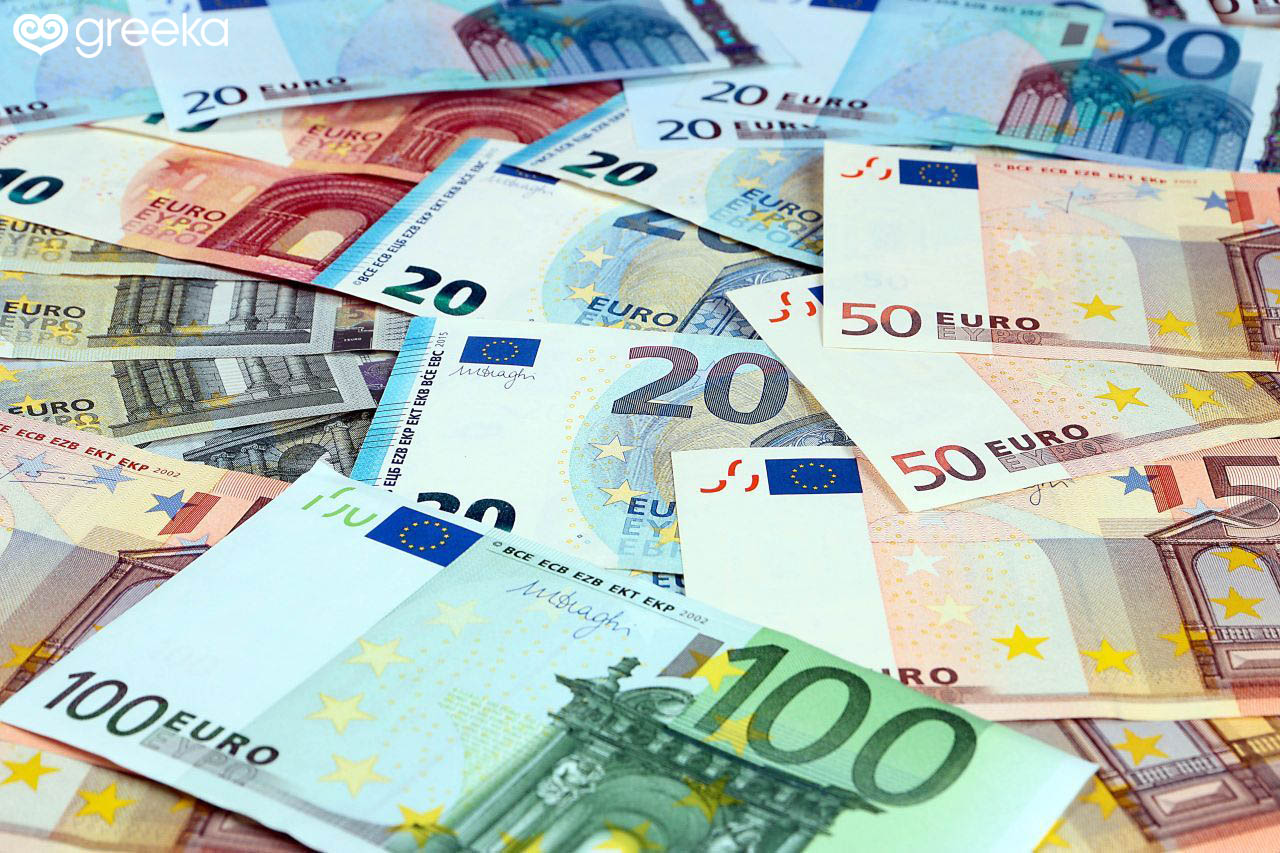
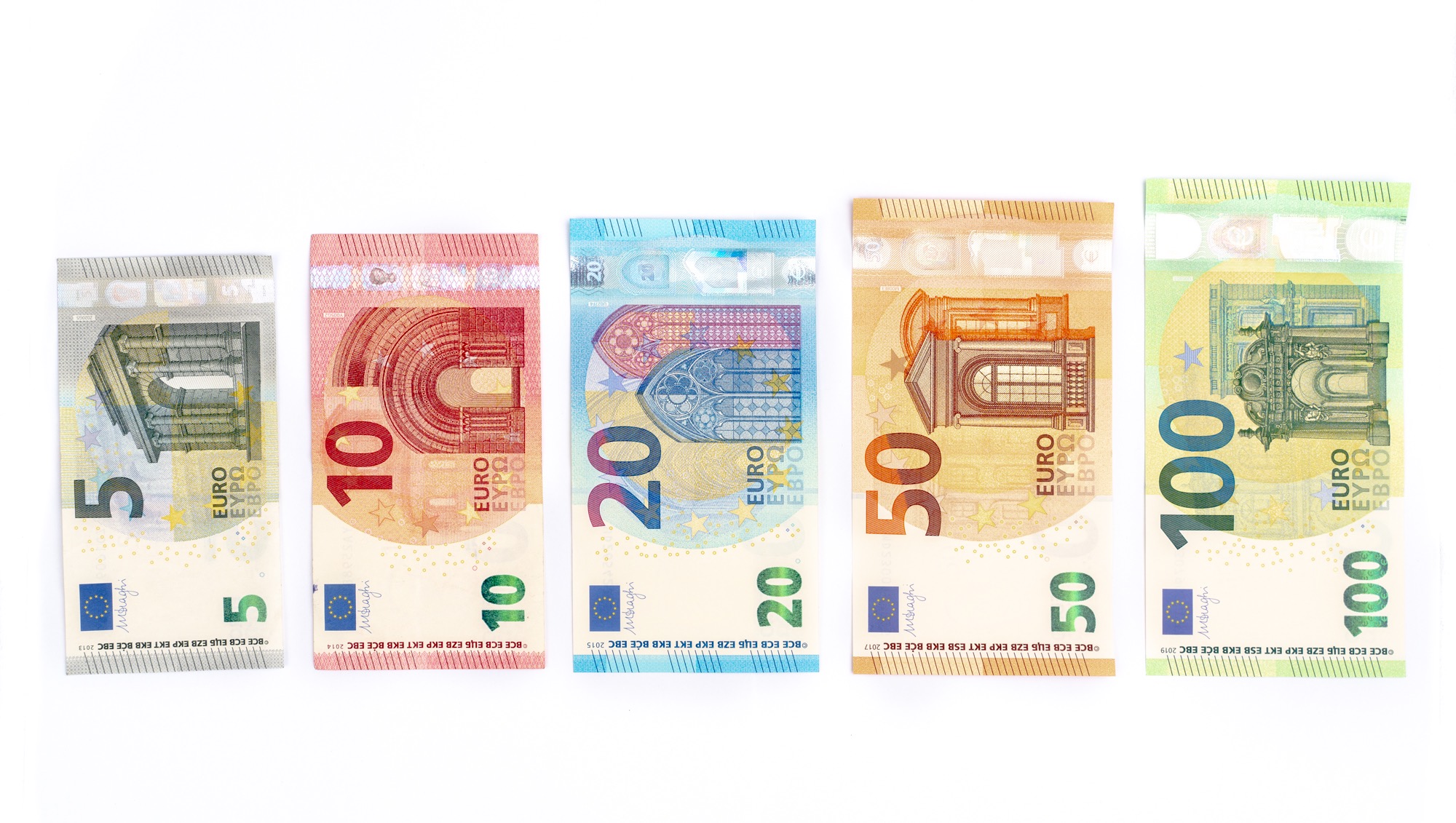
The euro exists in both banknote and coin denominations. Euro banknotes are issued in denominations of €5, €10, €20, €50, €100, €200, and €500 (though the €500 note is no longer issued, it remains legal tender). They are designed to be easily distinguishable by color, size, and architectural motifs, representing different periods and styles in European architecture. Security features such as watermarks, holographic stripes, and tactile markings are incorporated to prevent counterfeiting.
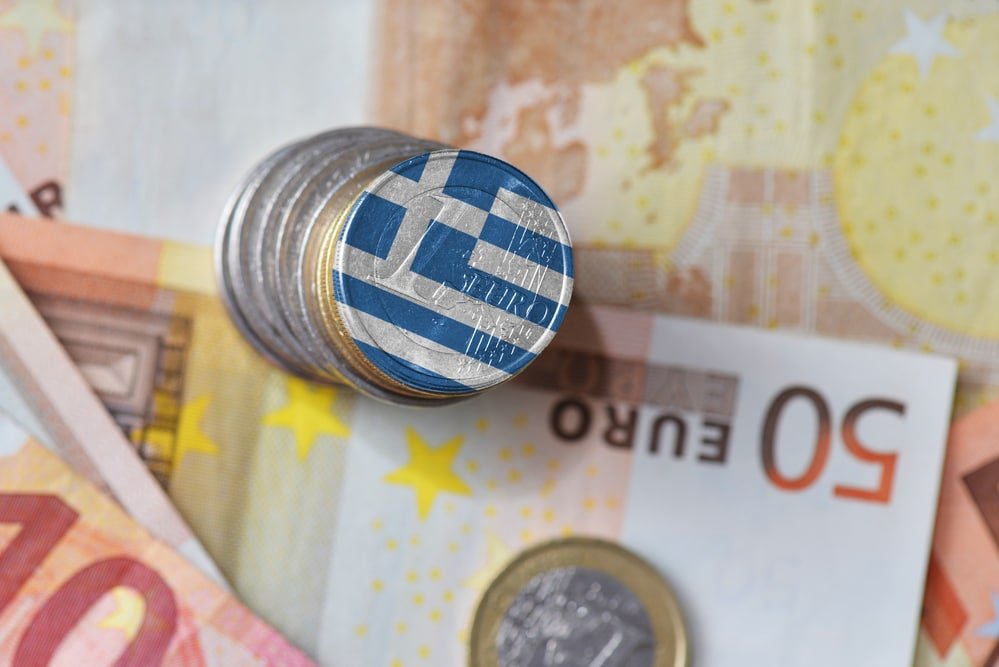
Euro coins are minted in denominations of 1 cent, 2 cents, 5 cents, 10 cents, 20 cents, 50 cents, €1, and €2. Each country within the Eurozone has its own design for the national side of the coins, while the common side depicts a map of Europe. This dual design system allows for national identity to be maintained while ensuring the coins are universally recognized and accepted across the Eurozone. In Greece, the national sides of the euro coins feature iconic symbols of Hellenic heritage, such as ancient Greek figures, historical artifacts, and mythological scenes, further reinforcing the country’s rich cultural legacy.
Payment Methods in Contemporary Greece
While the euro is the official currency, the methods by which it is exchanged and transacted in Greece have evolved considerably. While cash remains prevalent, particularly in smaller establishments and for certain types of transactions, the digital payment landscape is rapidly expanding, influenced by technological advancements, changing consumer habits, and EU directives aimed at promoting a more integrated and secure payment environment.
The Enduring Role of Cash
Despite the global trend towards digital transactions, cash continues to play a significant role in the Greek economy. This is particularly true in smaller towns, rural areas, and among older generations who may have a greater preference for physical currency. Small businesses, local markets, and traditional tavernas often prefer cash payments, and carrying some euros in cash is advisable for tourists to ensure they can make purchases in all circumstances. While ATMs are widely available in cities and tourist hubs, it’s prudent to be aware of potential withdrawal fees. The use of cash also offers a degree of anonymity and immediacy that some consumers still value.
The Rise of Card Payments and Digital Wallets
Credit and debit card acceptance has become increasingly widespread across Greece, especially in larger cities, hotels, restaurants, and retail chains. The push towards cashless transactions has been further accelerated by government initiatives aimed at combating tax evasion and fostering greater transparency in economic activity. Many businesses are now legally obliged to accept card payments. This shift has made it more convenient for both residents and tourists to make purchases without relying solely on cash.
Furthermore, the adoption of digital wallets and contactless payment technologies is on the rise. Services like Apple Pay, Google Pay, and other mobile payment solutions are becoming more integrated with Greek banks and payment processors. This allows for quick and secure transactions using smartphones and smartwatches, further reducing the reliance on physical cards and cash. As more merchants invest in point-of-sale (POS) terminals that support contactless payments, this method is expected to become even more ubiquitous.
Bank Transfers and Online Transactions
For larger purchases, utility payments, and business-to-business transactions, bank transfers remain a fundamental method of payment. Greek banks offer online banking platforms and mobile applications that facilitate secure and efficient money transfers. These digital services allow individuals to manage their accounts, pay bills, and send money to others with ease. The SEPA (Single Euro Payments Area) framework ensures that cross-border euro payments within participating countries are as straightforward as domestic payments, making it convenient for both individuals and businesses operating within Greece and with other EU nations.
Financial Infrastructure and Accessibility
The financial infrastructure in Greece, while undergoing modernization, is largely integrated into the broader European financial system. This integration has implications for how money is managed, accessed, and regulated. Understanding this infrastructure is key to grasping the practicalities of using money in Greece.
Banking System and Financial Institutions
Greece has a well-established banking sector comprising major domestic banks and branches of international financial institutions. These banks provide a comprehensive range of services, including current and savings accounts, loans, mortgages, investment products, and international money transfers. Following the sovereign debt crisis, Greek banks underwent significant restructuring and recapitalization to ensure their stability and compliance with EU banking regulations. While challenges persist, the banking sector is actively working to adapt to the evolving financial landscape and improve customer experience through digital innovation.
ATMs and Cash Accessibility
Automated Teller Machines (ATMs) are widely available throughout Greece, particularly in urban centers, tourist resorts, and transportation hubs. They allow individuals to withdraw cash, check account balances, and in some cases, make deposits or transfer funds. Most ATMs are connected to international networks like Visa, Mastercard, and Maestro, making them accessible to holders of foreign bank cards. However, it is advisable to be aware of potential fees charged by both your home bank and the Greek ATM operator for international withdrawals. Local banks often have their own networks of ATMs, and using an ATM affiliated with your bank, if possible, may result in lower fees.
Regulatory Framework and Consumer Protection
The use of money in Greece is governed by a robust regulatory framework established by both national authorities and the European Union. The Bank of Greece, as the national central bank, plays a crucial role in overseeing the country’s financial system, ensuring the stability of prices, and supervising financial institutions. EU directives and regulations, such as those related to payment services (PSD2), anti-money laundering (AML), and data protection (GDPR), are implemented to safeguard consumers and maintain the integrity of the financial system. These regulations aim to promote fair competition, enhance security in payment transactions, and provide consumers with clear rights and protections when using financial services.
Navigating Transactions as a Visitor
For tourists visiting Greece, understanding the prevalent money practices can enhance their travel experience and prevent potential inconveniences. Being prepared with a mix of payment methods and knowledge of local customs ensures smooth transactions.
Practical Tips for Travelers
When traveling to Greece, it is recommended to carry a combination of payment methods. While credit and debit cards are widely accepted, having some cash on hand is essential, especially for smaller purchases, tips, and in less touristy areas. Inform your bank about your travel plans to avoid any issues with your cards being blocked due to unusual activity. Familiarize yourself with the denominations of euro banknotes and coins to avoid confusion during transactions.
Currency Exchange and Fees
Currency exchange services are available at airports, train stations, and in city centers. However, these services often offer less favorable exchange rates and may charge higher fees. It is generally more advantageous to withdraw euros directly from ATMs using your debit card or to use your credit card for purchases, as these often provide competitive exchange rates. Be mindful of any foreign transaction fees your bank might charge for international purchases or withdrawals.
Tipping Etiquette and Local Customs
Tipping is a common practice in Greece, though it is not as obligatory as in some other countries. In restaurants, it is customary to leave a tip of around 5-10% of the bill for good service, rounding up the amount or leaving a few extra euros. For taxi drivers, rounding up the fare is generally appreciated. Hotel staff, such as porters, also expect a small tip for their services. Understanding these local customs can help visitors engage more respectfully and comfortably with the local economy.
In conclusion, the money Greece uses is primarily the euro, a common currency that signifies its integration into the European economic fabric. While cash remains a part of the transaction landscape, the increasing adoption of card payments, digital wallets, and online banking reflects Greece’s move towards a more digitized and efficient financial system, aligning it with broader European trends. For both residents and visitors, understanding these facets of Greece’s monetary system is key to navigating its economy with confidence and ease.
aViewFromTheCave is a participant in the Amazon Services LLC Associates Program, an affiliate advertising program designed to provide a means for sites to earn advertising fees by advertising and linking to Amazon.com. Amazon, the Amazon logo, AmazonSupply, and the AmazonSupply logo are trademarks of Amazon.com, Inc. or its affiliates. As an Amazon Associate we earn affiliate commissions from qualifying purchases.