
Miso paste, a cornerstone of Japanese cuisine, is far more than just a fermented soybean paste. It is a testament to the power of microbial transformation, a canvas for diverse culinary expressions, and an increasingly significant player in global food trends. From its humble origins steeped in ancient tradition to its contemporary presence shaped by technology, brand strategy, and economic forces, miso offers a fascinating lens through which to explore the intricate connections within our modern world. Understanding what miso paste is made from goes beyond listing ingredients; it delves into the science of fermentation, the art of branding, and the financial dynamics of a thriving specialty food market.

The Ancient Craft: Core Ingredients and Traditional Fermentation
At its heart, miso production is an ancient craft, a precise orchestration of natural processes honed over centuries. The foundational ingredients are surprisingly simple, yet their interaction, guided by time and temperature, yields a product of remarkable complexity and depth. This traditional approach emphasizes quality sourcing and a deep respect for the microbial agents that drive the transformation.
The Koji Catalyst: Unlocking Umami
The undisputed hero in the creation of miso is koji (pronounced “koh-jee”). Koji isn’t an ingredient itself, but rather a culture: steamed grains, most commonly rice, barley, or soybeans, that have been inoculated with a specific mold called Aspergillus oryzae. This benevolent fungus is a powerhouse of enzymes. When koji is introduced to other ingredients, its enzymes begin to break down complex carbohydrates into simple sugars and proteins into amino acids. This enzymatic activity is what gives miso its characteristic umami flavor – the savory fifth taste that tantalizes the palate.
The quality of the koji is paramount to the final miso product. Artisanal miso makers meticulously cultivate their koji, ensuring optimal growth conditions for the Aspergillus oryzae to produce a robust enzyme profile. This initial step is a delicate dance, requiring precise temperature and humidity control to encourage the mold’s growth without allowing undesirable microorganisms to take hold. The choice of grain for koji also influences the miso’s flavor, color, and texture, providing the first layer of complexity in what will become a distinctive paste.
Soybeans, Salt, and Water: The Fundamental Trio
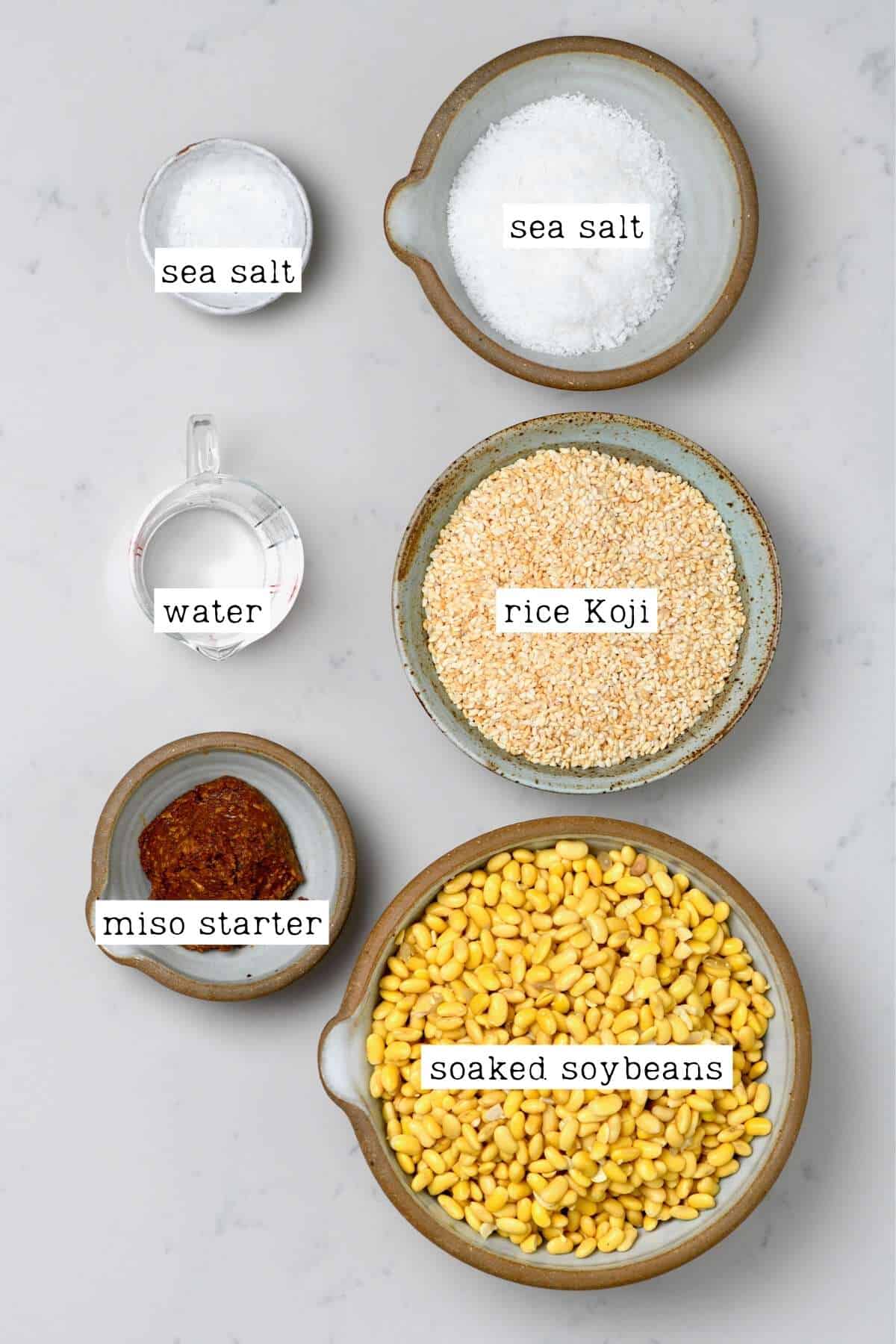
With koji established, the remaining primary ingredients for miso are soybeans, salt, and water. Each plays a critical role in the fermentation process and the ultimate character of the paste.
Soybeans: Traditionally, high-quality, whole soybeans are used. These are typically soaked overnight, then steamed until tender, but not mushy. The type and quality of soybeans significantly impact the miso. Organic, non-GMO soybeans are often preferred by artisanal producers and discerning consumers, aligning with modern preferences for natural and sustainable foods. The protein content of the soybeans is particularly important, as the koji enzymes will break these down into the amino acids that form umami.
Salt: Far from being just a seasoning, salt is a crucial preservative and regulator of the fermentation process. It inhibits the growth of undesirable bacteria while allowing the beneficial koji enzymes and lactic acid bacteria (which contribute to miso’s tanginess) to thrive. The quantity and type of salt used can dramatically influence the final flavor profile and the duration of fermentation. Higher salt content typically leads to longer fermentation times and a more robust, saltier miso, while lower salt content can result in a sweeter, milder paste that ferments more quickly. The origin and mineral content of the salt can also subtly affect the flavor.
Water: Like any food product, the quality of the water used in miso production is vital. Pure, clean water ensures that no unwanted flavors or contaminants interfere with the delicate balance of fermentation. Water helps to create the desired consistency of the paste and facilitates the enzymatic reactions.
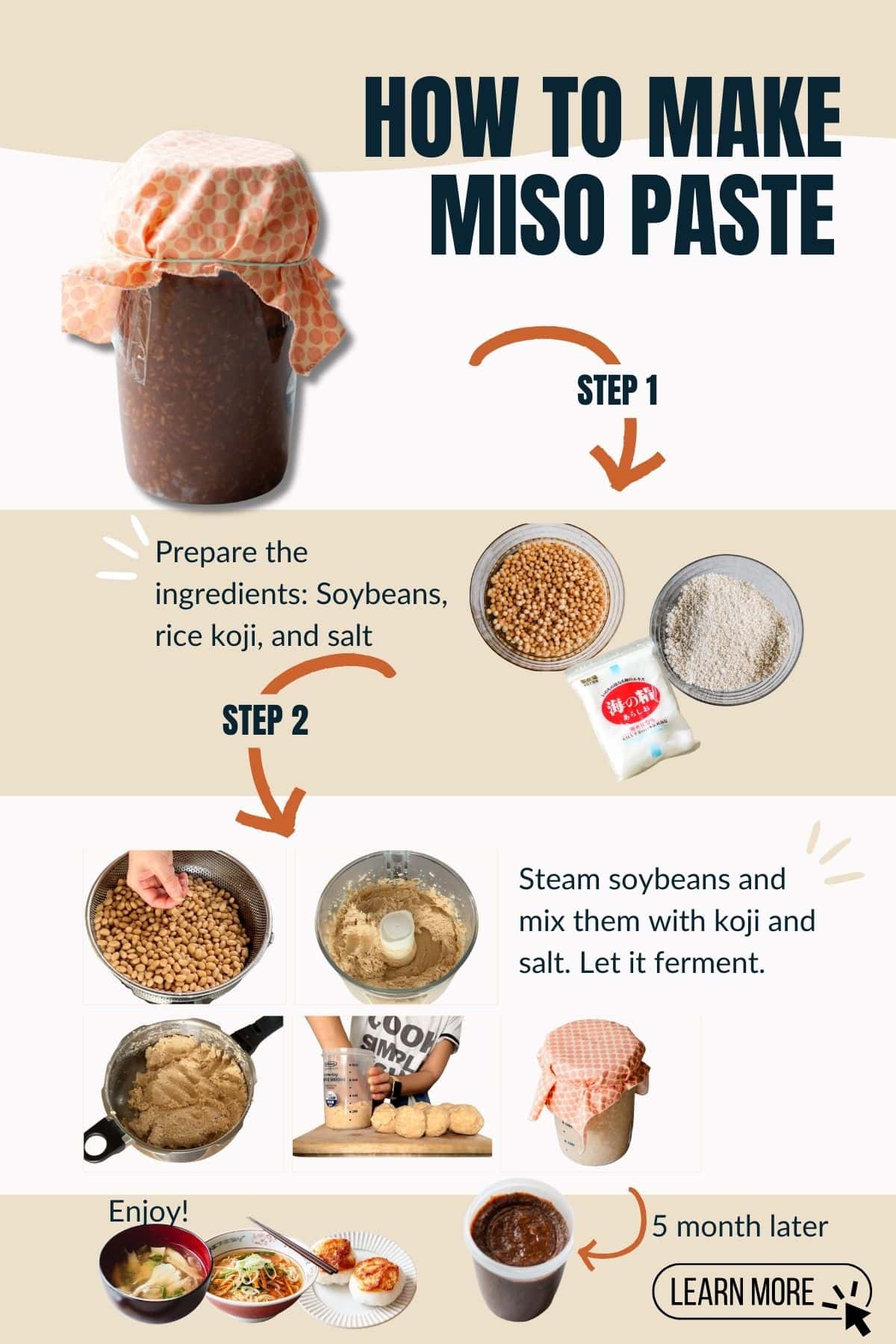
Once the soybeans are steamed, they are mashed, mixed with the prepared koji, salt, and a small amount of water. This mixture is then packed tightly into fermentation barrels or vats, often made of wood, which allow for slow, natural respiration. The paste is left to ferment, a process that can last anywhere from a few months to several years, depending on the desired type of miso and environmental conditions. During this time, the koji enzymes continue their work, breaking down the ingredients and developing the rich, complex flavors and aromas that define miso.
Regional Variations and Flavor Profiles
The beauty of miso lies in its incredible diversity, largely driven by regional traditions, choice of koji grain, soybean-to-koji ratio, salt content, and fermentation duration. This leads to a spectrum of colors, textures, and tastes.
- Shiro (White) Miso: Typically made with a higher proportion of rice koji and a shorter fermentation period, resulting in a light color, sweet flavor, and smooth texture. It’s often lower in salt.
- Aka (Red) Miso: Fermented for a longer duration, often with barley koji or a higher percentage of soybeans, leading to a darker color, richer, saltier, and more pungent flavor.
- Awase (Mixed) Miso: A blend of red and white miso, offering a balanced flavor profile that combines the sweetness of shiro with the depth of aka.
- Mugi (Barley) Miso: Uses barley koji, resulting in a rustic texture and an earthy, robust flavor.
- Hatcho Miso: A unique type made almost entirely from soybeans, fermented for a very long time, yielding a dark, almost black paste with an intensely savory and slightly astringent flavor.
These variations highlight the artisanal nature of miso, where local ingredients and centuries-old techniques create distinct regional identities, much like wine or cheese.
Miso in the Modern Age: Bridging Tradition with Technology
While miso’s roots are firmly planted in tradition, its journey into the 21st century has seen a fascinating integration of cutting-edge technology. Far from abandoning time-honored methods, modern producers are leveraging technological advancements to enhance efficiency, ensure consistency, uphold quality, and even explore novel flavor profiles, all while maintaining the integrity of this ancient food. This fusion of old and new is critical for meeting the demands of a global market.
Precision Fermentation and Biotech Innovations
The unpredictable nature of traditional fermentation, while romantic, can be a challenge for large-scale production and consistent quality. This is where precision fermentation comes into play. Modern miso facilities utilize sophisticated monitoring systems that track environmental parameters like temperature, humidity, pH levels, and even gas composition within the fermentation vats. Sensors provide real-time data, allowing producers to make minute adjustments to optimize the conditions for the microbial cultures, ensuring the desired enzymatic activity and preventing off-flavors.
Biotechnology is also making inroads. Researchers are studying the specific strains of Aspergillus oryzae and other beneficial microorganisms involved in miso production to understand their genetic makeup and optimize their performance. This could lead to selecting or even engineering koji strains that produce specific enzymes more efficiently, contribute unique flavor compounds, or reduce fermentation times. Such innovations promise to unlock new possibilities for miso, from enhancing its nutritional profile to creating entirely new categories of fermented pastes with bespoke characteristics. The goal isn’t to replace the natural process but to understand and guide it with unprecedented accuracy.
AI, Data Analytics, and Supply Chain Tech
The vast amounts of data generated by precision fermentation systems are a goldmine for AI and data analytics. Machine learning algorithms can analyze historical fermentation data to predict optimal conditions for future batches, identify patterns associated with specific flavor outcomes, and even flag potential quality control issues before they escalate. AI can assist in everything from perfecting existing miso recipes to developing entirely new ones, by modeling the complex interactions between ingredients and microbial activity. This predictive capability reduces waste, improves consistency, and accelerates product development cycles.
Beyond the fermentation vats, digital supply chain management is transforming how miso ingredients are sourced and finished products are distributed. Blockchain technology, for instance, can provide unparalleled transparency and traceability for soybeans, salt, and koji cultures, allowing consumers and businesses to verify the origin and quality of ingredients. This is especially vital for premium or organic miso brands. Logistics software and IoT (Internet of Things) devices ensure efficient transportation, track inventory levels in real-time, and monitor storage conditions, guaranteeing that miso reaches markets worldwide in optimal condition. This digital oversight ensures not just freshness, but also adherence to sustainability goals by optimizing routes and minimizing spoilage.
Digital Security and Productivity in Miso Production
As miso production scales and becomes more integrated with technology, digital security becomes paramount. Protecting proprietary fermentation processes, unique koji strains, and AI-driven flavor profiles is essential for maintaining competitive advantage. Cybersecurity measures safeguard sensitive data, intellectual property, and automated production systems from potential threats.
Furthermore, productivity tools and automation are enhancing efficiency across the miso industry. Robotic systems assist with tasks like precise ingredient mixing, packaging, and quality inspections, reducing manual labor and human error. Enterprise Resource Planning (ERP) software integrates various aspects of the business, from production planning and inventory management to sales and distribution, streamlining operations and boosting overall productivity. These technological advancements allow miso producers to meet growing consumer demand without compromising the quality and authenticity that define their products.
The Business of Umami: Branding, Market Dynamics, and Economic Impact
Miso’s journey from a traditional condiment to a global ingredient is heavily influenced by strategic branding, dynamic market forces, and significant economic implications. Its versatility and health benefits have positioned it as a compelling product in an increasingly health-conscious and culinarily adventurous world.
Crafting a Miso Brand: Identity and Storytelling
In a competitive market, brand strategy is crucial for miso producers. This involves much more than just a logo; it’s about crafting a compelling narrative that resonates with consumers. For many, the brand identity hinges on authenticity and heritage. Artisanal miso makers emphasize their multi-generational techniques, regional origins, and commitment to slow, natural fermentation. Their branding often highlights the “craft” aspect, appealing to consumers seeking high-quality, traditionally made foods.
For other brands, particularly those targeting broader markets, the focus might shift to health and wellness. Emphasizing miso’s probiotic benefits, its role in gut health, and its suitability for plant-based or gluten-free diets becomes a key marketing angle. Sustainable sourcing of ingredients (organic soybeans, fair trade salt) also forms a powerful part of a brand’s story, attracting environmentally conscious consumers.
Packaging design plays a significant role in conveying brand identity, from rustic, traditional tubs for artisanal products to sleek, modern pouches for convenience-focused options. Marketing narratives are built around the versatility of miso, offering recipes and usage ideas to inspire home cooks and professional chefs alike. Digital marketing campaigns, social media engagement, and collaborations with food influencers or chefs are essential for building brand recognition and fostering a community around miso. For smaller, niche producers, personal branding – where the founder’s passion and expertise are central to the brand story – can be incredibly effective in building trust and loyalty.
Global Market Trends and Consumer Preferences
The global miso market is experiencing robust growth, driven by several key trends. The increasing popularity of Japanese cuisine worldwide, fueled by culinary tourism and media exposure, has introduced miso to a broader audience. The surge in demand for plant-based diets and vegan-friendly ingredients has positioned miso as a flavor-rich, umami-packed alternative to animal products. Furthermore, a growing consumer awareness of the importance of gut health and the benefits of fermented foods has elevated miso’s status from a mere condiment to a functional superfood.
Market research and data analytics are vital for understanding these evolving consumer preferences. Producers track sales data, conduct surveys, and monitor online discussions to identify emerging trends, such as the demand for lower-sodium miso, gluten-free options (using rice koji exclusively), or innovative flavor infusions. The influence of social media and food bloggers cannot be overstated; viral recipes or endorsements can rapidly boost a brand’s visibility and sales. Brands that successfully adapt to these trends, perhaps by creating new products or tailoring their marketing messages, are best positioned for growth.
Investing in Fermented Futures and Financial Tools
The burgeoning market for fermented foods makes miso an attractive prospect for investment. Investors are increasingly looking towards companies that combine traditional food production with modern sustainability practices and technological innovation. Opportunities exist in scaling artisanal operations, developing new R&D for koji strains, and expanding distribution networks.
For miso businesses, astute financial management is critical. This includes managing startup costs for new facilities or equipment, understanding the financial implications of scaling production (e.g., economies of scale vs. maintaining artisanal quality), and navigating international trade and export financing. Financial tools such as specialized accounting software, inventory management systems, and forecasting models are essential for tracking profitability, managing cash flow, and making informed business decisions. Online payment platforms and digital invoicing simplify transactions for both domestic and international sales. Businesses that can demonstrate a clear return on investment, a robust market strategy, and a commitment to sustainable growth are poised to attract capital and thrive in this dynamic sector.
Beyond the Bowl: Miso’s Future in Food and Finance
Miso’s evolution is far from over. Its deep-rooted history provides a stable foundation, but its future is being actively shaped by ongoing innovations in food science, evolving consumer health priorities, and the opportunities presented by digital commerce. Miso is not just a paste; it’s a platform for culinary creativity, a symbol of healthy living, and an intriguing case study for economic development.
Miso as a Health & Wellness Brand Proposition
In an era where consumers are increasingly proactive about their health, miso stands out as a natural choice. Its probiotic content supports gut health, its fermentation process enhances nutrient absorption, and its rich umami flavor allows for reduced reliance on salt and unhealthy fats in cooking. These attributes make miso a powerful health & wellness brand proposition. Companies are not just selling miso; they’re selling a lifestyle choice, a natural way to boost immunity and well-being.
This has led to the development of functional miso products, such as ready-to-use miso soups fortified with extra nutrients, miso dressings designed for specific dietary needs, or even miso-based supplements. The branding around these products often emphasizes scientific backing, nutritional benefits, and the natural origins of the ingredients. Marketing leverages the authority of health experts and the testimonials of consumers who have experienced its positive effects. Miso is transcending its traditional role to become a recognized component of a preventative health regimen, further solidifying its market position.
Digital Distribution and Online Income
The rise of e-commerce has opened new avenues for miso producers, especially for smaller, artisanal brands that might struggle with traditional retail distribution. Digital distribution strategies allow producers to reach a global customer base directly. Setting up an attractive online store, optimizing for search engines, and engaging with customers through social media are now essential elements of a successful sales strategy.
This direct-to-consumer model also enables various online income streams. Beyond selling packaged miso, producers can offer subscription boxes delivering different types of miso regularly, online culinary workshops demonstrating how to cook with miso, or even branded merchandise. Content creation around miso – recipes, history, health benefits – can also generate income through advertising or affiliate marketing. For individuals, small-batch miso production can be a fulfilling side hustle, selling through local farmers’ markets or dedicated online platforms, tapping into the demand for unique, handmade food products. The low barrier to entry for online sales empowers even the smallest producers to participate in the global market.
The Interconnectedness of Miso: Sustainability and Economic Value
Ultimately, the story of miso highlights the profound interconnectedness between culture, science, economy, and sustainability. What miso paste is made from is a narrative that begins with humble soybeans and koji, but quickly expands to encompass sophisticated biotechnologies, intricate brand strategies, and significant economic value. The push for organic ingredients, sustainable farming practices, and reduced food waste reflects a broader societal shift towards environmental responsibility, which miso production can embody.
The future of miso lies in its continued ability to adapt and innovate while remaining true to its essence. As global palates become more sophisticated and health-conscious, miso’s versatility, depth of flavor, and proven health benefits will ensure its enduring appeal. It’s a testament to how an ancient fermented food can not only thrive in the modern world but also lead the way in demonstrating how technology, thoughtful branding, and smart financial decisions can elevate a traditional product into a global culinary and economic force. The journey of miso, from the fermentation vat to the international market, serves as a compelling model for sustainable and prosperous food production in the 21st century.
aViewFromTheCave is a participant in the Amazon Services LLC Associates Program, an affiliate advertising program designed to provide a means for sites to earn advertising fees by advertising and linking to Amazon.com. Amazon, the Amazon logo, AmazonSupply, and the AmazonSupply logo are trademarks of Amazon.com, Inc. or its affiliates. As an Amazon Associate we earn affiliate commissions from qualifying purchases.