
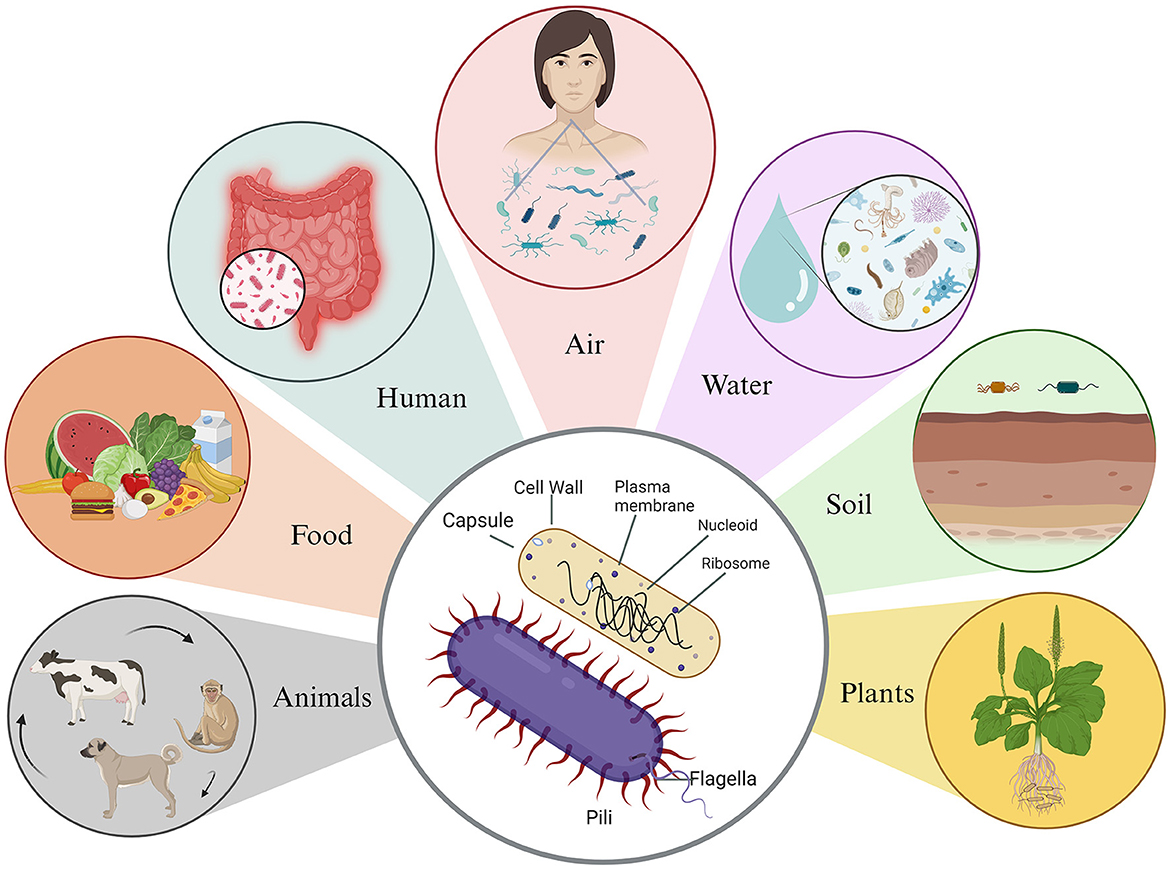
The microscopic world is teeming with life, a vast and intricate ecosystem that, for the most part, coexists harmoniously with larger organisms. However, a subset of these ubiquitous life forms, known as microorganisms, possess the insidious ability to disrupt this balance, leading to a spectrum of diseases in humans, animals, and plants. Understanding which microorganisms cause disease is a fundamental question in public health and biology, but the modern answer is increasingly intertwined with advanced technological solutions. From rapid diagnostic tools to sophisticated surveillance systems and cutting-edge therapeutic development, technology plays a pivotal role in identifying, tracking, and ultimately mitigating the impact of pathogenic microbes.

The Evolving Landscape of Pathogen Detection and Identification
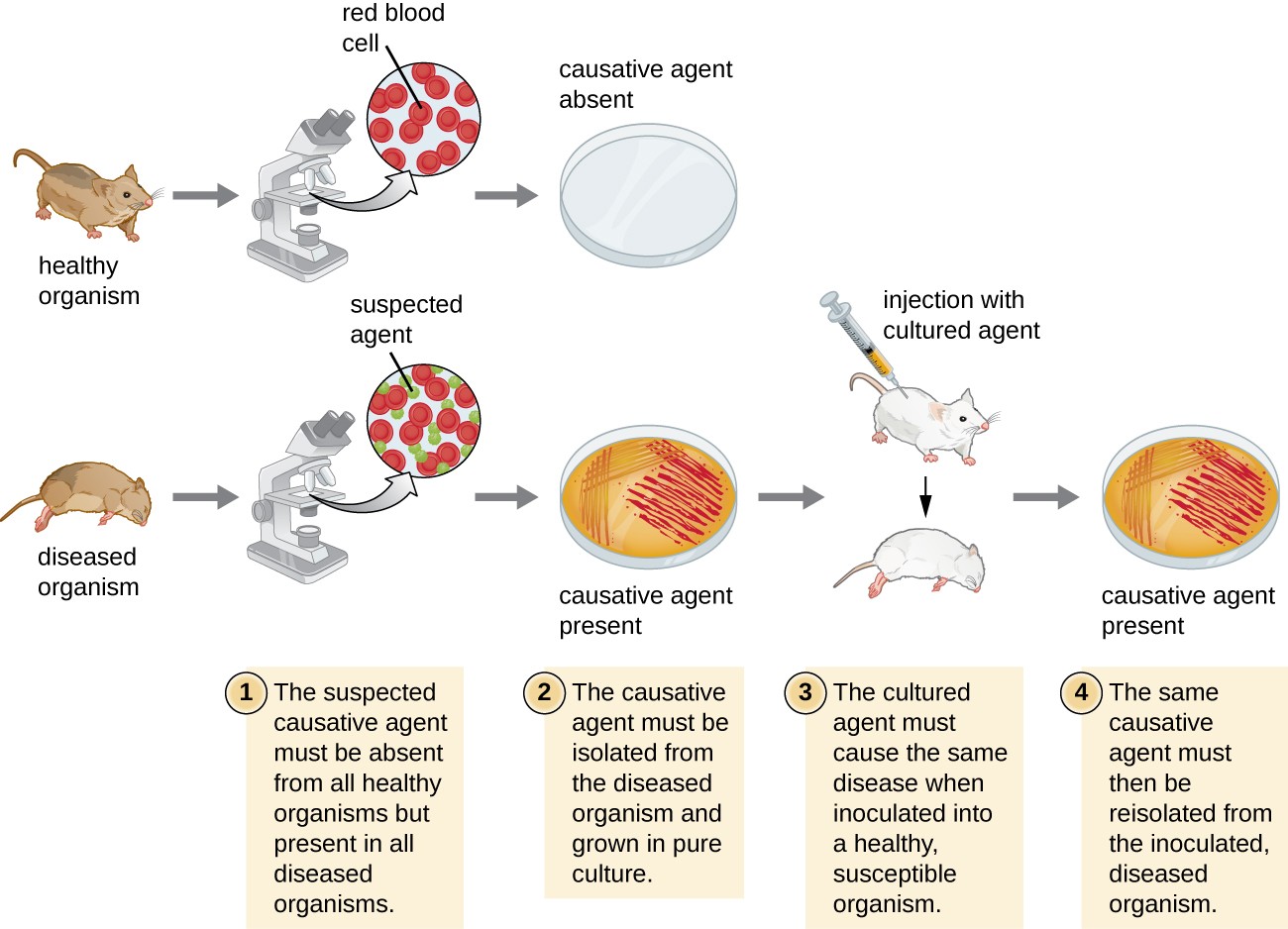
The identification of disease-causing microorganisms has historically been a laborious and time-consuming process, often relying on microscopy and culturing techniques. However, the advent of molecular biology and advanced computing has revolutionized our ability to swiftly and accurately pinpoint the culprits behind infectious outbreaks. These technological leaps not only enable faster diagnosis but also provide deeper insights into the pathogen’s characteristics and potential for spread.
Leveraging Genomics for Unmasking Pathogens
The rapid and affordable sequencing of genomes has become a cornerstone of modern microbiology. Techniques like Polymerase Chain Reaction (PCR), next-generation sequencing (NGS), and whole-genome sequencing (WGS) allow scientists to decipher the genetic blueprint of microorganisms with unprecedented speed and detail.
Polymerase Chain Reaction (PCR) and its Variants
PCR, a Nobel Prize-winning technology, enables the amplification of specific DNA or RNA fragments from a sample. This means that even minuscule amounts of genetic material from a pathogen can be detected and identified. Real-time PCR (RT-PCR), for instance, allows for the quantification of the pathogen’s genetic material, providing information about the viral or bacterial load in a patient. This is crucial for diagnosing infections, monitoring treatment efficacy, and understanding disease progression. The development of multiplex PCR assays further enhances efficiency by allowing the simultaneous detection of multiple pathogens from a single sample, a significant advantage in clinical settings.
Next-Generation Sequencing (NGS) and Metagenomics
NGS technologies have democratized genomic sequencing, making it accessible for routine surveillance and outbreak investigation. Unlike traditional sequencing methods that analyze one gene at a time, NGS can sequence millions of DNA fragments in parallel, providing a comprehensive overview of the microbial community within a sample. This is particularly powerful in metagenomics, where the genetic material of all organisms in an environmental or biological sample is sequenced without prior culturing. Metagenomic analysis can reveal the presence of novel or uncharacterized pathogens, understand the complex interplay between different microbes, and identify the genetic basis of antimicrobial resistance within a population of bacteria. This has profound implications for understanding the “invisible” drivers of disease, especially in complex environments like the human gut microbiome.
Whole-Genome Sequencing (WGS) for Strain-Level Resolution
WGS goes a step further by sequencing the entire genome of a single microorganism. This provides the highest level of resolution, allowing for the precise identification of specific strains of bacteria or viruses. During an outbreak, WGS can be used to trace the origin and transmission pathways of an infection by comparing the genomes of isolates from different patients. Subtle genetic mutations can act as molecular fingerprints, helping public health officials to understand how the pathogen is evolving and spreading, thereby informing targeted containment strategies and vaccine development.
Advanced Imaging and Microscopy Techniques
While molecular methods are paramount for identification, advanced imaging techniques offer complementary insights into the morphology and interaction of disease-causing microorganisms with host cells.
Electron Microscopy for Visualizing the Unseen
Electron microscopy, particularly Transmission Electron Microscopy (TEM) and Scanning Electron Microscopy (SEM), provides incredibly detailed images of microorganisms and their structures. TEM can reveal the internal components of viruses and bacteria, while SEM offers high-resolution surface topography. This visual information is critical for understanding how pathogens infect cells, their mechanisms of attachment, and their physical characteristics, which can inform the development of targeted therapies and diagnostic reagents.
Confocal and Super-resolution Microscopy for Cellular Dynamics
Confocal microscopy allows for the visualization of fluorescently labeled molecules within cells and tissues, enabling researchers to study the spatial distribution and dynamics of pathogens and host responses in real-time. Super-resolution microscopy, a more recent innovation, surpasses the diffraction limit of light, providing resolutions down to tens of nanometers. This allows for the visualization of individual viral particles or bacterial components within host cells, offering unprecedented insights into the molecular events of infection and pathogenesis.
Technological Innovations in Disease Surveillance and Outbreak Response
The ability to quickly identify a pathogen is only the first step. Effective disease control hinges on robust surveillance systems that can detect early signs of an outbreak and rapid response mechanisms that can contain its spread. Technology is at the forefront of both these critical functions.
Real-time Data Aggregation and Analysis
The sheer volume of data generated by modern diagnostic tools, coupled with information from social media, news outlets, and travel patterns, presents a significant challenge. Advanced data analytics, artificial intelligence (AI), and machine learning (ML) algorithms are now being employed to sift through this vast ocean of information to detect anomalies and potential disease hotspots.
AI-Powered Predictive Modeling
AI algorithms can analyze historical data on disease outbreaks, climate patterns, population density, and human mobility to predict where and when new outbreaks might occur. By identifying these potential risks proactively, public health agencies can allocate resources more effectively, implement preventative measures, and prepare for a swift response. For instance, AI models can predict the spread of mosquito-borne diseases based on weather forecasts and geographical data, allowing for targeted mosquito control efforts.
Digital Epidemiology and Social Media Monitoring
The rise of digital epidemiology leverages the vast amounts of publicly available data from the internet, including search engine queries, social media posts, and online news articles, to detect early signals of disease outbreaks. Unusual spikes in search terms related to specific symptoms, for example, can indicate a localized increase in illness before it is formally reported by healthcare systems. This real-time monitoring provides a crucial early warning system, enabling a more proactive and agile public health response.
Advanced Diagnostic Platforms for Point-of-Care and Field Use
The ability to diagnose diseases rapidly and at the point of care, especially in resource-limited settings or during emergencies, is paramount. Technological advancements are making highly accurate diagnostics more accessible and portable.
Microfluidic Devices and Lab-on-a-Chip Technology
Microfluidics, the science of manipulating small volumes of fluids in channels with dimensions of micrometers, has led to the development of “lab-on-a-chip” devices. These miniaturized diagnostic platforms integrate multiple laboratory functions onto a single chip, enabling rapid, low-cost, and portable testing for various pathogens. These devices can be used in remote areas, at the bedside, or even at home, significantly reducing the time to diagnosis and enabling quicker treatment initiation.
Biosensors and Molecular Diagnostic Kits
New generations of biosensors, utilizing electrochemical, optical, or piezoelectric principles, are being developed for the rapid detection of specific microbial targets. These sensors can be integrated into portable devices and offer high sensitivity and specificity. Similarly, molecular diagnostic kits are becoming more streamlined and user-friendly, allowing for the detection of microbial nucleic acids or proteins without the need for highly specialized laboratory equipment. This democratization of diagnostic capabilities is a critical technological advancement in combating infectious diseases globally.
Technological Frontiers in Therapeutic Development and Antimicrobial Strategies
Once a disease-causing microorganism is identified and its spread is monitored, the next crucial step is developing effective treatments. Technology is not only vital for understanding how these pathogens cause harm but also for designing and delivering novel therapeutic interventions.
High-Throughput Screening and Drug Discovery
The process of discovering new drugs to combat microbial infections has been significantly accelerated by technological innovations. High-throughput screening (HTS) allows for the rapid testing of millions of chemical compounds against specific pathogens or their targets.
AI in Drug Design and Optimization
Artificial intelligence is playing an increasingly transformative role in drug discovery. AI algorithms can predict the efficacy of potential drug candidates, identify novel drug targets on the surface of microorganisms, and even design entirely new molecules with desired therapeutic properties. This significantly reduces the time and cost associated with traditional drug development, enabling a more agile response to emerging threats. ML models can analyze vast databases of chemical structures and biological data to pinpoint promising compounds that might otherwise be overlooked.
CRISPR-Based Therapeutics and Gene Editing
While still in its nascent stages for widespread therapeutic application against microorganisms, gene-editing technologies like CRISPR-Cas9 hold immense potential. CRISPR can be engineered to precisely target and disable the genes essential for a pathogen’s survival or virulence. This could lead to the development of highly specific antimicrobial agents that are less prone to resistance development. Furthermore, CRISPR can be used to modify host cells to make them resistant to infection.
Advancements in Vaccine Technology and Delivery
Vaccines remain one of the most powerful tools for preventing infectious diseases. Technological advancements are leading to the development of safer, more effective, and rapidly deployable vaccines.
mRNA and Viral Vector Vaccine Platforms
The success of mRNA vaccines against COVID-19 has revolutionized vaccine development. This platform allows for the rapid design and production of vaccines by delivering genetic instructions to human cells, prompting them to produce antigens that trigger an immune response. Similarly, viral vector vaccines use harmless viruses to deliver genetic material encoding for antigens. These platforms offer unprecedented speed and flexibility in responding to novel pathogens.
Nanotechnology for Targeted Drug and Vaccine Delivery
Nanotechnology offers exciting possibilities for improving the delivery of vaccines and antimicrobial drugs. Nanoparticles can be engineered to protect therapeutic agents from degradation, target them to specific cells or tissues, and control their release rate. This can enhance the efficacy of treatments, reduce side effects, and improve patient compliance, especially for difficult-to-treat infections or when dealing with pathogens that have developed resistance to conventional therapies.
In conclusion, while the fundamental question of “what microorganisms cause disease” remains rooted in biology, the answer and, more importantly, the solutions, are increasingly driven by technology. From the microscopic analysis of viral genomes to the global surveillance of emerging threats and the design of novel therapeutic agents, technological innovation is our most powerful ally in the ongoing battle against infectious diseases. As these technologies continue to advance, our capacity to predict, prevent, and treat diseases caused by microorganisms will only grow stronger, offering a more secure and healthier future for all.
aViewFromTheCave is a participant in the Amazon Services LLC Associates Program, an affiliate advertising program designed to provide a means for sites to earn advertising fees by advertising and linking to Amazon.com. Amazon, the Amazon logo, AmazonSupply, and the AmazonSupply logo are trademarks of Amazon.com, Inc. or its affiliates. As an Amazon Associate we earn affiliate commissions from qualifying purchases.