
In the landscape of modern technology, magnetism is the invisible force that powers our digital existence. From the haptics in a smartphone to the massive turbines generating renewable energy, the interaction between specific metals and magnetic fields is a cornerstone of hardware engineering. While the fundamental question of “what metals are attracted to magnets” might seem like basic physics, the answer is the gateway to understanding how we store data, build electric vehicles, and develop next-generation robotics.
To the technologist, magnetism is not just a curiosity; it is a functional tool. Only a select group of elements—primarily known as ferromagnetic materials—exhibit the strong attraction required for industrial and consumer technology. By exploring these materials, we can better understand the architecture of the gadgets we use daily and the emerging tech trends that are shaping the future.
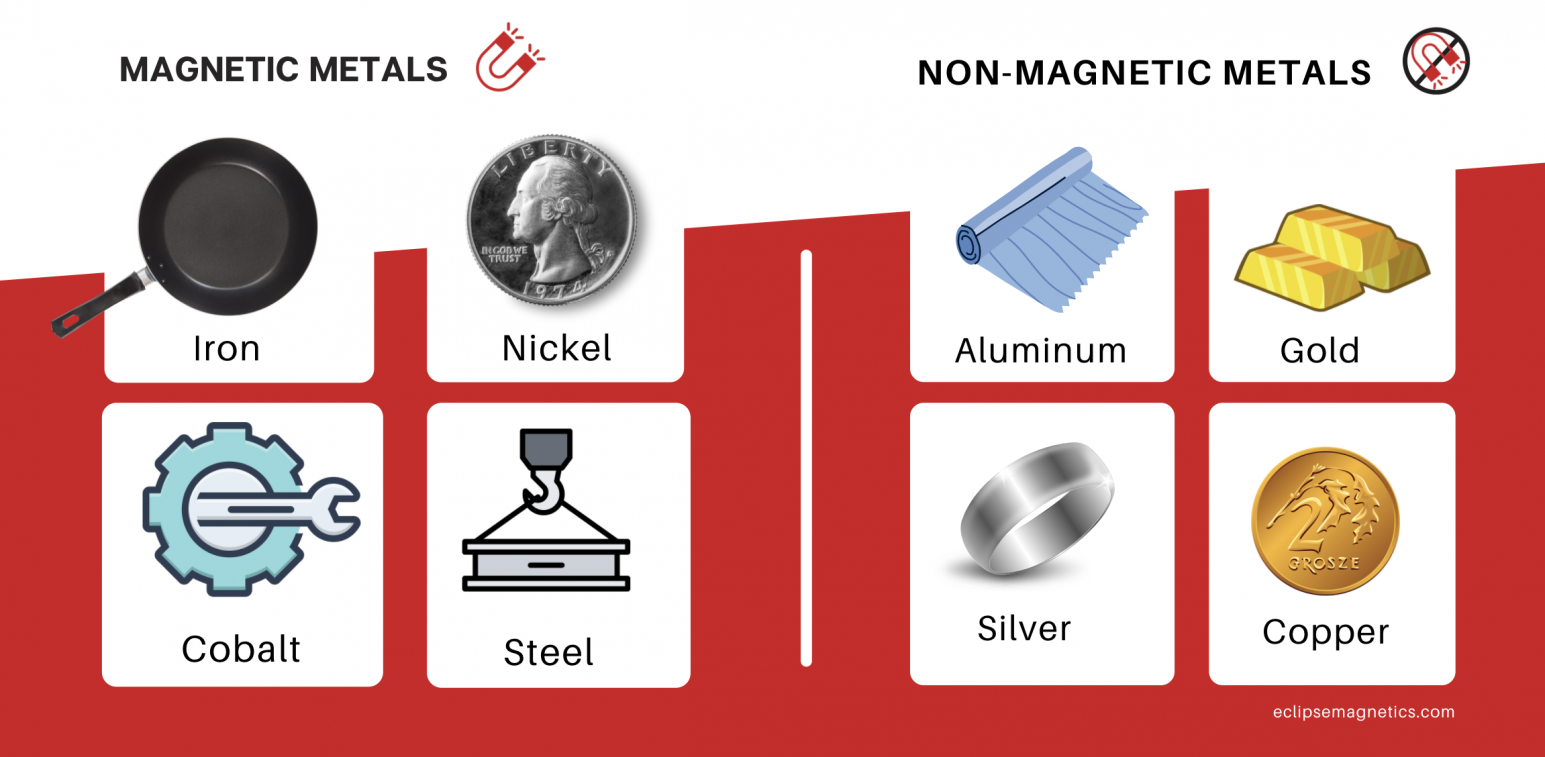
Ferromagnetic Foundations: The Primary Metals Driving Hardware Innovation
At the atomic level, magnetism occurs when the spins of electrons align in the same direction. In most materials, these spins cancel each other out, but in ferromagnetic metals, they align into “domains,” creating a net magnetic field. This property is what makes these metals indispensable in the manufacturing of everything from simple sensors to complex AI-driven hardware.
Iron: The Core of Electromagnetism
Iron is the most well-known magnetic metal and serves as the backbone of the global infrastructure. In the tech sector, iron’s importance lies in its role in electromagnetism. When iron is wrapped in copper wire and charged with electricity, it becomes a temporary magnet. This principle is fundamental to the operation of electric motors and transformers. Without iron’s high magnetic permeability, our ability to convert electrical energy into mechanical work—essential for everything from cooling fans in high-performance servers to the vibration motors in wearable tech—would be non-existent.
Cobalt and Nickel: Enhancing Durability and Conductive Performance
While iron is susceptible to oxidation, cobalt and nickel offer magnetic properties combined with high resistance to heat and corrosion. Cobalt is particularly vital in the tech industry because it maintains its magnetic properties at incredibly high temperatures (high Curie point). This makes it a critical component in aerospace electronics and high-speed computing hardware where heat management is a constant challenge. Nickel, on the other hand, is frequently used in magnetic shielding. By using nickel-iron alloys like Mu-metal, engineers can protect sensitive electronic components from external magnetic interference, ensuring that digital signals remain clean and uncorrupted.
Rare Earth Magnets: The Hidden Power Behind Modern Gadgets
When we discuss “magnetic metals” in a 21st-century context, the conversation inevitably shifts toward the “Rare Earth” elements. Despite their name, these metals are relatively abundant in the Earth’s crust, but they are difficult to extract and process. In the world of tech gadgets and reviews, rare earth magnets are the “secret sauce” that allows for the miniaturization of high-performance hardware.
Neodymium: Shrinking Technology Without Sacrificing Power
Neodymium (specifically when alloyed with iron and boron to create NdFeB magnets) is the strongest permanent magnet commercially available. Its introduction revolutionized consumer electronics. If you have ever wondered how modern smartphones can produce such high-fidelity sound from tiny speakers, or how laptop lids click shut with satisfying precision, the answer is neodymium. These magnets provide the maximum “torque” and “pull” for their size, allowing engineers to shrink components like hard drive actuators, camera autofocus motors, and high-end headphone drivers without losing efficiency.
Samarium-Cobalt: Stability in Extreme High-Tech Environments
While neodymium is powerful, it can be fragile and sensitive to heat. This is where Samarium-Cobalt (SmCo) magnets step in. In the realm of industrial tech and digital security hardware, SmCo magnets are preferred for their “coercivity”—their resistance to being demagnetized. They are frequently found in the sensors used in satellites and deep-sea exploration tech. Because they can operate at temperatures exceeding 300°C without losing their magnetic attraction, they are essential for hardware that must perform in the harshest environments known to man.
Magnetic Metals in Data Storage and Computing

The history of computing is, in many ways, the history of manipulating magnetic metals. Long before the rise of Solid State Drives (SSD), the world’s data lived on spinning platters of magnetic material. Even as we transition to new storage architectures, magnetism remains at the forefront of high-capacity data solutions.
Hard Disk Drives (HDDs) and the Physics of Magnetic Recording
The “disk” in a hard drive is typically made of glass or aluminum coated with a thin layer of magnetic alloy, often containing cobalt and platinum. To write data, a magnetic head changes the polarity of microscopic “bits” on this metal surface. While SSDs have taken over consumer laptops due to their speed, magnetic HDDs still dominate the cloud computing industry and data centers. The cost-per-gigabyte of magnetic storage remains lower than flash memory, and the longevity of magnetic bit-alignment is crucial for long-term data archiving and digital security.
The Future of Spintronics and Magnetoresistive RAM (MRAM)
The tech industry is currently looking toward “Spintronics”—a field of electronics that uses the “spin” of electrons rather than their charge to process information. At the heart of this movement is Magnetoresistive RAM (MRAM). MRAM uses magnetic tunnel junctions, which involve layers of magnetic metals just atoms thick. Unlike traditional RAM, which loses data when the power is turned off, MRAM is non-volatile because it relies on the permanent magnetic state of the metal layers. This could lead to computers that turn on instantly and use a fraction of the power required by today’s devices.
The Role of Magnetism in Sustainable Tech and the EV Revolution
As the global tech trend shifts toward sustainability and green energy, the demand for magnetic metals has skyrocketed. The transition from internal combustion engines to electric drivetrains is essentially a shift toward a “magnet-based” economy.
Magnetic Metals in Electric Vehicle (EV) Motors
The heart of an electric vehicle is the permanent magnet motor. These motors utilize massive arrays of neodymium and dysprosium to create the rotational force needed to move a vehicle. The efficiency of these magnets directly impacts the range of the car; the stronger and more heat-resistant the magnetic metal, the further the car can go on a single charge. This has made the sourcing of magnetic metals a major geopolitical and technological focal point, driving innovation in how these materials are synthesized and utilized.
The Challenges of E-Waste and Magnetic Recovery
As we produce more gadgets containing magnetic metals, the “circular economy” of tech becomes a pressing concern. Recovering neodymium and cobalt from discarded smartphones and laptops is a significant challenge in the field of digital security and environmental tech. Because these metals are often “glued” into devices or used in tiny quantities, traditional recycling is difficult. However, new software-driven robotic sorting systems and chemical leaching processes are being developed to reclaim these “magnetic treasures,” ensuring that the materials powering our future don’t end up in a landfill.
Beyond Attraction: Non-Magnetic Metals in Technology
To understand what magnets attract, it is equally important to understand what they do not attract. Metals like aluminum, copper, and gold are not ferromagnetic. However, in the tech world, these non-magnetic metals often work in tandem with magnetic ones.
Copper, for instance, is the primary conductor for creating the magnetic fields in electromagnets. Aluminum is used as the non-magnetic chassis for devices to prevent unwanted magnetic interference with internal sensors. By understanding the interplay between magnetic and non-magnetic metals, hardware designers can create devices that are both powerful and shielded from the “noise” of the electromagnetic spectrum. This synergy is what allows a modern smartphone to house a compass, a cellular radio, and a high-powered speaker in a single, interference-free package.

Conclusion: The Magnetic Future of Innovation
The relationship between metals and magnets is much more than a classroom science experiment; it is the fundamental logic upon which modern technology is built. Whether it is the iron in a transformer, the neodymium in a pair of noise-canceling headphones, or the cobalt-alloy layers in a cloud server, magnetic attraction is the force that makes digital life possible.
As we move toward an era of AI-driven hardware, more efficient electric transport, and non-volatile computing, our reliance on these specific metals will only grow. By continuing to refine our understanding of magnetic materials—and finding more sustainable ways to use them—the tech industry will continue to push the boundaries of what is possible, proving that the future is, quite literally, magnetic.
aViewFromTheCave is a participant in the Amazon Services LLC Associates Program, an affiliate advertising program designed to provide a means for sites to earn advertising fees by advertising and linking to Amazon.com. Amazon, the Amazon logo, AmazonSupply, and the AmazonSupply logo are trademarks of Amazon.com, Inc. or its affiliates. As an Amazon Associate we earn affiliate commissions from qualifying purchases.