
In the sprawling, often chaotic landscape of modern commerce, where brands proliferate and vie for fleeting attention, the quest for lasting resonance feels more challenging than ever. Yet, if we cast our gaze back to the dawn of civilization, to a land often called the “cradle of civilization” – Mesopotamia – we uncover profound parallels that illuminate the path to enduring brand identity. Far from a history lesson, this is a metaphorical journey into the foundational principles that allow brands to not merely exist, but to thrive, adapt, and imprint themselves on the collective consciousness for generations.

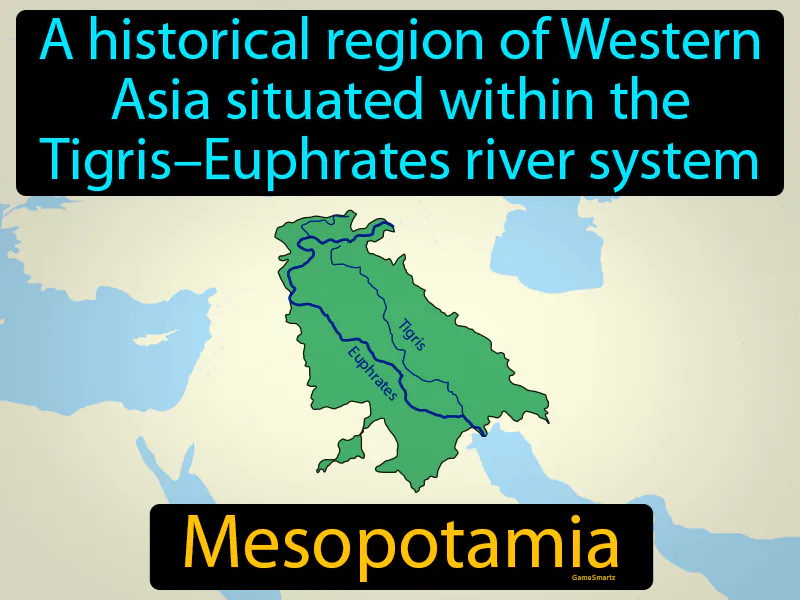
Mesopotamia, meaning “the land between two rivers,” the Tigris and Euphrates, was a crucible of innovation. It gave birth to writing, law, complex urban structures, and sophisticated governance. These weren’t mere inventions; they were the building blocks of identity for entire civilizations. For a brand, understanding “what Mesopotamia means” is to grasp the essence of origin, purpose, and the meticulous construction of a legacy. It’s about recognizing that enduring power comes from deep-seated values, a compelling narrative, and the strategic foresight to build structures that withstand the sands of time.
This isn’t about antiquity for antiquity’s sake; it’s about discerning the timeless wisdom embedded in humanity’s earliest attempts at creating order, meaning, and identity within a complex world. By drawing parallels to Mesopotamia’s foundational achievements, we can unlock a more insightful approach to crafting corporate identity, developing resilient brand strategies, and forging connections that transcend ephemeral trends.
The Cradle of Identity: Building Foundational Brand Narratives
Just as ancient Mesopotamian city-states developed unique identities through their gods, kings, and epic tales, modern brands must forge their foundational narratives. This isn’t just marketing copy; it’s the very bedrock of who you are, what you stand for, and why you matter.
From Clay Tablets to Digital Stories: The Power of Origin
Mesopotamia’s most revolutionary invention, cuneiform writing on clay tablets, allowed for the recording of history, laws, and myths. These tablets weren’t just data storage; they were the first true archives of identity, allowing stories to persist beyond oral tradition. For a brand, understanding its “clay tablet” moment means articulating its origin story – not just what was started, but why. What problem did you set out to solve? What vision compelled your founders? This origin story, etched into your brand’s DNA, provides authenticity and depth. Whether shared through an “About Us” page, a founder’s interview, or a documentary, this narrative forms the immutable record of your brand’s beginnings, a sacred text that informs every subsequent communication. It’s the raw, unvarnished truth of your inception, providing a powerful emotional anchor for your audience in a world saturated with superficiality.
Archetypes and Universal Appeal: Crafting Timeless Brand Personas
The gods and heroes of Mesopotamian mythology – Gilgamesh, Ishtar, Enki – embodied universal human aspirations and fears. They were archetypes that resonated across diverse cultures and millennia. Similarly, successful brands often tap into universal archetypes (e.g., The Explorer, The Sage, The Caregiver, The Rebel) to craft a persona that resonates deeply and instinctively with their audience. Is your brand the innovative ‘Creator’ transforming industries, or the dependable ‘Ruler’ bringing order? Understanding and consistently embodying an archetype imbues your brand with a timeless, almost mythical quality, allowing it to transcend cultural nuances and speak to the fundamental human experience. This strategic alignment helps customers instinctively grasp your brand’s essence, fostering a sense of familiarity and trust that transcends fleeting trends. It allows your brand to become more than a product or service; it becomes a character in the grand narrative of your customers’ lives.
The Fertile Crescent of Values: Defining Your Brand’s Core Principles
The “fertile crescent” was the literal lifeblood of Mesopotamian civilization, providing the resources and environment for growth. Metaphorically, for a brand, the “fertile crescent” represents its core values – the foundational principles that nourish its identity and growth. These values are not merely buzzwords; they are the ethical, operational, and philosophical tenets that guide every decision, from product development to customer service. Just as a city-state’s laws and customs dictated its societal structure, a brand’s values dictate its corporate culture, its market behavior, and its perceived integrity. When these values are clearly defined, consistently upheld, and genuinely lived, they attract customers and employees who share those principles, creating a loyal community around a shared belief system. This cultivation of genuine values ensures that the brand ecosystem remains vibrant and productive, resistant to the drought of cynicism and the erosion of trust.
Beyond the Rivers: Cultivating a Legacy of Meaning
The enduring legacy of Mesopotamia isn’t just in its ruins; it’s in the fundamental concepts it bequeathed to subsequent civilizations. For a brand, transcending its immediate offerings to cultivate a legacy means building meaning that outlives its current product cycle or market trends.
Sustaining the Current: Consistency as the Lifeblood of Brand
The Tigris and Euphrates rivers were constant, flowing arteries providing life, irrigation, and trade routes. Their consistent presence was essential for Mesopotamian cities to flourish. In the brand world, consistency is the unwavering current that sustains identity. This means a steadfast commitment to your brand’s visual identity, voice, messaging, and overall experience across all touchpoints. Inconsistency erodes trust and fragments perception, leaving audiences confused and disengaged. Just as ancient farmers relied on the dependable flow of water, customers rely on the dependable experience of your brand. This sustained, coherent presence reinforces recognition, builds familiarity, and cements the psychological connection consumers have with your brand, ensuring its continued vitality in a crowded marketplace. It’s the silent promise of reliability that underpins all other brand efforts.
Walls of Reputation: Trust as an Unshakeable Foundation
Ancient Mesopotamian cities, like Babylon and Uruk, were renowned for their massive, formidable walls, built for protection and to project power. These walls weren’t just physical barriers; they were symbols of a city’s strength, security, and reputation. For a brand, the “walls of reputation” are built on trust – the unshakeable foundation of reliability, transparency, and ethical conduct. Every promise kept, every expectation met, every honest interaction adds another brick to this wall. Conversely, ethical lapses or broken promises can quickly crumble years of painstaking construction. A brand with a robust reputation for trustworthiness can weather market storms, overcome missteps, and command loyalty far beyond its product features. It’s the psychological fortress that protects your brand’s equity and ensures its longevity. In a world of fleeting attention, a strong reputation is an invaluable asset.

The Ziggurat of Purpose: Elevating Brand Beyond Product
The ziggurats of Mesopotamia were massive, stepped temple towers that reached towards the heavens, symbolizing a connection between the earthly and divine. They were places of worship, but also symbols of civic pride and collective endeavor. For a brand, the “ziggurat of purpose” represents its aspiration to transcend mere commercial exchange and connect with a higher mission. What is the overarching purpose, the societal benefit, the greater good your brand contributes to? This isn’t about marketing fluff; it’s about authentic commitment to a cause or a vision that resonates deeply with your audience. Brands that successfully articulate and embody a purpose beyond profit – whether it’s environmental sustainability, community empowerment, or fostering innovation for human progress – build a powerful emotional connection. They invite customers to participate in something larger than themselves, elevating the brand from a provider of goods to a beacon of shared values and collective aspiration.
The Code of Hammurabi: Establishing Brand Governance and Experience
The Code of Hammurabi, one of the earliest and most complete written legal codes, provided a structured framework for society, defining rights, responsibilities, and consequences. For brands, this represents the crucial need for defined governance – the rules, standards, and systems that ensure a consistent, intentional brand experience.
Laws of Engagement: Crafting Seamless Customer Journeys
Hammurabi’s Code was an attempt to standardize interactions and ensure justice. In the brand context, “laws of engagement” refer to the meticulously designed customer journey. This encompasses every interaction a customer has with your brand, from initial awareness to post-purchase support. Each touchpoint, whether digital or physical, must be thoughtfully crafted to be intuitive, satisfying, and consistent with the brand’s persona and values. This means establishing clear guidelines for customer service responses, user interface design, packaging, and even social media interactions. A seamless, positive customer experience isn’t accidental; it’s the result of carefully codified processes and a deep understanding of customer needs. This strategic governance ensures that the brand experience is not only consistent but also reflects the brand’s promise at every turn, reinforcing trust and loyalty.
Standardizing the Symbol: Visual Identity as a Universal Language
The standardized cuneiform script allowed for clear, unambiguous communication across diverse groups. Similarly, a brand’s visual identity – its logo, color palette, typography, and imagery – functions as its universal language. It must be standardized, meticulously documented in brand guidelines, and consistently applied across all platforms. This visual consistency isn’t just about aesthetics; it’s about instant recognition, recall, and the subliminal communication of brand attributes. A strong, consistent visual identity acts as a shorthand for your brand’s entire meaning, instantly conveying professionalism, trustworthiness, and distinctiveness. It’s the visual “code” that ensures your brand is recognized and understood without uttering a single word, fostering a powerful sense of familiarity and emotional connection.
The Oracle’s Voice: Authentic Communication and Brand Messaging
In ancient Mesopotamia, oracles and priests often interpreted divine will, acting as authoritative voices for their communities. For a brand, “the oracle’s voice” represents its authentic and consistent brand messaging. This isn’t just about what you say, but how you say it. It requires defining a distinct brand voice – whether it’s authoritative, playful, empathetic, or disruptive – and ensuring that voice is consistently expressed in all communications. This includes marketing campaigns, website content, social media posts, and internal communications. Authenticity in this voice builds trust, while inconsistency creates dissonance. A brand that speaks with a clear, consistent, and authentic voice establishes itself as a credible and relatable entity, fostering deeper connections and commanding attention in a noisy world.
Innovation in the Ancient World: Adapting Your Brand for the Future
Mesopotamia was a hotbed of invention, from the wheel to irrigation systems, demonstrating an innate capacity for innovation that allowed its civilizations to adapt and flourish. For brands, this translates to the imperative of continuous evolution while retaining core identity.
The Wheel of Progress: Embracing Evolution While Retaining Core
The invention of the wheel in Mesopotamia revolutionized transport and efficiency. For brands, “the wheel of progress” symbolizes the necessity of continuous innovation – in products, services, processes, and marketing approaches. The digital age demands agility and a willingness to adapt to new technologies, market shifts, and consumer behaviors. However, true innovation in branding isn’t about chasing every new trend. It’s about strategically evolving while staying true to your foundational values and purpose. Just as a wheel needs a fixed axle to turn effectively, a brand needs its core identity to remain constant while its outward expressions and offerings adapt. This balance allows for growth and relevance without sacrificing the authenticity that defines your brand. It’s about smart evolution, not blind revolution.
Urban Planning for Growth: Scaling Brand Identity Strategically
Mesopotamian cities were meticulously planned, with intricate canal systems, public buildings, and defensive structures, anticipating future growth and societal needs. Similarly, “urban planning for brand growth” means having a strategic roadmap for how your brand identity will scale as your business expands. This involves anticipating new markets, diverse customer segments, and potential product line extensions. It requires foresight in developing a flexible brand architecture, ensuring that your core identity can accommodate new ventures while maintaining coherence. This strategic foresight prevents brand dilution, ensuring that expansion strengthens, rather than weakens, the overall brand ecosystem. It’s about building a robust framework that allows for sustainable growth without compromising the integrity of your brand’s unique character.
Legacy in Flux: Balancing Heritage with Modern Relevance
The legacy of Mesopotamia continues to inform modern society in countless ways, demonstrating the power of ancient wisdom to maintain relevance across millennia. For brands, this means understanding “legacy in flux” – the art of honoring your heritage and established identity while remaining vibrantly relevant to contemporary audiences. This isn’t about abandoning the past for the new, but about intelligently integrating the enduring aspects of your brand with modern sensibilities, technologies, and communication channels. Whether it’s a heritage brand re-engaging a younger demographic or a new brand establishing an instant legacy through purposeful action, the goal is to be both timeless and timely. It’s about demonstrating that your brand’s foundational meaning isn’t static, but a dynamic source of inspiration that continues to shape the future, proving that true identity is both rooted in the past and reaching towards tomorrow.
In conclusion, “what Mesopotamia means” for enduring brand identity is a profound lesson in foundations, purpose, and strategic construction. It teaches us that lasting brands are built not on fleeting trends, but on deep-seated narratives, unwavering values, consistent experiences, and the courage to innovate while staying true to their core. By applying these ancient principles to modern brand strategy, businesses can cultivate identities that are not only recognized but revered, creating legacies that thrive far beyond the current moment, much like the enduring influence of humanity’s first great civilizations.
aViewFromTheCave is a participant in the Amazon Services LLC Associates Program, an affiliate advertising program designed to provide a means for sites to earn advertising fees by advertising and linking to Amazon.com. Amazon, the Amazon logo, AmazonSupply, and the AmazonSupply logo are trademarks of Amazon.com, Inc. or its affiliates. As an Amazon Associate we earn affiliate commissions from qualifying purchases.