
The landscape of chronic pain management is undergoing a seismic shift. For decades, when patients asked “what medicine is used for fibromyalgia,” the answer was confined strictly to a narrow list of pharmaceuticals: antidepressants, anti-seizure medications, and muscle relaxants. However, as we move further into the decade, the definition of “medicine” is expanding. In the modern tech-driven era, technology is no longer just a tool for logging symptoms; it is becoming the treatment itself.
From artificial intelligence (AI) to digital therapeutics and wearable biotech, the intersection of software and healthcare is revolutionizing how we treat one of the most complex neurological conditions. This article explores the technological advancements that are reshaping fibromyalgia treatment protocols, moving beyond traditional pharmacology toward a data-driven, tech-integrated approach.

Digital Therapeutics and the Evolution of Pain Management
The most significant shift in modern medicine is the rise of Digital Therapeutics (DTx). These are evidence-based therapeutic interventions driven by high-quality software programs to prevent, manage, or treat a medical disorder or disease. For fibromyalgia, DTx is challenging the traditional pill-first mentality.
Beyond Pills: The Rise of FDA-Cleared Software
In recent years, the FDA has begun clearing software applications designed specifically to treat chronic pain. Unlike a standard fitness app, these digital platforms use cognitive behavioral therapy (CBT) and neuro-retraining algorithms to alter the way the brain processes pain signals. For a fibromyalgia patient, the “medicine” is a series of interactive, data-responsive modules that target the central sensitization characteristic of the condition. These programs use sophisticated algorithms to track user progress and adjust the intensity of the cognitive exercises in real-time, providing a level of personalization that a static prescription cannot match.
Virtual Reality (VR) as a Non-Pharmacological “Medicine”
Virtual Reality has moved from the gaming world into the clinical setting as a potent tool for pain modulation. Med-tech companies have developed VR headsets that immerse fibromyalgia patients in environments designed to induce deep physiological relaxation and neurological distraction. By flooding the brain with immersive visual and auditory stimuli, VR can effectively “gate” pain signals. Recent studies in the tech-medical space suggest that regular VR sessions can reduce the reliance on traditional nerve pain medications by training the nervous system to dampen its overactive pain responses.
AI-Driven Precision Medicine: Customizing Drug Protocols
One of the biggest hurdles in treating fibromyalgia is the “trial and error” phase. What medicine works for one patient may have no effect—or severe side effects—on another. Artificial Intelligence and Machine Learning (ML) are solving this problem by enabling precision medicine.
Machine Learning in Predicting Treatment Response
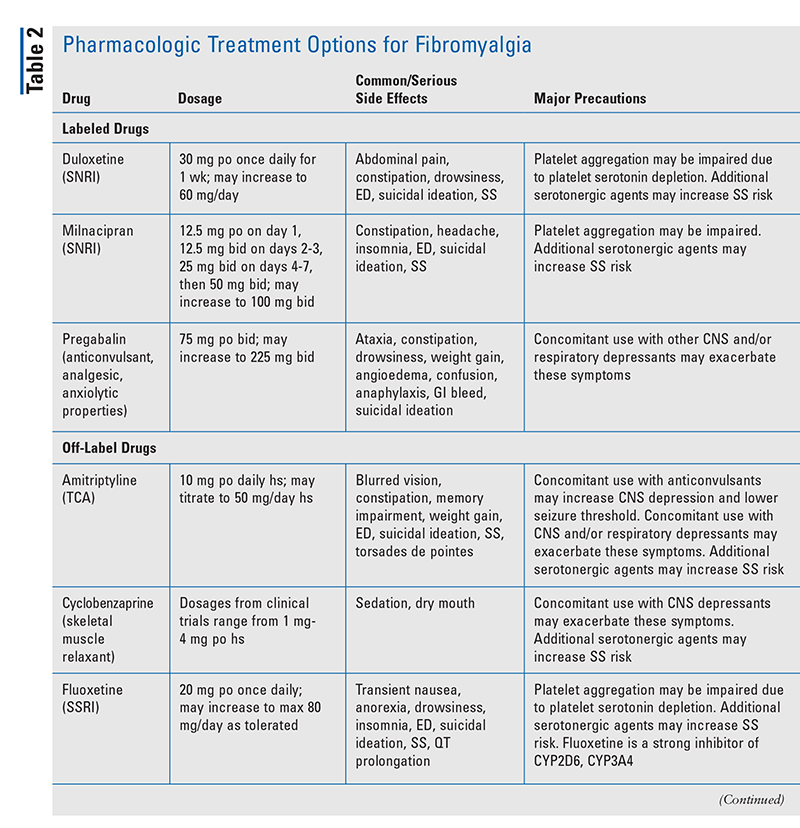
AI models are now being trained on massive datasets comprising thousands of fibromyalgia patient profiles, including their genetic markers, lifestyle data, and historical responses to medication. By analyzing these patterns, ML algorithms can predict with high accuracy whether a patient will respond better to a serotonin-norepinephrine reuptake inhibitor (SNRI) like duloxetine or a calcium channel alpha-2-delta ligand like pregabalin. This reduces the months of “testing” different drugs, allowing patients to access the right medicine faster through predictive analytics.
Genomic Sequencing and Pharmacogenetics
The integration of genomic tech into routine care is another game-changer. Pharmacogenetics—the study of how genes affect a person’s response to drugs—is now accessible via tech startups that provide at-home DNA testing kits specifically for medication compatibility. These platforms analyze enzymes in the liver (such as the CYP450 system) to determine how a patient metabolizes fibromyalgia medications. The software provides a report to the clinician, highlighting which medicines are likely to cause toxicity or which will be cleared too quickly to be effective, effectively digitizing the prescription process.
Wearable Technology and Real-Time Medication Monitoring
The “Internet of Medical Things” (IoMT) has introduced a new layer of connectivity between the patient’s body and their treatment plan. Wearable devices are no longer just step counters; they are sophisticated diagnostic tools that monitor the efficacy of fibromyalgia medicine in real-time.

Smart Patches and Biometric Sensors
The next generation of “medicine” for fibromyalgia may include smart patches. These are wearable tech devices that adhere to the skin and use micro-needles or osmotic pressure to deliver controlled doses of medication throughout the day. Beyond delivery, these patches contain sensors that monitor skin temperature, galvanic skin response, and heart rate variability—all indicators of pain levels. If the sensors detect a “flare-up” in the patient’s physiological data, the software can alert the patient to take a breakthrough dose or, in some advanced prototypes, adjust the delivery of the medication automatically.
The Role of IoT in Data-Driven Dosage Adjustments
Connectivity is key to modern pain management. Through IoT-enabled pill bottles and wearable sensors, data is continuously fed to a cloud-based platform. This allows doctors to see how a specific medicine affects a patient’s sleep quality and activity levels. If the data shows that a patient’s sleep-tracking metrics (via a smartwatch) haven’t improved after starting a new medication, the physician can adjust the dosage remotely. This creates a closed-loop system where technology provides the objective data necessary to optimize pharmacological intervention.
Digital Health Platforms and Patient Management Apps
While the medicine itself is vital, the infrastructure surrounding the patient is what ensures long-term success. Digital health platforms are bridging the gap between clinical visits and daily life.
Telemedicine: Bridging the Gap to Specialist Care
Fibromyalgia often requires a multidisciplinary approach involving rheumatologists, neurologists, and pain specialists. Tech platforms dedicated to telemedicine have made it possible for patients in rural or underserved areas to access top-tier specialists who are experts in the latest fibromyalgia medications. These platforms integrate electronic health records (EHR) with video conferencing, allowing for seamless sharing of diagnostic data and immediate electronic prescribing.
Mobile Health (mHealth) for Symptom Tracking
The use of mHealth apps has become standard in managing chronic illness. For fibromyalgia, these apps serve as a sophisticated diary where patients log their “fibro-fog,” pain levels, and medication side effects. The real value, however, lies in the data visualization. Tech-savvy apps can correlate weather patterns (via GPS), activity levels (via accelerometer), and medication timing to show the patient exactly what triggers their pain. This empowers the patient to use their medicine more strategically, perhaps timing their dosage with high-stress periods identified by the app’s predictive features.
Cybersecurity and Data Privacy in Chronic Pain Tech
As we integrate more technology into the treatment of fibromyalgia, the conversation must turn toward the security of the platforms being used. When “medicine” becomes digital, the stakes for data privacy are higher than ever.
Protecting Sensitive Health Data in the Cloud
The transition to AI-driven diagnostics and wearable monitoring means that vast amounts of sensitive health data are being stored in the cloud. Med-tech companies are now prioritizing blockchain technology and end-to-end encryption to ensure that a patient’s genetic profile and medication history are protected from breaches. For a patient to trust a digital therapeutic or an AI-driven prescription model, they must have confidence that their biometric data is anonymized and secure.
The Ethics of Algorithmic Bias in Healthcare
In the tech niche, we must also address the potential for algorithmic bias. If the AI models used to determine “what medicine is used for fibromyalgia” are trained on non-diverse datasets, the recommendations may not be accurate for all ethnicities or genders. Leading tech innovators in the healthcare space are currently working on “Explainable AI” (XAI), which allows doctors to see the “why” behind an algorithm’s medication recommendation, ensuring that technology serves as a transparent assistant rather than a “black box” decision-maker.
Conclusion
The question of “what medicine is used for fibromyalgia” no longer has a simple pharmaceutical answer. We are entering an era where medicine is a hybrid of chemistry and code. Technology is providing the tools to move away from a one-size-fits-all approach and toward a future of precision, where AI selects the drug, wearables monitor the response, and digital therapeutics retrain the brain.
As these technologies continue to mature, the burden on fibromyalgia patients will hopefully lighten. By leveraging the power of data, connectivity, and intelligent software, the medical community is finally gaining the upper hand against the complexities of chronic pain. The future of fibromyalgia treatment isn’t just in the pharmacy; it’s in the cloud, the sensor, and the algorithm.
aViewFromTheCave is a participant in the Amazon Services LLC Associates Program, an affiliate advertising program designed to provide a means for sites to earn advertising fees by advertising and linking to Amazon.com. Amazon, the Amazon logo, AmazonSupply, and the AmazonSupply logo are trademarks of Amazon.com, Inc. or its affiliates. As an Amazon Associate we earn affiliate commissions from qualifying purchases.