
The “humanization of pets” is no longer just a marketing buzzword; it is a profound economic shift. As pet owners increasingly view their canine companions as integral family members, the demand for sophisticated healthcare has skyrocketed. Among the most frequent—and potentially most expensive—long-term health issues in dogs are allergies. Whether they are environmental, food-based, or flea-related, allergies require consistent pharmacological intervention.
For the modern pet owner and the financially conscious household, understanding what medicine dogs can take for allergies is not merely a clinical question—it is a budgetary one. This article explores the financial landscape of canine allergy treatments, analyzing the market costs, the return on investment (ROI) of preventative care, and the broader economic trends within the pet pharmaceutical industry.
Understanding the Economic Impact of Chronic Pet Allergies
Allergies in dogs are rarely “cured”; they are managed. This distinction is critical from a financial planning perspective because it shifts the expense from a one-time “incident” cost to a recurring “operating” expense.
The Rising Cost of Veterinary Pharmaceuticals
The veterinary pharmaceutical market has seen significant inflation over the last decade. As biotechnology advances, the complexity—and price—of medications have increased. Owners are no longer just choosing between a cheap antihistamine and a steroid; they are now looking at monoclonal antibodies and JAK inhibitors. These cutting-edge treatments carry research and development costs that are passed down to the consumer, often resulting in monthly pharmacy bills that rival human healthcare premiums.
Direct vs. Indirect Costs: Beyond the Prescription
When calculating the financial burden of canine allergies, one must look beyond the price tag of the pill bottle. Direct costs include the medication itself, but indirect costs often include:
- Specialized Diets: Many allergic dogs require hydrolyzed protein or novel protein diets, which can cost 200% to 300% more than standard premium kibble.
- Dermatological Testing: Allergy testing (intradermal or blood tests) can range from $300 to $800.
- Frequent Office Visits: Chronic conditions require monitoring, blood work to check organ function during long-term drug use, and re-check exams.
Market Analysis: Comparing the Price Points of Major Allergy Treatments
The pet pharmaceutical industry is dominated by a few major players, and the pricing of allergy medications reflects a tiered system based on efficacy, ease of administration, and side-effect profiles.
Daily Oral Medications: Apoquel and the Subscription Model of Care
Apoquel (Oclacitinib) has become the gold standard for many veterinarians treating allergic itch. From a financial standpoint, Apoquel functions much like a subscription service. Because it must be administered daily, the monthly cost is highly predictable but persistent. For a medium-to-large dog, owners can expect to spend anywhere from $60 to $120 per month. Over the course of a dog’s life, this represents a five-figure investment.
Biologicals and Injectables: The Premium Price of Cytopoint
Cytopoint represents the high-tech end of the market. As a monoclonal antibody, it is an injectable treatment that typically lasts 4 to 8 weeks. The pricing model for Cytopoint is weight-dependent, making it a significant financial consideration for owners of giant breeds. While the per-treatment cost might be higher than a bottle of pills (ranging from $50 to over $200 per injection), the “value” lies in the convenience and the elimination of daily dosing compliance issues.

Generic Alternatives and Over-the-Counter Economic Strategies
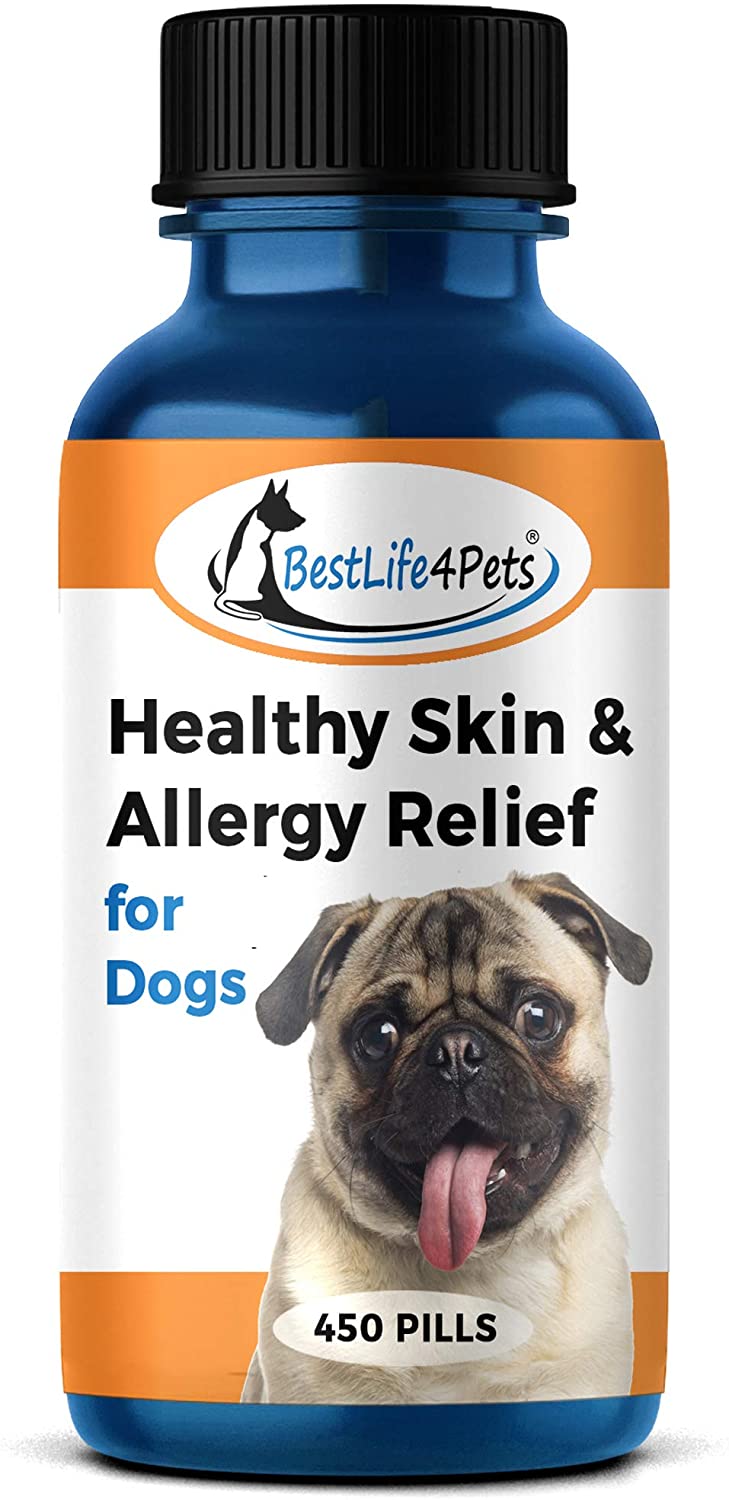
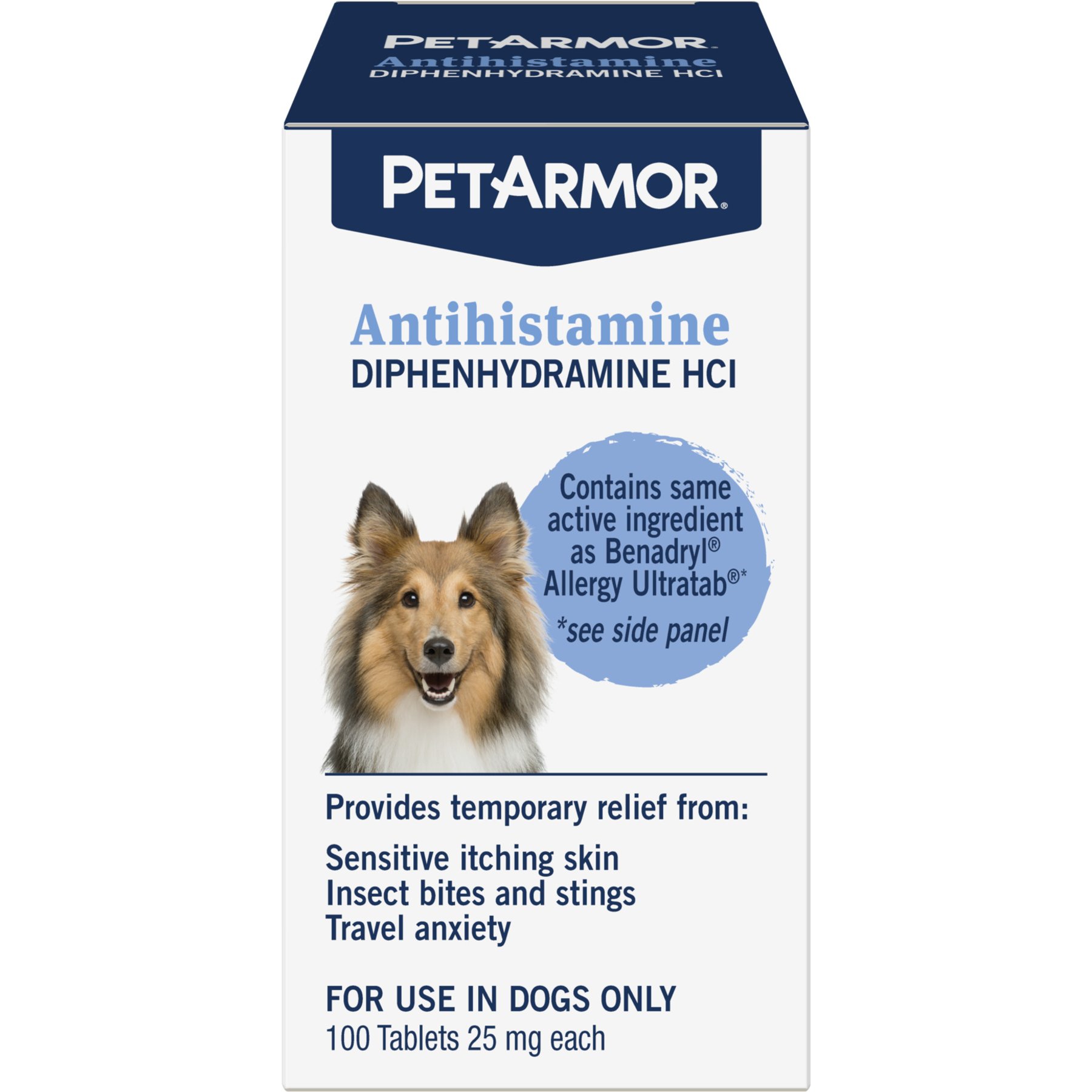
For the budget-conscious owner, over-the-counter (OTC) antihistamines like Benadryl (Diphenhydramine), Zyrtec (Cetirizine), or Claritin (Loratadine) are the primary entry point. Financially, these are the most accessible options, costing pennies per dose. However, from an efficiency perspective, many veterinarians report that these medications have a low success rate (often cited around 20-30%) for significant canine atopy. Therefore, while the price is low, the value may be negligible if the dog requires secondary treatments for skin infections caused by the failure of the OTC meds.
Financial Planning and Mitigation Strategies for Pet Owners
Managing the cost of canine allergies requires a proactive financial strategy. Without a plan, the “death by a thousand cuts” of monthly medication costs can lead to “economic euthanasia,” where owners are forced to make medical decisions based solely on bank balances.
The Role of Pet Insurance in Managing Allergy Expenses
Pet insurance is the most effective tool for mitigating the high cost of allergy medications. However, the timing of the policy acquisition is everything. Allergies are considered “pre-existing conditions” by almost every provider.
- Early Enrollment: Insuring a puppy before symptoms manifest ensures that lifelong allergy treatments (including expensive biologics) are covered, often at a 70% to 90% reimbursement rate.
- Premium vs. Deductible: For dogs prone to allergies (such as Bulldogs, Retrievers, or Labradors), choosing a plan with a higher premium but lower deductible for chronic conditions can result in a positive ROI within the first two years of treatment.
Leveraging Health Savings and Pharmaceutical Discount Programs
Smart financial management includes looking for arbitrage opportunities in the pet med market.
- Manufacturer Rebates: Companies like Zoetis (the maker of Apoquel and Cytopoint) offer loyalty programs (e.g., Zoetis Petcare Rewards) that provide “cash back” to be used at the vet’s office.
- Online Pharmacies vs. In-Clinic: While buying from a vet supports a small business, larger online retailers often have lower overhead and offer “auto-ship” discounts of 5% to 15%.
- Compounding Pharmacies: For specific medications, using a compounding pharmacy can sometimes lower the cost of specialized dosages, though this is less common for the patented primary allergy meds.
The Broader Investment Landscape: Why the Pet Allergy Market is Booming
The “Money” aspect of canine allergies extends beyond the individual pet owner to the global investment market. The veterinary dermatology sector is one of the fastest-growing niches in animal health.
Sector Growth and Private Equity Involvement
The resilience of the pet care sector during economic downturns has attracted significant private equity interest. Investors see “recession-proof” qualities in pet health; owners are often more willing to cut back on their own luxury spending than to let their pets suffer from visible discomfort and skin infections. This has led to a consolidation of veterinary practices, where corporate-owned clinics can negotiate better bulk pricing on allergy medications, though they often maintain rigid service pricing for the consumer.
Future Projections: The Scalability of Veterinary Biotech
The success of drugs like Cytopoint has paved the way for more “precision medicine” in the veterinary space. The market is currently seeing a surge in investment toward:
- Immunotherapy: Investing in “allergy shots” (hyposensitization) is a long-game financial strategy. While the upfront cost of testing and serum is high, it aims to change the immune system, potentially eliminating the need for expensive daily medications in the future.
- Gut-Skin Axis Research: Significant capital is flowing into the development of medical-grade probiotics and supplements. This “preventative” market segment is projected to grow as owners look for ways to reduce reliance on heavy pharmaceuticals.
Conclusion: Balancing Compassion with Fiscal Responsibility
When asking “what medicine can dogs take for allergies,” the answer is a complex mix of clinical efficacy and financial feasibility. From the $10 bottle of generic antihistamines to the $1,500 annual investment in monoclonal antibodies, the spectrum of care is vast.
For the pet owner, the best financial move is early intervention and insurance. For the investor, the pet allergy market represents a stable, high-growth sector backed by the unbreakable emotional bond between humans and their dogs. Ultimately, managing canine allergies is a masterclass in modern personal finance: it requires an understanding of recurring costs, an analysis of value versus price, and the foresight to protect one’s assets—and four-legged family members—against the predictable unpredictability of health.
aViewFromTheCave is a participant in the Amazon Services LLC Associates Program, an affiliate advertising program designed to provide a means for sites to earn advertising fees by advertising and linking to Amazon.com. Amazon, the Amazon logo, AmazonSupply, and the AmazonSupply logo are trademarks of Amazon.com, Inc. or its affiliates. As an Amazon Associate we earn affiliate commissions from qualifying purchases.