
The evolution of modern medicine is often measured by the transition from intuitive practice to data-driven precision. Nowhere is this more evident than in the administration of general anesthesia. While the question “what medication is used for general anesthesia” often yields a list of pharmaceutical names like Propofol, Sevoflurane, or Fentanyl, the modern tech-focused answer lies in the sophisticated software, hardware, and AI-driven systems that manage these substances. In the high-stakes environment of the operating room (OR), technology has transformed anesthesia from a manual titration process into a digital symphony of integrated systems.

Digital Precision: How Software and AI Control Modern Anesthetic Dosing
In the past, an anesthesiologist would manually calculate doses based on body weight and clinical observation. Today, this process is governed by advanced software algorithms that ensure pharmacokinetic and pharmacodynamic accuracy.
Target-Controlled Infusion (TCI) Systems
Target-Controlled Infusion (TCI) represents one of the most significant technological leaps in intravenous medication delivery. TCI utilizes sophisticated software models (such as the Marsh or Schnider models) to predict the concentration of medications like Propofol in a patient’s plasma or at the “effect site” (the brain). Instead of setting a milligram-per-hour rate, the clinician sets a target concentration, and the software handles the complex calculus required to reach and maintain that level. This tech-driven approach reduces human error and provides a smoother experience for the patient.
Artificial Intelligence in Predictive Analytics
Beyond steady infusion, AI tools are now being integrated into the OR to predict how a specific patient will react to anesthesia medications before they are even administered. By analyzing vast datasets of patient outcomes, machine learning models can identify subtle physiological patterns that suggest a patient might be hypersensitive to certain drugs. This allows for “precision pharmacology,” where the software suggests a customized medication cocktail tailored to the patient’s unique genetic and physiological profile.
Smart Hardware: The Gadgets and Devices Managing Medication Delivery
The delivery of anesthetic gases and intravenous fluids is no longer a matter of simple valves and gravity. It is a field dominated by IoT-connected hardware and precision engineering.
Advanced Digital Vaporizers
For inhaled medications such as Sevoflurane or Desflurane, the anesthesia machine’s vaporizer is the critical hardware component. Modern digital vaporizers are marvels of tech, using electronic sensors to monitor flow rates, temperature, and pressure in real-time. These devices communicate directly with the anesthesia workstation’s central computer, automatically adjusting the gas concentration to compensate for environmental changes. This ensures that the patient receives a consistent dose of medication, regardless of the duration of the surgery.
Smart Infusion Pumps and DERS
For intravenous anesthesia, the “Smart Pump” has become an industry standard. These devices are equipped with Dose Error Reduction Systems (DERS), essentially a software safety net. These pumps contain a digital library of medication protocols; if a clinician accidentally enters a dose that exceeds the safety limit for a specific medication, the software will trigger an alarm or hard-stop the infusion. This integration of software and mechanical hardware is a cornerstone of modern digital patient safety.
Neuro-Monitoring Technology: Measuring the Impact of Meds on the Brain
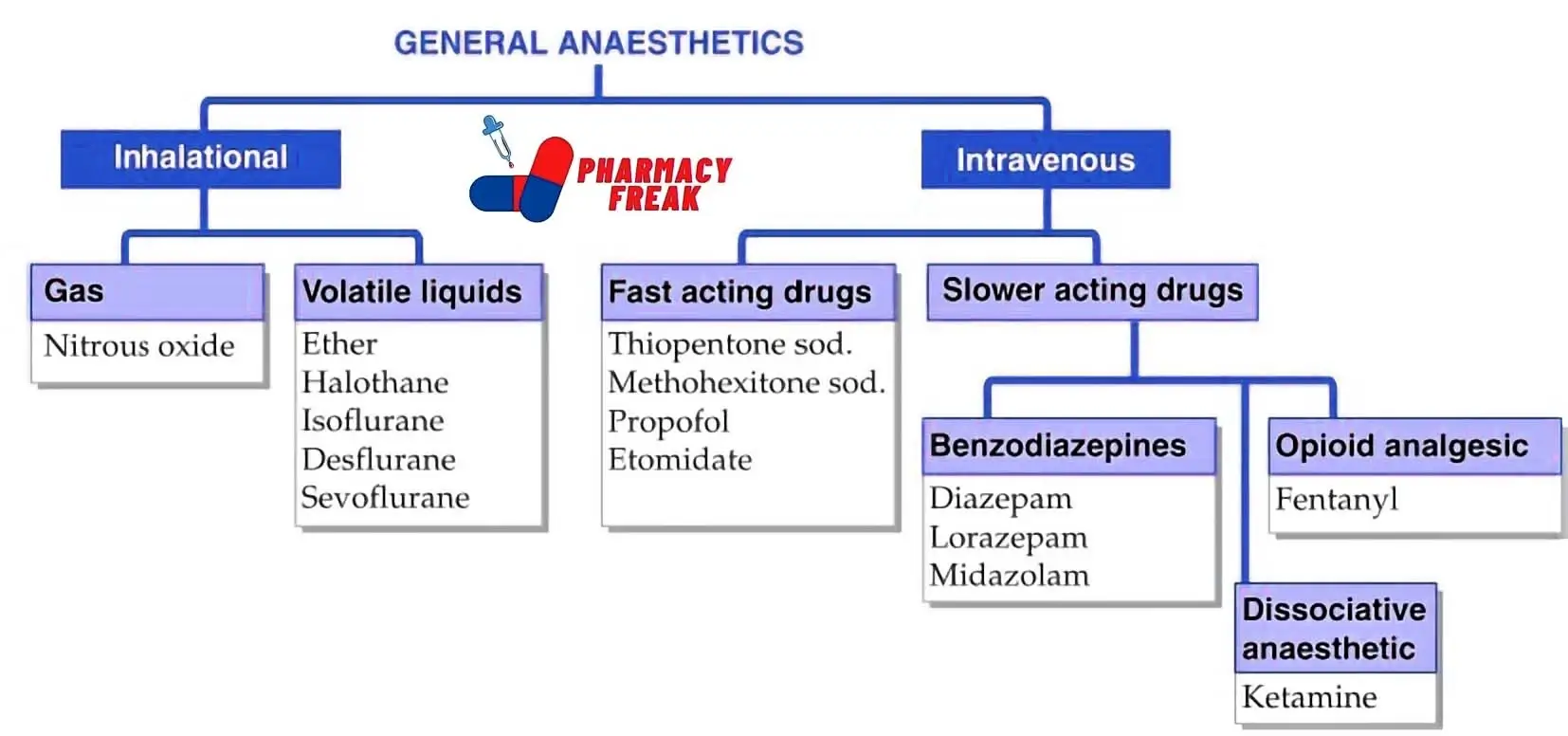
The primary goal of general anesthesia medication is to achieve unconsciousness, analgesia (pain relief), and amnesia. To verify that the medications are working effectively, clinicians use advanced neuro-monitoring gadgets that provide a digital window into the patient’s brain.
EEG-Based Depth of Anesthesia Monitoring
The Bispectral Index (BIS) and SedLine are proprietary technologies that utilize processed Electroencephalography (EEG) to monitor the depth of anesthesia. By placing digital sensors on the patient’s forehead, these devices capture brainwave patterns and convert them into a simplified numerical index (usually 0 to 100). This real-time data allows the anesthesiologist to adjust the medication levels with surgical precision. If the software detects a rise in the index, it indicates the patient is becoming “too light,” allowing for an immediate tech-assisted adjustment of the drug infusion.
Patient-Specific Data Analytics and Dashboards
The modern anesthesia workstation acts as a central hub, aggregating data from the ventilator, the infusion pumps, and the neuro-monitor. This tech stack provides a unified dashboard that visualizes the “state” of the patient. Advanced visualization software uses color-coding and trend-line analysis to help clinicians spot potential issues—like a drop in blood pressure caused by a specific medication—minutes before they become critical. This is a far cry from the analog gauges of the previous century.
Digital Security and Data Integration in the Operating Room
As anesthesia delivery systems become increasingly networked, the focus has expanded to include digital security and the seamless flow of data across the hospital’s ecosystem.
Protecting Infusion Pump Networks
Because modern anesthesia machines and infusion pumps are connected to the hospital’s internal network (and sometimes the cloud), they are potential targets for cyber threats. Digital security is now a critical component of medical pharmacology. Manufacturers are implementing advanced encryption and multi-factor authentication for their devices to ensure that the software controlling the medication delivery cannot be tampered with. The “Tech” of anesthesia now includes a robust layer of cybersecurity to protect life-saving drug delivery systems.
Interoperability and Electronic Health Records (EHR)
The integration of medication data into Electronic Health Records (EHR) is another massive tech trend. When a medication is administered via a smart pump, the data is automatically logged into the patient’s digital chart via Wi-Fi. This eliminates manual documentation errors and provides a “Big Data” repository that hospitals can use for quality improvement. This interoperability ensures that the pharmacy department, the surgical team, and the recovery unit are all working from a single, digitally-synced source of truth regarding the patient’s medication status.
Emerging Tech Trends: The Road Toward Fully Autonomous Anesthesia
The future of anesthesia medications lies in “Closed-Loop” systems—essentially, the “self-driving car” equivalent for the operating room.
Closed-Loop Systems (Automated Feedback)
Research is currently being finalized on closed-loop anesthesia systems. In these setups, the neuro-monitor (the “sensor”) sends data directly to the infusion pump (the “actuator”) via a control algorithm (the “brain”). If the brain monitor shows the patient is reacting to a painful stimulus, the software automatically increases the medication dose without human intervention. While an anesthesiologist is always present to supervise, the tech manages the micro-adjustments required to maintain a steady state of anesthesia.

Virtual Reality and Pre-Medication Tech
Technology is also changing how we prepare patients for the “medication phase.” Virtual Reality (VR) is being used as a digital sedative. By immersing patients in a calming VR environment before the administration of intravenous medications, clinicians can reduce the amount of pharmacological intervention required to manage pre-operative anxiety. This “Digital Therapeutics” approach is a perfect example of how tech is augmenting, and sometimes reducing the need for, traditional chemical medications.
In conclusion, when we ask “what medication is used for general anesthesia,” the answer is increasingly inseparable from the technology that manages it. The drugs themselves—the propofols and sevofluranes of the world—are the fuel, but the software, AI, and digital monitors are the sophisticated engine that ensures a safe and controlled journey for the patient. As we move toward more autonomous and data-rich surgical environments, the role of the “Anesthesia Technologist” and the software developer will become just as vital as the role of the pharmacologist. The operating room of tomorrow is not just a place of medicine; it is a high-tech data center where every milligram of medication is tracked, analyzed, and optimized by the most advanced digital tools available.
aViewFromTheCave is a participant in the Amazon Services LLC Associates Program, an affiliate advertising program designed to provide a means for sites to earn advertising fees by advertising and linking to Amazon.com. Amazon, the Amazon logo, AmazonSupply, and the AmazonSupply logo are trademarks of Amazon.com, Inc. or its affiliates. As an Amazon Associate we earn affiliate commissions from qualifying purchases.