
Navigating the intersection of culinary tradition and food safety requires a sophisticated understanding of biological risk, supply chain logistics, and quality assurance. While the cultural prestige of dishes like beef tartare, carpaccio, and sashimi suggests that raw consumption is a straightforward practice, the reality is a calculated exercise in risk management. To consume raw animal proteins safely, one must transition from a consumer mindset to a high-level auditing perspective, evaluating sourcing, processing, and handling protocols with the same rigor one applies to financial risk assessment or quality control in manufacturing.
The Micro-Biological Risk Assessment
When discussing raw meat, we are essentially talking about the management of bacteria, parasites, and viruses. In the food industry, this is handled through the lens of Hazard Analysis and Critical Control Points (HACCP). For the home consumer or the professional chef, the “safety” of a piece of meat is entirely dependent on the specific ecosystem in which the animal was raised and processed.
Pathogens and Lifecycle Management
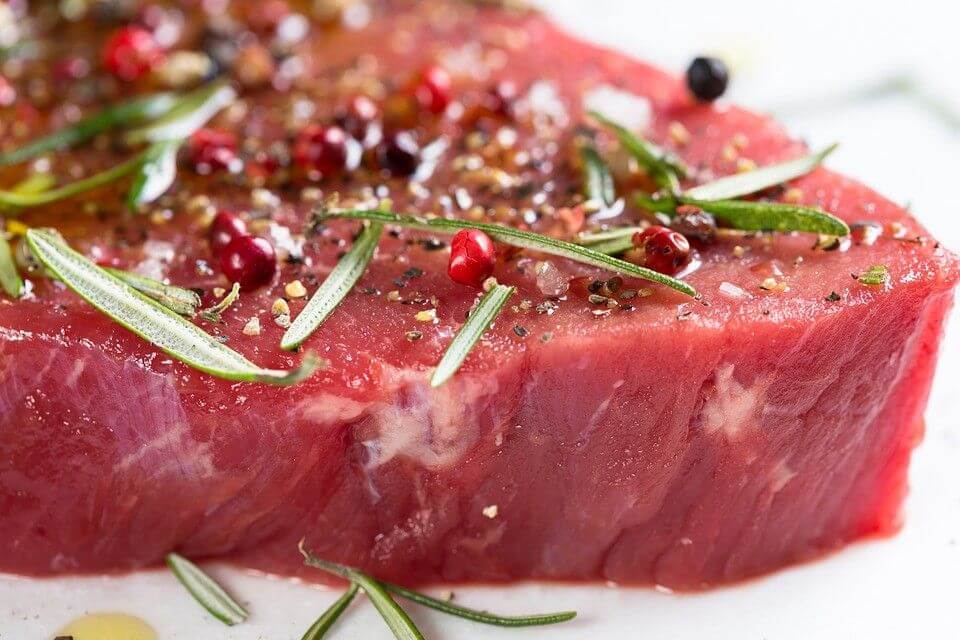
The primary threats in raw proteins are Salmonella, E. coli, Listeria, and Campylobacter. In industrialized livestock production, these pathogens often reside on the surface of the meat. This is why a seared steak is generally considered safe; the intense heat of the sear kills surface-level bacteria, even if the interior remains rare. However, once meat is ground, those surface pathogens are integrated throughout the entire mass, exponentially increasing the risk profile. This is the fundamental reason why eating raw ground beef is exponentially more dangerous than consuming a whole-muscle cut of high-quality beef.
The Parasitic Variable
Beyond bacteria, certain meats carry parasitic risks that cannot be mitigated by standard hygiene alone. For instance, pork and wild game have historically been associated with Trichinella, a roundworm that requires thorough cooking to destroy. While modern farming practices have significantly reduced the prevalence of Trichinella in commercially raised pork, the risk is never zero. Consequently, raw pork remains off the menu for all but the most specialized, controlled-source culinary applications.
Strategic Sourcing: Beef and Fish as Financial Assets
In the world of raw consumption, the “product” is only as good as the supply chain. You are not just buying a piece of protein; you are buying an audit trail. High-end restaurants that serve raw beef or fish operate on a model of extreme transparency, often sourcing from boutique purveyors who utilize specialized slaughter and processing techniques.
The Case for High-Quality Beef
Beef is the standard-bearer for raw consumption, specifically in the form of tartare or carpaccio. However, not all beef is created equal. The safety of raw beef relies on “whole muscle” integrity. When a cow is processed, the interior of the muscle is largely sterile. By trimming away the exterior “subprimal” cuts—which have been exposed to the environment—one can reach the pristine interior tissue. From a business perspective, this represents a high cost-of-goods-sold (COGS) model because significant yield is lost to trimming. If you are sourcing beef for raw consumption, you must prioritize retailers who provide “sushi-grade” or “tartare-grade” designation, which indicates a heightened standard of sanitation and processing.
The Specialized Logistics of Seafood
Seafood, specifically high-grade tuna, salmon, and scallops, represents the most common raw protein in the global market. Unlike land-based animals, the primary risk for fish is often parasites like anisakid worms. The industry standard for mitigating this is the “freeze-down” protocol. By flash-freezing fish at temperatures significantly lower than a standard home freezer (typically -31°F or -35°C for at least 15 hours), the parasites are effectively neutralized. When purchasing fish for raw consumption, the “sushi-grade” label is not a regulated legal term, but it serves as a brand promise from the fishmonger that the product has undergone this specialized freezing process to ensure safety.
Operational Standards for Consumption
If you intend to incorporate raw proteins into your diet, your kitchen must operate as an extension of a high-end commercial kitchen. The principles of cross-contamination prevention are not just suggestions; they are the bedrock of your personal health security.
Equipment and Surface Sanitation
In a professional setting, color-coded cutting boards are used to prevent cross-contamination. If you are preparing raw proteins, you must treat your workstation as a sterile zone. Use non-porous surfaces, such as high-density polyethylene or stainless steel, and sanitize them immediately before and after processing. Wooden boards, while aesthetically pleasing, can harbor bacteria in their microscopic pores, making them unsuitable for preparing proteins that will be eaten raw.
Temperature Control and Time Constraints
The “Danger Zone”—the temperature range between 40°F and 140°F—is where bacterial growth accelerates at an exponential rate. When dealing with raw proteins, your supply chain (the time from the butcher to your plate) must be compressed. Using an insulated cooler bag for transport and ensuring your refrigerator is calibrated to stay below 38°F are essential operational habits. If the protein has spent more than two hours in the Danger Zone, the risk profile changes drastically. At this stage, professional judgment dictates that the asset has depreciated in value to the point of being a liability, and it should be discarded rather than consumed.
The Business of Risk Mitigation: When to Abstain
Understanding when to avoid raw meat is as important as knowing what to eat. Certain proteins possess an inherent risk profile that cannot be reliably mitigated outside of a laboratory or an industrial processing facility.
The High-Risk Tier
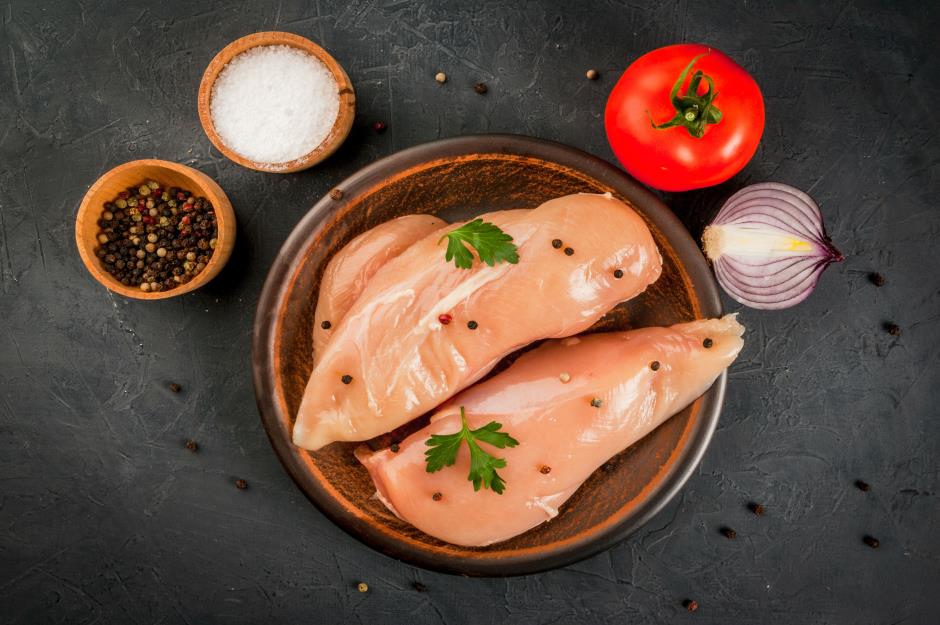
Poultry, for example, is statistically the most dangerous protein to consume raw. The systemic presence of Salmonella and Campylobacter within the tissue and the processing environment makes the cost of risk far higher than the potential benefit. Similarly, ground meats—unless you are grinding your own whole-muscle cuts immediately before consumption—should never be eaten raw. The surface area of ground meat is massive, providing the perfect breeding ground for bacteria. When you buy pre-ground beef, you are consuming a blend from potentially hundreds of different cows; the probability of one contaminated animal entering that blend is a statistical reality that makes raw consumption a foolish gamble.

Evaluating the Return on Investment
Ultimately, eating raw meat is a trade-off between sensory experience and health risk. For the informed consumer, the strategy is to minimize the “risk footprint” by:
- Sourcing exclusively from trusted, specialized vendors who understand the technical requirements of the product.
- Focusing on low-risk whole muscle cuts rather than processed or ground meats.
- Maintaining an impeccable cold chain from the moment of purchase to the moment of consumption.
- Prioritizing species-specific safety protocols, such as deep-freezing for fish and surface-trimming for beef.
By treating the act of preparing raw meat with the same analytical rigor you would apply to any high-stakes venture, you can enjoy the culinary complexities of raw proteins while maintaining the safety of your health portfolio. The goal is to eliminate uncertainty through precise, informed action, ensuring that every meal is an calculated investment in quality rather than a gamble with your well-being.
aViewFromTheCave is a participant in the Amazon Services LLC Associates Program, an affiliate advertising program designed to provide a means for sites to earn advertising fees by advertising and linking to Amazon.com. Amazon, the Amazon logo, AmazonSupply, and the AmazonSupply logo are trademarks of Amazon.com, Inc. or its affiliates. As an Amazon Associate we earn affiliate commissions from qualifying purchases.