
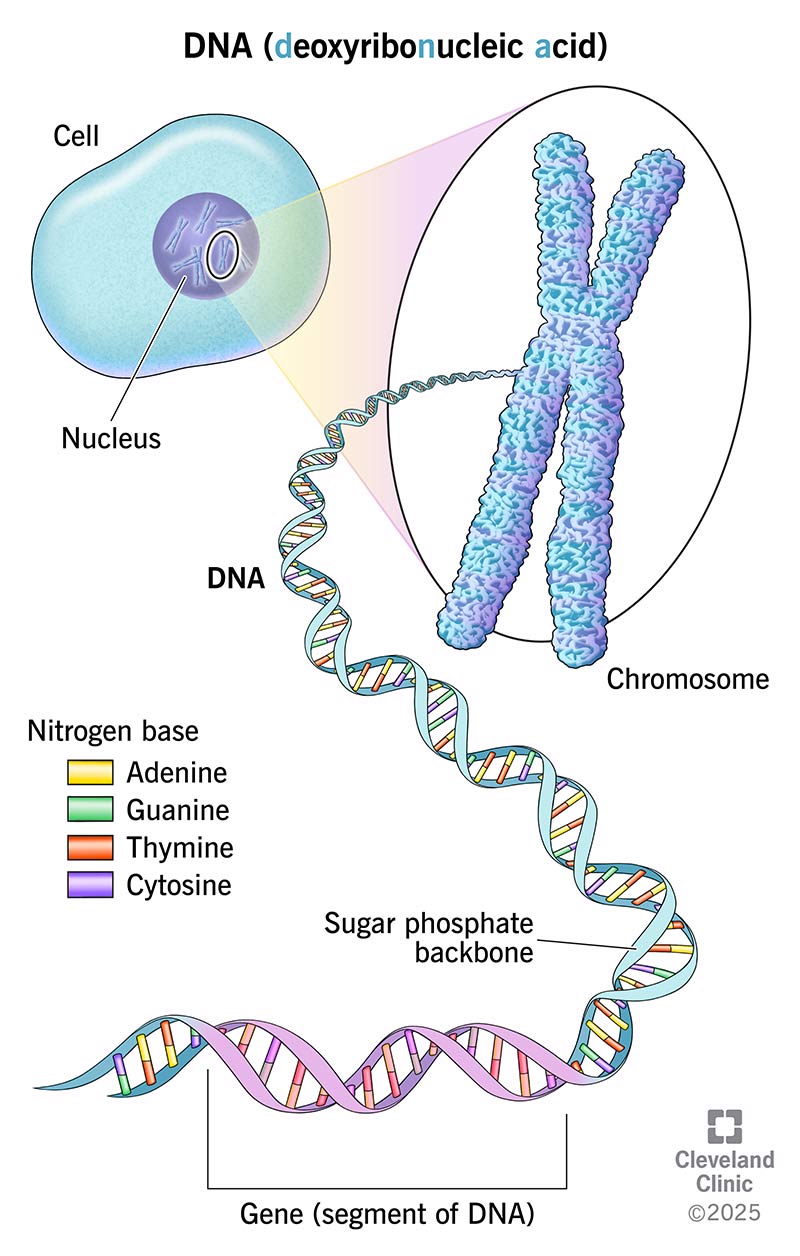
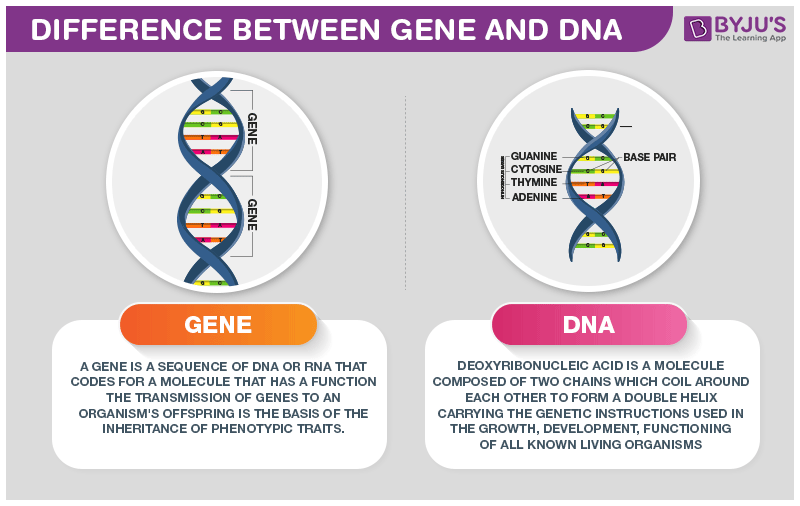
In the biological world, a gene is the basic physical and functional unit of heredity. It is the blueprint that determines everything from the color of an organism’s eyes to its resilience against disease. In the world of business, we often use the metaphor of “Brand DNA” to describe the fundamental characteristics that make a company unique. Just as biological genes dictate the development and functioning of living organisms, the “genes” of a brand dictate its market positioning, consumer perception, and long-term viability.
When we ask “what makes up a gene” in the context of brand strategy, we are looking for the immutable elements that define a brand’s essence. A brand is not merely a logo or a catchy slogan; it is a complex sequence of values, visions, and promises that, when synthesized correctly, create a powerful identity that resonates with the public. Understanding this genetic makeup is essential for any strategist, entrepreneur, or marketer looking to build a legacy that survives the volatile shifts of the modern marketplace.

The Biological Blueprint: Defining the Core Brand Gene
To understand what makes up a brand’s gene, we must look at the foundational elements that exist long before a marketing campaign is launched. These are the internal drivers that guide every decision the company makes. In brand strategy, this is often referred to as the “Genotype”—the internal genetic constitution that determines the external “Phenotype” or appearance.
Purpose as the DNA Backbone
The backbone of any genetic sequence is its structure, providing stability and direction. In branding, this backbone is the “Purpose.” A brand’s purpose is its “why”—the reason it exists beyond making a profit. For brands like Patagonia, the purpose gene is environmental activism. For Tesla, it is the acceleration of the world’s transition to sustainable energy.
When a brand understands its purpose, it acts as a self-regulating mechanism. Much like a gene regulates protein synthesis, a brand’s purpose regulates its corporate behavior. If a potential business opportunity does not align with the genetic purpose of the brand, it is rejected as a “foreign body.” This clarity is what allows brands to maintain consistency across decades, even as products and leadership change.
Core Values: The Essential Chromosomes
If the purpose is the backbone, the core values are the chromosomes that carry the specific instructions for the brand’s behavior. Values are the ethical and operational standards that a company refuses to compromise on. These make up the “gene” by defining how the brand interacts with employees, customers, and the community.
A brand gene built on “Innovation” will prioritize R&D and risk-taking (think Apple). A brand gene built on “Reliability” will prioritize quality control and customer support (think Toyota). These values must be deeply embedded in the corporate culture; if they are merely superficial marketing terms, the brand “organism” will eventually fail due to internal genetic instability. Authentic values create trust, and trust is the strongest bond in the consumer-brand relationship.
Expressing the Gene: From Genotype to Visual Phenotype
In biology, the phenotype is the set of observable characteristics resulting from the interaction of its genotype with the environment. In branding, this translates to the visual and sensory identity that the world sees. This is where the internal “gene” is expressed through design, voice, and experience.
The Visual Identity System (VIS)
What many people mistake for the “brand” is actually the expression of the brand gene. The visual identity—comprising the logo, color palette, typography, and imagery—is the physical manifestation of the brand’s internal code.
For instance, the “gene” of luxury and sophistication in a brand like Tiffany & Co. is expressed through a very specific shade of blue (Pantone 1837). This color is so inextricably linked to the brand’s genetic code that it triggers an emotional response before a customer even sees a product. A robust visual identity ensures that the brand gene is recognizable in any environment, whether it is on a skyscraper in New York or a digital ad on a smartphone.
The Verbal Identity and Brand Voice
A gene also determines how an organism “speaks” to its environment. In brand strategy, this is the brand voice. Is the brand authoritative and professional, or is it irreverent and playful?
The brand voice is a direct reflection of the internal DNA. If a brand’s gene is rooted in “Empowerment,” its voice will likely be inspiring and bold, like Nike’s “Just Do It” ethos. If the gene is rooted in “Simplicity,” the communication will be minimalist and direct. Consistency in verbal identity is crucial because it reinforces the brand’s personality, making it feel more human and relatable to the target audience.
Genetic Mutation and Evolution: Strategic Branding in a Shifting Market
In nature, genes must occasionally mutate or adapt to ensure the survival of the species. Similarly, brands must undergo a process of evolution to remain relevant in a changing economic landscape. However, there is a delicate balance between evolution and losing one’s genetic identity.
Managing Brand Dilution
One of the greatest risks in brand strategy is “genetic dilution.” This occurs when a brand expands into too many categories or attempts to appeal to too many different demographics, thereby weakening its original core gene. When a brand loses its focus, consumers become confused about what the brand stands for.
Successful brand evolution requires identifying which parts of the “gene” are immutable and which are adaptable. For example, Netflix evolved from a DVD-by-mail service to a streaming giant and then to a content production studio. While the “medium” changed (the phenotype), the core “gene”—providing convenient, high-quality entertainment—remained constant. This is successful genetic adaptation.
Epigenetic Branding: Environmental Adaptability
In biology, epigenetics is the study of how your behaviors and environment can cause changes that affect the way your genes work. In branding, this refers to how a brand stays true to its core identity while adapting its messaging for different cultures, platforms, or historical moments.
A global brand like McDonald’s has a very strong genetic core (consistency, speed, and family friendliness). However, it practices “epigenetic branding” by adapting its menu and marketing to suit local tastes in different countries. The “gene” remains the same, but the expression changes to ensure survival and growth in diverse environments.
The Gene of the Individual: Personal Branding in the Digital Age
The concept of “what makes up a gene” is not limited to multi-billion dollar corporations. In the modern economy, personal branding has become a vital component of professional success. An individual’s personal brand gene is the unique combination of their skills, personality, and reputation.
Authenticity as the Primary Helix
For a personal brand, the most important component of the “gene” is authenticity. In an era of digital transparency, any discrepancy between an individual’s public persona and their true character is quickly identified. Authenticity is the “helix” that holds the personal brand together.
When building a personal brand, one must identify their “Unique Value Proposition” (UVP). This is the specific “trait” that sets them apart from others in their field. Whether it is a unique perspective on technology or an unmatched ability to simplify complex financial data, this trait becomes the core gene around which all content and networking efforts are built.
Building Authority through Niche Specialization
In biology, highly specialized organisms often thrive in specific niches. The same is true for personal brands. By specializing in a “niche gene,” an individual can become the go-to authority in a specific field.
This specialization involves consistently expressing the same professional “gene” across all platforms—LinkedIn, personal blogs, and speaking engagements. Over time, this consistency builds “Brand Equity,” which is the value of the brand gene in the marketplace.
Conclusion: The Longevity of the Brand Gene
What makes up a gene? In the world of branding, it is a sophisticated blend of purpose, values, visual expression, and adaptability. A brand with a weak genetic foundation will struggle to survive market volatility, while a brand with a strong, clear, and authentic DNA can endure for generations.
Strategic branding is essentially the science of “genetic engineering” for business. It requires a deep understanding of the core identity, a creative approach to visual and verbal expression, and the wisdom to know when to evolve and when to stand firm. By focusing on the fundamental “genes” of their identity, brands can create a lasting legacy that resonates deeply with their audience and stands the test of time. Whether you are building a global conglomerate or a personal brand, your success depends on the strength and clarity of your genetic code.
aViewFromTheCave is a participant in the Amazon Services LLC Associates Program, an affiliate advertising program designed to provide a means for sites to earn advertising fees by advertising and linking to Amazon.com. Amazon, the Amazon logo, AmazonSupply, and the AmazonSupply logo are trademarks of Amazon.com, Inc. or its affiliates. As an Amazon Associate we earn affiliate commissions from qualifying purchases.