
The radiant, inviting yellow of butter is more than just a visual characteristic; it’s a cornerstone of its brand identity, deeply embedded in consumer perception of quality, naturalness, and richness. In the competitive landscape of food products, where sensory appeal often dictates preference, the color of butter plays a surprisingly significant role in marketing, corporate identity, and ultimately, a brand’s success. Understanding the origins of this golden hue, therefore, becomes not just a matter of food science, but a strategic imperative for branding and market positioning.
The Golden Hue: A Cornerstone of Butter’s Brand Identity
For centuries, butter has been a staple in kitchens worldwide, its color evolving from a mere observation to a potent brand signal. Consumers instinctively associate a rich, deep yellow with premium butter, linking it to natural origins, superior flavor, and high-quality ingredients. This subconscious connection is a powerful asset for brands, shaping purchasing decisions long before a product is tasted.

The psychological impact of color in food marketing is profound. Yellow, in particular, evokes feelings of warmth, happiness, and energy. When applied to butter, it conjures images of wholesome farm produce, lush pastures, and traditional craftsmanship. A pale, almost white butter, conversely, might be perceived as less rich, less flavorful, or even artificial, regardless of its actual nutritional content or taste profile. This deeply ingrained consumer expectation means that for butter brands, achieving and maintaining that characteristic yellow is not merely a cosmetic choice but a strategic imperative for cultivating trust and desirability. Brand strategists leverage this established perception, ensuring that packaging, advertising, and product presentation consistently highlight this natural, desirable attribute.
Carotenoids and the Narrative of Authenticity in Branding
The natural yellow color of butter primarily comes from beta-carotene, a type of carotenoid pigment found in green plants. Cows consume these carotenoids when they graze on fresh grass. When these pigments are absorbed into the cow’s system, some are stored in their fat, which then transfers to their milk fat and subsequently, to the butter. This biological process provides a compelling narrative of authenticity that butter brands eagerly embrace and amplify.
This scientific explanation is a goldmine for brand storytelling. Brands that emphasize their cows are “grass-fed” or “pasture-raised” are directly appealing to the consumer’s desire for natural, wholesome products. The “yellow” then becomes a visual testament to this claim, suggesting a product untainted by industrial processes and connected directly to nature. Marketing campaigns frequently feature idyllic pastoral scenes, happy grazing cows, and lush green fields, all designed to reinforce the message that the butter’s golden color is a direct result of a healthy, natural diet. This narrative builds trust and allows brands to command a premium price point, positioning their product as superior and more authentic. For consumers increasingly conscious of food sourcing and quality, the story behind the yellow hue offers a tangible link to perceived purity and a return to traditional farming methods, becoming a core differentiator in a crowded market.
Marketing the Marigold: Strategies for Emphasizing Butter’s Color
Beyond the inherent appeal, effective branding involves actively marketing the yellow hue to maximize its impact. This takes various forms, from visual advertising to descriptive language.
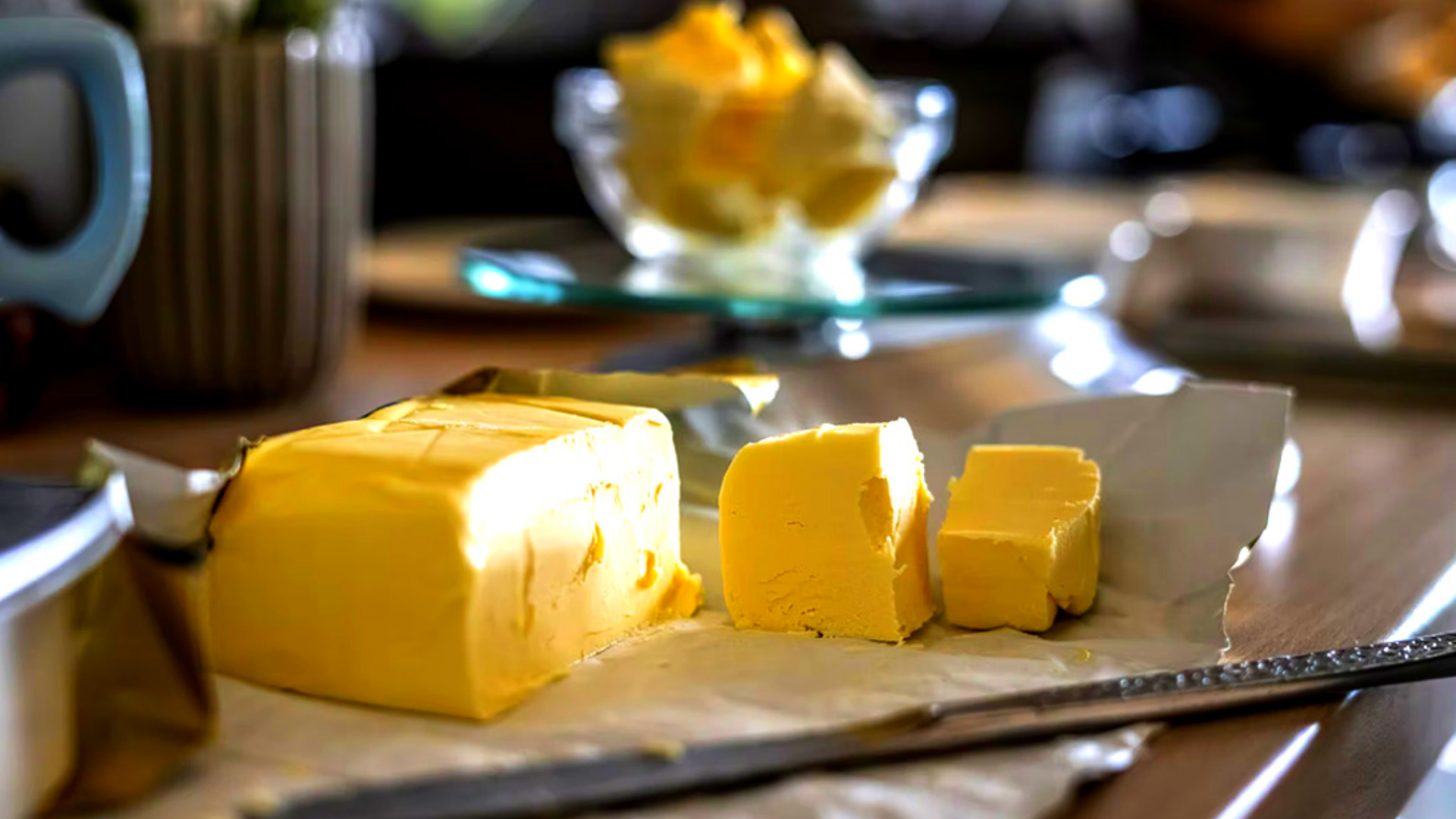
Visually, photography and videography for butter brands almost invariably highlight the product’s rich color. Close-up shots of butter melting on toast, spread generously on a warm muffin, or glistening in a pan are carefully lit to emphasize its golden qualities. Advertisements often feature slow-motion pours of melted butter or golden-brown baked goods, where the butter’s color signifies richness and indulgence. Packaging design also plays a crucial role; transparent wrappers or cut-outs often showcase the butter itself, allowing the color to speak volumes. The choice of complementary colors on packaging (e.g., deep greens, rustic browns) further reinforces the natural, wholesome image associated with the golden butter.
In terms of messaging, brand copywriters use evocative language to describe the color, moving beyond simply “yellow.” Adjectives like “golden,” “sun-kissed,” “rich amber,” and “creamy gold” are employed to enhance the sensory experience even before consumption. These descriptors connect the visual appeal to taste and texture, promising a luxurious and satisfying experience. By consistently associating the product with these desirable traits through its color, brands differentiate themselves. A brand that can effectively communicate that its unique yellow is a mark of its quality ingredients and natural processes creates a powerful unique selling proposition (USP) that resonates deeply with its target audience. This strategic communication turns a biological fact into a potent marketing tool, shaping consumer perception and loyalty.
Maintaining Color Consistency: A Brand Challenge
While the natural yellow is a powerful brand asset, its inherent variability also presents a significant challenge for butter brands. The intensity of beta-carotene in milk, and thus in butter, can fluctuate considerably due to several factors:
- Seasonal Changes: Cows graze more extensively on fresh pasture during spring and summer, leading to higher beta-carotene intake and consequently, yellower butter. In winter, when their diet may include more stored feed (hay, silage), the color can become paler.
- Breed Variations: Certain dairy breeds, like Jerseys and Guernseys, are known for producing milk with a naturally higher fat and beta-carotene content, resulting in yellower butter.
- Dietary Supplements: While less common for high-end, “natural” brands, some conventional butter producers might use specific feed supplements to influence butter color.
For a brand, maintaining a consistent visual identity is paramount. Consumers expect a predictable product, and a noticeable shift in butter color can lead to questions about quality, freshness, or even authenticity. Imagine a premium butter brand known for its vibrant yellow suddenly appearing pale; it could erode consumer trust and perceived value.
To address this, some brands opt for natural color additives, such as annatto extract, derived from the seeds of the achiote tree. Annatto provides a yellow-orange hue and is widely used in various food products. While generally considered safe and natural, the use of such additives presents an ethical tightrope for brands. Brands that pride themselves on “natural” or “pure” ingredients must carefully consider how they communicate the use of annatto, if at all. Transparency is key here; some brands might explicitly state “colored with annatto” on their labels, allowing consumers to make informed choices. Other brands might choose to embrace the natural variability as a sign of authenticity, educating consumers that fluctuations in color are a direct result of seasonal dietary changes, thereby turning a potential weakness into a testament to their natural process. The fine line lies in enhancing the product’s appeal without misrepresenting its natural origins or compromising the brand’s commitment to purity.

The Future of Yellow Butter Branding: Transparency and Storytelling
In an era of increasing consumer demand for transparency and authenticity, the future of yellow butter branding lies in even more compelling storytelling and honest communication. Brands that can effectively articulate why their butter is yellow, tracing it back to ethical farming practices and the natural diet of their cows, will build stronger, more resilient brand loyalty.
Digital marketing and content creation offer unprecedented opportunities to showcase the journey from farm to table. Video content, virtual farm tours, and detailed blog posts can illustrate the lush pastures, the specific breeds, and the dedicated care that contribute to the butter’s distinctive golden hue. This level of transparency not only educates consumers but also builds a deeper emotional connection, transforming a simple food item into a product with a rich backstory and values that align with their own.
Furthermore, certifications and labels, such as “grass-fed” or “organic,” will continue to play a crucial role in reinforcing claims about natural color. These third-party validations lend credibility to a brand’s narrative, providing tangible proof of quality and ethical practices. As consumers become more discerning, the yellow of butter will increasingly signify not just richness or flavor, but a commitment to sustainable agriculture, animal welfare, and unadulterated purity. For brands, the golden color of butter remains an indispensable asset, a silent but powerful communicator of quality, authenticity, and a connection to nature.
aViewFromTheCave is a participant in the Amazon Services LLC Associates Program, an affiliate advertising program designed to provide a means for sites to earn advertising fees by advertising and linking to Amazon.com. Amazon, the Amazon logo, AmazonSupply, and the AmazonSupply logo are trademarks of Amazon.com, Inc. or its affiliates. As an Amazon Associate we earn affiliate commissions from qualifying purchases.