
In the modern grocery landscape, the dairy aisle has become a battlefield of logos, certifications, and claims. Among these, few labels carry as much weight—or as high a price premium—as the word “Organic.” To the casual observer, the question “what makes an egg organic?” might seem like a query about farming techniques or avian diet. However, from a brand strategy perspective, “Organic” is much more than a production method; it is a powerful corporate identity, a symbol of trust, and a masterclass in premium positioning.
For brands, the organic label acts as a bridge between the producer’s ethics and the consumer’s aspirations. Understanding the mechanics behind this label reveals how brands cultivate loyalty and justify higher price points in a commodity-driven market.

The Power of the USDA Seal: Branding Trust in a Saturated Market
At its core, branding is the promise of a specific experience or standard. In the poultry industry, the USDA Organic seal functions as a third-party endorsement that validates a brand’s claims. Without this certification, a brand is simply making a promise; with it, the brand is providing a guarantee.
Defining the “Organic” Value Proposition
The “Organic” brand is built on a specific set of rigorous standards. For an egg to carry this label, the hens must be fed a diet that is free from synthetic pesticides, herbicides, and GMOs. They must be raised without the use of antibiotics or growth hormones, and they must have access to the outdoors.
From a marketing standpoint, these are not just rules; they are the “Unique Selling Propositions” (USPs) that differentiate an organic brand from its conventional counterparts. By adhering to these standards, a brand communicates a commitment to purity and health—values that resonate deeply with today’s health-conscious consumer.
The Psychology of the Green Label
The color green and the “Organic” typeface have become synonymous with safety and environmental stewardship. Brands strategically use this visual shorthand to trigger an emotional response. When a consumer sees the organic seal, they aren’t just thinking about an egg; they are thinking about their family’s health, the welfare of the animal, and the future of the planet. This emotional connection is a cornerstone of successful brand strategy, moving the product from a “commodity” (something bought purely on price) to a “lifestyle choice.”
Storytelling from Farm to Table: Crafting the Narrative of Transparency
In the digital age, consumers are no longer satisfied with just a product; they want a story. Successful organic egg brands have mastered the art of “Farm to Table” storytelling, using transparency as a key brand asset to build long-term equity.
Beyond the Label: Why Transparency is the New Luxury
Modern branding relies heavily on transparency. Brands like Vital Farms or Pete and Gerry’s have built their entire corporate identity around the idea of “Radical Transparency.” They don’t just say their eggs are organic; they show the farms, introduce the farmers, and sometimes even provide live camera feeds of the pastures.
This level of openness serves to humanize the brand. In an era of giant, faceless corporations, the brand that can show the “human element” behind its production gains a significant competitive advantage. Transparency transforms the “Organic” label from a cold regulatory requirement into a warm, relatable narrative.
Case Study: How Leading Egg Brands Use Imagery to Sell Ethics
If you examine the packaging of premium organic eggs, you will notice a consistent design language. You’ll see hand-drawn illustrations of barns, grassy fields, and sunlight. These are not accidental choices. This imagery is designed to reinforce the brand’s “pasture-raised” or “organic” identity.
By using “earthy” tones and rustic textures, these brands distance themselves from the industrial aesthetic of conventional egg cartons. They are selling an idealized version of agriculture—a brand story that justifies the $7.00 price tag compared to the $2.00 conventional alternative.
Premium Positioning: The Financial Strategy of the Organic Brand
The transition from conventional to organic is a deliberate move in brand positioning. It is an attempt to capture a specific market segment—the “Affluent, Health-Conscious Professional”—who is willing to pay more for perceived quality and ethical alignment.
Justifying the Price Gap through Brand Equity
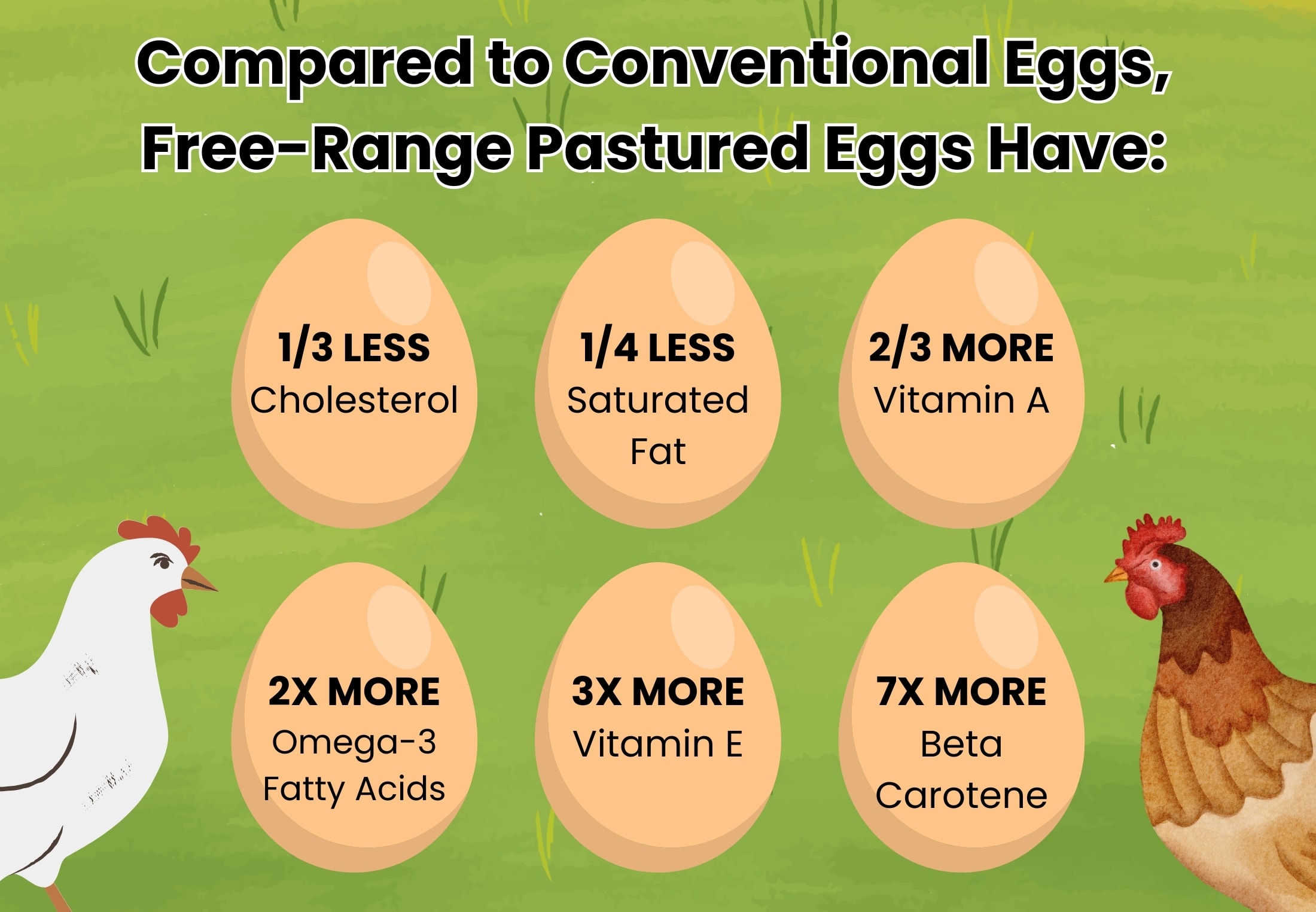
One of the hardest tasks in marketing is convincing a customer to pay 200% to 300% more for what is essentially the same basic biological product. Organic brands achieve this by building “Brand Equity.”
Brand equity is the value premium that a company generates from a product with a recognizable name as compared to its generic equivalent. By focusing on the “what makes an egg organic” criteria—non-GMO feed, no antibiotics, and outdoor access—brands build a mental model for the consumer where the conventional egg is “risky” or “inferior,” and the organic egg is the “gold standard.” Once this perception is rooted, the price becomes secondary to the value of peace of mind.
Target Demographics and the Lifestyle Brand
Organic egg brands don’t market to everyone. Their brand strategy is laser-focused on “LOHAS” (Lifestyles of Health and Sustainability) consumers. These individuals view their purchases as an extension of their personal brand. For this demographic, buying organic eggs is a badge of identity. It signals that they are educated, conscientious, and financially stable. By aligning the product with the consumer’s desired self-image, organic brands ensure high retention rates and strong word-of-mouth marketing.
Navigating the Brand Minefield: Greenwashing and the Risk of Misleading Claims
With the success of the organic label comes the risk of “brand dilution” and “greenwashing.” As more players enter the market, the distinction between “Natural,” “Cage-Free,” and “Organic” becomes blurred, creating a challenge for brands to maintain their integrity.
The “Free-Range” vs. “Organic” Distinction
Many brands use deceptive marketing tactics to mimic the organic aesthetic without meeting the organic standards. Terms like “All Natural” or “Farm Fresh” have no legal definition and are often used to confuse consumers.
For a true organic brand, the challenge is to educate the consumer on these nuances. A successful brand strategy must involve an educational component—clearly explaining why “Organic” is the superior choice over “Cage-Free.” If a brand fails to communicate this distinction, it risks losing its premium status to cheaper, less-regulated competitors who are essentially “brand-riding” on the organic trend.
Protecting Brand Integrity in the Face of Scrutiny
In the world of corporate branding, a single scandal can destroy years of trust-building. If an organic brand is found to be violating USDA standards—such as keeping hens in overcrowded conditions despite the “Organic” label—the brand’s value can evaporate overnight.
Protecting brand integrity requires more than just marketing; it requires strict supply chain management and frequent auditing. For these companies, the “Organic” label is their most valuable intellectual property. Protecting it isn’t just a matter of ethics; it’s a matter of protecting the company’s bottom line and shareholder value.
Conclusion: The Future of Food Branding
“What makes an egg organic?” The answer, while rooted in agriculture, is fundamentally an exercise in branding. It is the synthesis of regulatory compliance, emotional storytelling, and strategic positioning.
As we move forward, the “Organic” brand will likely evolve. We are already seeing the rise of “Regenerative Organic” and “Carbon Neutral” eggs, as brands look for the next frontier of differentiation. In an increasingly crowded market, the brands that succeed will be those that realize they aren’t just selling a food item—they are selling a set of values, a promise of health, and a story of a better world. For the modern consumer, the “Organic” label is the seal of that promise, making it one of the most successful branding tools in the history of the food industry.
aViewFromTheCave is a participant in the Amazon Services LLC Associates Program, an affiliate advertising program designed to provide a means for sites to earn advertising fees by advertising and linking to Amazon.com. Amazon, the Amazon logo, AmazonSupply, and the AmazonSupply logo are trademarks of Amazon.com, Inc. or its affiliates. As an Amazon Associate we earn affiliate commissions from qualifying purchases.