
The term “Wagyu” evokes an immediate sense of luxury, culinary excellence, and an almost mythical dining experience. Far from being merely a type of beef, Wagyu represents a meticulously cultivated brand, distinguished by its unique genetic lineage, rigorous husbandry, and an unparalleled sensory profile. Understanding what makes a steak Wagyu is to understand the intricate brand strategy behind one of the world’s most coveted food products, a strategy built on heritage, quality, and exclusivity.
The Genesis of a Global Luxury Brand: Pedigree and Provenance
At the heart of the Wagyu brand is its exclusive pedigree. “Wagyu” literally translates to “Japanese cow,” referring specifically to several native Japanese cattle breeds. The most renowned among these are the Japanese Black (Kuroge Washu), Japanese Brown (Akage Washu), Japanese Shorthorn (Nihon Tankaku Washu), and Japanese Polled (Mukaku Washu). The dominance of the Japanese Black, accounting for over 90% of all Wagyu, underpins the brand’s core identity.

The genetic predisposition of these cattle to develop extensive intramuscular fat, known as marbling, is a cornerstone of the Wagyu brand promise. Unlike conventional beef breeds, Wagyu cattle possess a unique metabolism that allows them to store fat within their muscle fibers rather than just around them. This genetic trait, honed over centuries through selective breeding and isolation from foreign breeds, forms the fundamental brand differentiator.
The brand’s origin is inextricably linked to specific regions within Japan, each fostering its own sub-brands with distinct characteristics and highly protected geographical indications (GIs). Names like Kobe, Matsusaka, and Omi are not just places; they are powerful sub-brands within the broader Wagyu ecosystem, synonymous with the highest echelons of quality and rarity. These regional identities serve as powerful marketing tools, leveraging the concept of terroir and artisan craftsmanship to reinforce the luxury perception of the product. The branding emphasizes a lineage traceable through meticulously maintained registries and breeding programs, ensuring authenticity and protecting the brand’s integrity against dilution.
Defining the Wagyu Difference: Marbling, Texture, and Flavor as Core Brand Attributes
The defining characteristics of Wagyu beef are not just biological facts; they are meticulously managed brand attributes that dictate its premium positioning and consumer expectation. The visual appeal, texture, and flavor profile are all key components of the Wagyu brand identity, differentiating it unequivocally from other beef products.
Intramuscular Fat: The Signature of Wagyu Brand Identity
The most iconic and immediately recognizable brand attribute of Wagyu is its extraordinary marbling. This intricate lacing of monounsaturated fat within the lean muscle creates a stunning, almost artistic pattern that is immediately associated with the Wagyu brand. The degree of marbling is precisely measured by Japan’s Beef Marbling Standard (BMS), ranging from 1 to 12, with higher scores signifying greater marbling and, consequently, a higher grade of Wagyu. This quantifiable metric is a crucial element of the brand’s transparency and quality assurance, allowing consumers and culinary professionals to assess and value the product consistently. The visual spectacle of the marbling itself acts as a powerful marketing tool, symbolizing decadence and a promise of superior eating quality. It’s not just fat; it’s a visual indicator of premium status.
Umami and Melting Texture: The Sensory Brand Promise
Beyond visual appeal, the Wagyu brand promise extends to an unparalleled sensory experience. The high concentration of intramuscular fat, particularly oleic acid, contributes to a remarkably low melting point, giving Wagyu its characteristic “melt-in-your-mouth” texture. This extreme tenderness is a core brand differentiator that is consistently highlighted in marketing efforts.
Furthermore, Wagyu is celebrated for its unique flavor profile, often described as rich, buttery, and intensely umami-laden. The fatty acids contribute to a complex aroma and a profound depth of flavor that lingers on the palate. This distinctive flavor, coupled with the tender texture, creates a memorable dining experience that reinforces the brand’s premium perception. The consistent delivery of this unique flavor and texture across high-grade Wagyu ensures a reliable brand experience, fostering loyalty among discerning consumers and solidifying its position as a benchmark for culinary excellence. The sensory journey itself becomes a part of the brand story, an experience that justifies its high price point.
Branding Beyond Borders: Japanese vs. International Wagyu
The Wagyu brand, originating exclusively from Japan, has faced the challenge of global replication and interpretation. This global proliferation has necessitated robust brand protection strategies and careful messaging to distinguish authentic Japanese Wagyu from its international counterparts, which often carry the “Wagyu” name without adhering to the same strict standards.
Strict Grading Systems: A Pillar of Brand Integrity
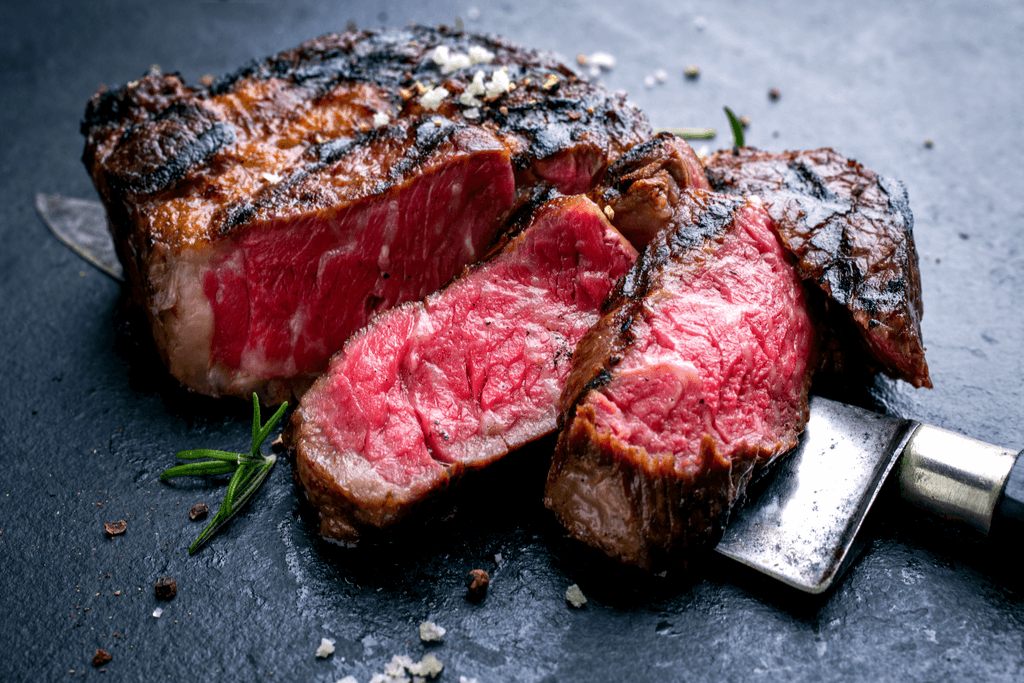
Japan’s rigorous grading system is perhaps the most critical component in maintaining the brand integrity and exclusivity of Japanese Wagyu. Managed by the Japan Meat Grading Association (JMGA), this system assigns a grade based on two primary factors: Yield Grade (A, B, C, indicating the proportion of usable meat) and Quality Grade (1 to 5). The Quality Grade considers four criteria: marbling (BMS), color and brightness of meat, firmness and texture of meat, and color, luster, and quality of fat. Only beef achieving a Quality Grade of 3 or higher, combined with a Yield Grade of A or B, can be officially classified as Wagyu in Japan.
This multi-faceted grading system is not just a quality control measure; it’s a sophisticated brand authentication tool. It provides a standardized language for quality, ensuring consistency and transparency across the supply chain. For consumers and restaurants, these grades act as a trusted certification, assuring them of the product’s origin and adherence to the high standards associated with the “Japanese Wagyu” brand. This strict adherence to grading ensures that the perceived value and quality of authentic Wagyu are preserved, reinforcing its premium positioning.
The “Wagyu” Nameplate: Global Interpretations and Brand Dilution Risks
As the global demand for Wagyu surged, various countries began breeding cattle with Wagyu genetics, leading to the emergence of “American Wagyu,” “Australian Wagyu,” and similar designations. While these producers often crossbreed Wagyu cattle with local breeds (like Angus) to adapt to different climates and consumer preferences, they seldom replicate the exact genetic purity, feeding protocols, or the stringent grading standards of Japan.
This global adoption of the “Wagyu” name presents a complex branding challenge. On one hand, it broadens market awareness. On the other, it risks diluting the core brand identity and reputation for ultimate quality that genuine Japanese Wagyu has painstakingly built. For many international consumers, “Wagyu” has become a generic term for “marbled beef,” potentially misleading them about the distinct characteristics and superior quality of authentic Japanese product. Effective branding strategies, therefore, must clearly articulate these differences, educating consumers about the nuances and emphasizing the unique value proposition of the original Japanese product.
Protecting the Brand: Geographical Indications and Consumer Education
To combat brand dilution and protect their heritage, Japanese producers and governing bodies actively pursue Geographical Indication (GI) status for their most famous Wagyu sub-brands (e.g., Kobe Beef, Matsusaka Beef). GIs legally protect product names linked to a specific region and traditional production methods, similar to how Champagne is protected in France. This legal framework is a vital brand protection strategy, ensuring that only beef meeting stringent criteria from defined geographical areas can bear these prestigious names.
Beyond legal protections, consumer education is paramount. Marketing efforts for authentic Japanese Wagyu focus on storytelling—highlighting the ancestral lineage, the meticulous care given to the cattle, the unique feed regimens, and the cultural significance of the product. This narrative reinforces the brand’s authenticity, exclusivity, and the unparalleled quality that justifies its premium price. By emphasizing provenance and the rigorous standards behind each cut, the Japanese Wagyu brand seeks to maintain its elite status in a competitive global market, ensuring that consumers understand they are purchasing a brand, not just a cut of meat.
Marketing the Myth: Crafting a Premium Experience
The marketing of Wagyu is less about selling beef and more about selling an experience, a status symbol, and a culinary dream. The brand strategy meticulously crafts a narrative around rarity, tradition, and an uncompromised commitment to quality, positioning Wagyu as the ultimate indulgence for discerning palates.
Storytelling and Culinary Prestige
Wagyu marketing heavily relies on evocative storytelling. Narratives of generations-old farming families, the stress-free environment provided for the cattle (including tales of classical music and massages, though often exaggerated, they contribute to the mystique), and the meticulous hand-feeding practices all contribute to an aura of artisanal craftsmanship. These stories elevate the product beyond mere sustenance, transforming it into a cultural artifact and a symbol of culinary art. High-end restaurants and celebrity chefs become crucial brand ambassadors, incorporating Wagyu into their most exclusive menus and sharing its story, thereby cementing its place in the pantheon of gourmet ingredients. This association with prestige and culinary innovation further strengthens the Wagyu brand’s luxury positioning.
The Price of Exclusivity: Positioning and Perception
The high price point of Wagyu is not merely a reflection of production costs; it’s a deliberate part of its luxury brand strategy. Premium pricing signals exclusivity and superior quality, attracting consumers who seek the very best and are willing to pay for it. The cost becomes part of the experience, a barrier to entry that reinforces the product’s special status. Marketing messages often emphasize the “investment” in an unparalleled dining experience, rather than simply the cost of meat. This strategic pricing helps maintain the brand’s perception as a luxury item, differentiating it from everyday commodities and reinforcing its aspirational appeal. It’s a testament to the brand’s strength that consumers globally perceive its high price as a justification of its quality, rather than an impediment.

From Farm to Fork: Ensuring Brand Promise and Trust
Maintaining the Wagyu brand promise requires meticulous attention to every stage of the supply chain. From the ethical rearing practices on the farm to the precise butchering techniques and careful handling during distribution, every step is critical. Traceability systems, often leveraging blockchain technology, are increasingly used to assure consumers of the authenticity and origin of their Wagyu, providing a layer of trust that is essential for a premium brand. The consistent delivery of the promised sensory experience—the tender texture, rich flavor, and exquisite marbling—is paramount. Any inconsistency can erode consumer trust and damage the brand’s reputation. Thus, the integrity of the Wagyu brand is a continuous effort, demanding excellence and transparency from farm to the final fork, ensuring that every bite reinforces its legendary status.
aViewFromTheCave is a participant in the Amazon Services LLC Associates Program, an affiliate advertising program designed to provide a means for sites to earn advertising fees by advertising and linking to Amazon.com. Amazon, the Amazon logo, AmazonSupply, and the AmazonSupply logo are trademarks of Amazon.com, Inc. or its affiliates. As an Amazon Associate we earn affiliate commissions from qualifying purchases.