
The intersection of biology and high-end optical technology has undergone a massive transformation over the last decade. What was once the exclusive domain of sterile clinical laboratories is now increasingly accessible to tech enthusiasts, researchers, and home-users through advancements in digital imaging and precision optics. When addressing the question of what magnification is required to see sperm, we are not just looking at a simple number; we are exploring the technical specifications of optical hardware, the physics of light, and the software-driven innovations that make micro-visualization possible.
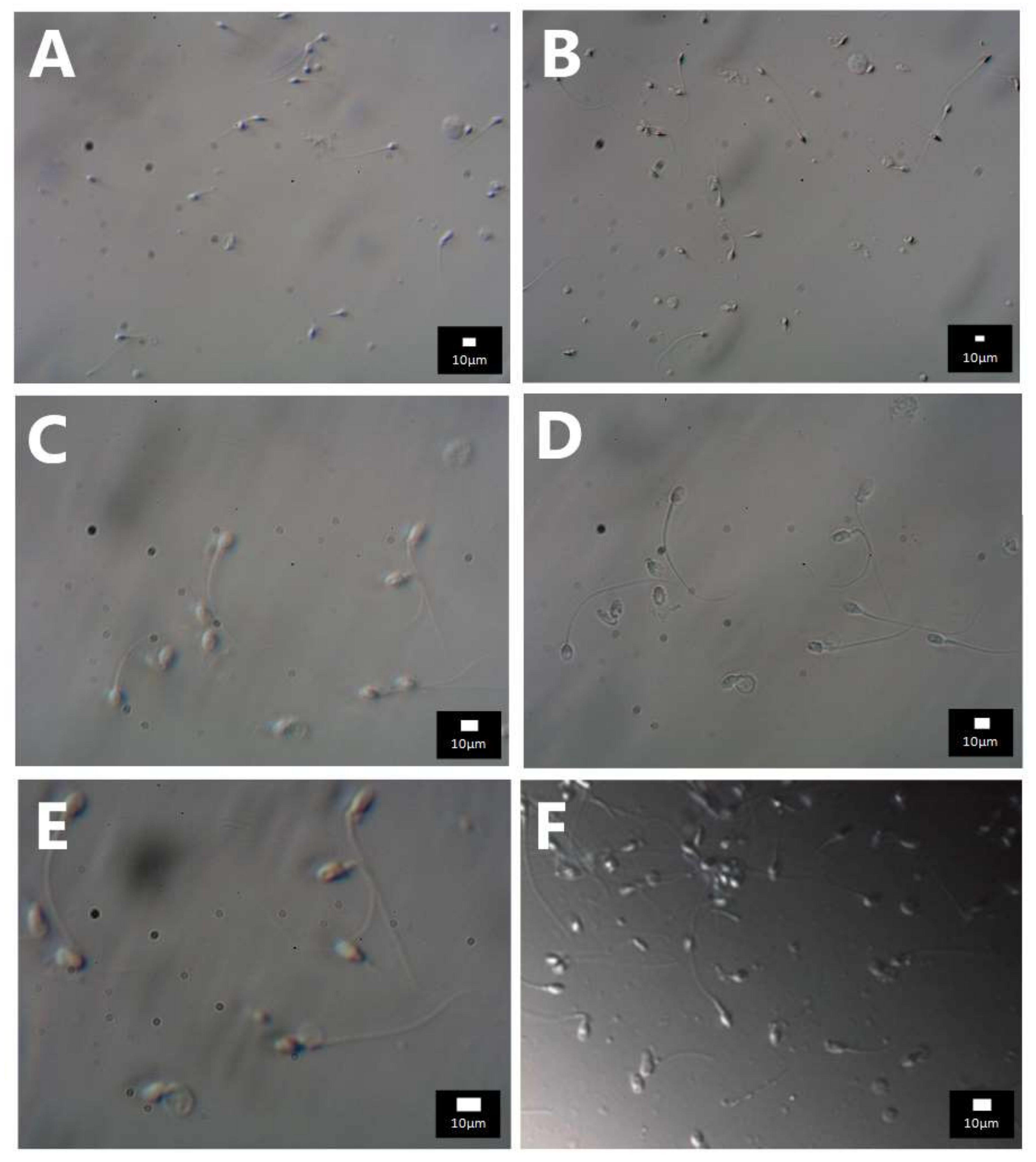
To visualize human sperm effectively, you need to navigate the complexities of resolution, contrast, and magnification. From the traditional compound microscope to the latest AI-driven smartphone attachments, the technology powering these observations is a testament to how far consumer and professional gadgets have come.
1. The Optical Foundation: How Traditional Microscopy Hardware Operates
At the heart of micro-visualization lies the compound microscope, a piece of technology that relies on a series of lenses to bend light and enlarge small objects. For anyone looking to view sperm cells, understanding the interplay between the objective lens and the eyepiece is the first step in mastering the hardware.
The Math of Total Magnification
In the world of optics, “total magnification” is the product of the eyepiece (usually 10x) and the objective lens. To see sperm, a total magnification of 400x is the industry standard. At 100x magnification, you can see sperm as tiny, moving specks, but you cannot distinguish their morphology (structure). At 400x, achieved by using a 40x objective lens paired with a 10x eyepiece, the head and tail become clearly visible. For high-resolution analysis, professional tech setups often go up to 1000x, which requires an oil-immersion lens to prevent light refraction from blurring the image.
Numerical Aperture and Resolution
Magnification without resolution is useless—it results in “empty magnification” where the image is larger but blurry. The technical metric to watch here is the Numerical Aperture (NA). This identifies the lens’s ability to gather light and resolve fine specimen detail at a fixed object distance. In high-end tech reviews of microscopes, a higher NA is always preferred because it allows the user to see the distinct separation between the sperm head and the midpiece, even at high speeds of motility.
The Role of Illumination Tech
Modern microscopes have moved away from simple mirrors to LED and halogen illumination systems. To see sperm cells—which are nearly transparent—the technology of light manipulation is crucial. Most basic setups use Brightfield microscopy, but advanced users look for “Phase-Contrast” tech. Phase-contrast microscopy converts phase shifts in light passing through a transparent specimen into brightness changes in the image, making the translucent sperm stand out sharply against a dark background without the need for chemical staining.
2. Digital Microscopy and the CMOS Revolution
The transition from analog to digital has revolutionized how we interact with the microscopic world. Today, the “tech” in microscopy is less about looking through a glass eyepiece and more about the sensors capturing the data.
CMOS vs. CCD Sensors in Micro-Imaging
Digital microscopes and USB-microscope attachments rely on sensors to translate light into pixels. Complementary Metal-Oxide-Semiconductor (CMOS) sensors have become the standard for digital sperm analysis due to their low power consumption and high processing speed. High-speed CMOS sensors are vital because sperm are motile; they move quickly. A sensor with a high frame rate (FPS) is required to capture the “swimming” motion without motion blur, which is essential for calculating motility metrics in a digital environment.
The Software Interface and Digital Zoom
Unlike traditional glass optics, digital microscopes offer the ability to use digital zoom. However, tech-savvy users know that digital zoom is simply cropping a portion of the original image and enlarging it, which can lead to pixelation. The real technological value lies in the software’s ability to perform image enhancement. Modern micro-tech software uses algorithms to sharpen edges, adjust contrast in real-time, and even track individual cells as they move across the field of view.
Connectivity and Data Portability
One of the greatest technological leaps in this niche is the ability to output a 400x or 1000x feed directly to a PC via USB 3.0 or to a tablet via Wi-Fi. This allows for large-screen viewing, which is far superior to squinting through a narrow ocular lens. It also enables the recording of high-definition video, which can be analyzed later using specialized software or shared with professionals for a secondary opinion.

3. Consumer Tech: The Rise of Smartphone-Integrated Gadgets
Perhaps the most exciting trend in the “Micro-Tech” space is the miniaturization of powerful optics into smartphone-compatible gadgets. These devices have bridged the gap between professional lab equipment and consumer electronics.
Clip-on Optical Modules
Several tech companies have developed specialized clip-on lenses that leverage the high-resolution cameras already present in modern iPhones and Android devices. By placing a high-density micro-lens over the phone’s camera sensor, these gadgets can achieve the 400x magnification necessary to visualize sperm. The engineering challenge here is maintaining a flat field of view and minimizing chromatic aberration (color fringing) at the edges of the frame.
The App Ecosystem and Machine Learning
The hardware is only half the story in the smartphone niche. The accompanying apps utilize Machine Learning (ML) to analyze the video feed. Once the 400x magnification is achieved via the clip-on hardware, the app’s AI identifies the number of moving cells versus stationary ones. This is a massive leap in “Handheld Tech”—bringing Computer-Aided Sperm Analysis (CASA) to the palm of your hand.
Technical Limitations of Mobile Hardware
While impressive, these gadgets face specific technical hurdles. The depth of field at 400x magnification is incredibly thin—often measured in micrometers. This makes “focusing” a significant hardware challenge. Some high-end consumer gadgets solve this by using a fixed-stage slide carrier that ensures the sample is always at the perfect focal distance from the lens, removing the need for manual adjustment.
4. Professional Grade: CASA and AI-Driven Analysis
For those looking at the pinnacle of this technology, we move into Computer-Aided Sperm Analysis (CASA) systems. This represents the high-end “Enterprise” level of microscopy technology.
Automated Tracking Algorithms
CASA systems don’t just magnify; they interpret. Using high-speed cameras and sophisticated tracking algorithms, these systems can monitor hundreds of individual sperm cells simultaneously. The tech calculates Curvilinear Velocity (VCL), Straight-Line Velocity (VSL), and Amplitude of Lateral Head Displacement (ALH). This requires immense processing power and high-end optical sensors that far exceed standard 400x consumer microscopes.
Fluorescence Microscopy and Molecular Tech
In high-tech research, 400x magnification is sometimes supplemented with fluorescence. By tagging parts of the sperm with fluorescent dyes and using specific wavelengths of light (Excitation filters), researchers can see beyond the physical structure and look at the functional integrity of the cell, such as DNA fragmentation. This involves specialized UV light sources and dichroic filters, representing the “Deep Tech” end of the optical spectrum.
The Future: AI and Cloud-Based Diagnostics
The next frontier in this tech niche is the integration of cloud computing. Future gadgets will likely be “dumb” sensors that upload raw high-magnification video to a cloud-based AI. The AI, trained on millions of samples, will provide a level of analytical precision that was previously impossible without a decade of specialized training. This move toward “Microscopy-as-a-Service” is a burgeoning trend in the medical-tech sector.

Conclusion: Choosing the Right Tech Stack
Whether you are a hobbyist interested in the mechanics of life or a professional looking for the latest in digital imaging, the “tech” of seeing sperm is a fascinating study in optics and digital processing. To summarize the technical requirements:
- Magnification: Minimum 400x (Total).
- Optics: Achromatic or Plan-Achromatic lenses to ensure a flat, clear image.
- Sensor: High-speed CMOS for digital capture to avoid motion blur.
- Software: AI and ML integration for motility and morphology analysis.
As the hardware continues to shrink and the software becomes more intelligent, the barrier to entry for high-level micro-visualization continues to drop. We are moving toward a world where the magnification power once reserved for universities is available in our pockets, powered by the same CMOS and AI technologies that drive our smartphones and autonomous vehicles. Understanding these technical nuances ensures that when you look through the lens—be it glass or digital—you are getting the highest resolution and most accurate data possible.
aViewFromTheCave is a participant in the Amazon Services LLC Associates Program, an affiliate advertising program designed to provide a means for sites to earn advertising fees by advertising and linking to Amazon.com. Amazon, the Amazon logo, AmazonSupply, and the AmazonSupply logo are trademarks of Amazon.com, Inc. or its affiliates. As an Amazon Associate we earn affiliate commissions from qualifying purchases.