
For over two centuries, the stethoscope has been the quintessential symbol of the medical profession. However, the traditional acoustic version of this tool—essentially a hollow tube conveying sound from the chest to the ear—is undergoing a radical digital transformation. When medical professionals ask, “What lung sounds are heard with pneumonia?” they are no longer relying solely on the human ear. Today, a sophisticated ecosystem of Artificial Intelligence (AI), Digital Signal Processing (DSP), and cloud-based analytics is redefining how we detect, record, and interpret the respiratory signatures of infection.
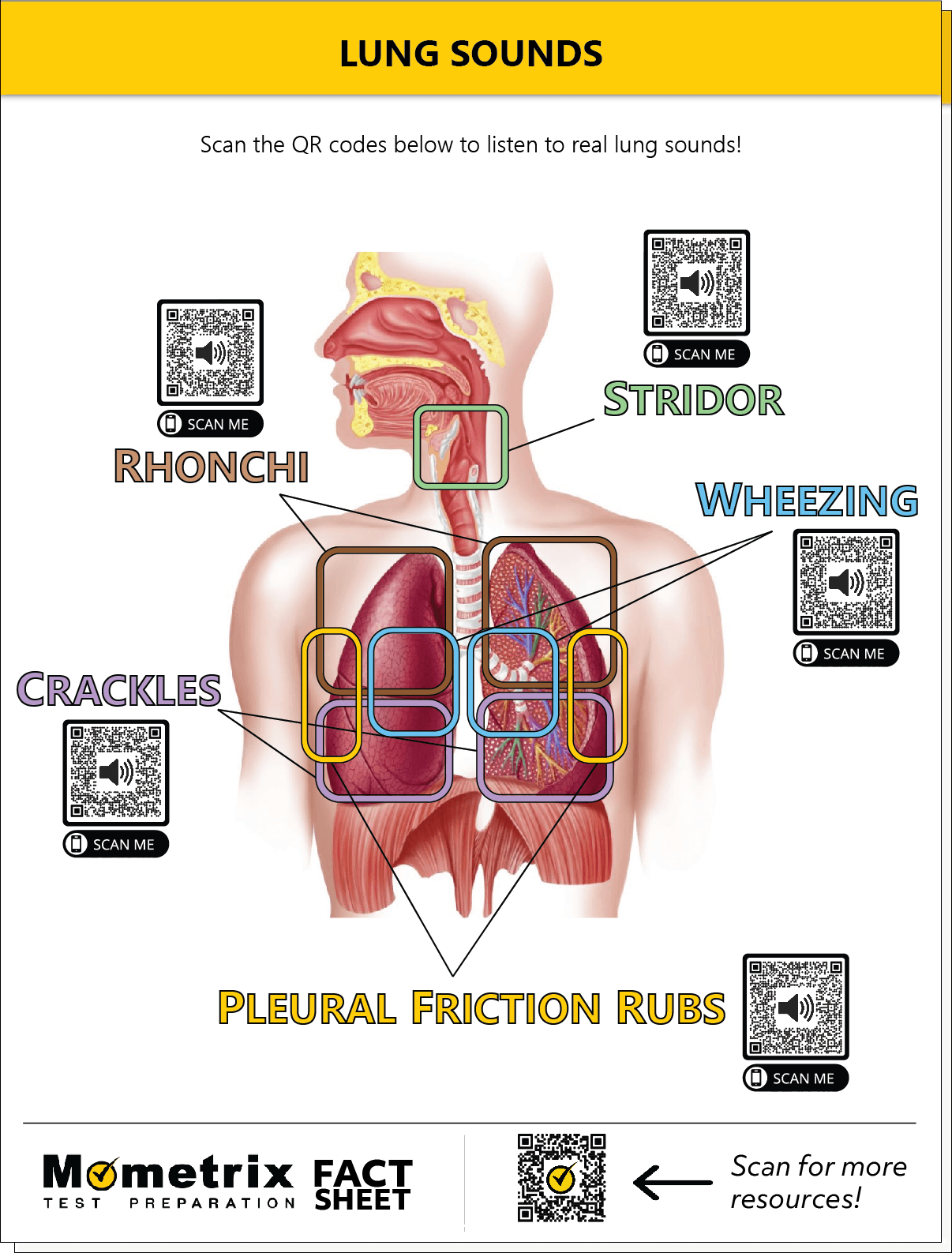
In the tech niche, the intersection of acoustics and medicine represents one of the most exciting frontiers in wearable technology and diagnostic software. By converting mechanical vibrations into high-fidelity digital data, we can now identify the specific rales, crackles, and rhonchi associated with pneumonia with a level of precision that far exceeds traditional methods.
The Evolution of Auscultation: From Acoustic Tubes to AI-Powered Sensors
The journey from the wooden cylinder invented by René Laennec in 1816 to the modern digital stethoscope is a testament to the power of miniaturized electronics. In the context of pneumonia, the ability to filter out ambient noise and amplify specific frequencies is critical.
Digital Signal Processing (DSP) in Modern Stethoscopes
The primary challenge in hearing lung sounds is “noise.” A hospital room is a chaotic acoustic environment. Digital stethoscopes solve this using advanced Digital Signal Processing. Unlike analog devices, digital versions convert sound waves into electrical signals. This allows for Active Noise Cancellation (ANC), similar to what you would find in high-end consumer headphones from Bose or Apple. By neutralizing background frequencies, the tech isolates the low-frequency sounds—often between 20Hz and 1000Hz—where the most telling signs of pneumonia reside.
Visualizing Sound: Phonoangiography and Waveform Analysis
Tech has moved beyond just “hearing” to “seeing.” Modern diagnostic software allows clinicians to view a phonocardiogram or a spectrogram of the lung sounds. When pneumonia is present, the visual representation of a “crackle” looks like a sharp, high-amplitude spike on a waveform. This visualization allows for a more objective analysis, as software can measure the exact duration and frequency of the sound, removing the subjectivity of human hearing.
Deciphering Pneumonia via Algorithms: Crackles, Rales, and Rhonchi
The core question—what lung sounds are heard with pneumonia—revolves around “adventitious” or abnormal breath sounds. In a technological context, these are essentially “data anomalies” in the respiratory cycle.
Identifying Adventitious Breath Sounds with Machine Learning
The most common sound associated with pneumonia is “crackles” (also known as rales). These sound like salt hitting a hot pan or Velcro being pulled apart. From a technical perspective, these are short, explosive, non-musical sounds.
Machine Learning (ML) models, specifically Convolutional Neural Networks (CNNs), are now trained on massive datasets of lung recordings. These algorithms are taught to distinguish between:
-
Fine Crackles: High-pitched, short-duration sounds indicating fluid in the smaller airways (alveoli).
-
Coarse Crackles: Lower-pitched, moist sounds indicating fluid in the larger bronchi.
-
Wheezing: Continuous musical sounds caused by narrowed airways.
By using “Deep Learning,” a digital stethoscope can flag these sounds in real-time, providing a “probability score” for pneumonia before the doctor even finishes the physical exam.

The Role of Automated Feature Extraction
In software development for medical tech, “feature extraction” is the process of identifying specific patterns within a sound file. For pneumonia, the software looks for the “timing” of the sound. Does the crackle occur during inspiration or expiration? Pneumonia-related crackles typically occur during late inspiration. Algorithms can calculate the “Time-to-Peak” and “Total Duration” of these sounds to differentiate pneumonia from other conditions like Congestive Heart Failure or Bronchitis, which may produce similar but acoustically distinct signatures.
Telemedicine and Remote Monitoring: Bringing Diagnostic Tech to the Home
One of the most significant trends in the tech industry is the “consumerization” of healthcare. We are seeing a shift from hospital-centric care to remote patient monitoring (RPM). This is particularly vital for pneumonia, which can progress rapidly and requires close observation.
Wearable Lung Sound Monitors
The latest gadgets in the respiratory space are wearable patches that adhere to the chest. These devices contain MEMS (Micro-Electro-Mechanical Systems) microphones that listen to the lungs 24/7. Using low-power Bluetooth (BLE), these wearables send data to a smartphone app. If the “sound profile” of the patient’s lungs begins to shift—for instance, if the frequency of crackles increases—the app can automatically alert a healthcare provider. This is “Predictive Maintenance” for the human body, utilizing the same logic used to monitor industrial machinery.
Cloud-Based Integration for Real-Time Consultations
The true power of digital auscultation lies in the cloud. When a digital stethoscope records the lung sounds of a suspected pneumonia patient, that audio file is not just stored locally. It is uploaded to a secure, HIPAA-compliant cloud server. Here, the “Gold Standard” of diagnostic data is established. A specialist in a different city can listen to the high-fidelity recording, view the spectrogram, and compare it against a global database of pneumonia sounds. This level of connectivity ensures that a patient in a rural clinic receives the same diagnostic expertise as someone in a major tech hub.
The Future of Respiratory Tech: Beyond Simple Listening
As we look toward the future of technology in respiratory health, the focus is shifting toward “Multimodal Diagnostics”—combining lung sound analysis with other digital biomarkers.
Integration with Electronic Health Records (EHR) and AI Triage
The next generation of AI tools will not just analyze the sound of pneumonia; they will cross-reference that sound with the patient’s digital history. By integrating digital stethoscope data with Electronic Health Records (EHR), AI can factor in the patient’s pulse oximetry readings, temperature, and age. For example, if the software detects “coarse crackles” and the connected pulse oximeter shows oxygen saturation below 92%, the system can automatically elevate the patient’s priority in a hospital triage system.
Challenges in Data Privacy and Sensor Sensitivity
Despite the rapid advancement, the tech niche faces significant hurdles. The “sensitivity” of digital microphones can sometimes be a double-edged sword, picking up friction from skin or clothing that the AI might misinterpret as pneumonia-related “pleural friction rubs.” Furthermore, as we move toward cloud-based diagnostics, data privacy becomes paramount. Developers are currently working on “Edge AI”—where the pneumonia detection algorithm runs locally on the stethoscope’s internal chip rather than the cloud. This ensures that sensitive medical audio never leaves the device, providing a “privacy-by-design” solution to medical diagnostics.

Conclusion: The Convergence of Sound and Software
What lung sounds are heard with pneumonia? To a 19th-century doctor, they were faint, subjective noises heard through a tube. To a 21st-century technologist, they are complex acoustic datasets full of actionable insights. Through the lens of modern technology, pneumonia is no longer diagnosed by a “best guess” based on human hearing. Instead, it is identified through sophisticated noise-cancellation hardware, processed by deep-learning algorithms, and shared via global telecommunications networks.
The evolution of the digital stethoscope and respiratory AI represents a broader trend in the tech world: the movement toward objective, data-driven healthcare. As sensors become more sensitive and algorithms more intelligent, our ability to hear the “silent” whispers of pneumonia will only improve, leading to faster interventions, more accurate treatments, and ultimately, more lives saved through the power of code and silicon.
aViewFromTheCave is a participant in the Amazon Services LLC Associates Program, an affiliate advertising program designed to provide a means for sites to earn advertising fees by advertising and linking to Amazon.com. Amazon, the Amazon logo, AmazonSupply, and the AmazonSupply logo are trademarks of Amazon.com, Inc. or its affiliates. As an Amazon Associate we earn affiliate commissions from qualifying purchases.