
In the modern global economy, the movement of goods is the heartbeat of international commerce. While high-frequency trading and digital storefronts dominate the headlines of financial news, the physical reality of wealth creation happens on the waterfront. Longshoremen—the skilled laborers responsible for loading and unloading ships—represent one of the most lucrative and economically significant sectors of the blue-collar workforce. Often shrouded in mystery due to the exclusive nature of their unions and the localized nature of port cities, the profession of a longshoreman is a masterclass in how specialized labor can command premium compensation in a globalized market.
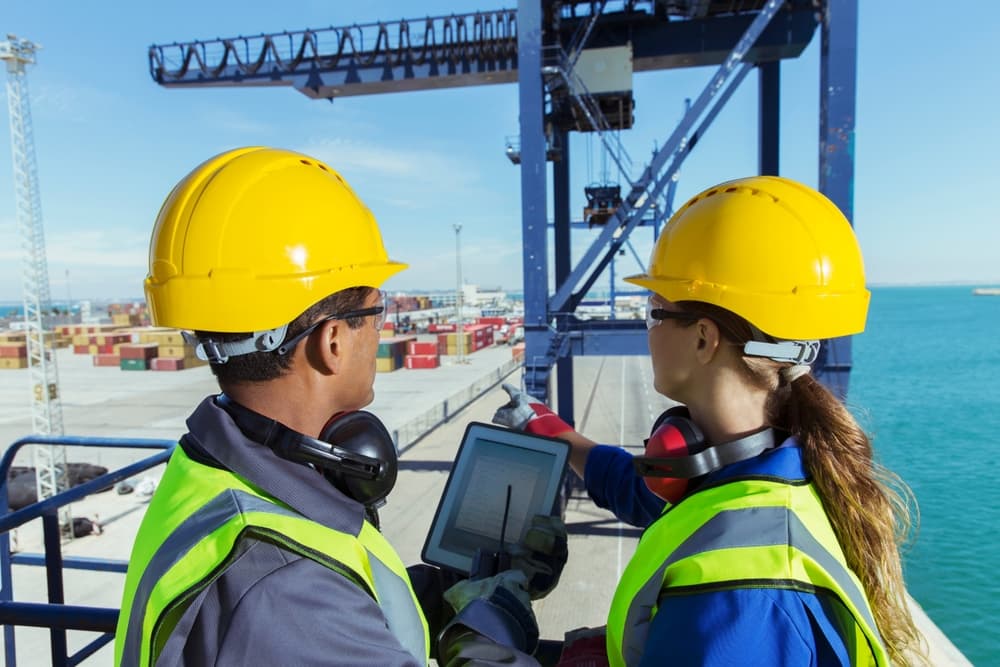
To understand what longshoremen do is to understand the mechanics of the supply chain and the financial structures that allow individuals to earn six-figure salaries without a traditional four-year degree. This article explores the financial landscape of the profession, the career progression that leads to high-net-worth status, and the broader economic impact of this vital workforce.
The Financial Landscape of the Longshore Profession
The primary draw of longshore work in the 21st century is its unparalleled earning potential. Unlike many other trade professions that have seen wage stagnation, longshoremen have maintained a strong financial position through collective bargaining and the high-stakes nature of maritime logistics.
Base Pay, Overtime, and the “Skill Premium”
The financial structure of a longshoreman’s paycheck is multifaceted. While the base hourly rate is significantly higher than the national average for manual labor, the real wealth is generated through differentials and overtime. Longshoremen often work in shifts that include nights, weekends, and holidays, all of which trigger “penalty pay” or overtime multipliers. Because ports operate 24/7 to minimize the “dwell time” of multi-million dollar vessels, the opportunity for overtime is nearly constant. Experienced longshoremen on the West Coast or East Coast of the United States can frequently earn between $150,000 and $250,000 annually when factoring in these premiums.
The Power of Union-Negotiated Benefits
Beyond the take-home pay, the total compensation package for a longshoreman is a benchmark in the world of business finance. Through organizations like the International Longshore and Warehouse Union (ILWU) and the International Longshoremen’s Association (ILA), workers secure gold-standard health insurance with little to no out-of-pocket costs. From a personal finance perspective, this “hidden income” is worth tens of thousands of dollars annually. Furthermore, the retirement structures—often featuring both a defined-benefit pension and a 401(k)-style supplement—ensure that longshoremen transition into a wealthy retirement, a rarity in the modern gig economy.
Economic Moats and Labor Scarcity
In financial terms, the longshore profession possesses a “moat.” The specialized knowledge required to operate massive gantry cranes, handle hazardous materials, and navigate complex terminal operating systems creates a barrier to entry. This scarcity of qualified, union-authorized labor allows longshoremen to maintain high wages even during economic fluctuations. When the supply chain tightens, the value of the person who can move the cargo increases, providing a unique form of job security that acts as a hedge against inflation and market volatility.
Career Progression and Earning Potential
The path to becoming a high-earning longshoreman is not an overnight achievement. It is a strategic financial journey that requires patience, physical stamina, and a long-term view of career ROI (Return on Investment).
The “Casual” Phase: An Exercise in Financial Resilience
In major ports, new entrants typically start as “casuals.” These are non-registered workers who do not have a guaranteed 40-hour work week. From an income-planning perspective, this phase is the most challenging. Casuals wait in dispatch halls for hours, hoping for a “flop” or an available shift that the registered members didn’t take. During this period, many longshoremen treat the port as a high-paying side hustle while maintaining other employment. However, those who successfully navigate this “probationary” period eventually gain “registered” status, unlocking the full suite of financial benefits and guaranteed hours.
Climbing the Seniority Ladder
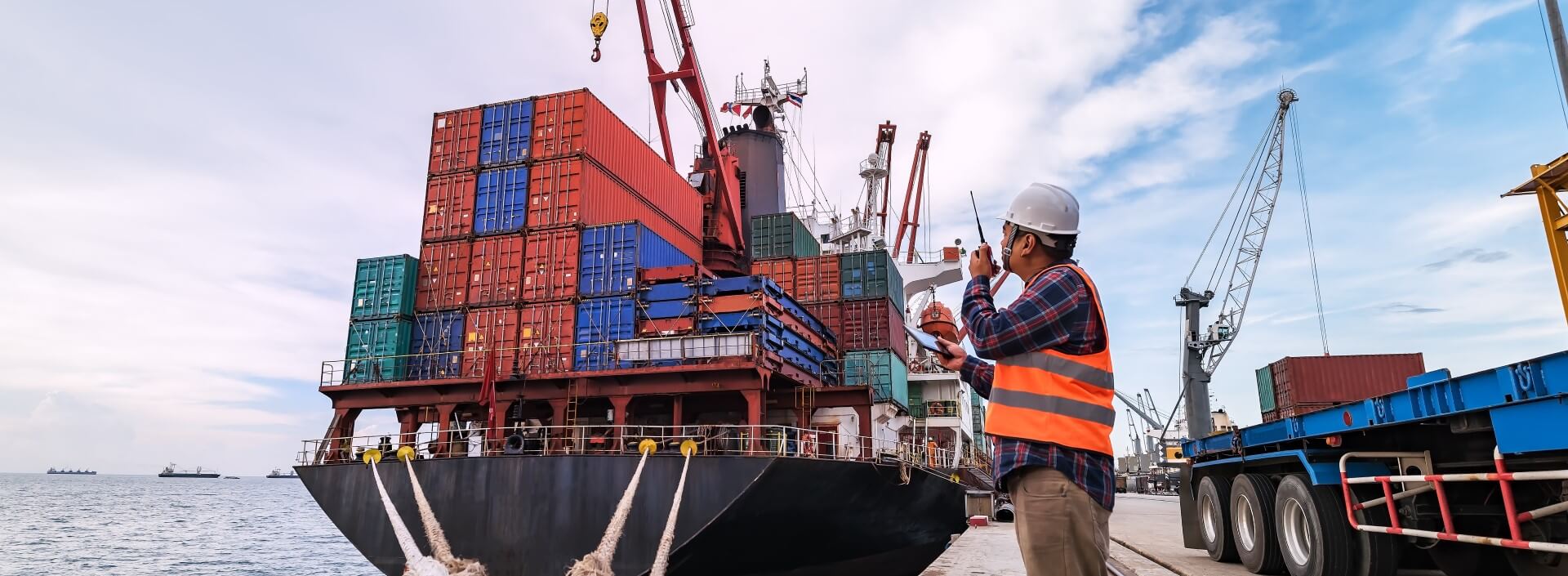
The financial rewards of the waterfront are strictly tied to seniority. In the business of the docks, time on the job translates directly to “hours toward pension” and “priority in dispatch.” As a worker moves from “B-list” to “A-list” status (or equivalent designations depending on the coast), they gain the first right of refusal for the highest-paying jobs. This seniority system creates a predictable upward trajectory for personal income, allowing for long-term financial planning, such as real estate investment or aggressive retirement funding, that many other professions cannot guarantee.
Specialization: Cranes, Clerks, and Mechanics
What longshoremen do extends far beyond moving boxes. The profession includes various “rated” jobs that require specialized certifications.
- Crane Operators: These individuals are the “pilots” of the port, operating machinery that costs millions of dollars. Their pay reflects the immense responsibility and skill required.
- Marine Clerks: Focusing on the data and logistics side, clerks track cargo and manage the flow of information. This role is less physically demanding but remains high-paying, making it a sustainable option for a long-term career.
- Mechanics: Maintaining the massive fleet of “hustlers” (tractors) and cranes requires specialized mechanical knowledge, often fetching a premium wage even within the already high-paying port ecosystem.
The Economic Impact of Longshore Work on Global Trade
The work of a longshoreman is a linchpin in the global macroeconomy. Their efficiency—or lack thereof—directly impacts the bottom lines of multinational corporations and the cost of goods for everyday consumers.
Facilitating Multi-Billion Dollar Capital Flows
Every hour a massive container ship sits idle at a berth, it costs the shipping line tens of thousands of dollars in fuel, labor, and opportunity costs. Longshoremen are the primary agents of “velocity” in the supply chain. By efficiently “turning” a ship—unloading thousands of TEUs (Twenty-foot Equivalent Units) and reloading them—they ensure that capital continues to circulate. In this sense, the longshoreman is an essential service provider to the world’s largest retailers and manufacturers.
Supply Chain Resilience and Market Stability
Recent years have highlighted how sensitive the global economy is to port disruptions. When longshoremen are working efficiently, inflationary pressures on goods are kept in check. Conversely, labor disputes or bottlenecks at the port can lead to inventory shortages and price hikes across the country. From a business finance perspective, the labor of longshoremen is a critical component of “Just-in-Time” (JIT) manufacturing. Without their 24-hour operation, the financial models that modern retail is built upon would collapse.
Is Longshore Work a Viable Financial Strategy Today?
As we look toward the future of work, the question arises: is the longshore profession still a sound “investment” of one’s career? With the rise of automation and changing trade routes, the financial outlook for this niche is evolving.
Automation Risks vs. Skill Premiums
The “Tech” world is constantly attempting to automate ports to reduce labor costs. However, the “Money” reality is more complex. While some functions are being automated, the need for human oversight and the maintenance of these automated systems is creating new, high-paying technical roles within the longshore unions. Rather than eliminating the profession, technology is shifting the work from pure brawn to a mix of technical skill and logistical management. For the forward-thinking worker, this represents an opportunity to command even higher wages as a specialized technician.
Work-Life Balance and Secondary Income Streams
One of the unique financial aspects of what longshoremen do is the flexibility of the “dispatch” system. Unlike a standard corporate 9-to-5, many longshoremen have the ability to “take a pass” on shifts once they have reached their financial goals for the month. This allows many in the profession to pursue secondary income streams, such as small business ownership or real estate management. The high hourly rate of port work serves as the “seed capital” for these external ventures, creating a diversified financial portfolio that provides stability regardless of the maritime industry’s cycles.

Conclusion: The Blueprint for Blue-Collar Wealth
In conclusion, what longshoremen do is act as the physical gatekeepers of the global economy. From a money and business perspective, the profession remains one of the few remaining paths to significant wealth through labor rather than capital. By leveraging union strength, navigating the seniority system, and mastering the complexities of maritime logistics, longshoremen have built a resilient financial niche. While the work is demanding and the path to entry is competitive, the long-term financial rewards—ranging from high annual salaries to unparalleled retirement security—make it a premier choice for those looking to maximize their earning potential in the physical world.
aViewFromTheCave is a participant in the Amazon Services LLC Associates Program, an affiliate advertising program designed to provide a means for sites to earn advertising fees by advertising and linking to Amazon.com. Amazon, the Amazon logo, AmazonSupply, and the AmazonSupply logo are trademarks of Amazon.com, Inc. or its affiliates. As an Amazon Associate we earn affiliate commissions from qualifying purchases.