
Navigating the world of personal finance can often feel like deciphering a complex code, especially when it comes to borrowing money. Whether you’re dreaming of homeownership, looking to consolidate high-interest debt, funding a child’s education, or simply need a temporary financial bridge, understanding “what loan do I qualify for” is the critical first step. It’s not just about finding a lender; it’s about identifying the right type of loan, at the right terms, that aligns with your financial standing and future aspirations.
This comprehensive guide will demystify the loan qualification process, providing you with the knowledge and strategies to confidently approach lenders. We’ll delve into the various types of loans available, uncover the crucial factors lenders scrutinize, and offer actionable advice to enhance your eligibility. By the end, you’ll be equipped to not only identify potential loans but also to strategically position yourself as an attractive borrower, ensuring you secure the financial support you need on the most favorable terms possible.
Understanding the Landscape of Loans
Before you even begin to consider qualification, it’s essential to grasp the diverse array of loan products available. Each type is designed for specific purposes and carries its own set of requirements and implications. Knowing which loan category best suits your need is the first step in streamlining your application process.
Personal Loans: Flexibility for Various Needs
Personal loans are perhaps the most versatile of all loan types. They are typically unsecured, meaning they don’t require collateral, and can be used for almost any purpose. This flexibility makes them ideal for debt consolidation, funding a wedding, covering unexpected medical expenses, or even financing a major purchase. The qualification for personal loans heavily relies on your creditworthiness, income, and debt-to-income ratio, as lenders have no asset to fall back on if you default. Interest rates can vary widely based on your credit profile, ranging from single digits for those with excellent credit to much higher rates for applicants with less-than-stellar scores. Repayment terms are generally fixed, offering predictable monthly payments over a period ranging from a few months to several years.
Secured vs. Unsecured Loans: Weighing Risk and Collateral
The fundamental distinction between secured and unsecured loans lies in the requirement of collateral. A secured loan is backed by an asset, such as a car, house, or savings account, which the lender can seize if you fail to repay the loan. Examples include mortgages (secured by real estate) and auto loans (secured by the vehicle). Because of the reduced risk for the lender, secured loans often come with lower interest rates and more favorable terms, and they may be easier to obtain for individuals with lower credit scores.
Conversely, an unsecured loan does not require collateral. Most personal loans and student loans fall into this category. Lenders issue these loans based solely on your creditworthiness and ability to repay. This higher risk for the lender typically translates into higher interest rates and stricter qualification criteria. Defaulting on an unsecured loan can still severely damage your credit score and may lead to collection efforts, but it won’t directly result in the loss of a specific asset.
Specific Purpose Loans: Mortgages, Auto, Student, and Business
Beyond the broad categories, many loans are tailored for specific purposes.
- Mortgages are perhaps the most significant financial commitment for many, designed to finance the purchase of real estate. They come in various forms (fixed-rate, adjustable-rate, FHA, VA) with complex qualification criteria tied to property value, down payment, and the borrower’s financial health.
- Auto loans finance vehicle purchases, with the car itself serving as collateral. Qualification factors include credit score, income, and the vehicle’s value.
- Student loans are designed to cover educational expenses. They can be federal (often with more flexible repayment options and based on financial need) or private (based on creditworthiness and typically offered by banks).
- Business loans are critical for entrepreneurs and companies, used for start-up costs, expansion, or working capital. They can be secured or unsecured and often require a detailed business plan, strong financial statements, and sometimes personal guarantees. Understanding the specific nuances of each loan type is paramount to correctly assessing your eligibility and suitability.
Key Factors Lenders Evaluate
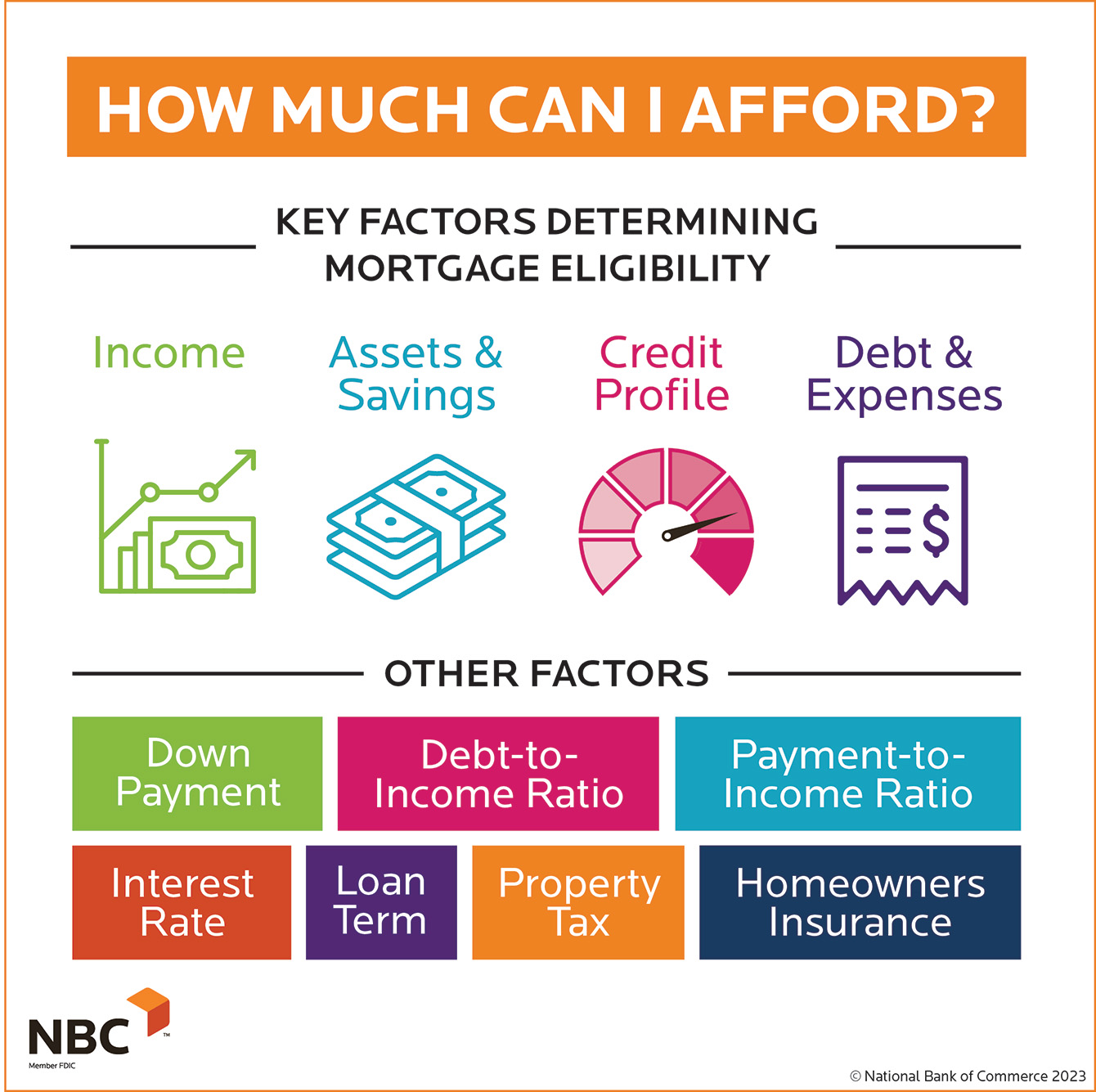
When you apply for a loan, lenders don’t just look at a single number; they assess a holistic picture of your financial health. Their primary goal is to gauge your ability and willingness to repay the borrowed funds. Understanding these key evaluation factors is crucial for preparing a strong application.
Your Credit Score and Credit History: The Foundation of Trust
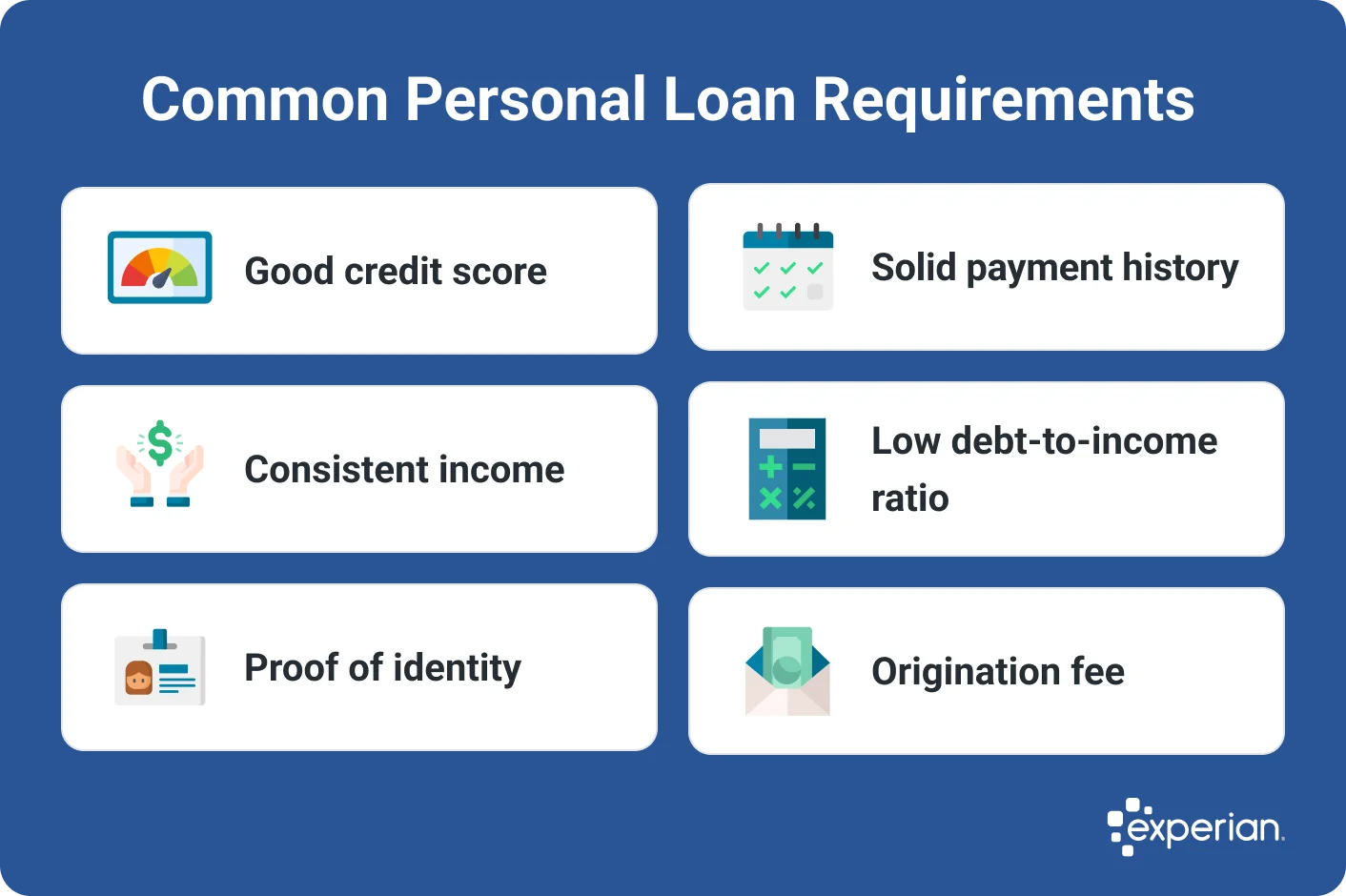
Your credit score is arguably the most significant factor in loan qualification. It’s a three-digit number, typically ranging from 300 to 850, that summarizes your creditworthiness. A higher score indicates a lower risk to lenders. Lenders often have minimum credit score requirements, which vary by loan type and institution. For instance, mortgage lenders might look for scores in the mid-600s or higher, while some personal loan providers might approve scores in the lower 600s, albeit with higher interest rates.
Beyond the score, your credit history provides a detailed narrative of your past borrowing behavior. Lenders examine:
- Payment History: Are payments made on time? Late payments are a red flag.
- Credit Utilization: How much of your available credit are you using? High utilization (e.g., above 30%) can signal financial strain.
- Length of Credit History: A longer history with responsible management is favorable.
- Types of Credit: A mix of credit (e.g., credit cards, auto loans, mortgage) shows you can manage different credit products.
- New Credit: Too many recent applications can indicate financial instability.
Debt-to-Income Ratio (DTI): Assessing Your Repayment Capacity
Your Debt-to-Income (DTI) ratio is a crucial metric that measures how much of your gross monthly income goes towards debt payments. It’s calculated by dividing your total monthly debt payments (credit cards, existing loans, alimony, etc.) by your gross monthly income. Lenders use DTI to determine if you have enough disposable income to comfortably afford new loan payments.
Most lenders prefer a DTI of 36% or less, though some may go up to 43% or even 50% for certain loan types, especially mortgages. A lower DTI indicates less financial strain and a greater ability to manage additional debt, making you a more attractive borrower. For example, if your gross monthly income is $5,000 and your total monthly debt payments are $1,500, your DTI is 30% ($1,500 / $5,000).
Income and Employment Stability: Demonstrating Ability to Pay
Lenders need assurance that you have a consistent and reliable source of income to make your loan payments. They typically verify your income through pay stubs, W-2 forms, tax returns, and bank statements. The amount of income required will depend on the loan amount and type, but the stability of that income is often just as important.
Factors contributing to employment stability include:
- Length of Employment: A long tenure with the same employer is seen as positive.
- Type of Employment: Salaried positions are often viewed more favorably than contract or self-employment, though self-employed individuals can qualify with consistent income and proper documentation.
- Industry Stability: Employment in a stable industry can also be a plus.
For self-employed individuals, lenders usually require two or more years of tax returns to demonstrate consistent income.
Collateral: Securing Your Borrowing Power (for secured loans)
For secured loans, the value and type of collateral play a direct role in qualification. The asset you offer (e.g., a home, car, or investment account) acts as security for the loan. Lenders will assess the collateral’s market value, condition, and liquidity to determine if it provides sufficient protection in case of default. The loan amount for a secured loan is often a percentage of the collateral’s appraised value, known as the loan-to-value (LTV) ratio. A lower LTV (meaning you have more equity in the asset) often translates to better loan terms.
Strategies to Improve Your Loan Eligibility
If your current financial profile isn’t quite meeting the mark for your desired loan, don’t despair. There are proactive steps you can take to significantly improve your chances of qualification and secure more favorable loan terms.
Boosting Your Credit Score: Practical Steps
A higher credit score is your golden ticket to better loan options. Here’s how to improve it:
- Pay Bills on Time, Every Time: Payment history accounts for 35% of your FICO score. Set up autopay or reminders to ensure you never miss a due date.
- Reduce Credit Card Balances: Keep your credit utilization ratio low, ideally below 30% of your available credit. Paying down existing balances frees up credit and signals responsible management.
- Avoid Opening Too Many New Credit Accounts: While a diverse credit mix is good, applying for multiple credit cards or loans in a short period can temporarily lower your score due to hard inquiries.
- Address Errors on Your Credit Report: Regularly check your credit report from all three major bureaus (Experian, Equifax, TransUnion) for inaccuracies and dispute any errors immediately.
- Maintain Older Accounts: The length of your credit history matters. Don’t close old credit card accounts, even if you don’t use them, as they contribute to your average age of accounts.
Reducing Your Debt-to-Income Ratio: Financial Discipline
Lowering your DTI is crucial, especially for larger loans like mortgages.
- Pay Down Existing Debts: Focus on aggressively paying off high-interest debts like credit card balances first. This reduces your monthly debt obligations.
- Increase Your Income: While not always immediately feasible, finding ways to boost your gross monthly income (e.g., a raise, a second job, a side hustle) will directly lower your DTI.
- Avoid Taking on New Debt: During the period leading up to a loan application, refrain from opening new credit lines or making large financed purchases.
Building a Strong Financial Profile: Beyond the Numbers
Lenders look beyond just scores and ratios. A robust overall financial profile strengthens your application.
- Build Savings and Emergency Funds: A healthy savings account demonstrates financial responsibility and provides a buffer against unexpected events, reassuring lenders of your stability.
- Provide a Larger Down Payment: For secured loans like mortgages or auto loans, a larger down payment reduces the loan amount, lowers the LTV ratio, and signifies a serious commitment, often leading to better interest rates.
- Show Employment Longevity: Stability in your job demonstrates a consistent income source. If you’ve recently changed jobs, be prepared to explain the circumstances and highlight career progression.
- Document All Income Sources: If you have income from bonuses, commissions, or a side gig, ensure you have clear documentation (tax returns, bank statements) to prove its consistency.
Navigating the Application Process and Choosing the Right Loan
Once you’ve improved your financial standing, the next phase involves actively engaging with lenders and making informed decisions. The application process can seem daunting, but breaking it down into manageable steps makes it less intimidating.
Pre-Qualification and Pre-Approval: Understanding the Differences
Before fully committing to an application, many lenders offer pre-qualification or pre-approval, which can be immensely helpful:
- Pre-qualification is an initial, informal assessment of what you might qualify for, based on basic financial information you provide (e.g., income, debt). It usually involves a “soft” credit pull, which doesn’t affect your credit score, and gives you a ballpark idea of loan amounts and terms. It’s not a guarantee of a loan but helps you gauge your options.
- Pre-approval is a more thorough evaluation where the lender reviews your credit report (with a “hard” credit inquiry), verifies income and assets, and essentially commits to lending you a specific amount at a particular interest rate, provided nothing changes in your financial situation. This is particularly valuable for big purchases like homes, as it shows sellers you’re a serious and qualified buyer.
Always pursue pre-approval for significant loans as it provides a clear picture of what you can afford and strengthens your negotiating position.
Comparing Loan Offers: Interest Rates, Fees, and Terms
Never settle for the first loan offer you receive. Shopping around is crucial to secure the best terms. When comparing offers, look beyond just the interest rate:
- Annual Percentage Rate (APR): This is the total cost of borrowing, including interest and most fees, expressed as a yearly percentage. It provides a more comprehensive view than the interest rate alone.
- Fees: Watch out for origination fees, application fees, closing costs, prepayment penalties, and late payment fees. These can significantly increase the overall cost of the loan.
- Loan Term: A shorter loan term generally means higher monthly payments but less interest paid over the life of the loan. A longer term means lower monthly payments but more interest. Balance your comfort with monthly payments against the total cost.
- Repayment Structure: Understand if payments are fixed or variable, and if there are options for deferment or forbearance in specific circumstances (e.g., student loans).
- Lender Reputation and Customer Service: Choose a lender with a good track record and responsive customer support, as you’ll be interacting with them for the duration of your loan.
Reading the Fine Print: Protecting Your Financial Future
Once you have an offer you like, take the time to meticulously read the entire loan agreement before signing. Don’t hesitate to ask questions about anything you don’t understand. Pay close attention to:
- All Terms and Conditions: Ensure all spoken agreements are written in the contract.
- Default Clauses: Understand what constitutes a default and the consequences.
- Late Payment Policies: Know the fees and grace periods.
- Prepayment Penalties: Some loans charge a fee if you pay off the loan early.
- Escrow Accounts: For mortgages, understand how taxes and insurance are managed.
- Balloon Payments: Be aware if a large lump sum payment is due at the end of the loan term.
Thoroughly understanding these details protects you from unexpected costs and ensures you are fully aware of your obligations and rights as a borrower.
Alternative Financing Options and Future Considerations
Sometimes, traditional loans aren’t the best fit, or you may not yet qualify for the terms you desire. Exploring alternative financing options and thinking strategically about future borrowing can provide viable pathways.
Peer-to-Peer Lending and Credit Unions: Community-Focused Alternatives
- Peer-to-Peer (P2P) Lending: Platforms like Prosper or LendingClub connect borrowers directly with individual investors. These platforms can sometimes offer more flexible qualification criteria or competitive rates, especially for those with fair to good credit who might not get the best rates from traditional banks. The application process is typically online and streamlined.
- Credit Unions: These member-owned financial cooperatives often offer more personalized service and potentially lower interest rates or fewer fees than large commercial banks, particularly for personal loans, auto loans, and even mortgages. Because they are non-profit, their focus is on benefiting their members, making them a strong alternative, especially for those with less-than-perfect credit who might be denied by traditional lenders.
Government-Backed Loans and Programs: Specific Aid
For certain purposes, government-backed loans can be a lifeline:
- Federal Student Loans: Offered by the U.S. Department of Education, these often have lower interest rates, more flexible repayment plans, and no credit check requirements for some types (e.g., Direct Subsidized and Unsubsidized Loans).
- FHA, VA, and USDA Loans: These are government-insured mortgage programs designed to make homeownership more accessible. FHA loans require lower down payments and have more lenient credit requirements. VA loans offer 0% down payment for eligible veterans. USDA loans assist low-to-moderate-income individuals in rural areas.
- SBA Loans: The Small Business Administration (SBA) offers various loan programs for small businesses, often by guaranteeing a portion of loans made by commercial lenders. This reduces the risk for lenders, making it easier for small businesses to access capital. These often require detailed business plans and strong financial projections.

When to Avoid Loans: Responsible Borrowing
While loans can be powerful financial tools, there are times when taking on new debt is not the wisest decision.
- High-Interest, Non-Essential Purchases: Avoid loans for discretionary spending, especially if the interest rate is high. Carrying debt for items that quickly depreciate or don’t generate income can lead to financial strain.
- Existing Financial Instability: If you’re already struggling with existing debt, job insecurity, or lack an emergency fund, taking on more debt can deepen your financial woes. Prioritize stabilizing your finances first.
- Lack of a Clear Repayment Plan: Never take a loan without a concrete, realistic plan for how you will repay it. Understand your cash flow and ensure you can comfortably meet the monthly obligations.
- “Too Good to Be True” Offers: Be wary of lenders promising guaranteed approval regardless of credit history or income, as these often come with predatory interest rates and hidden fees.
Ultimately, qualifying for a loan is about demonstrating your reliability and capacity to repay. By understanding the criteria lenders use, strategically improving your financial standing, and diligently comparing offers, you can confidently answer the question “what loan do I qualify for” and secure the financial resources needed to achieve your goals. Responsible borrowing is key, ensuring that the loan serves as a bridge to a better financial future, not a burden.
aViewFromTheCave is a participant in the Amazon Services LLC Associates Program, an affiliate advertising program designed to provide a means for sites to earn advertising fees by advertising and linking to Amazon.com. Amazon, the Amazon logo, AmazonSupply, and the AmazonSupply logo are trademarks of Amazon.com, Inc. or its affiliates. As an Amazon Associate we earn affiliate commissions from qualifying purchases.