
The quest for a truly durable, aesthetically pleasing, and environmentally conscious alternative to traditional leather has been a long and often frustrating journey. For decades, consumers and manufacturers alike have sought materials that can replicate leather’s desirable qualities – its suppleness, its ability to age gracefully, and its inherent strength – without the ethical and environmental baggage. This pursuit has gained significant traction within the technology sector, where materials are scrutinized not only for their performance and longevity but also for their contribution to a brand’s sustainability narrative and their potential for innovative integration into cutting-edge products. The critical question, “what leather alternative won’t crack?” is no longer just about avoiding premature material failure; it’s a gateway to understanding the technological advancements shaping the future of product design, brand perception, and ultimately, consumer value in the tech landscape.
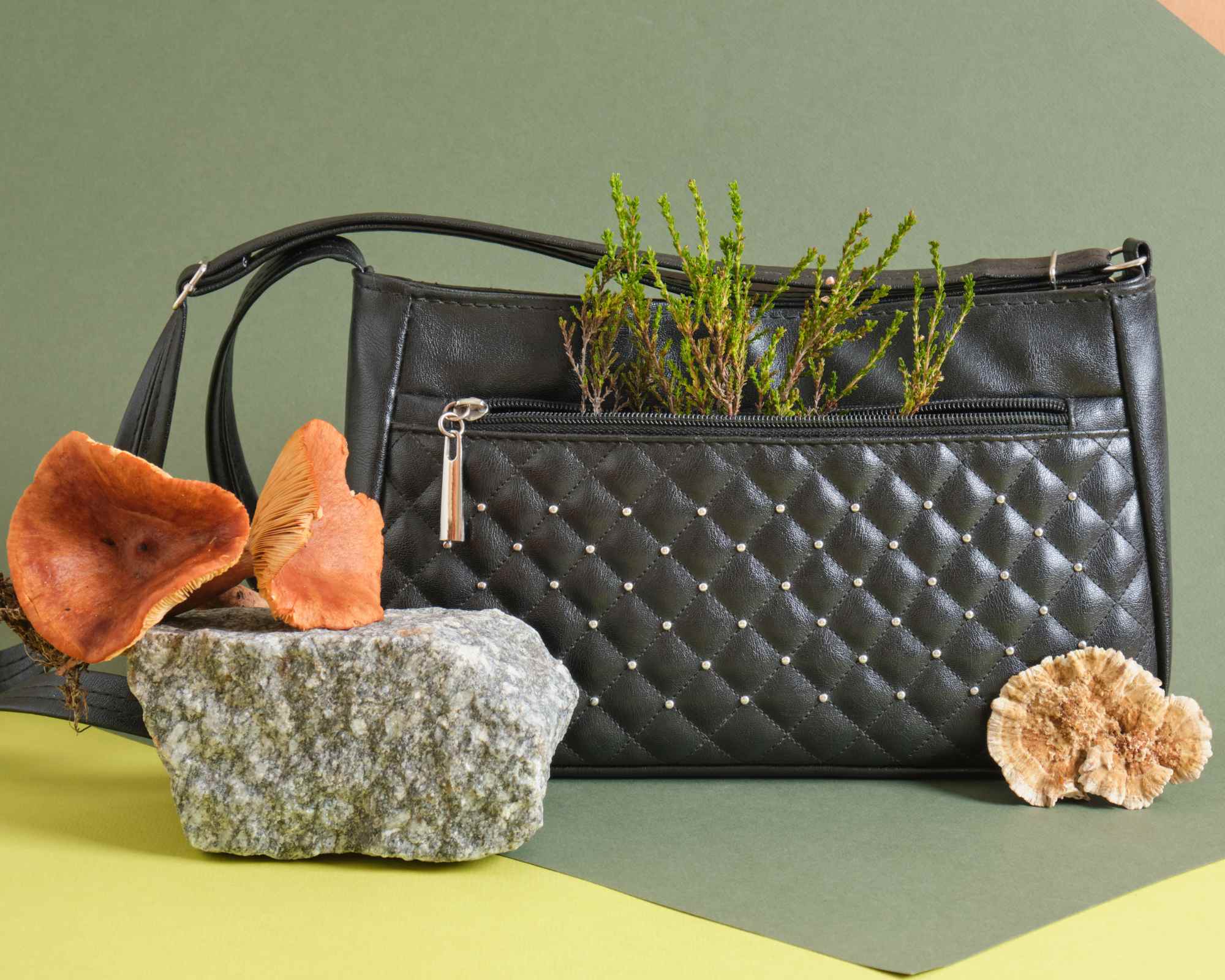
The challenge of “cracking” – a term encompassing material degradation, splitting, peeling, and loss of structural integrity – is a persistent issue with many early leather alternatives. These often relied on synthetic polymers that, while initially promising, proved susceptible to environmental factors like UV exposure, temperature fluctuations, and physical stress. In the tech industry, where devices are handled daily, exposed to diverse conditions, and expected to last for years, such vulnerabilities are unacceptable. A cracked phone case, a peeling laptop sleeve, or a frayed headphone band not only detracts from the premium feel of a tech product but also undermines the brand’s reputation for quality and durability. This article delves into the technological innovations driving the development of leather alternatives that promise unprecedented crack resistance, exploring the science behind these materials, their applications in the tech world, and the future they portend.
The Evolving Landscape of Leather Alternatives: Beyond the First Generation
The early iterations of leather alternatives, often broadly categorized as “pleather” or PVC-based synthetics, were largely characterized by their low cost and imitation of leather’s surface texture. However, their inherent chemical composition made them prone to plasticization loss over time, leading to a stiffening and eventual cracking. This was particularly problematic in high-wear applications. The technology sector, with its emphasis on sleek aesthetics and robust performance, quickly identified these limitations. The demand for materials that could withstand the rigors of daily use – being tossed in bags, exposed to incidental spills, and enduring repeated handling – necessitated a significant leap forward in material science.
The Science of Durability: Polymer Engineering and Biomimicry
The breakthrough in creating crack-resistant leather alternatives lies in advanced polymer engineering and an increasing adoption of biomimicry – learning from nature’s own designs. Unlike earlier materials that relied on simple coatings or single-polymer structures, modern alternatives employ complex composite structures and innovative polymer chains.
Advanced Polymer Formulations: The Core of Crack Resistance
The key to preventing cracking is to develop polymers that maintain their flexibility and structural integrity under stress and over time. This involves:
- Thermoplastic Polyurethanes (TPUs) with Enhanced Properties: While TPUs have been around, advancements in their molecular structure have led to significantly improved crack resistance. Researchers are developing TPUs with longer polymer chains and cross-linking agents that provide superior elasticity and resistance to degradation. These formulations can absorb impact and flex repeatedly without fracturing.
- Polyvinyl Butyral (PVB) Blends: Often used in laminated glass for its safety properties, PVB, when blended with other polymers and plasticizers, can create highly flexible and impact-resistant materials. These blends can be engineered to mimic the tactile feel of leather while offering excellent tensile strength and elongation at break.
- Engineered Synthetics with Micro-Reinforcement: Some high-performance alternatives incorporate microscopic reinforcing agents, such as carbon nanotubes or specialized fibers, within the polymer matrix. These agents act as internal scaffolding, distributing stress more evenly and preventing the propagation of micro-cracks that can eventually lead to visible damage.
Biomimicry in Material Design: Learning from Nature’s Resilience
Nature offers a wealth of inspiration for durable and flexible materials. The design of crack-resistant leather alternatives is increasingly drawing from biological structures:
- Cellular Structures: Mimicking the cellular structure of animal hides, some new materials employ a multi-layered approach with engineered pores or voids. This not only reduces weight but also allows for greater flexibility and shock absorption, much like the collagen fibers in natural leather.
- Interlocking Fiber Networks: Natural leather’s strength comes from its interwoven network of collagen fibers. Scientists are developing synthetic materials with similar interlocking fiber architectures, creating a robust and resilient matrix that resists tearing and cracking.
- Self-Healing Capabilities: While still in its nascent stages for mainstream applications, the concept of self-healing materials is being explored. Inspired by biological repair mechanisms, some advanced polymers can mend minor scratches or tears, effectively preventing the onset of larger cracks.
The Technological Frontier: Next-Generation Leather Alternatives
The pursuit of crack-resistant leather alternatives is closely intertwined with technological innovation, driving the development of materials that are not only durable but also possess desirable aesthetic and functional properties for the tech industry. This section explores some of the most promising material categories and their technological underpinnings.
Mycelium and Plant-Based Composites: The Bio-Revolution
The most exciting advancements in sustainable leather alternatives are emerging from the bio-tech sector, leveraging the power of fungi and plant fibers. These materials offer a compelling combination of environmental friendliness and surprising durability.
Mycelium-Based Materials: The Future of Sustainable Leather
Mycelium, the root structure of mushrooms, is being transformed into a viable leather substitute through advanced cultivation and processing techniques.
- Controlled Growth and Fermentation: Mycelium is grown in controlled environments on agricultural waste. Specific strains are selected for their growth patterns and structural properties. Fermentation processes are optimized to create dense, fibrous mats that can be harvested.
- Bio-Texturing and Finishing: Once harvested, the mycelium mats undergo a series of proprietary treatments. This includes pressing, heat treatment, and the application of natural, non-toxic coatings to achieve desired textures, colors, and water resistance. The resulting material is remarkably strong, flexible, and can be engineered to resist cracking and peeling. Companies are developing sophisticated methods to control the density and orientation of the mycelial fibers, directly impacting the material’s mechanical properties and crack resistance.
- Biodegradability and Low Environmental Impact: A significant technological advantage of mycelium is its inherent biodegradability. The cultivation process typically uses minimal water and energy, and the waste streams are largely organic. This aligns perfectly with the tech industry’s growing commitment to circular economy principles.
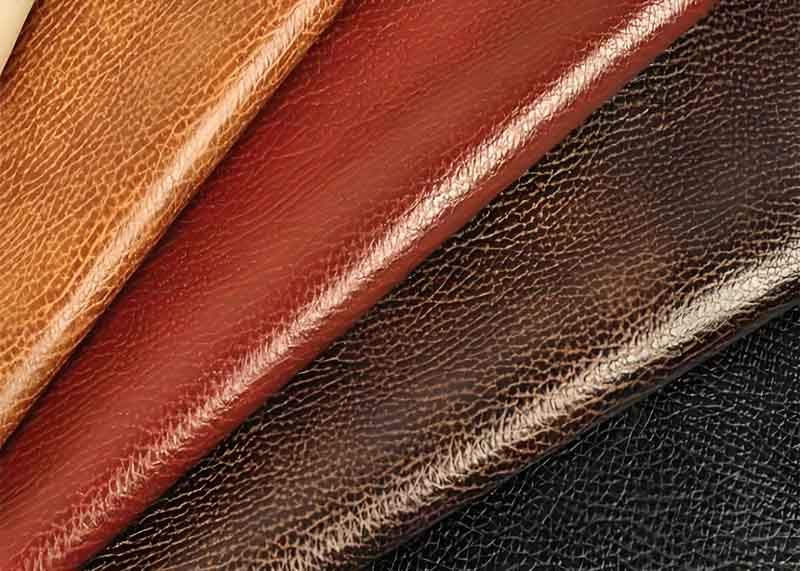
Piñatex and Other Plant-Based Fibers: Innovative Textile Engineering
Beyond mycelium, a range of plant-based fibers are being engineered to create durable and aesthetically pleasing leather alternatives.
- Pineapple Leaf Fiber (Piñatex): Derived from the waste product of the pineapple harvest, Piñatex is a non-woven textile made from cellulose fibers. The fibers are extracted from the leaves, washed, dried, and then processed into a mesh-like material. This material is then coated with a bio-based resin to give it a leather-like finish and improve its durability. The engineering of the resin application and the fiber alignment are crucial in preventing cracking.
- Other Plant Fibers (Apple, Grape, Cactus): Similar technologies are being applied to fibers from other agricultural by-products, such as apple pomace, grape skins, and cactus leaves. The scientific challenge lies in extracting, processing, and binding these natural fibers into a cohesive and durable matrix that can withstand the stresses that lead to cracking. This often involves innovative bio-adhesives and composite layering techniques.
Application and Performance in the Tech Ecosystem
The adoption of crack-resistant leather alternatives in the tech industry is not merely about aesthetics; it’s about enhancing product longevity, improving user experience, and bolstering brand perception through responsible material choices. The ability of these materials to withstand daily wear and tear directly translates into more durable and reliable devices, reducing the need for frequent replacements and contributing to a more sustainable consumption cycle.
Enhancing Product Durability and User Experience
The most immediate benefit of crack-resistant leather alternatives is their direct impact on product lifespan and user satisfaction.
- Extended Product Life Cycles: Devices clad in materials that resist cracking, peeling, and splitting are inherently more durable. This means a phone case that doesn’t degrade after a few months, a laptop sleeve that maintains its structural integrity, or headphone earcups that don’t show premature signs of wear. This extended life cycle reduces electronic waste, a significant environmental concern for the tech industry.
- Premium Feel and Tactile Comfort: Beyond durability, these advanced materials are engineered to replicate the desirable tactile qualities of genuine leather. The goal is to provide a supple, comfortable, and premium feel that enhances the overall user experience without compromising on performance. This is particularly important for high-end tech accessories and the interior finishes of premium electronic devices.
- Impact Resistance and Protection: Many of these materials offer superior shock absorption compared to early synthetics or even some natural leathers. This is a crucial benefit for portable electronics that are prone to accidental drops. The ability of the material to flex and absorb impact without fracturing is a direct result of its advanced engineering.
Brand Positioning and Sustainability Credentials
In an increasingly conscious market, a brand’s commitment to sustainability and ethical sourcing is a powerful differentiator. The adoption of crack-resistant, eco-friendly leather alternatives allows tech companies to align their products with these values.
- Communicating Environmental Responsibility: By choosing materials that are bio-based, recycled, or produced with minimal environmental impact, tech brands can proactively communicate their commitment to sustainability. This resonates strongly with consumers who are looking for ethical purchasing options.
- Building a “Conscious Luxury” Image: The integration of advanced, eco-friendly materials in premium tech products helps to cultivate an image of “conscious luxury.” This positions the brand as forward-thinking, responsible, and dedicated to offering products that are both high-quality and ethically produced. The absence of cracking further reinforces the perception of superior quality and longevity, essential for luxury goods.
- Innovation and Differentiation: The use of novel, crack-resistant leather alternatives can serve as a unique selling proposition. It showcases a brand’s willingness to innovate and explore new material frontiers, setting them apart from competitors who may rely on more conventional or less sustainable options. This technological edge can become a significant aspect of the brand’s identity.
The Future Outlook: Towards Truly Indestructible and Sustainable Tech Materials
The journey to find the perfect leather alternative that won’t crack is ongoing, propelled by relentless innovation in material science and a growing demand for sustainable solutions within the technology sector. The convergence of advanced polymer engineering, bio-technology, and a deep understanding of material degradation mechanisms is paving the way for a new generation of materials that promise exceptional durability and minimal environmental impact.
Continuous Innovation in Material Science
The R&D pipeline is brimming with promising developments. We can expect to see:
- Enhanced Bio-Synthetics: Further refinement of mycelium, algae-based materials, and other bio-engineered textiles will lead to even greater strength, flexibility, and a wider range of aesthetic possibilities. The focus will be on improving scalability, cost-effectiveness, and optimizing for specific performance requirements, such as enhanced scratch and abrasion resistance alongside crack prevention.
- Advanced Composite Materials: The development of hybrid materials, combining the benefits of different polymers, natural fibers, and even nanoscale reinforcements, will create composites with unprecedented crack resistance. These materials will be engineered at a molecular level to withstand extreme stresses and environmental conditions.
- “Smart” Materials: The integration of responsive or self-healing properties into leather alternatives will become more prevalent. Imagine materials that can repair minor abrasions or adapt their flexibility based on environmental temperature, further extending product life and user satisfaction.

The Role of Technology in Material Development and Adoption
Technology plays a dual role: driving the creation of these new materials and facilitating their integration into the tech ecosystem.
- AI and Machine Learning in Material Design: Artificial intelligence is being used to accelerate the discovery and design of new materials. By simulating material properties and predicting performance, AI can significantly reduce the time and cost associated with traditional R&D, leading to faster development of crack-resistant alternatives.
- 3D Printing and Advanced Manufacturing: Technologies like 3D printing will enable the precise fabrication of complex material structures, allowing for customized textures, integrated support systems, and optimized material distribution to prevent cracking in specific stress zones. This opens up new possibilities for intricate designs and bespoke product customization.
- Life Cycle Assessment and Digital Passports: As these materials become more widespread, technologies for transparently tracking their environmental impact and performance throughout their life cycle will be crucial. Digital passports, for instance, can provide consumers with detailed information about the material’s origin, manufacturing process, and end-of-life options, reinforcing the brand’s commitment to sustainability.
The question “what leather alternative won’t crack?” is evolving from a simple query about material failure to a complex exploration of technological innovation, brand responsibility, and the future of sustainable product design. As the tech industry continues to push the boundaries of what’s possible, the demand for materials that are as resilient as they are responsible will only grow. The advancements discussed here signal a promising future where durable, aesthetically pleasing, and environmentally conscious alternatives to leather are not just a possibility, but a standard.
aViewFromTheCave is a participant in the Amazon Services LLC Associates Program, an affiliate advertising program designed to provide a means for sites to earn advertising fees by advertising and linking to Amazon.com. Amazon, the Amazon logo, AmazonSupply, and the AmazonSupply logo are trademarks of Amazon.com, Inc. or its affiliates. As an Amazon Associate we earn affiliate commissions from qualifying purchases.