
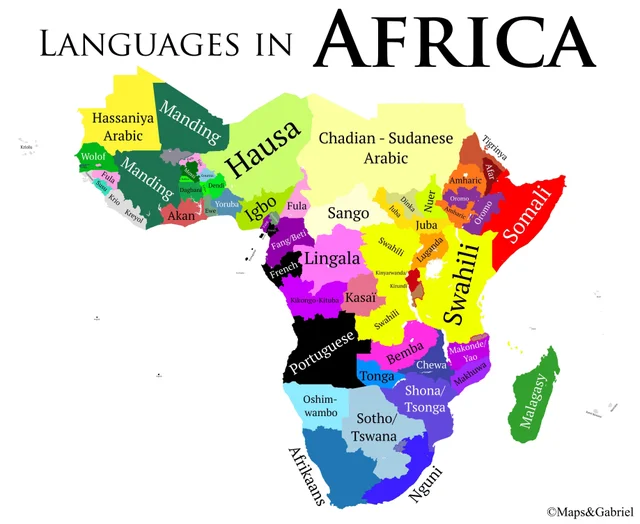
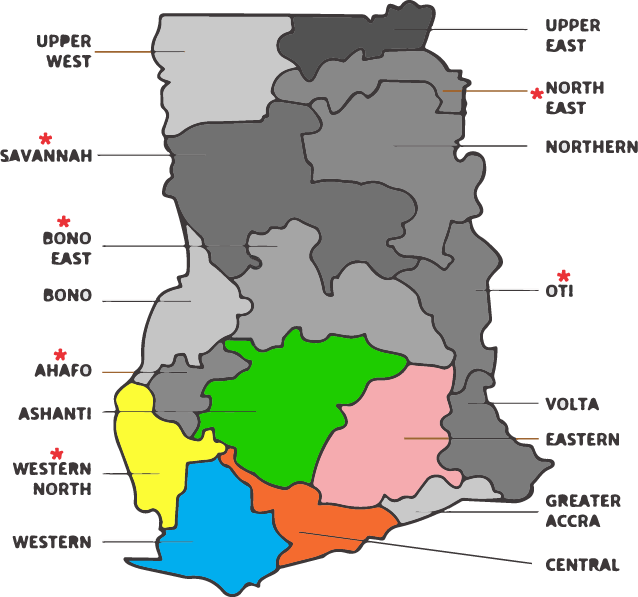
In the rapidly evolving digital era, the intersection of language and technology has become one of the most significant frontiers for global innovation. When we ask “what language do they speak in Ghana,” the answer is a complex tapestry of over 80 ethnic languages, with English serving as the official medium of instruction and administration. However, for the technology sector, this linguistic diversity presents both a formidable challenge and a massive opportunity. From the bustling tech hubs of Accra to the remote reaches of the Northern Region, the push to integrate Ghanaian languages into the global digital ecosystem is redefining how software is built, how AI is trained, and how users interact with the digital world.
The Digital Frontier: Natural Language Processing (NLP) for Ghanaian Tongues
The backbone of modern linguistic technology is Natural Language Processing (NLP), a branch of artificial intelligence that enables computers to understand, interpret, and generate human language. Historically, global tech giants focused their NLP efforts on “high-resource” languages like English, Mandarin, and Spanish. Ghana’s primary languages—such as Twi, Ewe, Ga, and Fante—were long classified as “low-resource” languages due to the lack of digitized text and audio data available for machine learning.
Overcoming the “Low-Resource” Barrier
The tide is turning as localized tech initiatives gain momentum. The challenge with Ghanaian languages lies in their tonal nature and unique grammatical structures, which differ significantly from Western linguistic models. Tech innovators are now employing “transfer learning”—a technique where an AI model trained on a high-resource language is fine-tuned using smaller datasets of a local language. This approach has allowed researchers to develop sentiment analysis tools and chatbots that can process Twi or Ga with increasing accuracy. The goal is to move beyond simple word-to-word translation and toward a deep semantic understanding of Ghanaian dialects.
The Role of Local Tech Hubs and Global Giants
Collaborations between academic institutions like the University of Ghana and global entities like Google’s AI Research Lab in Accra are pivotal. These hubs are focused on “Grounding Language,” which involves teaching AI to understand language within the specific cultural and environmental context of Ghana. For instance, the Masakhane project—a grassroots NLP initiative across Africa—has been instrumental in crowdsourcing datasets for Ghanaian languages. By involving local developers and linguists, the tech sector is ensuring that the data used to train these models is culturally sensitive and contextually relevant, preventing the “digital colonization” of local linguistics.
Software Solutions: Localization and the User Experience (UX) Revolution
For a software product to be truly successful in the Ghanaian market, it must transcend the “English-only” barrier. Localization in tech is no longer just about changing the currency symbol; it is about rebuilding the User Experience (UX) to resonate with the linguistic habits of the population.
Adapting Keyboards and Input Methods
One of the most practical tech hurdles in Ghana has been the physical and digital keyboard. Many Ghanaian languages utilize unique characters—such as the open ‘Ɛ’ and ‘Ɔ’—which are not present on standard QWERTY layouts. Software developers have responded by creating specialized keyboard overlays and mobile apps that allow for seamless switching between English and local scripts. This innovation is critical for mobile commerce and social media, as it allows users to communicate digitally in the same way they speak at home, fostering a more inclusive digital environment.
Voice Technology and the Rise of Audio-First Interfaces
In many parts of Ghana, oral tradition remains a dominant form of communication. Recognizing this, the tech industry is shifting toward audio-first interfaces. Interactive Voice Response (IVR) systems and AI-powered voice assistants are being developed to cater to users who may be literate in their local tongue but find typing in it cumbersome. For example, fintech apps are incorporating voice commands in Twi to allow traders in local markets to check balances or transfer funds without needing to navigate complex English-language menus. This “voice-first” approach is a game-changer for financial inclusion and digital literacy.

EdTech and the Preservation of Linguistic Heritage
As globalization accelerates, there is a growing concern that indigenous languages might be sidelined by the dominance of English in digital spaces. However, technology is proving to be a powerful tool for preservation rather than erasure. Educational Technology (EdTech) startups in Ghana are leveraging apps and platforms to ensure that the next generation remains fluent in their mother tongues.
Gamifying Language Learning: Apps for Twi, Ga, and Ewe
Mirroring the success of global platforms like Duolingo, Ghanaian developers are creating gamified experiences for local languages. Apps like “Sua Twi” or “Nkyea” use spaced-repetition algorithms and interactive modules to teach grammar, vocabulary, and pronunciation. These tools are not only for children but also for the vast Ghanaian diaspora looking to reconnect with their roots. By turning language learning into a digital game, tech is making linguistic heritage “cool” and accessible for the smartphone generation.
Digital Archives and Open-Source Databases
Beyond learning, there is a massive effort to archive the linguistic diversity of Ghana digitally. Cloud computing and open-source databases are being used to store oral histories, traditional music, and folk tales in high-fidelity audio formats. These digital repositories serve two purposes: they act as a cultural “black box” for future generations and provide the raw data necessary for future AI developments. By open-sourcing these datasets, Ghana is positioning itself as a leader in the African “Open Data” movement, inviting global researchers to build tools that respect and reflect its linguistic variety.
The Future of Real-Time Translation in Ghanaian Commerce
The ultimate goal of linguistic technology in Ghana is the elimination of the language barrier in real-time. This has profound implications for commerce, healthcare, and governance. Imagine a farmer in the Brong-Ahafo region speaking into a device in Bono, and a software developer in Accra hearing the translation in English instantaneously.
AI-Powered Wearables and API Integration
We are moving toward a world of “ubiquitous translation.” Tech companies are working on integrating translation APIs (Application Programming Interfaces) directly into wearable tech and communication platforms like WhatsApp. For the Ghanaian business landscape, this means that SMEs can expand their reach across different regions without needing a multilingual staff. High-tech earbuds with real-time translation capabilities are currently in the testing phase for African dialects, promising a future where language is no longer a barrier to entry for the digital economy.
Challenges in Syntax and Cultural Nuance
Despite these advancements, the “Tech-Linguistic” bridge still faces hurdles. Ghanaian languages are rich in proverbs, metaphors, and idiomatic expressions that are notoriously difficult for AI to decode. A literal translation of a Twi proverb can often result in nonsense in English. The next wave of tech innovation in Ghana will focus on “Cultural Intelligence” (CQ) in AI—developing algorithms that can recognize sarcasm, respect, and social hierarchy within speech. This requires a fusion of linguistics, sociology, and deep learning, marking the next sophisticated chapter of Ghana’s tech journey.
Conclusion: The Convergence of Code and Culture
The question of “what language do they speak in Ghana” is no longer just a demographic query; it is a technical requirement for the future of the nation’s digital economy. By treating the country’s 80+ languages not as a barrier, but as a dataset for innovation, Ghana is carving out a unique niche in the global tech landscape.
The digital transformation of Ghana is proving that for technology to be truly “smart,” it must be able to speak the language of the people it serves. Through NLP, localized UX design, and AI-driven preservation, the tech sector is ensuring that the vibrant, oral-rich traditions of Ghana are not just preserved, but are empowered to thrive in the age of the algorithm. As these tools continue to mature, the synergy between code and culture will likely become the primary driver of digital adoption and economic empowerment across the West African sub-region.
aViewFromTheCave is a participant in the Amazon Services LLC Associates Program, an affiliate advertising program designed to provide a means for sites to earn advertising fees by advertising and linking to Amazon.com. Amazon, the Amazon logo, AmazonSupply, and the AmazonSupply logo are trademarks of Amazon.com, Inc. or its affiliates. As an Amazon Associate we earn affiliate commissions from qualifying purchases.