
Prague, a city steeped in history and culture, draws millions of visitors annually, captivated by its Gothic architecture, vibrant arts scene, and charming cobblestone streets. For many, a key consideration when planning a visit is understanding the local tongue. The official language of the Czech Republic, and therefore Prague, is Czech (Čeština). While English is widely spoken in tourist-heavy areas, major hotels, and by younger generations, navigating the city beyond these familiar zones can present a linguistic challenge. Fortunately, modern technology offers an array of sophisticated tools to not only bridge this communication gap but also enhance the travel experience and facilitate deeper engagement with Czech culture and commerce.
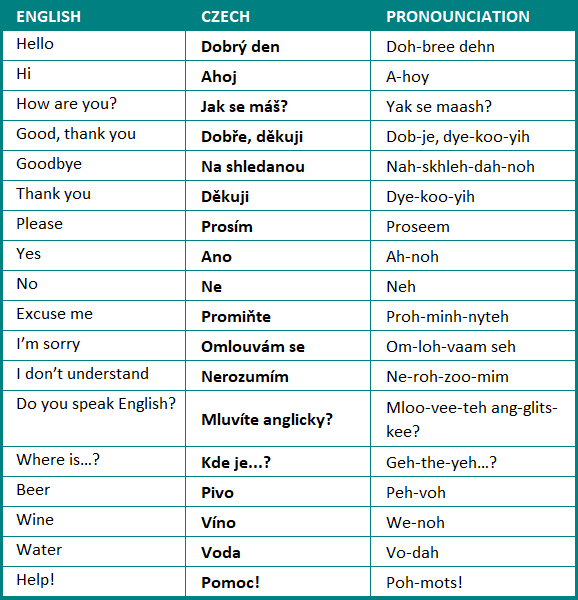
Navigating Czech: The Local Linguistic Landscape and the Need for Tech
At its heart, Prague is a Czech-speaking city. Czech is a West Slavic language, distinct from English and other Germanic or Romance languages, featuring a complex grammar, unique phonetics, and a vocabulary that can be intimidating for newcomers. While many Prague residents in the service industry or younger demographics have a commendable grasp of English, particularly in central tourist districts like the Old Town Square, Charles Bridge, or Prague Castle, venturing into residential neighborhoods, local shops, or engaging with public services often requires some form of Czech communication. This is where technology steps in, transforming potential hurdles into seamless interactions and empowering travelers and business professionals alike to confidently navigate the city’s linguistic diversity. Understanding the core language, even if minimally, enhances respect for local customs, and tech tools become invaluable aids rather than complete replacements for human interaction.
Essential Tech Tools for Real-time Translation
The immediate need for anyone encountering a foreign language is translation, and technological advancements have made this more accessible and accurate than ever before. From quick queries to complex conversations, a range of devices and software can instantly interpret spoken or written Czech.
Smartphone Translation Apps
For most travelers, the smartphone is the primary translation device. Apps like Google Translate and Microsoft Translator have become indispensable. These powerful applications offer multiple translation modes:
- Text Translation: Type or paste text for instant translation between Czech and dozens of other languages. This is ideal for deciphering menus, street signs, or documents.
- Voice Translation: Speak into your phone, and the app translates your words into spoken Czech, and vice versa. This facilitates basic conversations with taxi drivers, shopkeepers, or hotel staff.
- Conversation Mode: Designed for back-and-forth dialogue, this feature listens to two speakers communicating in different languages and translates each sentence in real-time.
- Camera Translation: Point your phone’s camera at text (e.g., a menu, a notice board), and the app overlays the translated text directly onto your screen, a truly magical experience for navigating unfamiliar environments.
Many of these apps also offer offline translation packs, which are crucial for areas with limited Wi-Fi or data, making them reliable companions throughout Prague.
Wearable Translators & Earpieces
For more immersive or hands-free translation experiences, dedicated wearable devices offer a step up. Products like the Waverly Labs Ambassador or Timekettle WT2 Edge earpieces are designed for fluid, two-way communication. These gadgets typically work by connecting to a smartphone app via Bluetooth, with each user wearing an earpiece that provides near real-time translation of spoken words. They are particularly useful in business settings, during guided tours, or in situations where continuous conversation is needed, allowing for more natural interaction without the distraction of holding a phone. Their discreet design and focus on conversational flow make them ideal for professional or social engagements where direct eye contact and engagement are paramount.
Pocket Translators & Dedicated Devices
Beyond smartphones and wearables, standalone pocket translation devices provide another layer of reliability and specialization. Brands like Vasco Translator or Pocketalk offer dedicated hardware optimized solely for translation. These devices often boast superior battery life, specialized microphones for noisy environments, and dedicated processors for faster, more accurate translations without relying on an internet connection for basic functionality (though many do benefit from online connectivity for expanded features). Some even come with built-in SIM cards offering free global data for translation, making them highly convenient for international travel. Their singular focus often means a more streamlined user experience tailored specifically to overcoming language barriers.
AI and Language Learning Platforms: Beyond Simple Translation
While real-time translation tools are excellent for immediate communication, technology also empowers users to proactively learn Czech or engage with its nuances, moving beyond mere interpretation to genuine understanding. AI and advanced software have revolutionized language acquisition.
AI-Powered Language Learning Apps
For those seeking to do more than just translate, language learning apps utilize sophisticated AI to personalize the learning journey. Platforms such as Duolingo, Babbel, and Memrise offer structured Czech courses, employing gamification, spaced repetition algorithms, and AI-driven pronunciation feedback to make learning engaging and effective. These apps adapt to the user’s progress, focusing on areas where they struggle and reinforcing new vocabulary and grammar through various exercises. Their intuitive interfaces and bite-sized lessons make it feasible to pick up essential phrases and basic conversational skills before or during a trip to Prague.
Virtual Language Exchange & AI Tutors

Beyond structured lessons, technology facilitates direct practice. Apps like Tandem or HelloTalk connect language learners with native Czech speakers for virtual language exchange, allowing for real-time conversation practice via text, voice, or video chat. This human interaction is invaluable for understanding colloquialisms and cultural context. Furthermore, the rise of AI chatbots and virtual language tutors provides an accessible alternative. These AI companions can engage in conversational practice, answer grammar questions, and provide immediate feedback without the pressure of a human interlocutor, making them excellent tools for building confidence in speaking Czech.
Augmented Reality for Immersive Language Learning
The frontier of language learning also includes augmented reality (AR). While still emerging, AR applications are beginning to offer immersive experiences where users can point their smartphone camera at real-world objects, and the AR app will display their Czech names, pronunciation, and even contextual sentences. Imagine walking through a Prague market and instantly seeing the Czech names for various fruits and vegetables overlaid on your screen – a powerful way to integrate language learning into daily life and accelerate vocabulary acquisition through visual association.
Digital Security and Data Privacy in Language Tech
As reliance on technology for language solutions grows, so does the importance of digital security and data privacy. Using translation and learning apps involves sharing data, and users must be vigilant about protecting their personal information, especially when traveling.
Protecting Personal Information
When utilizing translation apps, particularly those that require voice input, it’s crucial to understand the app’s data privacy policy. Reputable developers clearly outline how data is collected, stored, and used. Users should be cautious about granting excessive permissions to apps and should prioritize those with strong encryption standards. Additionally, using secure Wi-Fi networks (or a Virtual Private Network – VPN) when accessing these tools in public places like cafes or airports in Prague can prevent eavesdropping on communication and protect against potential data breaches. Always download apps from official app stores to minimize the risk of malware or compromised software.
Secure Communication in Professional Settings
For business professionals using language tech for sensitive negotiations or confidential discussions in Prague, the stakes are higher. Selecting translation services or devices that offer end-to-end encryption is paramount. Some enterprise-grade translation solutions provide enhanced security features designed to protect proprietary information. It’s also wise to review company policies regarding the use of third-party translation tools for internal or client communications and to ensure compliance with data protection regulations such as GDPR, especially when dealing with personal data. Relying on trusted, transparent services that prioritize user privacy is essential to maintain confidentiality and avoid legal or reputational risks.
The Future of Language Tech in Global Travel and Business
The trajectory of language technology promises even more integrated and intuitive solutions, further diminishing linguistic barriers for travelers and businesses interacting with cities like Prague.
Seamless Integration with Smart Cities
Imagine a future where language tech is deeply embedded within the urban infrastructure of Prague. Public transport systems could offer dynamic, personalized translations on digital displays based on a user’s smartphone settings. Interactive street signs, museum exhibits, and even local government services could adapt to the visitor’s preferred language in real-time, thanks to AI-powered digital signage. This seamless integration would make navigating, learning, and participating in the city’s life an effortlessly multilingual experience, moving beyond mere translation apps to an omnipresent linguistic support system.
Enhanced Human-AI Collaboration
The future isn’t about AI replacing human translators but rather about enhancing their capabilities and providing sophisticated AI assistance. Predictive translation algorithms will become even more context-aware, understanding nuances, idioms, and even emotional tone. AI could pre-translate incoming communications, allowing human linguists or business professionals to refine and localize messages with greater speed and accuracy. For travelers, AI will act as a hyper-intelligent language assistant, anticipating needs, suggesting appropriate phrases based on location and situation, and even providing cultural etiquette tips specific to the Czech context.

Hyper-Personalized Language Experiences
As AI models become more sophisticated, language technology will offer hyper-personalized experiences. Based on a user’s past interactions, learning style, and specific travel or business objectives, AI could tailor translation outputs or language learning modules. For example, an AI could learn a traveler’s vocabulary needs for hiking in the Bohemian Switzerland National Park near Prague and prioritize related Czech terms, or for a businessperson, focus on specific financial or legal terminology. This level of personalization will transform language tech from a general utility into a highly specialized, adaptive tool, making interactions in diverse linguistic environments like Prague more efficient, effective, and enriching than ever before.
aViewFromTheCave is a participant in the Amazon Services LLC Associates Program, an affiliate advertising program designed to provide a means for sites to earn advertising fees by advertising and linking to Amazon.com. Amazon, the Amazon logo, AmazonSupply, and the AmazonSupply logo are trademarks of Amazon.com, Inc. or its affiliates. As an Amazon Associate we earn affiliate commissions from qualifying purchases.