
In the competitive landscape of the Quick Service Restaurant (QSR) industry, brand identity is often forged in the smallest details. For Subway, a brand that has built its entire corporate identity around the “Eat Fresh” mantra and the concept of customization, the selection of ingredients is not merely a logistical necessity—it is a strategic asset. When consumers ask, “What kinds of cheese does Subway have?” they are engaging with the final touchpoint of a complex brand strategy designed to balance global consistency with local appeal.
Subway’s cheese offerings are more than just toppings; they are integral components of a menu architecture that facilitates billions of combinations, reinforcing the brand’s position as the leader in personalized dining. To understand the variety of cheeses available at Subway is to understand how the brand manages its supply chain, market positioning, and consumer perception.
The Role of Customization in Subway’s Brand DNA
At its core, Subway’s brand strategy relies on the “Subway Way”—a transparent, assembly-line process where the customer is the architect of their meal. The cheese selection acts as a pivotal decision point in this customer journey. By offering a specific range of flavors and textures, Subway ensures that its brand promise of “personalized freshness” is fulfilled in every transaction.
Customization as a Competitive Moat
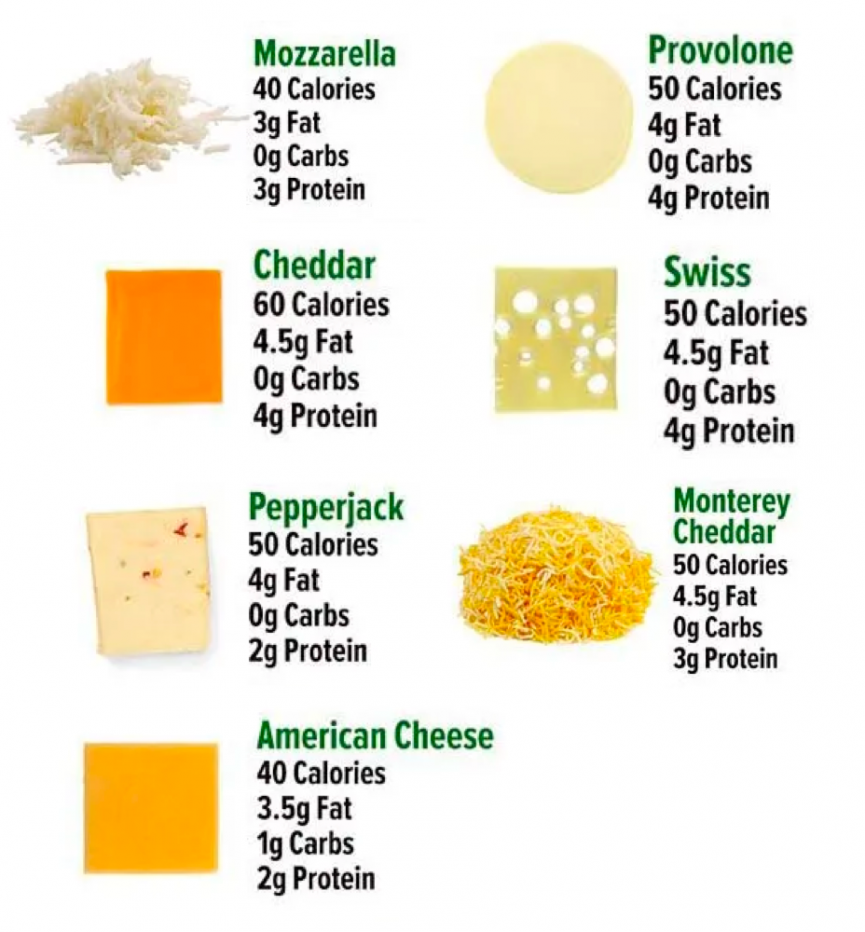
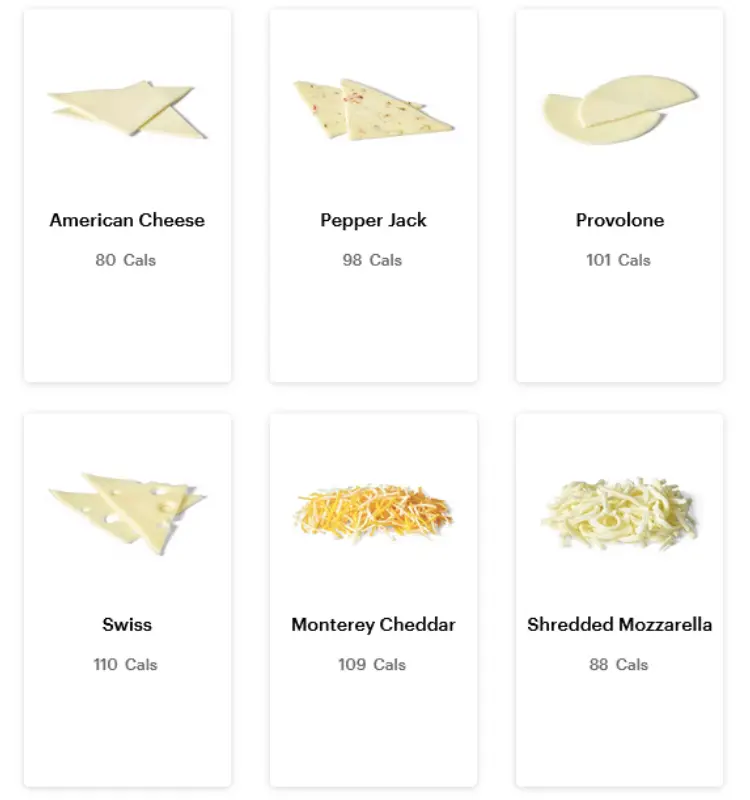
In the 1990s and early 2000s, Subway differentiated itself from burger-centric competitors by emphasizing choice. While competitors offered fixed menu items, Subway offered a canvas. The cheese selection—typically consisting of American, Provolone, Pepper Jack, and Monterey Cheddar—serves as the foundational “flavor anchor” for the sandwich. This variety allows the brand to cater to diverse palates, from those seeking a mild, creamy profile to those desiring a spicy kick.
The Psychology of Choice Architecture
Subway’s brand designers utilize choice architecture to guide consumers through the ordering process. The cheese is usually the second major decision a customer makes, immediately following the choice of bread. This placement is strategic; it establishes the flavor profile of the sandwich before the “heavy lifting” of vegetable and sauce selection begins. By offering a curated list of five to seven cheese varieties, Subway avoids the “paradox of choice,” where too many options lead to consumer fatigue, while still providing enough variety to maintain the “custom-made” brand feel.
A Breakdown of the Core Cheese Portfolio: Consistency Across the Franchise
Subway’s global success is rooted in its ability to maintain brand consistency across more than 37,000 locations. A significant part of this consistency is the “Core Four” or “Core Five” cheeses that are standardized across most North American and international markets.
American Cheese: The Reliable Standard
Processed American cheese is the workhorse of the Subway menu. From a brand perspective, American cheese represents reliability and mass appeal. It is the default choice for children and traditionalists, ensuring that the brand remains accessible to the widest possible demographic. Its high meltability makes it ideal for toasted sandwiches, a key feature Subway has promoted heavily to compete with “hot-sub” rivals.
Provolone: The Sophisticated Classic
Provolone offers a slightly sharper flavor profile and is often marketed as the “gourmet” alternative to American cheese. In the context of brand strategy, Provolone allows Subway to compete with deli-style sandwich shops. It appeals to a more adult demographic and pairs specifically well with the brand’s premium Italian meats, such as salami and pepperoni.
Pepper Jack: Targeting the Adventurous Consumer
As consumer trends shifted toward bolder, spicier flavors in the mid-2010s, Pepper Jack became a staple in the Subway lineup. Infused with jalapeños and habaneros, this cheese selection is a direct response to market research indicating a growing demand for “heat” among millennial and Gen Z diners. By including Pepper Jack, Subway signals that it is a contemporary brand capable of evolving with modern taste preferences.
Monterey Cheddar Blend: The Texture Specialist
The shredded Monterey Cheddar blend is a strategic inclusion designed primarily for texture and visual appeal. Unlike the sliced varieties, the shredded blend covers the meat more evenly and creates a “cheese pull” effect that is highly effective in food photography and social media marketing. This variety is often the go-to for Subway’s “melt” line of sandwiches, highlighting the brand’s focus on the sensory experience of the product.

The “Subway Series” and the Premiumization of Ingredients
In 2022, Subway underwent one of the most significant brand overhauls in its history: the launch of the “Subway Series.” This move represented a shift from total customization to a “chef-inspired” curated menu. The cheese selection played a starring role in this premiumization strategy.
The Introduction of Fresh Mozzarella
The “Eat Fresh Refresh” campaign introduced Fresh Mozzarella to the permanent menu. This was a calculated move to elevate the brand’s perception. Fresh Mozzarella is associated with artisanal pizzerias and high-end Italian eateries. By integrating this ingredient, Subway successfully moved its brand identity several notches up the value chain, justifying higher price points and attracting a more health-conscious, “foodie” audience.
Sharp Cheddar and the Quest for Authenticity
In specific markets and through various limited-time offerings (LTOs), Subway has introduced natural Sharp Cheddar. This addresses a common critique of QSR brands—the use of overly processed ingredients. Offering “real” cheddar reinforces the “Eat Fresh” claim, providing a tangible proof point for the brand’s commitment to quality.
Regional Branding: Adapting the Menu for Global Markets
One of the most fascinating aspects of Subway’s brand strategy is how it adapts its cheese offerings to fit local cultural identities. The “kinds of cheese” a customer finds at Subway depends heavily on the geographic location, demonstrating a sophisticated approach to localized marketing.
The UK and European Markets
In the United Kingdom, the cheese selection often mirrors local favorites, such as Mature Cheddar or Red Leicester. In continental Europe, especially in markets like France or Switzerland, the brand might emphasize Emmental or Gruyère-style cheeses. This localization builds brand trust by showing that the global giant respects and understands the local culinary heritage.
The Indian Market: A Case Study in Brand Pivot
Subway’s entry into India required a massive brand pivot. Because a large portion of the population is vegetarian and does not consume traditional rennet-based cheeses, Subway introduced unique options like Paneer (a firm Indian cottage cheese) and processed cheese slices that are strictly vegetarian-certified. This move was essential for brand survival in a market where cultural and religious dietary restrictions are paramount.
Australia and Oceania: The Halloumi Trend
In Australia, Subway has experimented with Halloumi, reflecting the region’s obsession with Mediterranean flavors and high-protein vegetarian options. By offering Halloumi, Subway Australia positioned itself as a trend-forward brand that is in sync with local “café culture,” further distancing itself from the “cheap fast food” stigma.
Strategic Impact of Ingredient Selection on Brand Loyalty
The diversity of cheese at Subway is not just about flavor; it is about data-driven brand loyalty. Subway’s “Subway Rewards” program tracks which cheese combinations are most popular, allowing the brand to refine its supply chain and marketing efforts.
Driving Repeat Business through “The Perfect Build”
Once a customer identifies their favorite “build”—for example, a Turkey Breast on Hearty Multigrain with Pepper Jack and Honey Mustard—they develop a psychological attachment to that specific flavor profile. The consistency of the cheese variety ensures that the customer gets the exact same experience every time they visit any Subway location globally. This predictability is a cornerstone of brand loyalty in the franchise world.
Operational Excellence as Brand Promise
Finally, the “kinds of cheese” available are a testament to Subway’s operational strategy. Maintaining a inventory of multiple sliced and shredded cheeses across thousands of locations requires a world-class logistics network. When a store has all cheese varieties in stock, it reinforces a brand promise of reliability. Conversely, a “stock-out” of a favorite cheese like Provolone can significantly damage brand equity in the eyes of a loyal customer.
In conclusion, the question of what kinds of cheese Subway has is fundamentally a question of brand identity. Through a core set of standardized options, the introduction of premium ingredients like Fresh Mozzarella, and the careful localization of regional favorites, Subway uses its cheese portfolio to navigate the complex waters of global retail. Each slice of cheese is a calculated component of a broader marketing strategy designed to keep the brand relevant, fresh, and, most importantly, chosen by the consumer.
aViewFromTheCave is a participant in the Amazon Services LLC Associates Program, an affiliate advertising program designed to provide a means for sites to earn advertising fees by advertising and linking to Amazon.com. Amazon, the Amazon logo, AmazonSupply, and the AmazonSupply logo are trademarks of Amazon.com, Inc. or its affiliates. As an Amazon Associate we earn affiliate commissions from qualifying purchases.