
In today’s rapidly evolving professional landscape, your resume is more than just a historical record of your work experience; it’s a dynamic marketing document designed to capture the attention of recruiters and hiring managers. The skills section, in particular, is a critical component, acting as a curated showcase of your capabilities. Given the pervasive influence of technology across all industries, it’s no surprise that a strong emphasis on tech-related skills is paramount for career advancement. This article delves into the types of technical skills you should highlight on your resume to make it stand out and resonate with modern employers. We’ll explore not only the foundational technical proficiencies but also the cutting-edge skills that demonstrate forward-thinking and adaptability.

The Foundational Pillars: Essential Technical Skills for Today’s Professional
While the specific technologies in demand may shift, certain core technical competencies form the bedrock of many successful careers. These are the skills that enable you to perform essential job functions, collaborate effectively, and contribute meaningfully to a team. Neglecting these foundational skills can limit your opportunities, even if you possess more specialized expertise.
Proficiency in Core Software and Applications
Every role, regardless of industry, often requires interaction with fundamental software and applications. This can range from standard office productivity suites to more specialized industry-specific tools. Demonstrating proficiency here indicates your ability to handle day-to-day tasks efficiently.
Productivity Suites (Microsoft Office/Google Workspace)
The ability to expertly navigate and utilize word processing, spreadsheet, and presentation software is a non-negotiable baseline for most professional roles. This includes advanced functions like creating complex formulas in Excel or Google Sheets, designing engaging presentations in PowerPoint or Google Slides, and efficiently managing documents in Word or Google Docs. Listing specific advanced features you’ve mastered, such as pivot tables, macros, mail merge, or advanced slide transitions, can further differentiate you.
Collaboration and Communication Tools
In an increasingly remote and hybrid work environment, mastery of collaboration platforms is crucial. This encompasses real-time communication tools like Slack or Microsoft Teams, project management software such as Asana, Trello, or Jira, and video conferencing platforms like Zoom or Google Meet. Highlighting your ability to use these tools to facilitate seamless teamwork, manage projects effectively, and maintain clear communication lines demonstrates your adaptability to modern work structures.
Operating System Familiarity
While it might seem obvious, indicating your comfort level with different operating systems (Windows, macOS, Linux) can be beneficial, especially for roles that require server management, software development, or IT support. For more specialized roles, mentioning specific distributions of Linux or particular versions of Windows Server can be a strong indicator of relevant experience.
Data Management and Analysis Fundamentals
The ability to interact with, understand, and draw insights from data is becoming indispensable across nearly every sector. Even if your role isn’t directly data-centric, a basic understanding of data principles can significantly enhance your value.
Database Fundamentals
Understanding how data is stored and retrieved is a valuable asset. This could include familiarity with relational databases and SQL (Structured Query Language) for querying and manipulating data. Even if you’re not a database administrator, knowing how to extract relevant information through SQL queries can be a significant advantage in roles involving reporting or analysis.
Spreadsheet Analysis and Visualization
Beyond basic data entry, demonstrating advanced spreadsheet skills for data analysis is highly sought after. This includes creating charts and graphs, performing statistical analysis, and using features like conditional formatting and data validation to derive meaningful insights from datasets. Tools like Tableau or Power BI, even at a basic level, can also be included if you have experience with them.
Basic Understanding of Data Structures and Algorithms
For roles with a more technical leaning, even an introductory understanding of data structures (like arrays, linked lists, trees) and algorithms (like sorting and searching) can signal a solid foundation in computer science principles. This demonstrates a problem-solving mindset and the ability to think computationally.
Embracing the Future: Cutting-Edge and In-Demand Technical Skills
Beyond the foundational elements, the technology landscape is constantly evolving, introducing new tools and methodologies that redefine industries. Highlighting proficiency in these emerging areas signals that you are not only current but also forward-thinking and prepared for future challenges.
Artificial Intelligence and Machine Learning Integration
AI and ML are no longer niche fields; they are increasingly integrated into everyday business operations. Demonstrating awareness and capability in these areas, even at a conceptual level, can set you apart.
AI Literacy and Application
This encompasses understanding the basic principles of AI, recognizing its potential applications within your field, and being able to leverage AI-powered tools. This could include using AI writing assistants, AI-driven data analysis tools, or understanding how AI is used in areas like customer service or marketing automation. Mentioning specific AI tools you are familiar with, such as ChatGPT for content generation or Bard for research, showcases practical application.
Machine Learning Concepts and Tools
For more technically inclined roles, familiarity with ML concepts like supervised and unsupervised learning, common algorithms, and relevant libraries (e.g., Scikit-learn, TensorFlow, PyTorch) is highly valuable. Even if you haven’t built complex models, understanding how to apply pre-trained models or interpret ML outputs can be a significant advantage.
Prompt Engineering
A relatively new but rapidly growing skill is prompt engineering, the art of crafting effective inputs for AI models to achieve desired outputs. If you have experience in this area, whether for creative writing, code generation, or data analysis, it’s a unique and valuable skill to showcase.
Cloud Computing and Cybersecurity Essentials
The digital infrastructure of modern businesses relies heavily on cloud services and robust security measures. Demonstrating competence in these domains is crucial for many roles.
Cloud Platform Familiarity (AWS, Azure, GCP)
Experience with major cloud platforms is highly sought after. This can range from understanding basic cloud concepts like storage, computing, and networking to more specific knowledge of services offered by Amazon Web Services (AWS), Microsoft Azure, or Google Cloud Platform (GCP). Even if your experience is with a specific service (e.g., S3 for storage, EC2 for computing), it’s worth mentioning.
Basic Cybersecurity Principles
In an age of increasing cyber threats, a foundational understanding of cybersecurity is becoming essential for everyone. This includes awareness of common threats (phishing, malware), best practices for data protection, password management, and secure browsing habits. For IT roles, this can extend to understanding firewalls, intrusion detection systems, and vulnerability assessment.
DevOps and CI/CD Concepts
For roles in software development and IT operations, understanding DevOps principles and Continuous Integration/Continuous Deployment (CI/CD) pipelines is key. This demonstrates an ability to streamline development, testing, and deployment processes, leading to faster and more reliable software releases. Familiarity with tools like Docker, Kubernetes, Jenkins, or Git can be powerful additions to your skill set.
Specialized Technical Skills: Tailoring Your Resume to Your Niche
While general technical skills are important, tailoring your resume with specialized competencies that directly align with the requirements of the job and your industry will significantly boost its impact. These are the skills that demonstrate deep expertise and a specific fit for the role.
Programming Languages and Development Frameworks
For roles in software development, web development, data science, and related fields, proficiency in specific programming languages and frameworks is critical.
Core Programming Languages
List the languages you are proficient in, such as Python, Java, JavaScript, C++, C#, Ruby, or Go. Be prepared to elaborate on your experience with each, including the types of projects you’ve worked on and your level of expertise (e.g., beginner, intermediate, expert).
Front-end and Back-end Frameworks
If you specialize in web development, mention relevant frameworks like React, Angular, Vue.js for front-end development, and Node.js, Django, Ruby on Rails, or Spring for back-end development. This demonstrates your ability to build robust and dynamic applications.
Mobile Development Platforms
For roles focused on mobile applications, specify your experience with iOS (Swift, Objective-C) or Android (Kotlin, Java) development.
Data Science and Analytics Tools
The demand for data professionals continues to grow, making skills in this area highly valuable.
Statistical Software and Libraries
Beyond spreadsheet analysis, proficiency in statistical software like R, SPSS, or SAS, and libraries like Pandas and NumPy in Python, is essential for advanced data analysis.
Data Visualization Tools
Tools like Matplotlib, Seaborn, Tableau, or Power BI are crucial for effectively communicating data insights. Highlight your ability to create compelling and informative visualizations.
Big Data Technologies
For roles dealing with massive datasets, familiarity with big data technologies like Hadoop, Spark, or NoSQL databases (e.g., MongoDB, Cassandra) is a significant advantage.
Domain-Specific Software and Technologies
Many industries rely on specific software and technologies that are unique to their operations. Demonstrating expertise here can make you a standout candidate.
Engineering Software (CAD, MATLAB)
For engineering roles, proficiency in Computer-Aided Design (CAD) software like AutoCAD or SolidWorks, or scientific computing environments like MATLAB, is often a requirement.
Design and Multimedia Software (Adobe Creative Suite)
For roles in creative industries, fluency in the Adobe Creative Suite (Photoshop, Illustrator, InDesign, Premiere Pro, After Effects) is standard.
ERP and CRM Systems
For roles in business operations, sales, or customer service, experience with Enterprise Resource Planning (ERP) systems like SAP or Oracle, or Customer Relationship Management (CRM) systems like Salesforce or HubSpot, is highly valuable.
Optimizing Your Skills Section for Impact
Simply listing skills is not enough. To truly leverage your technical expertise, you need to present it strategically. This involves understanding how recruiters and applicant tracking systems (ATS) scan resumes and how to articulate your skills in a way that highlights your value.
Tailor Skills to Each Job Description
The most crucial advice is to meticulously review each job description and tailor your skills section accordingly. Identify keywords and required competencies mentioned in the posting and ensure they are reflected in your resume, provided you possess them. An ATS will often scan for these exact terms.
Use Keywords Effectively
Incorporate industry-standard keywords and jargon where appropriate. This not only helps with ATS but also signals to human reviewers that you understand the language of the field. For example, instead of just “programming,” specify “Python development” or “JavaScript.”
Quantify Your Achievements Whenever Possible
Where appropriate, try to quantify the impact of your technical skills. Instead of saying “Proficient in data analysis,” consider “Analyzed customer data using Python, leading to a 15% increase in targeted marketing campaign effectiveness.” This provides concrete evidence of your capabilities and their business value.
Consider Skill Grouping and Categorization
Organize your skills into logical categories (e.g., Programming Languages, Software Proficiency, Cloud Platforms, Data Analysis). This makes your skills section easy to read and digest. You can use bullet points within these categories for clarity.

Highlight Soft Skills in a Technical Context
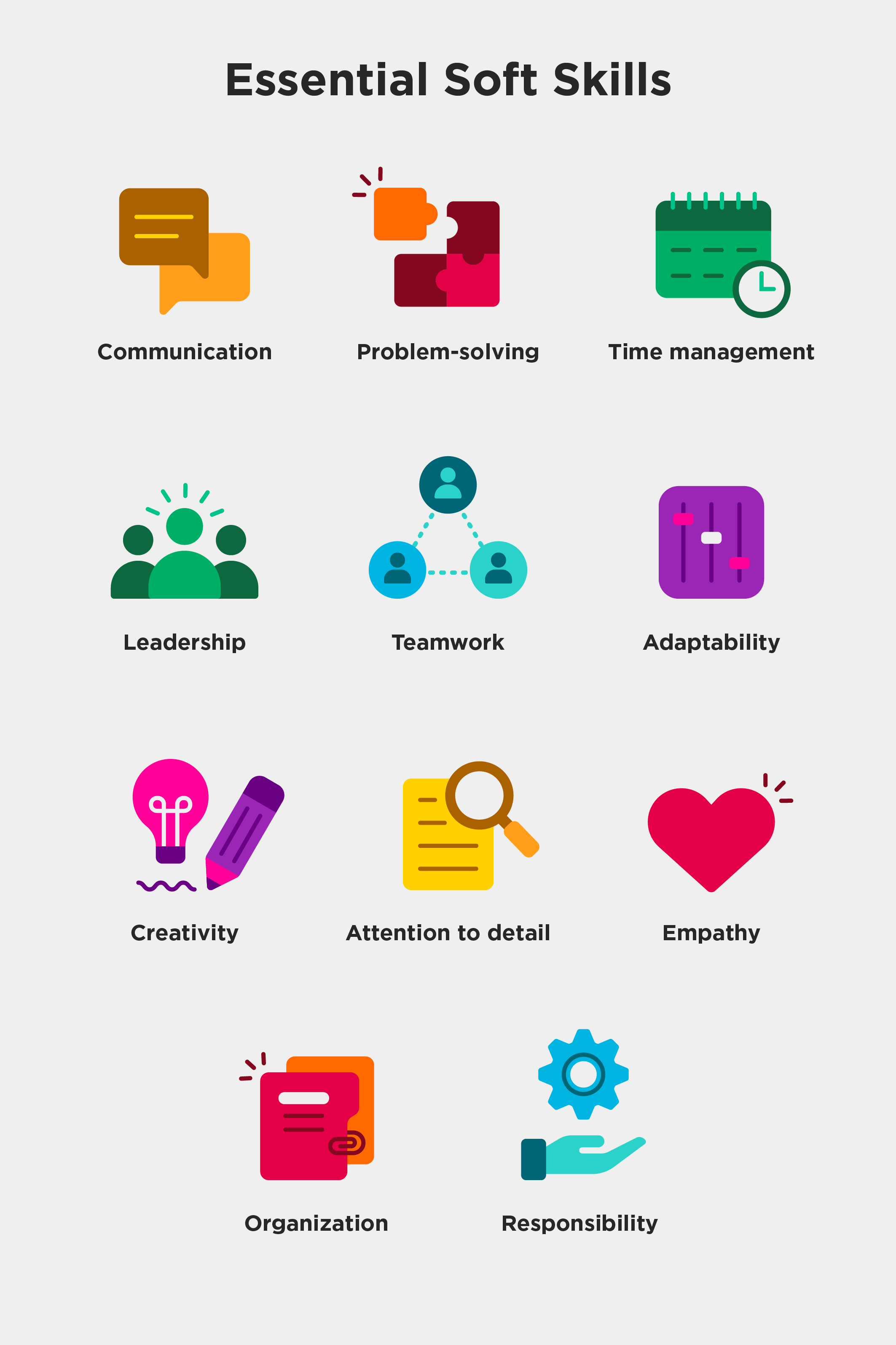
While this article focuses on technical skills, remember that they are often most effective when combined with strong soft skills. For instance, “Problem-solving using Python for software debugging” or “Collaborative development using Agile methodologies and Jira.”
By thoughtfully curating and presenting your technical skills, you transform your resume from a passive document into an active tool that showcases your readiness to contribute and excel in the modern, technologically driven workplace. Remember that continuous learning and updating your skill set are essential for staying relevant and competitive.
aViewFromTheCave is a participant in the Amazon Services LLC Associates Program, an affiliate advertising program designed to provide a means for sites to earn advertising fees by advertising and linking to Amazon.com. Amazon, the Amazon logo, AmazonSupply, and the AmazonSupply logo are trademarks of Amazon.com, Inc. or its affiliates. As an Amazon Associate we earn affiliate commissions from qualifying purchases.