
The Jeep brand stands as one of the most resilient and recognizable examples of corporate identity in the automotive world. When analyzing the brand strategy behind Jeep, it is clear that the company has mastered the art of “heritage marketing.” By maintaining a distinct design language that spans across multiple vehicle segments, Jeep has successfully navigated the transition from a utilitarian wartime necessity to a global lifestyle brand. Understanding the different “kinds” of Jeeps requires looking beyond the engine specifications; it requires an analysis of how each model serves a specific market segment and reinforces the overarching brand promise of freedom, adventure, and authenticity.
The Iconography of Brand Consistency: The Wrangler and the Gladiator
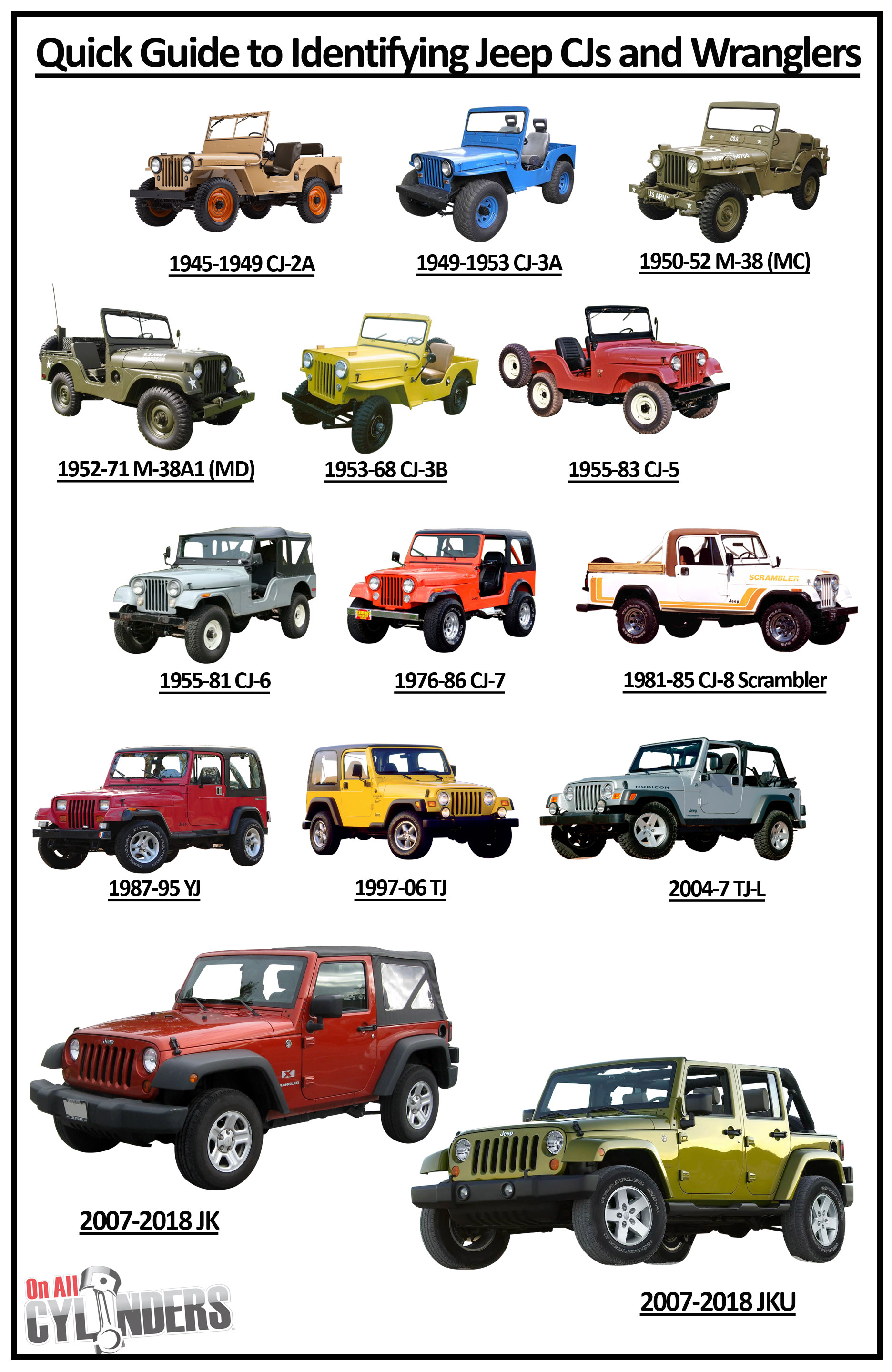
At the core of the Jeep brand identity lies the Wrangler. In marketing terms, the Wrangler is the “anchor product”—the definitive representation of the brand’s DNA. Every brand strategy exercise involving Jeep begins with the Wrangler’s seven-slot grille and round headlights, features that have been carefully preserved to maintain instant brand recognition.
Leveraging Heritage for Modern Appeal
The Wrangler serves as a halo vehicle. It does not need to appeal to every consumer; rather, it needs to symbolize the brand’s commitment to off-road capability. By keeping the design aesthetic rooted in the original Willys MB, Jeep creates a sense of historical continuity. This is a brilliant branding move: it assures consumers that even as the company expands into urban crossovers, the core ethos remains untarnished.
The Gladiator: Expanding the Utility Narrative
The introduction of the Jeep Gladiator was a masterclass in brand extension. By transitioning the Wrangler’s design into a pickup truck chassis, Jeep successfully entered the lucrative mid-sized truck market without alienating its loyal fanbase. From a brand strategy perspective, the Gladiator communicates that the “Jeep lifestyle” can be practical. It effectively bridges the gap between the adventurous trail-seeker and the pragmatic consumer who requires hauling capability, proving that brand identity can be elastic if the core visual codes remain consistent.
The Suburban Pivot: The Grand Cherokee and Cherokee Strategy
While the Wrangler represents the brand’s rugged heritage, the Grand Cherokee and the standard Cherokee are essential for the brand’s financial health and market penetration. These vehicles illustrate Jeep’s ability to pivot toward the “Premium Utility” segment.
Moving Upmarket with the Grand Cherokee
The Grand Cherokee represents the brand’s successful attempt to capture the luxury SUV market. By emphasizing refinement, technology, and interior comfort, Jeep has positioned this model as a direct competitor to high-end European SUVs. In this context, the Jeep logo becomes a symbol of status. The brand strategy here is one of “aspirational utility”—the idea that you can have the adventurous spirit of a Jeep without sacrificing the luxuries of a premium sedan.

Cherokee: The Strategic Middle Ground
The Cherokee serves as the tactical middle ground in the brand portfolio. It is designed to capture the family demographic—consumers who value safety, efficiency, and brand recognition but do not necessarily require the extreme off-road capabilities of the Wrangler. This segment of the brand strategy is crucial for volume. By offering a vehicle that is “Trail Rated” but also “city friendly,” Jeep ensures that it captures a broad cross-section of the automotive market, maintaining relevance across diverse consumer profiles.
Compact Crossover Branding: The Renegade and Compass
As the automotive industry shifted toward compact crossovers, Jeep faced a critical challenge: how to maintain its rugged brand identity in a vehicle class typically associated with urban convenience. The Renegade and the Compass are the primary tools in this strategic effort.
Renegade: The Youthful Brand Entry Point
The Renegade is a study in “personality branding.” It is designed to be accessible, quirky, and youthful. Its design language intentionally exaggerates classic Jeep motifs—such as the X-shaped taillights and the small, hidden icons etched into the plastic trim. This is a deliberate marketing effort to attract a younger demographic who may be buying their first new vehicle. The strategy is to establish brand loyalty early, providing a pathway for the consumer to potentially graduate to a larger, more expensive Jeep model later in life.
Compass: Global Standardization
The Compass represents the standardization of the Jeep experience. It is designed for international markets where brand consistency is key to growth. By consolidating the brand’s visual identity into a package that fits the global demand for compact SUVs, Jeep has successfully exported its identity. The Compass proves that a brand’s core assets—the grille, the badge, and the promise of reliability—can act as a universal language in a globalized automotive market.
The Future of the Brand: Electrification and Strategic Evolution
The evolution of the “kind” of Jeeps available is now heavily influenced by the transition to electric powertrains, branded under the “4xe” moniker. This represents the next phase of the brand’s corporate identity strategy.
Rebranding Sustainability as Capability
Electrification is often a challenge for legacy brands, as it threatens to dilute the traditional “rugged” identity. Jeep’s strategy, however, has been to position hybrid and electric technology as an enhancement to off-road capability. By emphasizing that electric torque provides superior control on technical trails, Jeep has avoided the “soft” label that often plagues hybrid SUVs. This is a sophisticated brand repositioning move: it frames the move to green energy not as a concession, but as a strategic upgrade to the brand’s fundamental promise of adventure.

Maintaining Authenticity in a Digital Age
As the automotive industry moves toward software-defined vehicles, Jeep’s challenge is to ensure that technological advancements do not replace the physical tactile experience of the brand. The “Jeep wave” and the community of owners are intangible assets that the company works hard to cultivate. Through digital marketing, influencer partnerships, and event-based branding, Jeep keeps the emotional component of the brand alive. Whether it is an electric Wrangler or a luxury Wagoneer, the strategy remains the same: ground every product in a narrative of freedom and distinctiveness.
Ultimately, the answer to “what kind of Jeeps are there” is a reflection of a brand that has successfully diversified its offerings while protecting its core visual and psychological assets. By carefully balancing heritage models with innovative, market-specific entries, Jeep remains a masterclass in how to sustain a powerful brand identity through decades of technological and cultural change. Every Jeep, regardless of its size, price point, or engine type, is designed to be a distinct manifestation of the same foundational brand strategy: to offer the consumer a vehicle that stands apart from the homogenized automotive landscape.
aViewFromTheCave is a participant in the Amazon Services LLC Associates Program, an affiliate advertising program designed to provide a means for sites to earn advertising fees by advertising and linking to Amazon.com. Amazon, the Amazon logo, AmazonSupply, and the AmazonSupply logo are trademarks of Amazon.com, Inc. or its affiliates. As an Amazon Associate we earn affiliate commissions from qualifying purchases.