
String cheese, a seemingly simple dairy product, holds a surprisingly complex position within the food industry. Beyond its immediate identity as a convenient snack, understanding “what kind of cheese is string cheese” requires delving into its origins, the specific cheese varieties it embodies, and crucially, the branding and marketing strategies that have propelled it to household staple status. This analysis will dissect string cheese not just as a culinary item, but as a successful brand that has carved out a significant niche in the competitive dairy market.
The Genesis of a Snack: From Traditional Cheese to Market Innovation
The concept of stretching and forming cheese into pliable strands is not entirely new, but its modern iteration as “string cheese” is a testament to clever product development and targeted marketing. To understand its branding, we must first appreciate its foundational cheese types and how they were adapted for mass appeal.
The Dairy Foundation: Mozzarella and Provolone as Archetypes
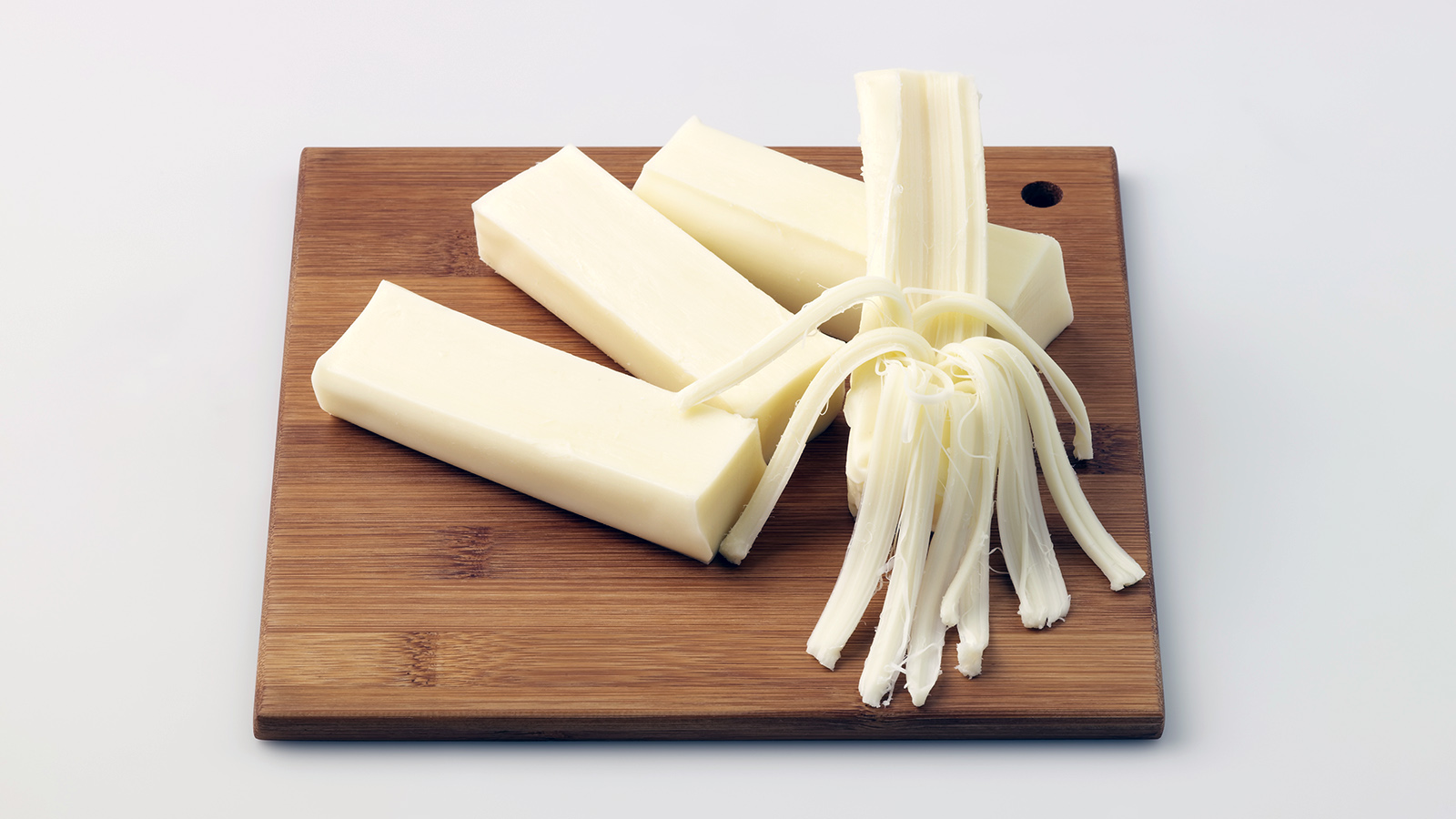
At its core, string cheese is predominantly derived from low-moisture, part-skim mozzarella. This choice is not arbitrary; mozzarella possesses a unique protein structure that, when heated and stretched, creates the characteristic “stringy” texture. The curd is cooked and then kneaded, allowing the protein strands to align, resulting in the fibers that define string cheese.
Historically, the art of making mozzarella, particularly for applications like pizza, involved achieving a specific meltability and stretch. This inherent quality made it a prime candidate for reimagining. While mozzarella is the undisputed king of string cheese, some varieties also incorporate provolone. Provolone, an Italian semi-hard cheese, shares a similar elasticity when heated due to its aging process and rennet usage. When blended with mozzarella, provolone can add a slightly sharper, nuttier flavor profile, expanding the taste spectrum of string cheese without compromising its core textural appeal.
The branding opportunity here lies in leveraging the familiar comfort and mildness of mozzarella, while offering variations that appeal to slightly more discerning palates. This duality allows string cheese to cater to a broad demographic, from children seeking a simple, enjoyable snack to adults looking for a more nuanced dairy option. The “what kind of cheese” question, therefore, has a dual answer: primarily mozzarella, often with a hint of provolone, but crucially, marketed as a distinct product category.
The Evolution from Bulk to Individually Wrapped Portions
The transformation of string cheese from a generic cheese product into a branded phenomenon is inextricably linked to its packaging and distribution. Originally, cheese was often sold in larger blocks or bulk forms. The innovation of individually wrapping cheese sticks was a game-changer, and it’s here that branding truly began to take root.
The individual wrapping served multiple purposes, all of which are critical to its brand success. Firstly, it ensured hygiene and freshness, a paramount concern for food products. This translated into a perception of quality and safety. Secondly, it facilitated portability and convenience. No longer did consumers need to slice or portion cheese; it was ready to go, making it an ideal snack for lunchboxes, gym bags, and on-the-go consumption. This convenience factor became a cornerstone of its brand messaging.
The branding of string cheese heavily relies on this convenience narrative. It’s positioned as the “no-mess,” “easy-to-eat” cheese that fits seamlessly into busy lifestyles. This strategic focus on user benefit, rather than solely on the intrinsic qualities of the cheese itself, is a classic branding maneuver. By solving a practical problem for consumers – how to enjoy cheese conveniently and cleanly – string cheese manufacturers built a powerful brand association.
Branding String Cheese: Crafting an Identity for the Modern Consumer
The success of string cheese as a branded product is a masterclass in understanding consumer needs and translating them into tangible product attributes and compelling marketing narratives. Its brand identity is built on a foundation of simplicity, wholesomeness, and playful accessibility.
The “Snackable” Identity: Convenience as a Core Value Proposition
The primary brand identity of string cheese is that of a convenient, on-the-go snack. This is reinforced across all marketing touchpoints. The name “string cheese” itself is descriptive and evocative, hinting at the playful way it can be consumed. The individual wrapping, as discussed, is a physical manifestation of this convenience.

The target audience for string cheese is broad, but a significant segment includes parents seeking healthy and appealing snack options for their children. For this demographic, string cheese represents a guilt-free indulgence – it’s protein-rich, calcium-fortified, and a welcome alternative to less nutritious snacks. The branding often highlights these nutritional benefits in a straightforward, accessible manner.
Beyond children, busy professionals and students also embrace string cheese for its no-fuss nature. It’s a quick energy boost that requires no preparation and leaves minimal mess. This “snackable” identity is central to its enduring appeal and has been consistently reinforced through packaging design, advertising campaigns, and product placement. The brand doesn’t need to explain what string cheese is; its name and form communicate its primary function.
Visual Cues and Packaging: Reinforcing the Brand Message
The visual branding of string cheese is crucial in communicating its identity. While specific brands have their own unique aesthetics, common themes emerge:
- Color Palette: Often featuring bright, appealing colors associated with freshness and dairy, such as blues, whites, and greens. This evokes a sense of purity and natural goodness.
- Typography: Simple, clear fonts are typically used, emphasizing readability and accessibility. Complex or overly sophisticated typography would clash with the brand’s straightforward appeal.
- Imagery: Packaging often features images of happy families, children enjoying snacks, or wholesome dairy farms. These visuals reinforce the themes of health, happiness, and natural origin.
- The “Peel and Pull” Visual: Many campaigns and packaging designs will subtly or overtly showcase the act of peeling and pulling the cheese apart. This visual is iconic and immediately recognizable, reinforcing the product’s unique texture and interactive nature.
The consistent application of these visual cues across different brands of string cheese has helped to solidify a collective brand identity. Even when purchasing from a different manufacturer, consumers often have a pre-existing understanding of what “string cheese” represents, a testament to the power of cohesive branding. The brand’s ability to communicate its core value proposition through these visual elements is a key factor in its market penetration.
Market Positioning and Competitive Landscape: Securing a Niche
String cheese has successfully navigated the competitive dairy market by carving out a distinct niche and maintaining a consistent brand promise. Its positioning is not about being the most artisanal or gourmet cheese, but about being the most accessible, convenient, and reliably enjoyable cheese snack.
The “Everyday” Cheese: Accessibility and Affordability
String cheese is positioned as an everyday cheese. It’s not a special occasion indulgence; it’s a staple found in refrigerators across the country. This accessibility is driven by several factors, all of which contribute to its brand positioning:
- Affordability: Compared to many specialty cheeses, string cheese is relatively inexpensive, making it a budget-friendly option for families and individuals. This broadens its appeal and ensures it can be a regular purchase.
- Widespread Availability: String cheese is available in virtually every supermarket, convenience store, and even many vending machines. This ubiquity makes it easy for consumers to find and purchase, reinforcing its status as an everyday item.
- Versatility (within its niche): While its primary use is as a snack, it can also be incorporated into simple meals or used as a topping for some dishes. This versatility, within its defined boundaries, adds to its everyday appeal without diluting its core identity.
The brand’s strategy here is not to compete with high-end cheeses on complexity or rarity, but to win on reliability, consistency, and value. This has allowed it to build a loyal customer base who know exactly what they are getting.

Differentiation in a Crowded Market: Beyond the Basic Stick
While the core concept of string cheese is relatively uniform, brands have found ways to differentiate themselves and maintain relevance in a crowded market. This differentiation often focuses on subtle variations and marketing nuances:
- Flavor Variations: Beyond the classic, brands have introduced flavors like cheddar, Colby Jack, and even spicy varieties. These innovations cater to a wider range of taste preferences and offer consumers a reason to explore different options within the string cheese category.
- “Premium” or “Artisanal” Angles (subtle): Some brands might emphasize their sourcing of milk or a slightly longer aging process for their mozzarella, hinting at a higher quality without alienating their core audience. This can be a subtle way to attract consumers looking for a slightly more elevated experience.
- Health-Focused Messaging: Brands increasingly highlight attributes like “no artificial growth hormones” or “good source of protein,” aligning with growing consumer interest in health and wellness. This allows them to tap into current trends and appeal to health-conscious consumers.
- Novelty and Fun Packaging: For the children’s market, brands often create playful packaging with characters, bright designs, or even multi-packs with different characters. This adds an element of fun and encourages brand loyalty from a young age.
These differentiation strategies, while seemingly minor, are crucial for brands to stand out and capture market share. They allow string cheese to evolve beyond its basic definition while still retaining the core attributes that consumers expect and value. The question “what kind of cheese is string cheese” can therefore lead to answers that include not just the base ingredients but also the nuanced brand choices that shape its market perception.
In conclusion, string cheese is more than just mozzarella in a stick. It is a carefully cultivated brand that leverages the intrinsic qualities of its base cheese with astute marketing and product development. Its success lies in its ability to offer a simple, convenient, and wholesome snack option that resonates with a broad consumer base. The branding of string cheese is a prime example of how a product’s identity can be built around user benefits, consistent messaging, and strategic market positioning, solidifying its place as a beloved staple in the dairy aisle.
aViewFromTheCave is a participant in the Amazon Services LLC Associates Program, an affiliate advertising program designed to provide a means for sites to earn advertising fees by advertising and linking to Amazon.com. Amazon, the Amazon logo, AmazonSupply, and the AmazonSupply logo are trademarks of Amazon.com, Inc. or its affiliates. As an Amazon Associate we earn affiliate commissions from qualifying purchases.