
The modern bicycle has evolved far beyond its humble beginnings as a simple mechanical assembly of steel tubes and rubber tires. For the contemporary traveler, the question “what kind of bike can I use for the trip” is no longer just about frame geometry or pannier capacity; it is increasingly a question of technological integration, data processing, and hardware-software synergy. As we enter an era where cycling intersects with the Internet of Things (IoT), artificial intelligence, and advanced materials science, choosing the right bike for a journey involves evaluating a complex “tech stack” that sits between the rider and the road.
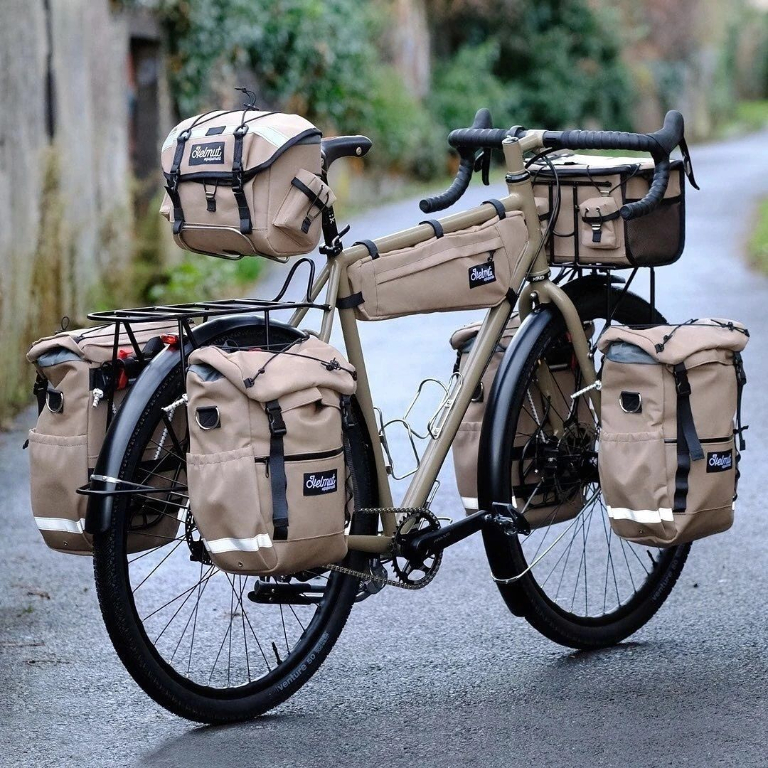
Whether you are planning a cross-continental tour or a high-efficiency urban commute, the technology embedded within your vehicle will dictate your range, your safety, and your ability to navigate unfamiliar terrains. This guide explores the technological landscape of modern bicycles, focusing on the software and hardware innovations that define the best choices for various expeditions.
The Evolution of the E-Bike: Performance and Battery Intelligence
The most significant technological shift in the cycling world over the last decade is the maturation of the Electric Bike (E-bike). For a long-distance trip, the “tech” inside the motor and battery is the single most important factor in determining the feasibility of your journey.
Mid-Drive vs. Hub Motors: The Engineering Behind the Power
Choosing the right bike for a trip requires an understanding of motor architecture. Hub motors, located in the wheel’s center, are common in budget-friendly models but lack the sophisticated torque sensors found in mid-drive systems. For serious expeditions, mid-drive motors (positioned at the pedals) represent the pinnacle of cycling tech. These systems use complex algorithms to measure rider input, cadence, and speed, providing a “natural” assist that optimizes battery consumption. High-end brands like Bosch and Shimano employ sensors that sample data over 1,000 times per second, ensuring that the power delivery is seamless and efficient—a critical tech feature when navigating steep mountain passes or heavy headwinds.
Smart Battery Management Systems (BMS) and Range Optimization
The “range anxiety” often associated with electric trips is being mitigated by Smart Battery Management Systems (BMS). Modern expedition bikes feature batteries with high energy density, but the real technology lies in the software. A sophisticated BMS monitors the health of individual cells, regulates temperature, and optimizes discharge cycles to ensure longevity. Furthermore, many high-tech bikes now offer “range extenders”—external battery packs that communicate with the primary system to manage power draw dynamically. When selecting a bike for a trip, the ability to interface with a mobile app to customize power output levels (Eco, Tour, Sport, Turbo) allows the rider to engineer their own energy efficiency based on real-time topographical data.
Smart Connectivity and Integrated Navigation Systems
The days of taping a paper map to the handlebars are over. The modern expedition bike is a node in a digital network, offering connectivity features that rival high-end automobiles.
The Rise of the Connected Cockpit: HUDs and Integrated Displays
When selecting a bike for a significant trip, the “cockpit” technology is your primary interface. We are seeing a shift from basic LCD screens to integrated, high-resolution color displays that act as the bike’s brain. These units provide more than just speed; they offer turn-by-turn GPS navigation, altitude profiles, and weather alerts. Some cutting-edge models even feature Heads-Up Displays (HUDs) or integration with smart eyewear, allowing riders to see navigation prompts and performance metrics without taking their eyes off the road. This integration of GIS (Geographic Information System) technology directly into the bike’s hardware ensures that navigation is resilient even in areas with poor cellular reception.
IoT and Anti-Theft GPS Tracking
For any traveler, the security of their vehicle is a paramount concern. Tech-heavy bikes now come equipped with internal GPS modules and cellular SIM cards that remain active even when the bike is powered down. This Internet of Things (IoT) integration allows for “Geofencing”—a digital perimeter that alerts your smartphone if the bike moves outside a designated area. In the event of theft, these bikes can be tracked in real-time across the globe. Some systems even include a “digital lockdown” feature, where the motor can be remotely disabled via an app, rendering the bike useless to a thief. This level of digital security is a crucial consideration when choosing a bike for international travel.

Drivetrain Innovation: Electronic Shifting and Wireless Gear Control
The mechanical cable is rapidly becoming a legacy technology in the world of high-performance trekking and touring bikes. The shift toward electronic drivetrains has revolutionized how we interact with the bike’s transmission.
Precision Performance: The Shift from Cables to Digital Signals
Systems like Shimano’s Di2 or SRAM’s eTap AXS replace traditional steel cables with wires or wireless signals. For the long-distance traveler, this is not just a luxury; it is a significant technological advantage. Electronic shifting is impervious to “cable stretch” or contamination from mud and grit, which are common issues on long trips. The precision of a digital signal ensures that every shift is perfect, reducing wear on the chain and cassette. Furthermore, wireless systems simplify the bike’s architecture, making it easier to pack for air travel or transport, as there are no sensitive shift cables to kink or snap.
Customization via Mobile Apps: Tuning Your Ride
The most “tech-forward” aspect of modern drivetrains is the ability to customize shifting logic via a smartphone. Riders can program “sequential shifting,” where the bike automatically manages the front derailleur to maintain a smooth gear progression, or “multishift” speeds to suit their riding style. This data-driven approach to mechanical hardware allows a rider to “tune” their bike’s performance for the specific terrain of their trip—whether that means tight gear ratios for flat coastal roads or wide-range optimization for Alpine climbs.
Safety Tech and Environmental Awareness Sensors
Safety technology has migrated from the automotive industry to the cycling world, providing riders with an “invisible shield” of data-driven protection.
Varia Radar and Rear-Facing Proximity Sensors
One of the most impressive gadgets for a touring bike is the rear-facing radar system. Devices like the Garmin Varia integrate with the bike’s head unit or the rider’s smartphone to provide visual and audible alerts for vehicles approaching from behind. The radar can detect multiple vehicles at distances of up to 140 meters, identifying their speed and distance. For a solo traveler on a busy highway, this technology provides a level of situational awareness that mirrors can never match, using wave technology to “see” what the human eye might miss.
Impact Detection and Emergency Response Integration
Modern smart helmets and bike computers now feature integrated accelerometers and gyroscopes designed for incident detection. If the bike’s sensors detect a high-G impact followed by a lack of movement, the system can automatically initiate an emergency protocol. Using the paired smartphone’s cellular connection, the bike sends a distress signal with precise GPS coordinates to emergency contacts. This integration of sensor hardware and communication software is a literal lifesaver for those venturing into remote areas where an accident might otherwise go unnoticed for hours.
Making the Choice: Matching Tech Specs to Your Journey Goals
Ultimately, the “kind of bike” you should use for your trip depends on the “tech stack” that best supports your objectives.

Urban Commuting vs. Remote Touring: Selecting Your Tech Stack
If your trip is a fast-paced urban commute, your priority should be connectivity and security tech. Look for a bike with integrated lighting, IoT tracking, and a robust mid-drive motor for stop-and-go traffic. Conversely, if your trip involves remote, multi-day touring, your focus should be on energy density and hardware reliability. You may opt for a bike with dual-battery capability and electronic shifting that can be recharged via a solar hub.
As we look toward the future, the distinction between a bicycle and a smart device will continue to blur. The right bike for your trip is no longer just a frame and two wheels; it is a sophisticated piece of mobile technology designed to optimize your performance, ensure your safety, and connect you to the digital world. By prioritizing the right technological features—from BMS intelligence to radar-driven safety—you can ensure that your vehicle is not just a mode of transport, but a high-performance partner in your journey.
aViewFromTheCave is a participant in the Amazon Services LLC Associates Program, an affiliate advertising program designed to provide a means for sites to earn advertising fees by advertising and linking to Amazon.com. Amazon, the Amazon logo, AmazonSupply, and the AmazonSupply logo are trademarks of Amazon.com, Inc. or its affiliates. As an Amazon Associate we earn affiliate commissions from qualifying purchases.