
The question “What job am I best suited for?” is one that resonates deeply with nearly everyone at some point in their professional life. It’s a fundamental query that transcends mere job titles and salary figures, touching upon our deepest desires for purpose, fulfillment, and impact. In an increasingly dynamic and competitive job market, simply listing skills on a resume is no longer sufficient. Finding your true career fit is an intricate process of self-discovery, strategic positioning, and, fundamentally, personal branding.
Your personal brand is not just a fancy marketing term; it’s the unique combination of skills, experiences, values, and personality that you present to the world. It’s the promise of value you deliver, the consistent narrative that defines who you are professionally, and ultimately, why you are the ideal candidate for a particular role or a valuable contributor to a specific organization. When you align your authentic personal brand with the right career path, work ceases to be merely a means to an end and transforms into a source of profound satisfaction and sustained growth. This article will guide you through the process of uncovering, articulating, and leveraging your personal brand to pinpoint the career you are truly best suited for.

Understanding Your Core Brand Identity: The Foundation of Career Fit
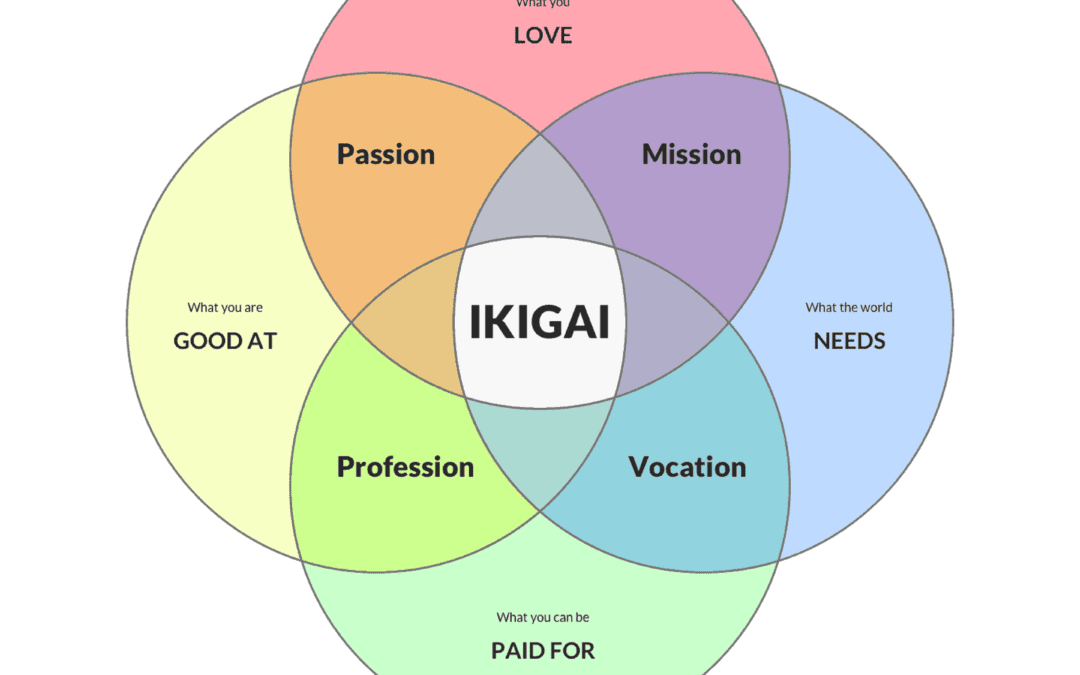
Before you can effectively market yourself or even identify potential career paths, you must first understand the core of who you are professionally. This involves a deep dive into your intrinsic motivations, innate talents, and preferred ways of working. Your core brand identity is the bedrock upon which all your career decisions should be built.
Values, Passions, and Purpose: Your Internal Compass
At the heart of your personal brand lie your core values. These are the fundamental beliefs that guide your actions and decisions, shaping your priorities and influencing what you seek in a workplace. For instance, if innovation and creativity are paramount values, a highly bureaucratic or tradition-bound environment might stifle you, regardless of the job title. Conversely, if stability and security are your driving forces, a volatile startup might be a source of stress rather than excitement. Take time to list your top 3-5 non-negotiable values (e.g., collaboration, autonomy, social impact, challenge, learning, work-life balance) and reflect on how they manifest in your professional life.
Beyond values, consider your passions – not just hobbies, but activities or subjects that genuinely ignite your enthusiasm and curiosity. While not every passion can become a job, understanding what energizes you can point towards industries, roles, or types of problems you’d love to solve. Your purpose, distinct from a job description, is the ultimate impact you wish to make or the legacy you aspire to leave. Do you want to empower others, solve complex problems, create beauty, or foster connection? Identifying your purpose provides a North Star for your career journey, helping you filter opportunities that align with your broader mission.
Strengths and Skills Audit: What You Do Best
A comprehensive audit of your strengths and skills goes beyond merely listing technical proficiencies. It involves recognizing both your hard skills (measurable, role-specific abilities like coding, financial modeling, graphic design) and your soft skills (transferable attributes such as leadership, critical thinking, communication, adaptability, emotional intelligence). Often, it’s the combination of specific hard skills applied through powerful soft skills that creates a truly unique value proposition.
To conduct this audit effectively, solicit feedback from trusted colleagues, mentors, and even friends – they often see strengths in you that you take for granted. Utilize self-assessment tools, but critically evaluate their relevance to real-world scenarios. Pay particular attention to your transferable skills, as these are the ones that allow you to pivot between industries or roles. For example, a project manager in construction possesses strong organizational and problem-solving skills that are highly valuable in tech, healthcare, or any sector requiring complex project execution. Understanding what you genuinely excel at forms a crucial part of your brand narrative.
Personality and Work Style: Where You Thrive
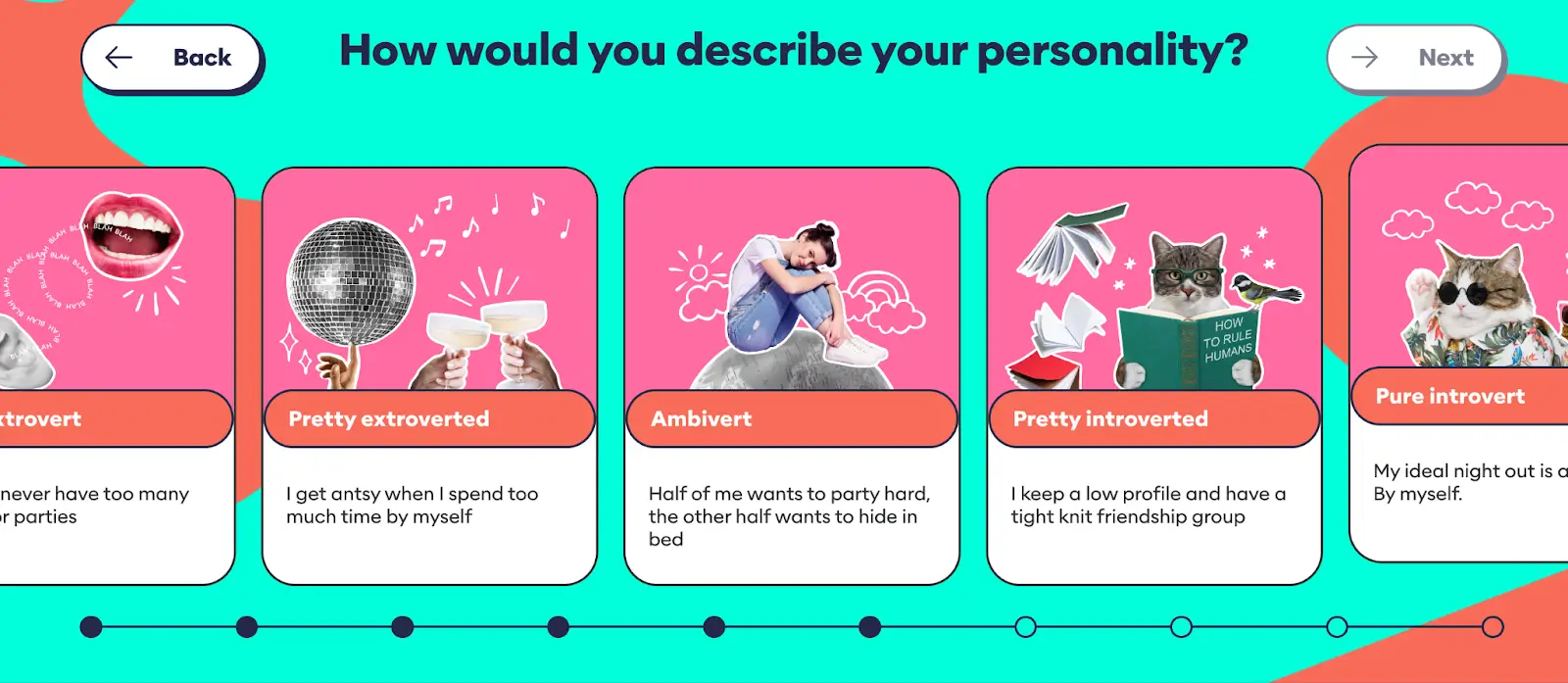
Your personality and preferred work style significantly influence the type of environment and role where you will not only succeed but also feel energized. Are you an introvert who thrives on independent, deep work, or an extrovert who gains energy from constant collaboration and social interaction? Do you prefer a structured, predictable routine, or do you flourish in fast-paced, ambiguous, and rapidly changing environments? Are you a natural leader, a meticulous detail-oriented executor, or an innovative big-picture thinker?
Consider your comfort level with risk, your preferred communication methods, and your approach to problem-solving. Different company cultures—from agile startups to established corporations, non-profits, or government agencies—cater to distinct personality types and work styles. A mismatch here can lead to burnout and dissatisfaction, even if the job description seems perfect. Reflect on past roles or projects where you felt most engaged and productive, and identify the common threads in those experiences regarding the environment and team dynamics.
Articulating Your Personal Brand: Marketing Yourself Authentically
Once you have a clear understanding of your core brand identity, the next critical step is to articulate it effectively. This involves translating your self-discoveries into a compelling narrative that showcases your unique value to potential employers, collaborators, or clients. This is where personal branding truly becomes a strategic marketing exercise.
Crafting Your Unique Value Proposition (UVP): Why You?
Your Unique Value Proposition (UVP) is a concise statement that explains what makes you unique and why someone should choose to work with you. It answers the fundamental question: “What specific problem do I solve, or what unique benefit do I provide?” This isn’t just for entrepreneurs; every professional needs a UVP. It distills your core strengths, values, and skills into a powerful, memorable promise.
For example, instead of saying, “I’m a marketing professional,” your UVP might be: “I help tech startups translate complex product features into compelling, customer-centric narratives that drive accelerated user acquisition.” This statement immediately communicates your target audience, your specific skill set (narrative creation), and the tangible outcome you deliver (accelerated user acquisition). Your UVP should be clear, relevant to your target audience, and highlight what differentiates you from others. It should be flexible enough to be tailored slightly for different roles or industries but always rooted in your authentic brand.
Developing Your Brand Narrative: Telling Your Story
Beyond a succinct UVP, you need a compelling brand narrative – a story that illustrates your journey, aspirations, and the impact you’ve made. This moves beyond bullet points on a resume to create an emotional connection and provides context for your experiences. Your narrative should explain why you’ve made certain career choices, how you’ve overcome challenges, and what drives your professional ambitions.
Use anecdotes and specific examples to bring your story to life. For instance, if collaboration is a core value, share a story about a complex project where your ability to unite diverse teams led to a significant breakthrough. Consistency is key here; your narrative should be woven through your LinkedIn profile, interview responses, networking conversations, and even your personal website or portfolio. A well-crafted narrative makes you memorable and helps others understand your authentic self and the unique value you offer.
Visual and Digital Presence: Your Online Persona
In today’s digital age, your online presence is often the first impression you make, acting as a direct extension of your personal brand. This encompasses everything from your professional headshot to the content you share and the interactions you engage in across various platforms. A professional and consistent visual and digital presence reinforces your brand narrative and UVP.
Ensure your LinkedIn profile is fully optimized, reflecting your UVP and narrative with a professional photo, a compelling headline, and a summary that tells your story. Curate the content you share and engage with online – does it align with your expertise, values, and professional aspirations? Consider a personal website or online portfolio if your field benefits from showcasing work (e.g., design, writing, development). A strong digital footprint doesn’t just display your qualifications; it demonstrates your thought leadership, passion, and commitment to your chosen field, validating your personal brand before you even step into an interview room.
Identifying Career Paths that Resonate with Your Brand
With a solid understanding and articulation of your personal brand, you can now strategically identify and evaluate career paths that genuinely align with who you are. This stage is about moving from self-reflection to active exploration, ensuring that your external opportunities match your internal compass.
Industry and Company Culture Alignment
The industry you choose and the company culture within it are just as crucial as the specific job role itself. An industry that aligns with your core values and passions will provide a more fulfilling long-term trajectory. For example, if impact and sustainability are key, exploring roles in renewable energy, non-profits, or ethical consumption brands might be more satisfying than a purely profit-driven sector. Researching industries involves understanding their trends, challenges, and future outlook, ensuring they resonate with your long-term vision.
Equally important is company culture. A company’s culture is its personality – the shared values, beliefs, practices, and attitudes that characterize its employees and guide their behavior. Does a company’s emphasis on innovation, hierarchy, work-life balance, or social responsibility match your preferred work style and values? Utilize company review sites, professional networks, and especially informational interviews to gain authentic insights into the cultural nuances of potential employers. A strong cultural fit ensures that your personal brand can truly thrive within the organizational ecosystem.
Role and Responsibility Mapping: Beyond the Title
It’s easy to get caught up in attractive job titles, but the real measure of suitability lies in the day-to-day responsibilities and tasks of a role. Look beyond the generic title and delve into the specifics of what the job entails. Which tasks will you be performing most often? Which skills will you be utilizing? Will the role provide opportunities for growth and learning in areas that align with your personal brand evolution?
Map out the activities that energize you versus those that drain you. If you love strategic planning but despise routine administrative tasks, seek roles with a higher proportion of the former. Consider the balance between individual contribution and team collaboration, the level of autonomy offered, and the nature of the challenges you’ll face. An in-depth analysis of responsibilities helps ensure that the actual work aligns with your strengths, interests, and desired impact, validating the fit between your brand and the role’s demands.
The Power of Prototyping: Testing Your Brand in Action
Sometimes, the best way to discover if a job is truly suited for you is to “test drive” it. Prototyping allows you to gain real-world experience and insight into different career paths without the full commitment of a permanent role. This can take various forms, offering low-risk ways to validate your assumptions about career fit.
Consider internships, volunteer positions, freelance projects, or even side hustles that allow you to explore a new industry, role, or skill set. For example, if you’re considering a pivot into UX design, taking on a small freelance project for a non-profit can provide invaluable practical experience and help you build a portfolio, all while testing if the daily work truly excites you. These experiences not only provide clarity on your suitability but also enhance your personal brand by demonstrating initiative, adaptability, and a genuine commitment to exploring new horizons. Each prototype refines your understanding of what you truly enjoy and excel at, strengthening your brand’s authenticity.
The Dynamic Nature of Your Personal Brand and Career
Your personal brand, much like the professional landscape, is not static. It is a living, evolving entity that requires continuous nurturing, adaptation, and strategic evolution. Recognizing this dynamism is key to long-term career satisfaction and ensuring you remain ‘best suited’ for future opportunities.
Continuous Learning and Skill Evolution
The professional world is in a constant state of flux, driven by technological advancements, economic shifts, and changing societal needs. To remain relevant and continuously aligned with promising career paths, your personal brand must incorporate a commitment to continuous learning and skill evolution. This means staying abreast of industry trends, proactively acquiring new knowledge, and honing both your hard and soft skills.
Whether through online courses, professional certifications, workshops, or self-directed study, upskilling and reskilling are vital. For instance, if your brand is centered on marketing, learning about AI-driven analytics or new social media algorithms is essential to maintaining your expertise and value. Your willingness to learn and adapt becomes a core tenet of your brand, signaling to the market that you are forward-thinking and resilient. This proactive approach ensures your brand evolves with the times, opening doors to new and emerging roles you might be best suited for.
Adapting Your Brand for Career Pivots
Life circumstances, evolving interests, or market demands might lead you to consider a significant career pivot. Rebranding yourself for a new industry or role requires a strategic approach that highlights transferable skills and articulates a new, yet authentic, value proposition. This is where a strong understanding of your core brand identity becomes indispensable.
Instead of presenting yourself as starting from scratch, frame your past experiences as foundational building blocks for your new direction. Identify the underlying skills that are universally valuable – project management, problem-solving, communication, leadership – and demonstrate how they apply to your desired field. Your brand narrative should seamlessly connect your past journey with your future aspirations, explaining why this pivot is a logical and passionate step for you. Leverage your network to gain insights into your target industry and secure opportunities that might not be openly advertised, ensuring your re-aligned brand gets the visibility it deserves.
Building and Nurturing Your Network: Your Brand Ambassadors
Your professional network is an invaluable asset in identifying career opportunities and validating your personal brand. These individuals – mentors, former colleagues, industry peers, and even clients – serve as your brand ambassadors, vouching for your skills, character, and potential. A strong network provides insights into company cultures, unadvertised roles, and general industry shifts, helping you identify areas where your brand might best fit.
Actively engage with your network by offering value, sharing insights, and fostering genuine relationships, rather than only reaching out when you need something. Seek out mentors who have traversed paths you aspire to, and consider becoming a mentor yourself to reinforce your expertise. The stronger your network, the more robust and far-reaching your personal brand will be, opening doors and creating opportunities that truly align with who you are and what you aim to achieve professionally.
Finding the job you are best suited for is an iterative, ongoing process that is deeply intertwined with the development and strategic management of your personal brand. It requires courageous self-reflection, a clear articulation of your unique value, and a proactive approach to exploring and prototyping career paths. By understanding your core identity, consistently marketing your authentic self, and continuously evolving your brand, you empower yourself to not just find a job, but to craft a career that is genuinely fulfilling, impactful, and perfectly aligned with who you are destined to be. Take ownership of your narrative, embrace your unique brand, and confidently navigate your professional journey.
aViewFromTheCave is a participant in the Amazon Services LLC Associates Program, an affiliate advertising program designed to provide a means for sites to earn advertising fees by advertising and linking to Amazon.com. Amazon, the Amazon logo, AmazonSupply, and the AmazonSupply logo are trademarks of Amazon.com, Inc. or its affiliates. As an Amazon Associate we earn affiliate commissions from qualifying purchases.