
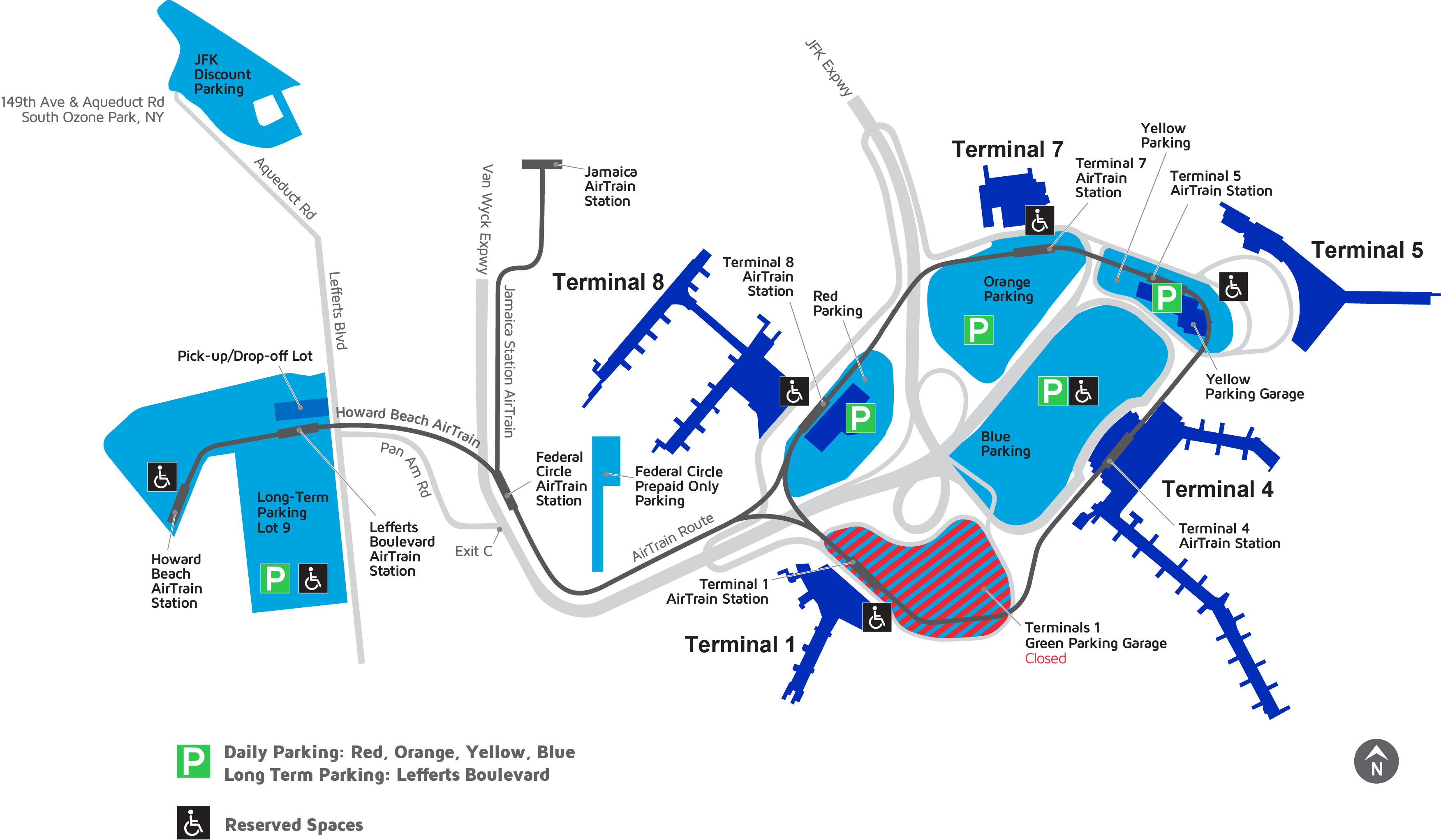
In the hyper-competitive landscape of global aviation, a brand is defined by much more than its logo or the livery on its aircraft. For a legacy carrier like American Airlines (AA), the physical environment in which it interacts with its customers serves as a primary touchpoint for brand identity and corporate strategy. For travelers asking “what JFK terminal is American Airlines,” the answer is Terminal 8—but the significance of that answer extends far beyond a simple gate number. Terminal 8 at John F. Kennedy International Airport represents a multibillion-dollar investment in brand synergy, customer experience design, and strategic global positioning.
The Evolution of Terminal 8: More Than a Gateway
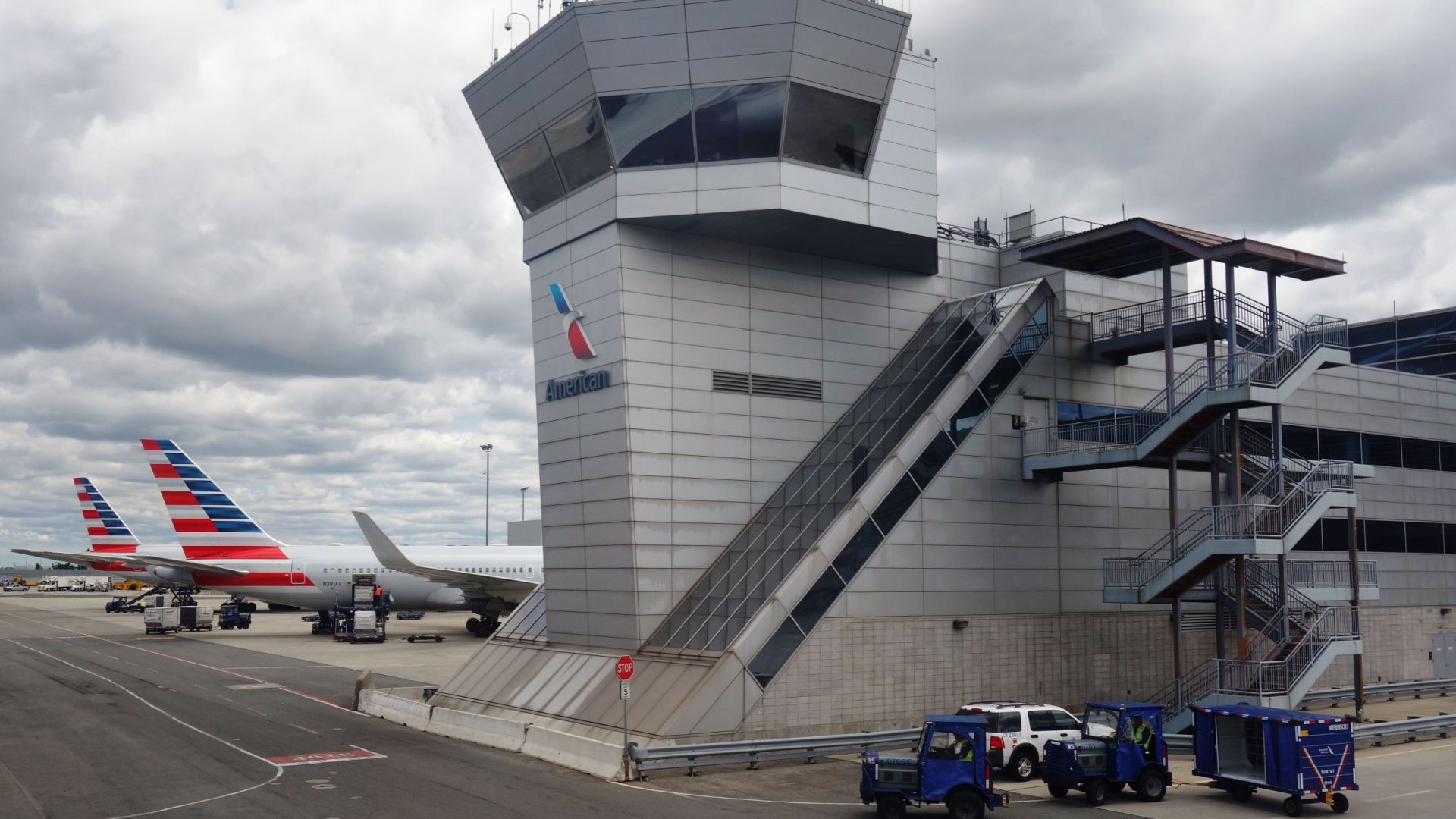
Terminal 8 is not merely a structure of steel and glass; it is the architectural manifestation of American Airlines’ brand promise. As the largest terminal at JFK, it serves as the cornerstone of the airline’s Northeast strategy. The transition of American Airlines into this space was a calculated move to consolidate its operations and create a cohesive brand environment that could compete with both domestic rivals and international luxury carriers.
Strategic Centralization and the Customer Touchpoint
In branding, consistency is the ultimate currency. By anchoring its operations in Terminal 8, American Airlines has managed to create a “brand fortress” at one of the world’s most vital transit hubs. Unlike other terminals that may host a disparate collection of unrelated airlines, Terminal 8 is designed to reflect the specific corporate identity of American and its Oneworld alliance partners.
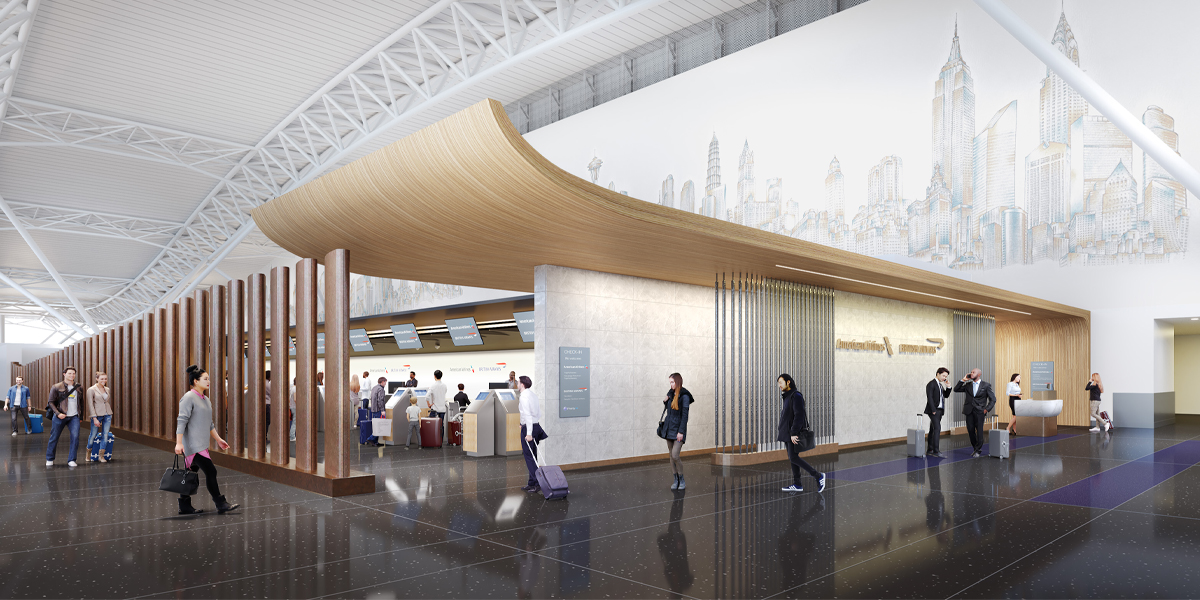
The customer journey—from the moment a passenger steps out of a taxi to the moment they board the aircraft—is a sequence of brand impressions. American Airlines has optimized this journey by streamlining the check-in process with high-tech kiosks and dedicated premium check-in areas. This physical layout communicates a brand message of efficiency, modernization, and exclusivity. For the business traveler, the brand represents a seamless transition from the office to the air; for the leisure traveler, it represents a reliable and sophisticated start to a journey.
Visual Identity and the Modern Airport Experience
The design language of Terminal 8 aligns with American Airlines’ broader visual identity. The use of vast, open spaces, natural lighting, and a palette that evokes a sense of “New American” professionalism is intentional. The branding is subtle but pervasive. It is found in the typography of the signage, the uniforms of the ground staff, and the curated retail experiences within the terminal. This alignment ensures that the physical space reinforces the digital and marketing communications that customers encounter before they even arrive at the airport.
Co-Branding and the Oneworld Ecosystem at Terminal 8
One of the most significant shifts in American Airlines’ brand strategy at JFK was the $400 million expansion of Terminal 8 to accommodate British Airways and other Oneworld partners. This move was a masterclass in brand co-location and joint business strategy. When a traveler asks what terminal American Airlines is in, they are now entering a space that represents a unified global front.
British Airways and American Airlines: A Unified Identity
The relocation of British Airways from Terminal 7 to Terminal 8 was a pivotal moment for the AA brand. It signaled to the market that American Airlines is not just a domestic powerhouse, but a central player in a premium global network. From a brand perspective, this co-location reduces “brand friction.” Passengers transferring between these two giants no longer have to change terminals, which significantly enhances the perceived value and reliability of the brand.
This synergy allows for a shared brand language. The “Atlantic Joint Business” is more than a revenue-sharing agreement; it is a promise of a high-standard, cross-continental experience. By sharing a terminal, these brands benefit from a “halo effect,” where the prestige of one airline elevates the other in the eyes of the consumer.
The Power of Alliance Branding
Terminal 8 also serves as a hub for other Oneworld members, such as Iberia, Qatar Airways, and Japan Airlines. This clustering creates a specialized “premium ecosystem.” For American Airlines, being the primary host of this ecosystem reinforces its position as a global leader. It allows the brand to project an image of being the “gateway to the world.” When customers see the AA logo alongside the world’s most respected airlines, it strengthens the brand’s equity and validates its premium positioning in the New York market.
The Premium Brand Experience: Redefining Luxury Travel
In the world of corporate identity, the “lounge experience” is where a brand’s promise of luxury is truly tested. As part of the Terminal 8 redevelopment, American Airlines introduced a new tier of lounges—Chelsea, Soho, and Greenwich—developed in partnership with British Airways. These spaces are essential to the AA brand strategy, as they cater to the high-value passenger segments that drive airline profitability.
Luxury Lounges as Brand Differentiation
The naming convention of these lounges—inspired by iconic neighborhoods in New York and London—is a deliberate branding move. It anchors the airline in its two most important global hubs. Each lounge offers a different level of exclusivity, allowing the brand to segment its audience effectively:
- The Chelsea Lounge: Represents the pinnacle of the brand, offering circular champagne bars and fine dining. It is designed to compete with the high-end hospitality brands, not just other airlines.
- The Soho Lounge: Focuses on modern design and floor-to-ceiling views, appealing to the “creative class” and sophisticated business travelers.
- The Greenwich Lounge: Offers a refined, expansive space for a broader range of premium travelers, ensuring that the brand’s high standards are accessible to loyal customers.
These lounges are physical embodiments of the brand’s commitment to “reimagining” the travel experience. They provide a sensory experience—through bespoke scents, curated menus, and high-end materials—that cements brand loyalty far more effectively than a standard marketing campaign.
Loyalty Programs and the Physical Brand
The physical layout of Terminal 8 is designed to reward loyalty. Dedicated lanes for AAdvantage status holders and specialized service desks ensure that the most valuable customers feel recognized. In branding terms, this is “status signaling.” By making the benefits of the loyalty program visible within the terminal, American Airlines creates an aspirational brand environment that encourages casual travelers to deepen their relationship with the airline.
Brand Resilience and the Future of the New York Hub
New York City is one of the most competitive aviation markets in the world. With Delta entrenched at Terminal 4 and United dominating Newark, American Airlines’ brand presence at JFK Terminal 8 is a vital defensive and offensive asset. The brand must constantly evolve to maintain its relevance and prestige.
Sustainability as a Brand Pillar
Modern brand strategy requires a commitment to Environmental, Social, and Governance (ESG) principles. The modernization of Terminal 8 included significant investments in energy-efficient systems and sustainable materials. For American Airlines, communicating these efforts is a key part of its brand narrative. Travelers today, particularly younger demographics, choose brands that align with their values. By positioning Terminal 8 as a modern, efficient, and forward-thinking facility, AA is future-proofing its brand image.
Competing in the New York Market
The “New York” brand is synonymous with ambition, luxury, and pace. For American Airlines to succeed at JFK, its terminal experience must mirror these traits. Terminal 8’s recent renovations were designed to provide a “quintessential New York” experience. This includes local culinary partnerships and retail offerings that give the terminal a sense of place. When a brand can successfully marry its corporate identity with the identity of a world-class city, it creates a powerful emotional connection with its customers.
Conclusion: The Strategic Importance of Terminal 8
When travelers search for “what JFK terminal is American Airlines,” they are looking for a location, but what they find is a carefully curated brand experience. Terminal 8 is the physical manifestation of American Airlines’ strategic vision. It is a place where global partnerships are solidified, where premium service is defined, and where the brand’s commitment to the future is put on display.
Through its multi-million dollar investments, strategic co-location with British Airways, and the creation of world-class lounge experiences, American Airlines has transformed Terminal 8 into a powerful tool for brand differentiation. In the high-stakes world of international travel, the terminal is not just a place to catch a flight—it is the heart of the brand’s identity in the world’s most important city. As the aviation industry continues to evolve, Terminal 8 will remain the cornerstone of American Airlines’ promise to provide a seamless, premium, and globally connected travel experience.
aViewFromTheCave is a participant in the Amazon Services LLC Associates Program, an affiliate advertising program designed to provide a means for sites to earn advertising fees by advertising and linking to Amazon.com. Amazon, the Amazon logo, AmazonSupply, and the AmazonSupply logo are trademarks of Amazon.com, Inc. or its affiliates. As an Amazon Associate we earn affiliate commissions from qualifying purchases.