
In the contemporary financial landscape, the discussion of labor, human capital, and ethical investing is often viewed through the lens of modern regulatory frameworks and ESG (Environmental, Social, and Governance) standards. However, the roots of our economic ethics regarding human value and labor rights find a profound, albeit complex, ancestor in the teachings of Jesus of Nazareth. To understand the intersection of faith and finance, specifically regarding the institution of slavery, one must move beyond a simple historical reading and analyze the economic subversion present in the first-century Mediterranean marketplace.
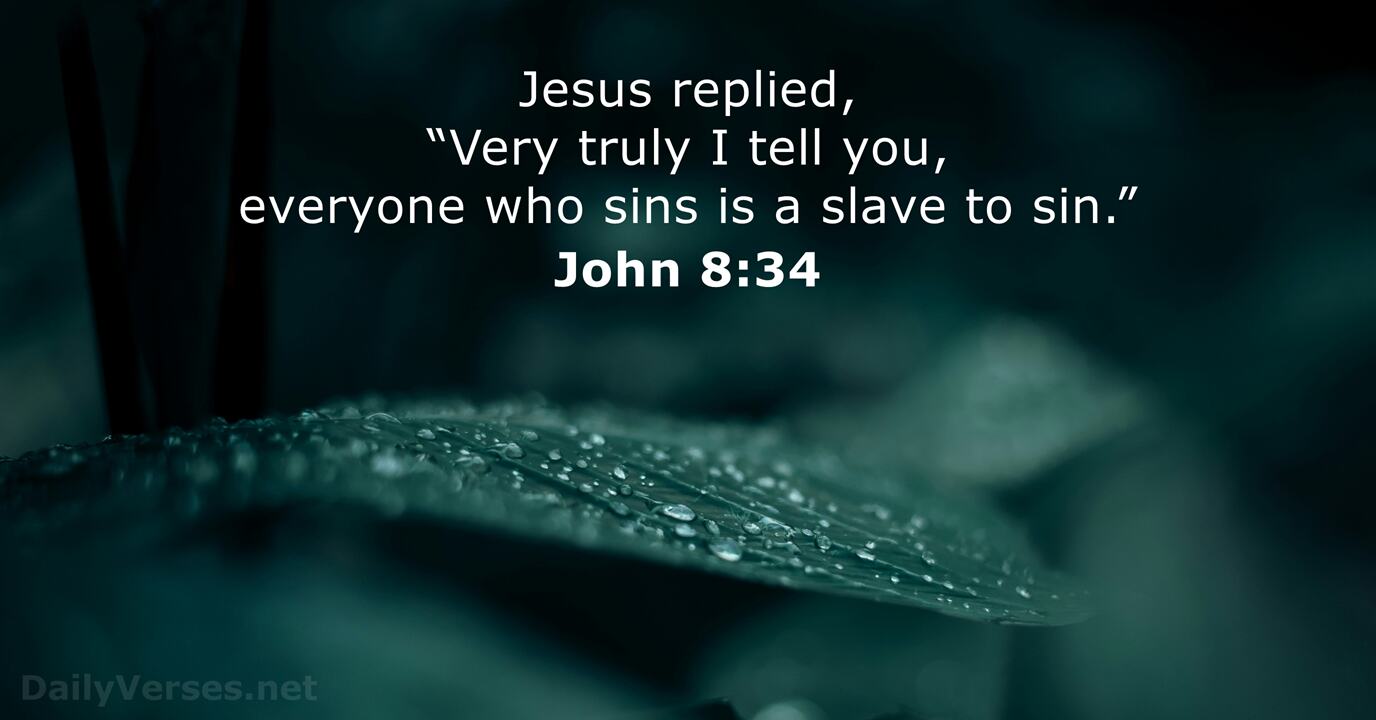
While the modern reader may search the Gospels for a direct, abolitionist manifesto, the reality of the Roman economy was one where slavery was not merely a peripheral social issue but the very engine of production, wealth accumulation, and household management. Analyzing what Jesus said—and how his teachings reconfigured the concept of “ownership”—provides a foundational case study for modern business ethics and the financial stewardship of human resources.
The First-Century Marketplace: Slavery as an Economic Foundation
To grasp the weight of Jesus’ words, we must first understand the economic ecosystem of the Roman Empire. Unlike modern labor markets where the primary cost is wages, the ancient economy treated laborers as fixed assets. In the first century, it is estimated that nearly one-third of the population in major urban centers lived in some form of servitude. This was not a localized phenomenon but the backbone of the Mediterranean GDP.
The Asset Class of the Roman Empire
In the Roman view, a slave was a res—a thing or a piece of property—yet they were a unique category of asset capable of specialized tasks. Slaves were doctors, accountants, farm laborers, and household managers. From a financial perspective, they represented a significant capital investment. The valuation of a slave was determined by their skill set, age, and potential for long-term productivity. When Jesus spoke to crowds in Galilee or Jerusalem, he was speaking to an audience for whom the “Master-Slave” dynamic was as common as the “Employer-Employee” dynamic is today.
Productivity and the Power Dynamics of the Mediterranean
The economic stability of the era relied on a rigid hierarchy. The accumulation of wealth was directly tied to the ability to command labor without the overhead of competitive wages. However, this system was inherently volatile, relying on coercion rather than incentive. It is within this high-stakes economic reality that Jesus introduced parables and teachings that, while using the terminology of the day, began to erode the moral legitimacy of human commodification.
Subversive Stewardship: Analyzing the Parables of Master and Servant
Jesus frequently utilized the familiar imagery of masters and servants (often translated from the Greek doulos, meaning slave or bondservant) to illustrate kingdom principles. While some critics point to these parables as an acceptance of the status quo, a deeper financial and ethical analysis suggests a radical redefinition of agency and accountability.
The Parable of the Talents and the Logic of Investment
One of the most famous economic teachings is the Parable of the Talents. In this narrative, a master entrusts his property to his servants before going on a journey. From a business finance perspective, this is a lesson in delegated management and the expectation of ROI (Return on Investment). However, the “subversion” lies in the master’s response to the servants.
The master rewards the productive servants not by merely increasing their workload, but by inviting them into “the joy of their master.” This suggests a transition from a master-slave relationship to one of partnership and shared enterprise. By highlighting the responsibility of the individual to act with agency and wisdom, Jesus elevated the status of the laborer from a passive tool to an active stakeholder in the master’s business.
The Unforgiving Servant: Debt, Mercy, and the Liquidity of Forgiveness
The economic concept of debt was inextricably linked to slavery in the ancient world; many individuals entered servitude specifically to pay off financial obligations. In the Parable of the Unforgiving Servant, Jesus describes a man who owes a debt so astronomical—ten thousand talents—that it could never be repaid in several lifetimes.
The master’s decision to cancel the debt is a radical economic intervention. It suggests that human mercy has a higher “liquidity” than currency. When the servant refuses to extend that same mercy to a fellow laborer, he is condemned. The financial takeaway here is clear: the pursuit of profit and debt collection must be tempered by a recognition of common humanity. Jesus was teaching that the “bottom line” is not merely the accumulation of coin, but the preservation of the community’s moral fiber.
The Structural Shift: From Property to Personhood
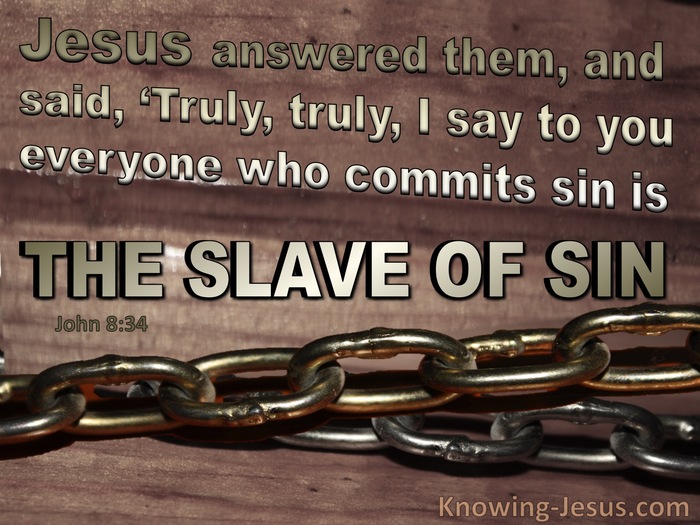
While Jesus did not lead a political revolt to overthrow the Roman legal code, his teachings on the “Golden Rule”—to do unto others as you would have them do unto you—created a logical impossibility for the continuation of chattel slavery. If a business owner or a “master” truly applied this principle, the inherent inequality required for slavery would collapse.
Challenging the ROI of Exploitation
The economic viability of slavery depends on the dehumanization of the laborer. If the laborer is viewed as an equal before God, as Jesus taught, the “ROI of exploitation” becomes a moral deficit. Jesus’ interactions with the marginalized—the lepers, the tax collectors, and the poor—demonstrated a “Social Capital” model that valued the individual regardless of their economic output.
By declaring that “the last shall be first,” Jesus upended the traditional pyramid of the Roman economy. In a financial context, this is a disruption of the hierarchy. It suggests that a system built on the backs of the exploited is fundamentally unstable and ethically bankrupt.
The “Golden Rule” as a Disruptive Economic Model
Consider the financial implications of the command to “love your neighbor as yourself.” In a market driven by the acquisition of human assets, this command acts as a regulatory hurdle. It forces the “investor” to consider the welfare of the “asset” as equal to their own. Over centuries, this seed of thought grew into the abolitionist movements that eventually recognized that the economic gains of slavery were outweighed by the catastrophic moral and social costs.
Modern Financial Implications: Ethical Investing and Labor Justice
The teachings of Jesus regarding the dignity of the person and the stewardship of resources have direct applications for the modern investor and business leader. We no longer operate in a world of legal chattel slavery in most developed markets, yet the “spirit” of exploitation often lingers in global supply chains and predatory financial practices.
Supply Chain Transparency and the Eradication of Modern Bondage
Today, institutional investors are increasingly focused on “Modern Slavery Statements” and supply chain transparency. A company that sources materials from regions utilizing forced labor is now seen as a high-risk investment. The ethical framework provided by the historical teachings of Jesus—valuing the laborer as a brother rather than a tool—aligns perfectly with modern ESG mandates.
Financial professionals now recognize that ethical labor practices are not just “good PR”; they are essential for long-term sustainability. Systems that rely on the degradation of human value are prone to legal challenges, consumer boycotts, and systemic failure.
The Economic Performance of Fair-Wage Systems
There is a growing body of data suggesting that companies that treat their employees with dignity—providing fair wages, benefits, and agency—outperform their exploitative counterparts in the long run. This is the modern realization of the “Joy of the Master” principle. When workers are treated as stakeholders, productivity increases, turnover decreases, and the “brand value” of the organization rises.
Investing in human capital is the most profitable strategy in the 21st-century economy. The shift from “cost-minimization” to “value-optimization” mirrors the shift Jesus proposed: seeing the individual not as a line item, but as a person of infinite worth.
Conclusion: Toward a New Economy of Dignity
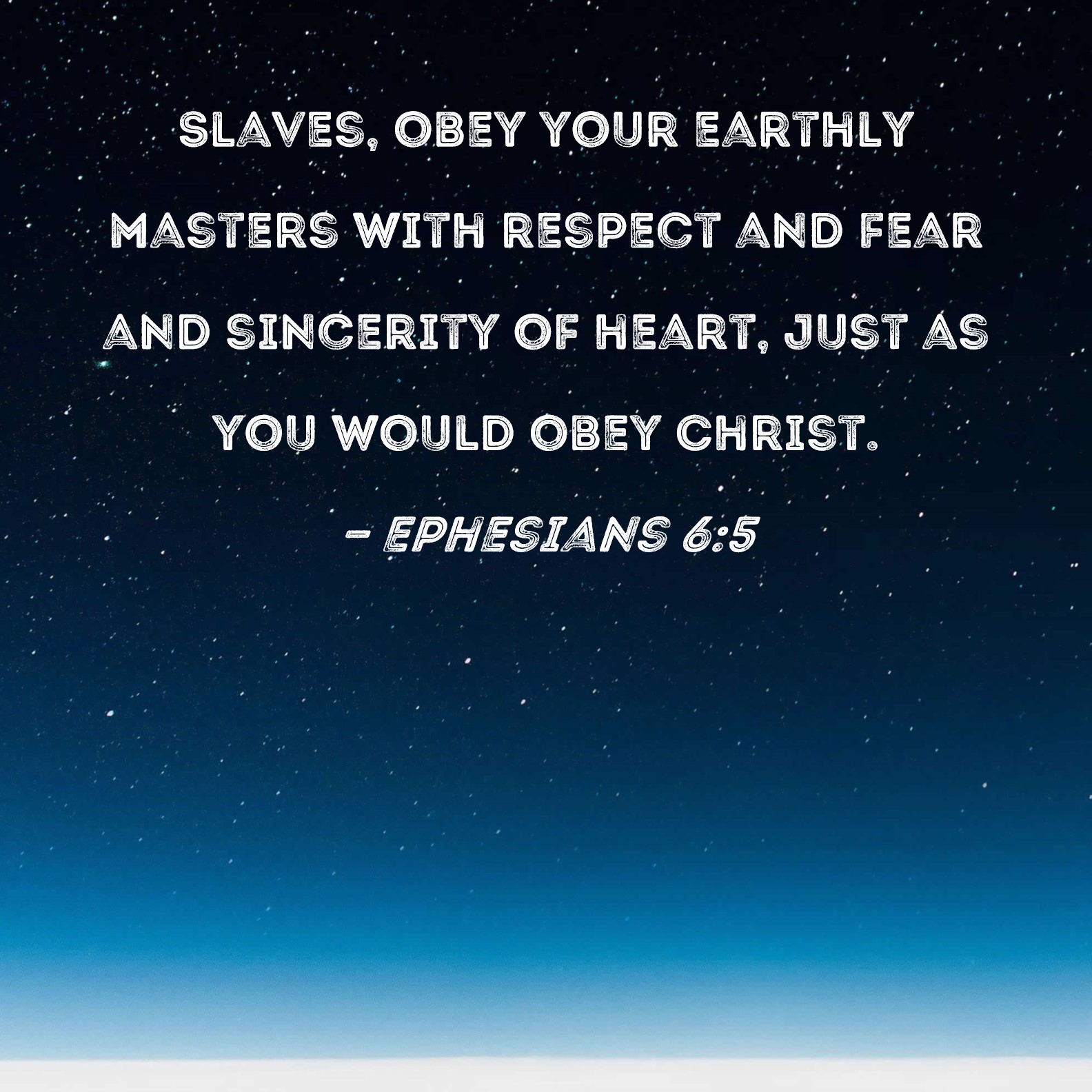
What Jesus said about slavery was not a validation of the institution, but a systemic dismantling of its moral and economic justification. By using the language of the marketplace to teach the values of the Kingdom, he introduced a virus into the Roman economic operating system—one that would eventually prioritize the person over the property.
For the modern professional, whether managing a personal portfolio or a corporate budget, the lesson is clear: true wealth is not found in the exploitation of others, but in the stewardship of resources that elevate the human condition. The transition from slavery to freedom is not just a historical milestone; it is an ongoing economic imperative. As we navigate the complexities of global finance, the ancient wisdom of valuing the “neighbor” remains the most reliable metric for a truly prosperous and sustainable economy. In the end, the most valuable asset any economy possesses is the dignity of its people, and any financial system that fails to account for this is fundamentally insolvent.
aViewFromTheCave is a participant in the Amazon Services LLC Associates Program, an affiliate advertising program designed to provide a means for sites to earn advertising fees by advertising and linking to Amazon.com. Amazon, the Amazon logo, AmazonSupply, and the AmazonSupply logo are trademarks of Amazon.com, Inc. or its affiliates. As an Amazon Associate we earn affiliate commissions from qualifying purchases.