
For many, the Jeep Wrangler embodies the spirit of adventure, freedom, and rugged capability. Its iconic design and off-road prowess have cemented its status as a beloved vehicle for decades. However, like any long-running automotive model, the Wrangler has seen its share of evolutionary leaps and, inevitably, periods where certain model years presented more challenges than others. When considering a pre-owned Jeep Wrangler, understanding which model years have historically been flagged for potential issues is crucial for making a sound financial decision and ensuring long-term satisfaction. This deep dive focuses on the financial implications of choosing a Wrangler, guiding you toward models that offer the best return on investment and minimize unexpected repair costs.
The Financial Case for Smart Wrangler Acquisition
The allure of the Wrangler is undeniable, but its ownership costs can vary significantly depending on the model year. While a lower purchase price might be tempting for a particular year, it’s essential to look beyond the sticker price and consider the total cost of ownership. This includes not only routine maintenance but also the potential for costly repairs, depreciation rates, and even the impact on resale value. Making an informed choice about which years to approach with caution, and which to embrace, can directly translate into significant savings and a more predictable ownership experience.
Understanding Depreciation and Resale Value
Jeep Wranglers, in general, are known for holding their value remarkably well. Their enduring popularity and niche appeal contribute to strong resale markets. However, this isn’t a universal truth across all model years. Certain generations or specific years that were plagued by persistent mechanical issues can experience accelerated depreciation. A vehicle with a reputation for frequent and expensive repairs will naturally attract fewer buyers and command a lower price.
Depreciation Rates by Generation:
- Early Generations (CJ-7, YJ): These older models, while iconic, can be more susceptible to wear and tear. While enthusiast demand can keep prices up, the cost of maintaining and restoring them can be substantial. Buyers need to factor in potential restoration expenses when assessing the overall value.
- TJ Generation (1997-2006): Generally considered a solid generation, the TJ offers a good balance of modern features and classic Wrangler feel. Depreciation is typically moderate, and well-maintained examples hold their value well. However, some specific issues like rust on the frame and aging suspension components are common considerations.
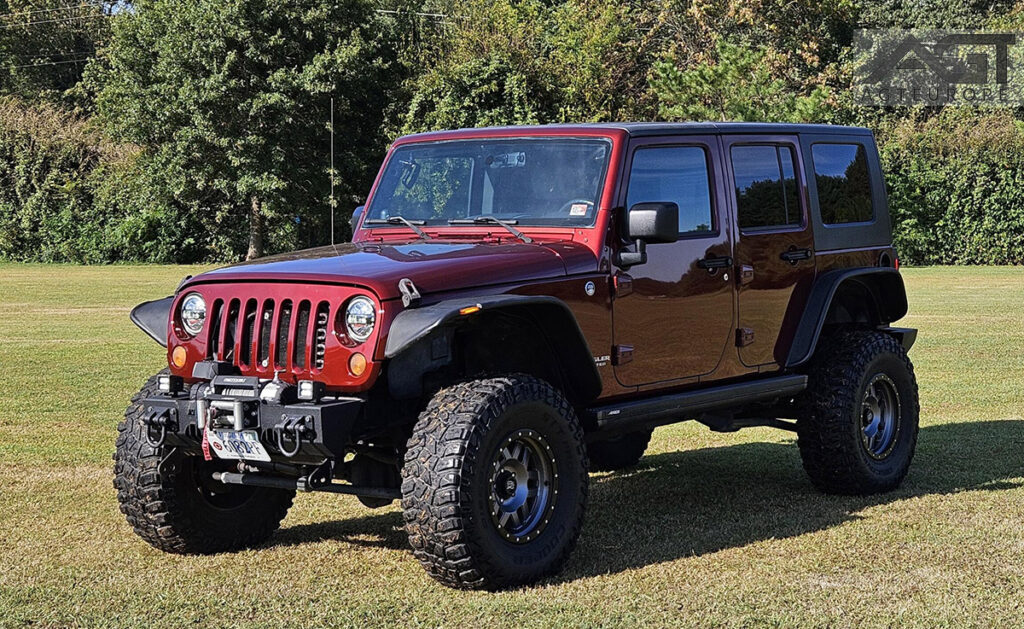
- JK Generation (2007-2018): This generation saw significant updates, including a more powerful engine and a more refined interior. While popular, certain JK years have been associated with more notable mechanical concerns, which can impact their long-term value. The early years of a new generation often have more bugs to work out.
- JL Generation (2018-Present): As the latest generation, the JL benefits from the most advanced technology and engineering. Depreciation is still a factor, but early indications suggest good resale value. However, as with any new platform, it’s prudent to observe longer-term reliability data as it emerges.
The Impact of Known Issues on Resale:
When a particular model year gains notoriety for a specific, recurring problem – such as transmission failures, electrical gremlins, or significant engine issues – this information invariably filters into the used car market. Potential buyers will research these common problems, and vehicles associated with them will often see their prices drop to compensate for the perceived risk of future repair bills. This is where focusing on “safe” model years can provide a financial advantage, as you’re less likely to be hit with unexpected, substantial repair expenses that erode your investment.
The Hidden Costs of Poor Reliability
The purchase price of a used vehicle is only the beginning of the financial commitment. Reliability is a paramount factor in determining the true cost of ownership, and for Jeep Wranglers, this can be a nuanced topic. Some model years have a history of requiring more frequent and expensive repairs, which can quickly negate any initial savings. Understanding these potential pitfalls is key to avoiding financial strain.
Common Problem Areas and Their Financial Ramifications:
- Engine and Transmission Issues: These are typically the most expensive components to repair or replace. Years that have seen a higher incidence of engine failures, overheating problems, or transmission slippage and failure can lead to repair bills in the thousands, if not tens of thousands, of dollars. For example, certain iterations of automatic transmissions have historically been a point of concern for various vehicle manufacturers, and the Wrangler is not immune.
- Electrical System Problems: Modern vehicles are heavily reliant on complex electrical systems. Issues like faulty sensors, wiring harness problems, or malfunctioning control modules can be frustrating and costly to diagnose and repair. These often manifest as seemingly random warning lights or system failures, making troubleshooting a time-consuming and expensive endeavor.
- Suspension and Drivetrain Components: While the Wrangler is built for off-roading, its suspension and drivetrain components are not immune to wear and tear, and some years might have been more prone to premature failure of specific parts like ball joints, tie rods, or differential issues.
- Rust and Corrosion: Especially in older models or those used in harsh climates, rust can be a significant financial burden. Frame rust, in particular, can compromise the structural integrity of the vehicle and lead to expensive repairs or even render the vehicle unsalvageable.
Preventative Maintenance vs. Reactive Repairs:
Investing in a model year known for better reliability can translate to a lower overall spend on reactive repairs. While all vehicles require maintenance, some model years demand more frequent and costly fixes due to inherent design flaws or component weaknesses. Proactive research into the reliability scores and owner feedback for specific years can help you steer clear of those that are more likely to leave you stranded and with a hefty repair bill.
Identifying Potential Pitfalls: Years to Approach with Caution
While the Jeep Wrangler is a celebrated vehicle, certain model years have garnered a reputation for being more problematic than others. These are not necessarily “bad” vehicles, but rather years where specific issues were more prevalent, leading to increased repair costs and potentially lower owner satisfaction. Focusing on these problematic years allows for a more informed purchasing decision, potentially saving you significant money in the long run.
The JK Generation: A Deeper Dive into Common Concerns (2007-2018)
The JK generation was a significant evolution for the Wrangler, introducing more creature comforts and a larger, more powerful platform. However, it also brought with it a set of documented issues that, while not affecting every vehicle, were common enough to warrant attention.
2007-2011 (Early JK):
- Transmission Issues: This period saw reports of automatic transmission failures and a tendency for the manual transmission clutch to wear prematurely, especially under heavy use or off-roading. The early iterations of the 6-speed manual transmission were also sometimes cited for clutch issues.
- “Death Wobble”: A notorious phenomenon where the steering wheel violently shakes at certain speeds, often after hitting a bump. While many factors can contribute, certain steering and suspension components in these early JKs were more prone to wear, exacerbating the issue. This can be an expensive and complex fix.
- 2.8L CRD Diesel Engine Issues (European Market): While less common in North America, the diesel engine in this period had its own set of reliability concerns, including injector failures and turbocharger problems.
- Electrical Gremlins: Some owners reported issues with the power windows, locks, and infotainment systems, which could be frustrating and costly to diagnose.
2012-2018 (Later JK):
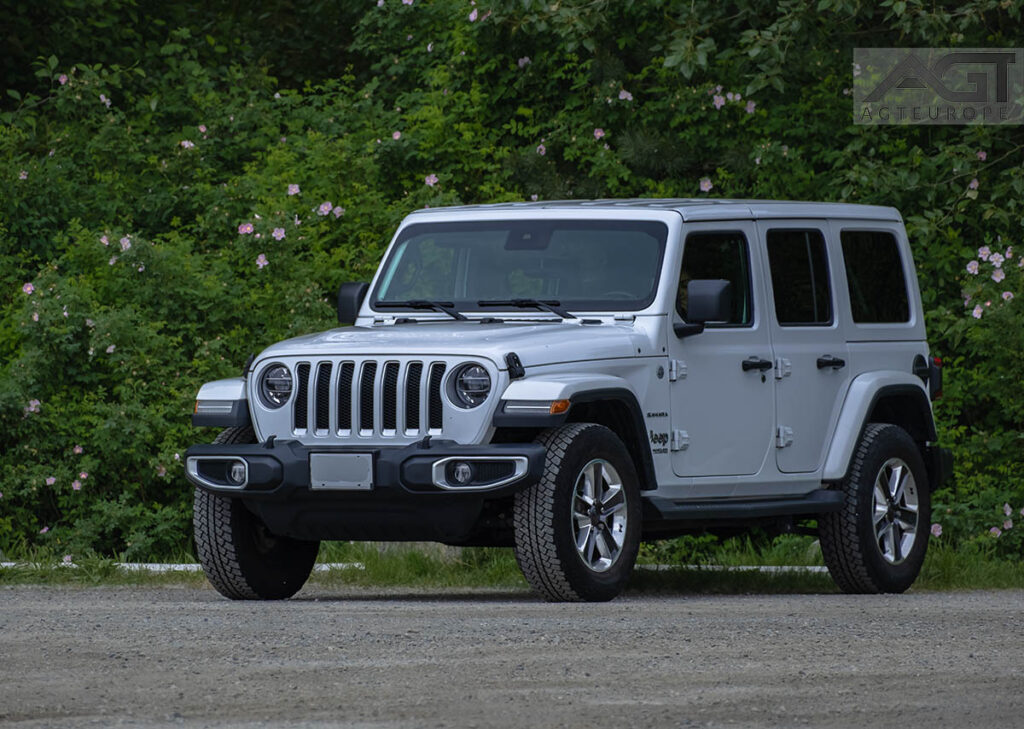
- The Pentastar V6 Engine (3.6L): While the Pentastar is generally a robust engine, early versions (introduced in 2011 and prevalent from 2012 onwards) had some reports of oil cooler leaks and potential intake manifold issues. Later revisions of the engine seemed to mitigate some of these concerns.
- Automatic Transmission Refinements: While improved from earlier years, some automatic transmissions still experienced occasional issues, particularly with fluid leaks or premature wear.
- Body Mount Rust: Similar to previous generations, rust can be a concern, especially around the body mount points, which can lead to structural issues and costly repairs.
Other Noteworthy Years and Their Financial Implications
Beyond the JK generation, other model years across different Jeep Wrangler eras have presented specific challenges that prospective buyers should be aware of from a financial perspective.
The YJ Generation (1987-1995) – The “Square Headlights” Era:
- Engine and Transmission Durability: While generally simpler mechanically, some YJs experienced issues with the AMC 2.5L and 4.0L engines, including head gasket failures and oil leaks. The automatic transmissions could also be prone to wear.
- Rust and Corrosion: This generation is particularly susceptible to rust, especially in the floor pans, rocker panels, and frame. Significant rust can be a major financial hurdle for restoration.
- Leaf Spring Suspension: The YJ’s leaf spring suspension, while capable, can wear out and require replacement, adding to maintenance costs.
The TJ Generation (1997-2006) – A Solid Choice, But Not Without Its Quirks:
- Frame Rust: Despite its overall solid reputation, frame rust is a significant concern for TJ Wranglers, especially in rust-belt states. A compromised frame can be prohibitively expensive to repair.
- Engine Oil Leaks (4.0L): The iconic 4.0L inline-six engine is known for its durability, but oil leaks from the valve cover and oil pan are common as the vehicle ages.
- Axle Seals and Bearings: Wear and tear on axle seals and bearings are also common maintenance items that can lead to more significant issues if neglected.
- Aging Electrical Components: As these vehicles get older, electrical components like the instrument cluster or power windows can begin to fail.
Making a Financially Savvy Wrangler Purchase
Navigating the world of used Jeep Wranglers requires a strategic approach to maximize your investment and minimize the risk of unexpected expenses. By understanding the historical reliability of different model years and focusing on key financial considerations, you can make a purchase that delivers adventure without financial indigestion.
The Value Proposition: Which Years Offer the Best Financial Return?
While we’ve highlighted years to be cautious of, it’s equally important to identify the sweet spots – model years that offer a strong combination of desirability, capability, and proven reliability, leading to better long-term value.
The TJ Generation (1997-2006): Generally considered one of the most reliable and sought-after generations. The 4.0L inline-six engine is legendary for its durability. While rust is a concern, well-maintained TJs can offer excellent value and hold their resale price remarkably well. The coil-spring suspension also provides a more comfortable ride compared to the YJ.
Later JK Generation (2012-2018): Once the kinks of the early JK were ironed out, this generation offers a compelling package. The 3.6L Pentastar engine, especially in its later iterations, is a strong performer. These models benefit from more modern features and safety technology, making them more appealing for daily driving and longer trips. Their popularity ensures a strong used market, but thorough inspection for common issues is still recommended.
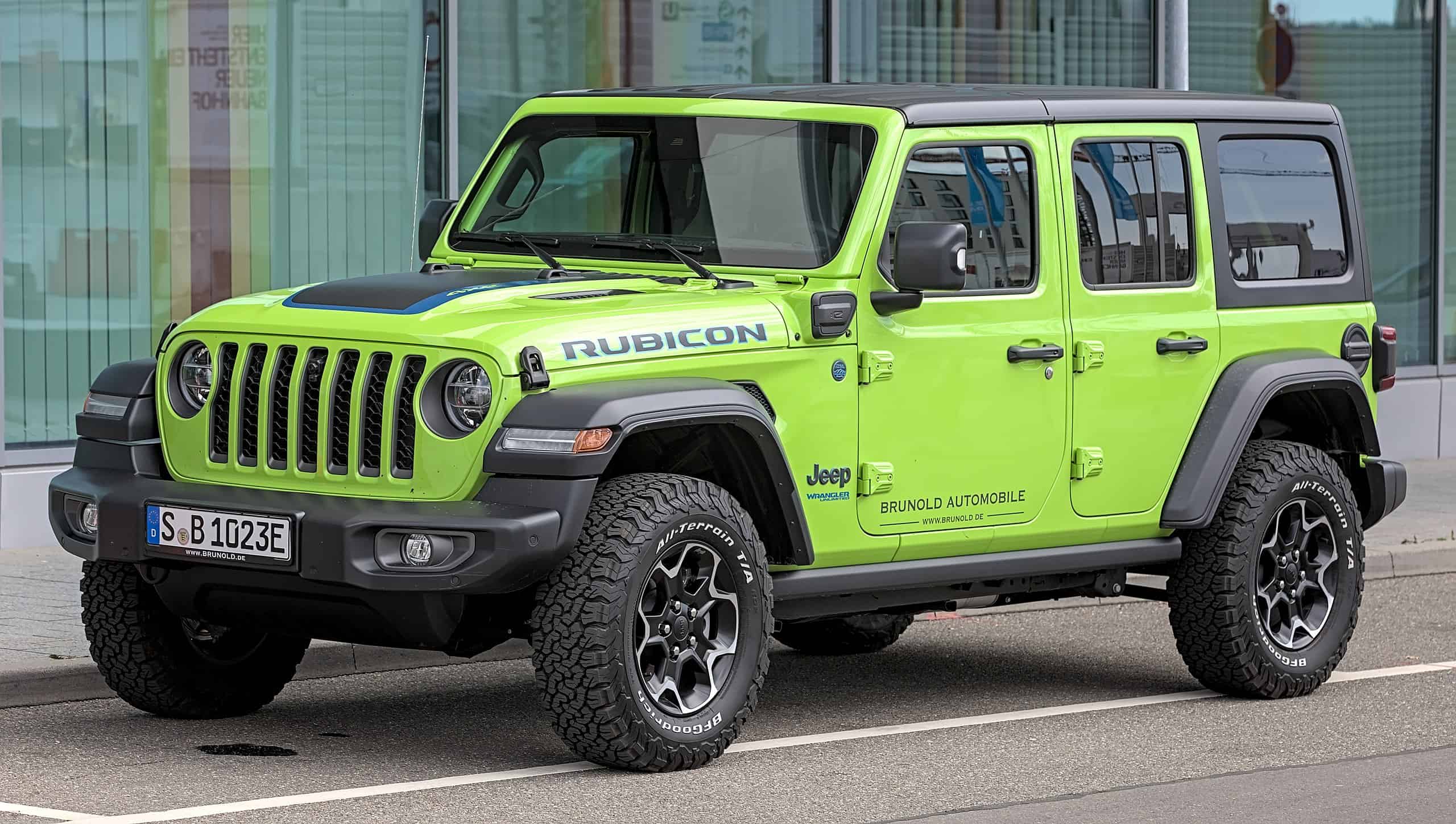
Early JL Generation (2018-Present): While newer, the JL generation is showing promise in terms of reliability. As it matures, it’s likely to become a financially sound choice for those seeking the latest technology and design. Early models may offer a slight discount over the newest versions, providing an entry point into the latest Wrangler platform.
Due Diligence: The Financial Impact of Pre-Purchase Inspections and History Reports
No matter which model year you are considering, thorough due diligence is paramount to protecting your financial interests. This involves more than just kicking the tires.
The Importance of a Pre-Purchase Inspection (PPI):
A PPI conducted by an independent, qualified mechanic is one of the most critical steps in buying a used vehicle, especially a Wrangler. A mechanic specializing in Jeeps can identify potential problems that a layperson might miss, such as:
- Hidden Rust: Frame rust, body mount rust, or rust in critical suspension components.
- Drivetrain Issues: Worn differentials, U-joints, or transfer case problems.
- Suspension Wear: Ball joints, tie rods, shocks, and control arms.
- Engine and Transmission Leaks: Oil or coolant leaks that could indicate future problems.
- Electrical System Malfunctions: Faulty sensors, wiring issues, or module problems.
The cost of a PPI is a small fraction of what a major repair can cost. If the seller refuses a PPI, it’s a significant red flag.
Decoding Vehicle History Reports:
Services like Carfax or AutoCheck provide valuable insights into a vehicle’s past. While not foolproof, these reports can reveal:
- Accident History: Major accidents can lead to structural damage and ongoing repair issues.
- Title Issues: Salvage, rebuilt, or flood titles should be a dealbreaker.
- Ownership History: A long list of owners in a short period can indicate underlying problems.
- Maintenance Records: Gaps in maintenance can point to neglect, increasing the risk of future failures.
By combining a comprehensive understanding of Wrangler model year quirks with diligent research and inspection, you can confidently navigate the used market and secure a Jeep Wrangler that offers both thrilling adventures and sound financial sense. The key is to prioritize long-term value and reliability over short-term savings, ensuring your Wrangler experience is one of exhilaration, not unexpected financial burdens.
aViewFromTheCave is a participant in the Amazon Services LLC Associates Program, an affiliate advertising program designed to provide a means for sites to earn advertising fees by advertising and linking to Amazon.com. Amazon, the Amazon logo, AmazonSupply, and the AmazonSupply logo are trademarks of Amazon.com, Inc. or its affiliates. As an Amazon Associate we earn affiliate commissions from qualifying purchases.