
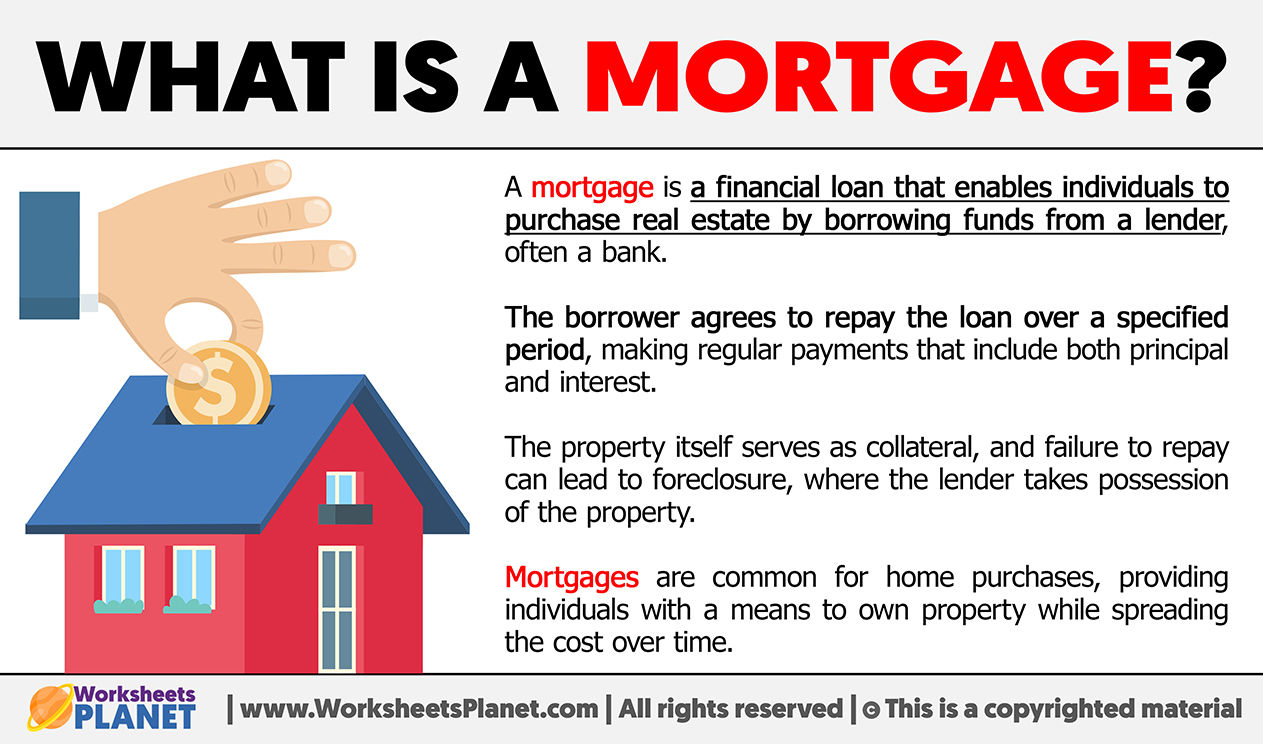
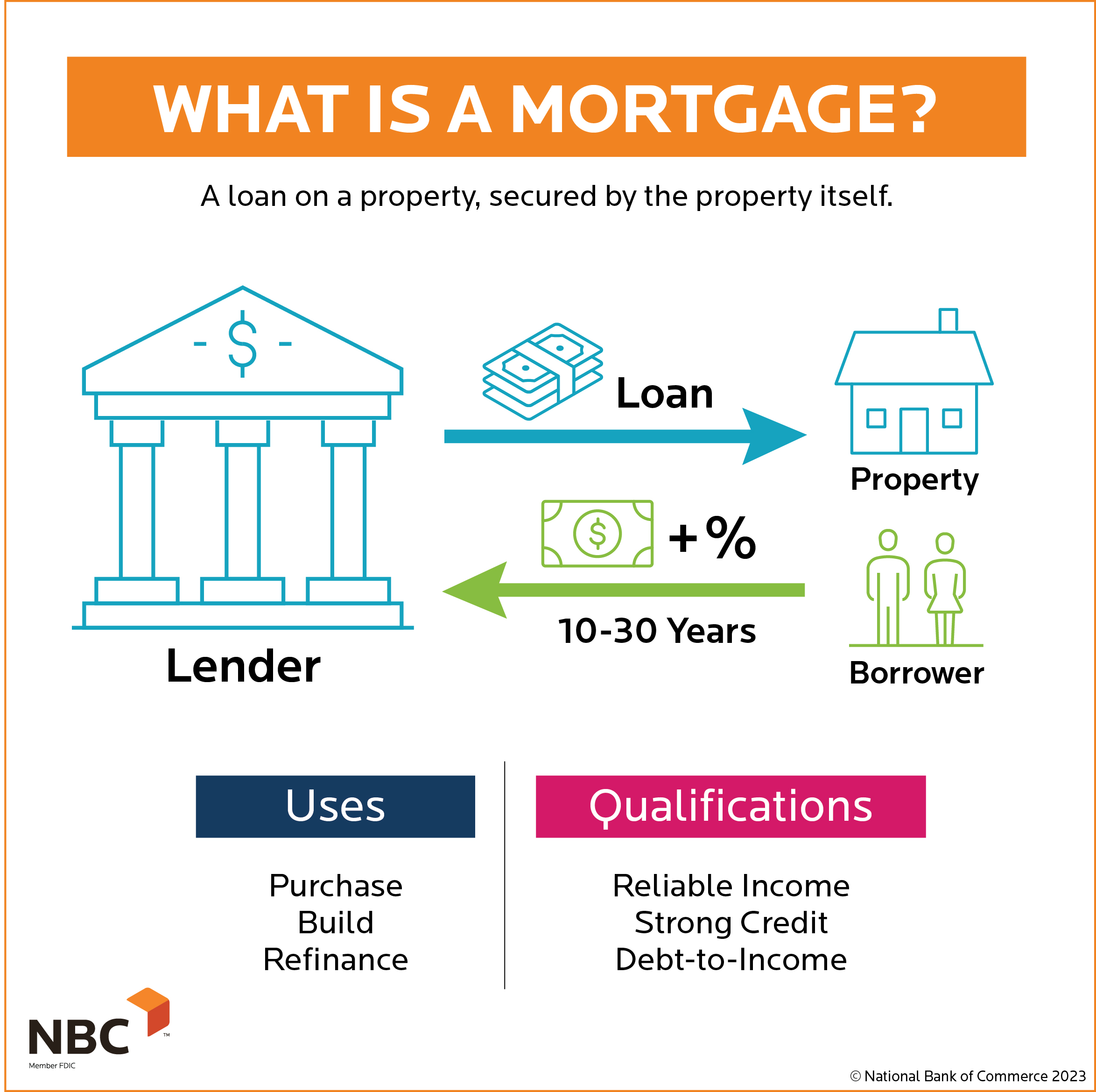
A mortgage is one of the most significant financial commitments an individual will make in their lifetime. At its simplest level, a mortgage is a type of loan used to purchase or maintain a home, land, or other types of real estate. The borrower agrees to pay the lender over time, typically in a series of regular installments that are divided into principal and interest. The property itself serves as collateral to secure the loan. If the borrower stops making payments, the lender has the legal right to take possession of the property through a process known as foreclosure.
While the concept of borrowing money to buy a home is straightforward, the mechanics of mortgages are complex, involving various interest rate structures, loan terms, and legal requirements. Understanding these nuances is essential for any prospective homeowner or real investor looking to navigate the financial landscape effectively.
Understanding the Fundamentals of a Mortgage
The relationship between a borrower and a lender in a mortgage agreement is defined by two primary documents: the promissory note and the mortgage (or deed of trust). The promissory note is a legal document where the borrower promises to repay the loan under specific terms. The mortgage document, on the other hand, creates a lien on the property, giving the lender a security interest in the home until the debt is satisfied.
The Role of Collateral
In the world of personal finance, loans are generally categorized as secured or unsecured. A mortgage is a secured loan. Because the loan is backed by the physical asset of the home, lenders are often willing to offer much larger sums of money and lower interest rates than they would for an unsecured loan, such as a credit card or a personal signature loan. This security provides the lender with a safety net; if the borrower defaults, the lender can sell the property to recoup the outstanding balance.
The Importance of the Down Payment
A down payment is the upfront cash payment a buyer makes toward the purchase price of a home. It represents the buyer’s initial equity in the property. Traditionally, a 20% down payment was considered the gold standard to avoid additional costs and secure the best rates. However, modern financial tools and government programs now allow for down payments as low as 3% or even 0% in specific cases. The size of the down payment significantly impacts the total cost of the loan, as a larger down payment reduces the principal amount and may result in a lower interest rate.
The Core Components of Your Monthly Payment
When a homeowner writes a check for their mortgage each month, the funds are rarely applied to just one category. Most mortgage payments are structured around an acronym known as PITI: Principal, Interest, Taxes, and Insurance.
Principal and Interest
The principal is the actual amount of money borrowed. If you buy a home for $400,000 and put down $80,000, your principal balance is $320,000. Interest is the cost charged by the lender for borrowing that money, expressed as a percentage. In the early years of a mortgage, a larger portion of the monthly payment goes toward interest. As the loan matures, a greater percentage is applied toward the principal. This process is known as amortization.
Property Taxes and Homeowners Insurance
Most lenders require borrowers to set up an escrow account. Each month, the lender collects a portion of the annual property taxes and homeowners insurance premiums as part of the mortgage payment. These funds are held in the escrow account and paid out by the lender when the bills are due. This ensures that the property remains insured and that tax liens are not placed against the collateral.
Private Mortgage Insurance (PMI)
If a borrower puts down less than 20% of the home’s purchase price, lenders typically require Private Mortgage Insurance (PMI). This insurance protects the lender—not the borrower—in case of default. While it increases the monthly cost of the mortgage, it allows individuals to enter the housing market sooner without waiting years to save a massive down payment. Once the borrower reaches 20% equity in the home, PMI can usually be cancelled.
Exploring Common Types of Mortgage Loans
The mortgage market is diverse, offering a variety of products designed to meet different financial situations and goals. Choosing the right loan type can save a borrower tens of thousands of dollars over the life of the loan.
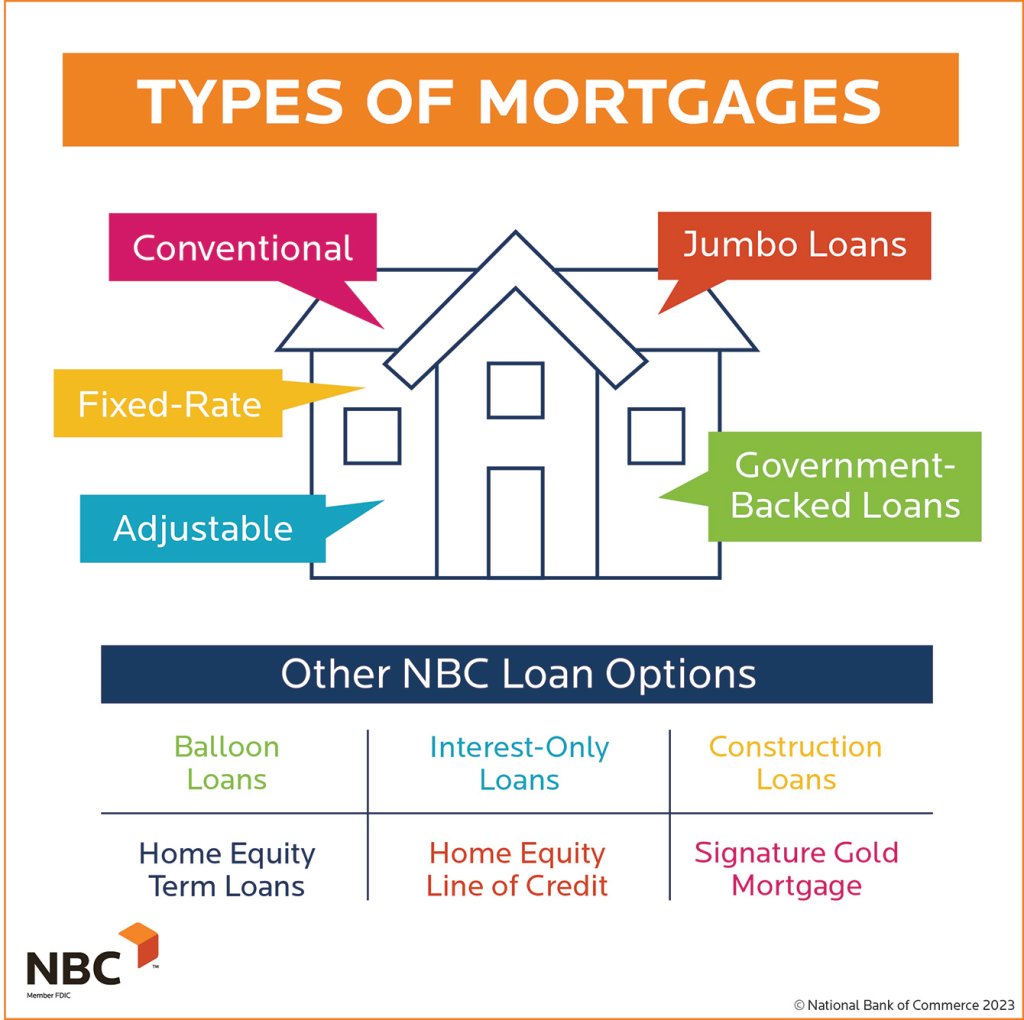
Fixed-Rate vs. Adjustable-Rate Mortgages
The most common choice is the fixed-rate mortgage. With this loan, the interest rate remains the same for the entire life of the loan, usually 15 or 30 years. This provides predictability and protection against rising interest rates.
An Adjustable-Rate Mortgage (ARM) offers an interest rate that is fixed for an initial period (such as five or seven years) and then fluctuates based on market indices. ARMs often start with lower rates than fixed-rate mortgages, making them attractive for those who plan to sell the home or refinance before the initial period ends. However, they carry the risk of significantly higher payments if market rates rise in the future.
Conventional vs. Government-Backed Loans
Conventional loans are not insured or guaranteed by the federal government. They typically follow the lending guidelines set by Fannie Mae or Freddie Mac. These loans often require higher credit scores and more stable income profiles.
Government-backed loans are designed to make homeownership more accessible:
-
FHA Loans: Insured by the Federal Housing Administration, these allow for down payments as low as 3.5% and are more lenient with credit scores.
-
VA Loans: Available to veterans, active-duty service members, and surviving spouses, these often require no down payment and no monthly mortgage insurance.
-
USDA Loans: Targeted at low-to-moderate-income buyers in designated rural areas, offering 100% financing options.
Jumbo Loans
In high-cost real estate markets, the price of a home may exceed the conforming loan limits set by the Federal Housing Finance Agency. In these cases, buyers must seek a “jumbo” mortgage. Because these loans cannot be purchased by Fannie Mae or Freddie Mac, they often come with stricter credit requirements and higher down payment expectations.
The Mortgage Application Process: From Pre-Approval to Closing
Securing a mortgage is a multi-step process that requires significant documentation and financial transparency.
Credit Score and Debt-to-Income Ratio
Lenders look at two primary metrics to determine creditworthiness: the FICO score and the Debt-to-Income (DTI) ratio. A higher credit score signals to the lender that the borrower has a history of managing debt responsibly, which often results in lower interest rates. The DTI ratio is the percentage of a borrower’s gross monthly income that goes toward paying debts. Most lenders prefer a DTI below 36%, though some programs allow for higher ratios if other financial factors are strong.
The Role of Pre-Approval
Before beginning a home search, savvy buyers obtain a pre-approval letter. This involves a lender reviewing the borrower’s income, assets, and credit history to provide a specific loan amount they are willing to lend. In a competitive real estate market, a pre-approval letter is essential, as it demonstrates to sellers that the buyer has the financial backing to complete the transaction.
Underwriting and the Appraisal
Once a buyer is under contract on a home, the loan enters the underwriting phase. An underwriter reviews every detail of the borrower’s financial life to ensure it meets the lender’s criteria. Simultaneously, the lender orders an appraisal. The appraisal is an independent estimate of the home’s value. If the appraisal comes in lower than the purchase price, the borrower may need to cover the gap in cash or renegotiate the price with the seller, as the lender will only loan a percentage of the appraised value.
Long-Term Financial Strategies and Mortgage Management
A mortgage should not be viewed as a “set it and forget it” obligation. It is a dynamic part of a person’s net worth and overall financial strategy.
Building Equity
Equity is the difference between the market value of the home and the outstanding mortgage balance. Homeowners build equity in two ways: by paying down the principal balance of the loan and through property appreciation. As equity grows, the homeowner’s net worth increases. Equity can be leveraged through Home Equity Lines of Credit (HELOCs) or home equity loans to fund renovations, consolidate higher-interest debt, or cover major expenses.
The Strategy of Refinancing
Refinancing involves replacing an existing mortgage with a new one, typically to take advantage of lower interest rates or to change the loan term. For example, a homeowner might refinance from a 30-year loan to a 15-year loan to pay off the debt faster and save on total interest. Alternatively, a “cash-out” refinance allows a homeowner to tap into their equity by taking out a new loan for more than they owe and receiving the difference in cash.
Amortization and Extra Payments
Understanding the amortization schedule can lead to significant savings. Because interest is calculated based on the remaining principal, making even small extra payments toward the principal early in the loan term can shave years off the mortgage and save thousands in interest. Many financial advisors suggest that paying one extra monthly payment per year can reduce a 30-year mortgage by five to seven years.
In conclusion, a mortgage is a powerful financial tool that bridges the gap between current savings and the cost of real estate. By understanding the components of the loan, the types of products available, and the strategies for long-term management, borrowers can transform a major debt into a cornerstone of their financial security and wealth-building journey.
aViewFromTheCave is a participant in the Amazon Services LLC Associates Program, an affiliate advertising program designed to provide a means for sites to earn advertising fees by advertising and linking to Amazon.com. Amazon, the Amazon logo, AmazonSupply, and the AmazonSupply logo are trademarks of Amazon.com, Inc. or its affiliates. As an Amazon Associate we earn affiliate commissions from qualifying purchases.