
In the evolving landscape of alternative real estate and the “passion economy,” yurt camping has transitioned from a niche bohemian pastime into a high-yield investment vehicle. For the modern investor or side-hustler, yurt camping represents a unique intersection of low-impact land development and high-return hospitality. At its core, yurt camping involves staying in a circular, portable tent-like structure traditionally used by Central Asian nomads, but modernized with luxury amenities. However, from a financial perspective, it is a scalable business model that capitalizes on the burgeoning “glamping” (glamorous camping) market, which is projected to reach several billion dollars in global valuation by the end of the decade.
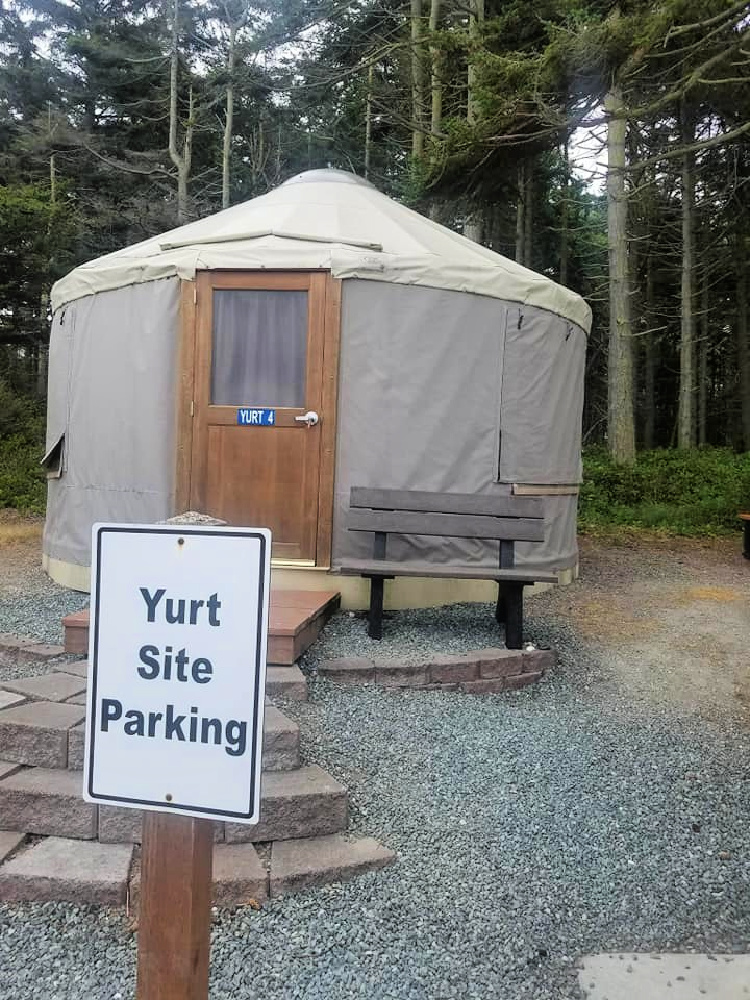
Understanding what yurt camping is—and how to monetize it—requires a shift from viewing property as a long-term residential play to viewing it as a short-term experiential asset. As travelers move away from standardized hotel chains in favor of unique, Instagram-worthy experiences, the yurt has emerged as a cost-effective, durable, and highly marketable structure that offers an impressive Return on Investment (ROI).
The Economics of Yurt Camping: Why It’s a Prime Investment Opportunity
The primary appeal of yurt camping for a business-minded individual is the low barrier to entry compared to traditional real estate. Developing a luxury cabin or a traditional vacation home often requires hundreds of thousands of dollars in capital, lengthy construction timelines, and complex permitting. A high-quality, four-season yurt, conversely, can be purchased and outfitted for a fraction of that cost.
The Rise of the Glamping Economy
Consumer behavior has shifted dramatically toward “experience over things.” This trend, accelerated by the remote work revolution, has created a massive demand for outdoor-centric accommodations that do not sacrifice comfort. Yurt camping fills this gap perfectly. Unlike traditional camping, which requires significant gear and effort from the consumer, yurt camping provides a turnkey experience. From a financial standpoint, this allows operators to charge premium nightly rates that often rival or exceed local four-star hotels, despite significantly lower operational overhead.
Low Entry Costs vs. High Returns
A professional-grade yurt kit typically ranges from $10,000 to $30,000 depending on size and insulation packages. Even with the addition of a wooden platform, interior furnishings, and utility hookups, the total setup cost for a luxury yurt rarely exceeds $60,000. In popular tourist regions, these units can command nightly rates between $200 and $450. When accounting for an average occupancy rate of 50-60%, many investors find that a single yurt can pay for its initial capital expenditure within 12 to 18 months. This rapid “payback period” is almost unheard of in traditional residential real estate.
The Financial Blueprint: Scaling a Yurt Camping Business
Starting a yurt camping business is more than just pitching a tent on a piece of land; it is an exercise in strategic asset management. To maximize the financial potential of this niche, investors must approach the setup with a focus on scalability and brand equity.
Initial Capital Expenditures and Setup
The initial investment is divided into three main categories: the structure, the infrastructure, and the interior “lifestyle” assets.
- The Structure: Choosing a manufacturer with a reputation for durability is a long-term financial decision. High-quality vinyl covers and lattice frames reduce maintenance costs and extend the asset’s life.
- Infrastructure: This is the most variable cost. Bringing electricity, water, and sewage to a remote site can be expensive, but it is what allows for the “luxury” price tag. Off-grid solutions, such as solar arrays and composting toilets, can reduce these initial costs while appealing to the eco-conscious market.
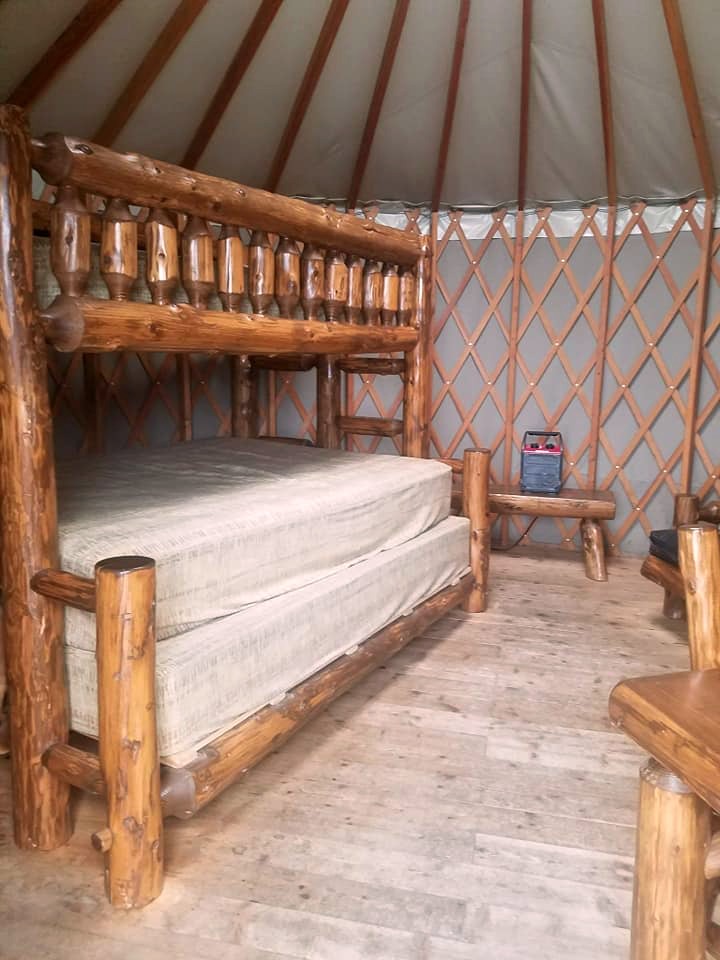
- Interior Assets: To command top-tier rates, the interior must reflect a “boutique hotel” aesthetic. High-quality linens, wood-burning stoves, and localized decor are not just expenses; they are marketing tools that drive high occupancy through visual appeal.
Navigating Zoning and Regulatory Costs
One of the most overlooked financial hurdles in the yurt camping industry is the cost of compliance. Because yurts are often classified as “semi-permanent structures,” they occupy a gray area in many local building codes. Investors must budget for permit fees and potential legal consultations. However, this hurdle also acts as a “moat” for your business. In areas where permitting is difficult, the scarcity of approved yurt sites drives up the nightly value, protected by the lack of immediate competition.
Maximizing ROI: Revenue Streams and Operational Efficiency
To move from a simple side hustle to a robust business, yurt operators must leverage modern financial tools and marketing strategies to optimize their revenue per available room (RevPAR).
Dynamic Pricing and Seasonal Marketing
Successful yurt camping businesses do not use flat-rate pricing. Instead, they utilize dynamic pricing algorithms—similar to those used by airlines—to adjust rates based on demand, local events, and seasonal trends. During peak foliage seasons or summer holidays, rates can be spiked to capture maximum margin. Conversely, during the “shoulder season,” offering mid-week discounts or “work-from-yurt” packages ensures a steady cash flow to cover fixed operational costs.
Minimizing Overhead with Automated Systems
Profitability in the hospitality sector is often a battle against labor costs. For the yurt investor, automation is the key to maintaining high margins. Implementing keyless entry systems, automated guest communication tools, and professional property management software allows the business to run with minimal on-site presence. By outsourcing cleaning to local contractors and using automated scheduling, an investor can manage multiple yurt sites across different geographic regions, transforming the venture into a source of truly passive income.
Ancillary Revenue Streams
A yurt site is a platform for additional monetization. Many operators increase their “Average Order Value” by offering add-on experiences. This might include:
- Equipment Rentals: Mountain bikes, kayaks, or snowshoes.
- Curated Kits: S’mores kits, local wine and cheese boards, or pre-stacked firewood.
- Workshops: Partnering with local experts to offer yoga, foraging, or photography sessions.
These high-margin add-ons can increase the total revenue per stay by 15-25% without significantly increasing the base operational complexity.
Risk Management and Long-Term Value in Alternative Accommodations
As with any investment, yurt camping carries risks, primarily related to market saturation and climate volatility. However, strategic financial planning can mitigate these threats.
Hedging Against Real Estate Volatility
Yurts offer a unique form of “liquid” real estate. Because the structures are semi-permanent, they can—in theory—be dismantled and moved if a specific location becomes less profitable or if land-use laws change. This flexibility provides a safety net that traditional “bricks and mortar” investments lack. Furthermore, yurt camping often performs well during economic downturns. When consumers tighten their belts, they often trade down from expensive international flights to “staycations” and local outdoor experiences, making yurt camping a recession-resistant asset class.
Sustainability as a Brand Asset
From a business finance perspective, the “green” aspect of yurt camping is a powerful marketing lever. Investors can often tap into specialized “eco-tourism” grants or tax incentives designed to encourage low-impact development. Furthermore, buildings with a smaller carbon footprint often have lower long-term utility costs. By investing in sustainable tech—such as high-efficiency pellet stoves or gravity-fed water systems—owners can reduce their OpEx (Operating Expenses) while simultaneously charging a “sustainability premium” to their guests.

Conclusion: The Business Case for the Modern Yurt
What is yurt camping? For the traveler, it is an escape. For the savvy investor, it is one of the most compelling opportunities in the current alternative asset market. By combining low capital requirements with high consumer demand and the ability to command luxury rates, yurt camping offers a pathway to diversified income that few other real estate plays can match.
The transition from a single-unit side hustle to a multi-site glamping brand requires diligent financial planning, a keen eye for aesthetic branding, and a commitment to operational efficiency. However, for those willing to navigate the unique regulatory and logistical landscape of outdoor hospitality, the yurt represents more than just a tent—it represents a high-performance engine for wealth creation in the modern experience economy. As the boundaries between work, travel, and home continue to blur, the yurt stands as a versatile, profitable, and increasingly essential component of a forward-thinking investment portfolio.
aViewFromTheCave is a participant in the Amazon Services LLC Associates Program, an affiliate advertising program designed to provide a means for sites to earn advertising fees by advertising and linking to Amazon.com. Amazon, the Amazon logo, AmazonSupply, and the AmazonSupply logo are trademarks of Amazon.com, Inc. or its affiliates. As an Amazon Associate we earn affiliate commissions from qualifying purchases.